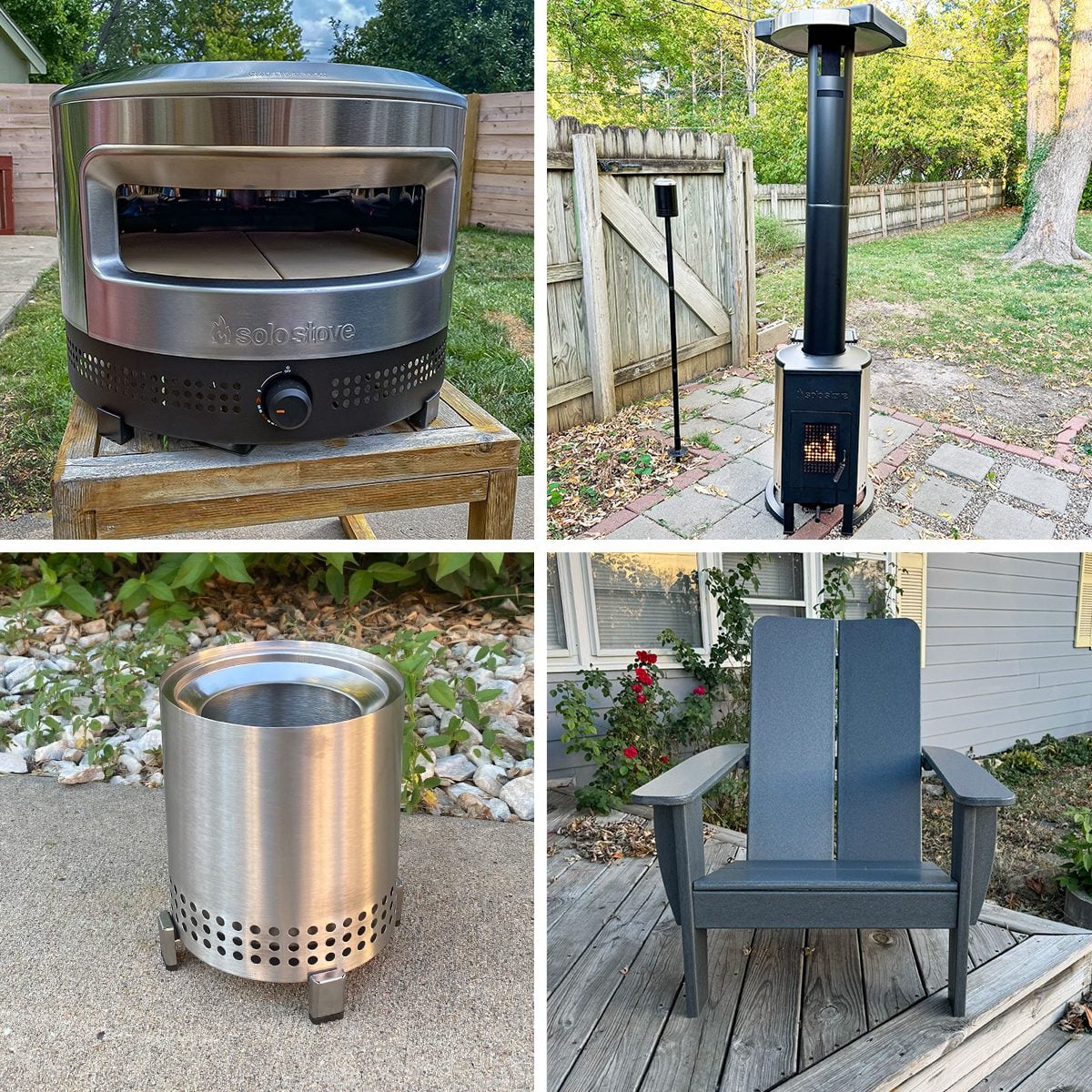
If you have spent more than twelve minutes researching backyard upgrades, you have probably met the Solo Stove: the sleek stainless-steel fire pit that promises cozy flames without turning your hoodie into a smoked brisket. The brand has become almost unavoidable in the world of outdoor living, appearing in backyard makeovers, camping gear guides, gift lists, patio roundups, and social feeds where everyone seems suspiciously calm around a roaring fire.
But does Solo Stove actually live up to the hype, or is it just a very shiny metal cylinder with a great marketing department? After comparing hands-on reviews, product specs, customer feedback, and long-term owner experiences, the short answer is: yes, mostly. Solo Stove fire pits are genuinely impressive, especially if your top priorities are low smoke, easy setup, modern design, and less cleanup. However, they are not magic. They still make some smoke, they get extremely hot, they use real wood, and they cost more than a basic fire pit you can grab at a hardware store.
This Solo Stove review breaks down the good, the not-so-good, and the “please do not touch that, it is hotter than gossip at a family reunion” realities.
What Is Solo Stove?
Solo Stove is best known for its smokeless wood-burning fire pits, especially the Ranger, Bonfire, Yukon, Canyon, and tabletop Mesa models. The brand also sells outdoor cooking accessories, pellet adapters, stands, shields, lids, shelters, heat deflectors, and even pizza oven attachments. In other words, Solo Stove does not just sell you a fire pit; it invites you into an accessory ecosystem where your backyard slowly becomes a tiny outdoor resort.
The most popular model is the Solo Stove Bonfire 2.0, a midsize fire pit that works well for patios, backyards, camping trips, and small gatherings. It is large enough to create a satisfying fire but still portable enough for many people to move without calling a neighbor named Dave who owns a truck.
How Does Solo Stove Work?
The “Smokeless” Design Explained
Solo Stove fire pits use a double-wall design and a 360-degree airflow system. Air enters through lower exterior vents, moves through the hollow wall, heats up, and exits through upper interior vents. This process creates a secondary burn, which helps ignite smoke particles before they drift into your face like an unwanted campfire ghost.
That secondary combustion is the secret behind the brand’s low-smoke performance. When the fire is hot and the wood is dry, Solo Stove can dramatically reduce visible smoke compared with a traditional fire pit. You still get flames, crackling wood, warmth, and the primal joy of staring at fire like a thoughtful caveperson. What you get less of is the constant chair-shuffling routine where everyone moves around the fire to escape the smoke cloud.
Is It Truly Smokeless?
No wood fire is completely smokeless. Solo Stove performs best once the fire is fully established. During startup, when kindling catches and the fire is still building heat, you should expect some smoke. Wet wood, green wood, leaves, cardboard, poor airflow, or strong shifting wind can also create smoke. The word “smokeless” should be understood as “much less smoky than a normal fire pit,” not “NASA has eliminated smoke from wood combustion.”
When used correctly, however, the difference is real. Many reviewers and owners report that Solo Stove reduces the classic campfire problems: stinging eyes, smoky clothes, coughing, and everyone blaming the wind even though the smoke clearly has a personal vendetta.
Solo Stove Models: Which One Makes Sense?
Solo Stove Mesa
The Mesa is the tabletop option. It is best for small patios, balconies where allowed, s’mores nights, and people who want the vibe of a campfire without committing to a full-size backyard setup. It is cute, giftable, and easy to store. It is not the model for heating a group of adults on a cold night unless those adults are very tiny or extremely optimistic.
Solo Stove Ranger
The Ranger is compact and portable, making it a good pick for camping, tailgating, and smaller yards. It is easier to carry than the Bonfire or Yukon, but it also produces a smaller fire. For couples, small families, or minimalists, the Ranger hits a nice balance.
Solo Stove Bonfire 2.0
The Bonfire 2.0 is the brand’s sweet spot. It is big enough for a real backyard gathering, yet not so massive that you need a logistics team to move it. The 2.0 version improved cleanup with a removable ash pan, which is a major upgrade over older models that required flipping the entire fire pit over to empty ash. That old method worked, technically, but so does eating soup with a fork if you are patient enough.
Solo Stove Yukon
The Yukon is larger and better suited for bigger patios, larger groups, and homeowners who want a fire pit that feels like the centerpiece of an outdoor space. It throws off more heat, fits more wood, and looks impressive. It is also heavier and less portable. If the Bonfire is a weekend warrior, the Yukon is the backyard mayor.
Solo Stove Canyon
The Canyon is for people who want a very large fire pit experience. It is great for big gatherings and wide outdoor spaces, but it is not the practical choice for most small patios. Choose it only if you have the space, the firewood supply, and the confidence of someone who refers to a “small get-together” as twenty people.
What Solo Stove Gets Right
1. Smoke Reduction Is the Star Feature
The biggest reason to buy a Solo Stove is the low-smoke experience. Traditional fire pits often produce inconsistent burns because airflow is limited and wood combustion is incomplete. Solo Stove’s design feeds the fire with oxygen and creates a hotter, cleaner burn. When the fire is rolling, smoke drops dramatically.
This makes the fire pit more enjoyable for families, guests, and anyone who loves sitting by a fire but hates smelling like they slept inside a chimney. It also reduces the awkward social dance of moving chairs every five minutes because the smoke has chosen a new victim.
2. Setup Is Almost Too Easy
Solo Stove fire pits arrive mostly assembled. In many cases, you simply place the unit where it belongs, add the internal pieces, set the flame ring on top, and start building a fire. There are no complicated parts, no propane tanks, no ignition systems, and no app that asks to connect to Bluetooth for reasons nobody requested.
For beginners, this is a huge advantage. You do not need to be a camping expert or a person who owns fourteen types of axes. Dry kindling, seasoned firewood, and a good fire starter are usually enough.
3. The Build Quality Feels Premium
Solo Stove fire pits are typically made from stainless steel, which gives them a polished look and strong resistance to heat and outdoor wear. Over time, the shiny finish will discolor from heat. That is normal. A used Solo Stove will not stay showroom-perfect forever, just as your favorite cast iron skillet does not look like it belongs in a jewelry case after making bacon.
The important point is structural durability. Long-term reviews often praise Solo Stove for holding up well through repeated burns and outdoor storage when properly maintained and covered.
4. Cleanup Is Much Better With the 2.0 Models
The removable ash pan in the 2.0 models is a major quality-of-life improvement. After the fire is completely out and the unit is cool, you can lift out the ash pan and dispose of the ash more easily. Since Solo Stove burns wood efficiently, there is often less leftover debris than in a conventional fire pit.
This does not mean cleanup is instant. You still need to wait until everything is fully cool. You should not pour water into a hot Solo Stove unless the situation requires emergency action, because sudden temperature changes can damage metal components. Letting the fire burn down naturally is the cleaner, safer approach.
5. It Looks Great on a Patio
Design is subjective, but Solo Stove has a clear visual advantage over many basic fire pits. Its smooth stainless-steel body, rounded shape, and modern profile look intentional rather than improvised. It fits well with contemporary patios, Adirondack chairs, gravel seating areas, and backyard spaces designed for entertaining.
In simple terms, it looks like something you meant to buy, not something you rescued from behind a shed.
Where Solo Stove Falls Short
1. It Is Not Cheap
Solo Stove is a premium brand, and the price reflects that. The Bonfire 2.0 often costs several times more than a basic steel fire pit. Sales and bundles can improve the value, but the upfront cost is still one of the biggest barriers.
The accessories also add up quickly. A stand, shield, lid, shelter, heat deflector, pellet adapter, cooking hub, grill top, griddle, or pizza oven can turn a reasonable purchase into a backyard investment portfolio. The accessories are useful, but buyers should plan their budget carefully.
2. The Exterior Gets Very Hot
This is a real fire in a metal container. The outside of a Solo Stove can become extremely hot during use. It should be kept away from children, pets, patio furniture, dry leaves, and anyone who says, “I just want to see if it’s hot.” Spoiler: it is hot.
A spark shield can help contain popping embers, and a stand is important when using the fire pit on suitable surfaces. Always follow local fire rules and the manufacturer’s safety guidance.
3. It Burns Wood Quickly
Solo Stove’s efficient airflow helps create a hotter, cleaner burn, but that same airflow can also consume wood faster than some traditional pits. If you plan a long evening, keep extra seasoned firewood nearby. Few things ruin a perfect fire night faster than announcing, “That was our last log,” while everyone is just getting comfortable.
4. Portability Has Limits
Solo Stove markets several models as portable, and technically they are. But “portable” does not always mean “fun to carry across a campground.” The Bonfire is manageable for many adults, especially with a carry case, but its round shape can be awkward. The Yukon and Canyon are better treated as semi-permanent backyard pieces.
5. Cooking Requires Accessories and Practice
You can cook with Solo Stove accessories, but it is not automatically the same as cooking on a standard grill. Open-fire cooking requires heat management, patience, and the right setup. For casual marshmallows and hot dogs, it is easy. For steak, pizza, or full meals, expect a learning curve and additional gear.
Solo Stove vs. Traditional Fire Pit
Compared with a traditional fire pit, Solo Stove wins on smoke control, ease of lighting, clean burn, and design. A basic fire pit wins on price, simplicity, and sometimes cooking flexibility if it includes a built-in grate. The real question is how often you use your outdoor space.
If you light a fire once a year, a cheaper fire pit may be enough. If you host often, dislike smoke, or want a polished backyard setup, Solo Stove becomes much easier to justify. It turns fire from a slightly chaotic activity into something more predictable and comfortable.
Solo Stove vs. Breeo
Breeo is Solo Stove’s most common premium competitor. Both brands make efficient smokeless fire pits, and both are well regarded. Solo Stove often stands out for portability, sleek design, and a wide accessory lineup. Breeo is frequently praised for cooking versatility, heavy-duty construction, and integrated features such as legs on some models.
If your main goal is relaxed backyard fire nights with less smoke, Solo Stove is excellent. If live-fire cooking is your priority, Breeo may deserve a closer look. Either way, both brands are significantly better than a rusty bargain fire bowl that wobbles every time someone sneezes.
Who Should Buy a Solo Stove?
Buy Solo Stove If:
- You want a low-smoke fire pit for your backyard or patio.
- You enjoy hosting friends and family outdoors.
- You prefer a modern, polished design.
- You want easier cleanup than a traditional fire pit.
- You are willing to pay more for performance and convenience.
- You use seasoned firewood and can store the unit properly.
Skip Solo Stove If:
- You need the cheapest possible fire pit.
- You expect zero smoke under every condition.
- You want a fire pit that stays cool on the outside.
- You mainly want a dedicated grill or smoker.
- You do not want to buy accessories separately.
- You dislike cleaning ash, even when cleanup is easier.
Practical Tips for Getting the Best Results
Use Dry, Seasoned Wood
This is the golden rule. Dry hardwood burns cleaner, hotter, and with less smoke. Wet or green wood will smoke in any fire pit, including a Solo Stove. The fire pit can reduce smoke; it cannot perform emotional healing on damp logs.
Do Not Overfill It
Keep wood below the upper vent holes and avoid logs sticking far over the rim. Overloading can interfere with airflow and reduce the secondary burn effect. It can also create safety issues.
Let the Fire Get Hot
The smokeless effect improves once the fire reaches a strong burn. During the first few minutes, smoke is normal. Give the airflow system time to work.
Use the Right Accessories
A stand is important for many setups. A spark shield adds peace of mind around guests. A shelter protects the fire pit from rain and debris. A heat deflector can help push warmth outward, which is useful because smokeless fire pits often send much of their heat upward.
Wait Before Cleaning
Let the fire pit cool completely before removing ash. Ash can stay hot longer than expected. Treat it with respect, because “surprise hot ash” is nobody’s favorite backyard memory.
Real-World Experience: What It Feels Like to Own a Solo Stove
Owning a Solo Stove changes the rhythm of a backyard evening. With a traditional fire pit, the first twenty minutes can feel like a survival exercise: coaxing kindling, dodging smoke, adjusting logs, and pretending you totally meant for the fire to lean dramatically to one side. With a Solo Stove, the process feels more controlled. Once the kindling catches and the airflow starts doing its job, the flames become tall, bright, and surprisingly clean.
The first thing many owners notice is the lack of smoke drama. You may still see smoke at startup, especially if the wood is not perfectly dry, but once the fire gets hot, the experience becomes calmer. People stop moving their chairs every few minutes. Conversations last longer. Nobody has to sacrifice themselves to the smoke plume like a campfire tribute. Clothes may still smell faintly like fire afterward, but usually not like you crawled through a chimney wearing a wool sweater.
The Bonfire 2.0 is especially practical for regular backyard use. It is large enough to feel satisfying but not so large that every fire requires half a forest. For a small group of four to six people, it creates a cozy centerpiece. The flame pattern is part of the appeal. When the secondary burn kicks in, little jets of flame appear near the top interior vents, creating a swirling effect that looks almost engineered for staring. It is strangely hypnotic, in the same way watching pizza cheese bubble is hypnotic. Humans are simple creatures; give us fire and snacks, and we are busy for hours.
Cleanup is also a noticeable improvement over many basic pits. After a complete burn, the leftover ash is fine and light. The removable ash pan makes the job less annoying, though not completely effortless. You still need to wait. You still need a safe disposal plan. And if wind hits the ash at the wrong moment, congratulations, you have invented backyard confetti.
The biggest day-to-day annoyance is fuel use. Because Solo Stove burns hot and efficiently, you may go through wood faster during a long evening. This is not always a bad thing, because the burn is cleaner and more complete, but it does mean you should keep extra wood nearby. Another practical issue is heat direction. Solo Stove produces strong heat, but much of it rises. A heat deflector can make the seating area warmer, especially in cooler weather, but that accessory increases the total cost.
Storage matters, too. Stainless steel is durable, but leaving any fire pit exposed to rain, wet ash, and yard debris is asking for trouble. A cover or shelter helps preserve the finish and keeps cleanup easier. The surface will discolor with use, and that is normal. Think of it as patina, not damage. Your Solo Stove is not failing; it is developing campfire character.
Overall, the ownership experience feels premium because the product removes friction. It does not remove every inconvenience of wood fire, but it reduces enough of them to make outdoor fires more frequent and more enjoyable. That is the real value. Solo Stove makes it easier to say, “Let’s have a fire tonight,” instead of, “Do we really want to deal with all that?”
Final Verdict: Does Solo Stove Live Up to the Hype?
Solo Stove lives up to the hype for the right buyer. Its fire pits are well designed, easy to use, attractive, durable, and genuinely better at reducing smoke than traditional fire pits. The Bonfire 2.0, in particular, earns its reputation as the best all-around choice for most households because it balances size, portability, heat, and cleanup.
That said, Solo Stove is not perfect. It is expensive, accessories can make the final price climb, the exterior gets dangerously hot, and the smokeless performance depends heavily on dry wood and proper fire building. If you expect a completely smoke-free miracle machine, you may be disappointed. If you expect a cleaner, easier, better-looking fire pit experience, you will probably be very happy.
The brand’s real achievement is making backyard fires feel less messy, less smoky, and more inviting. It turns a simple flame into a social centerpiece. And honestly, if a metal cylinder can convince people to put down their phones, sit outside, roast marshmallows, and talk for an hour, that is not just hype. That is a small backyard miracle with excellent airflow.
Note: This article synthesizes current product information, independent hands-on testing, retail specifications, customer feedback, and common owner experiences. It is written for informational publishing purposes and is not sponsored by Solo Stove.