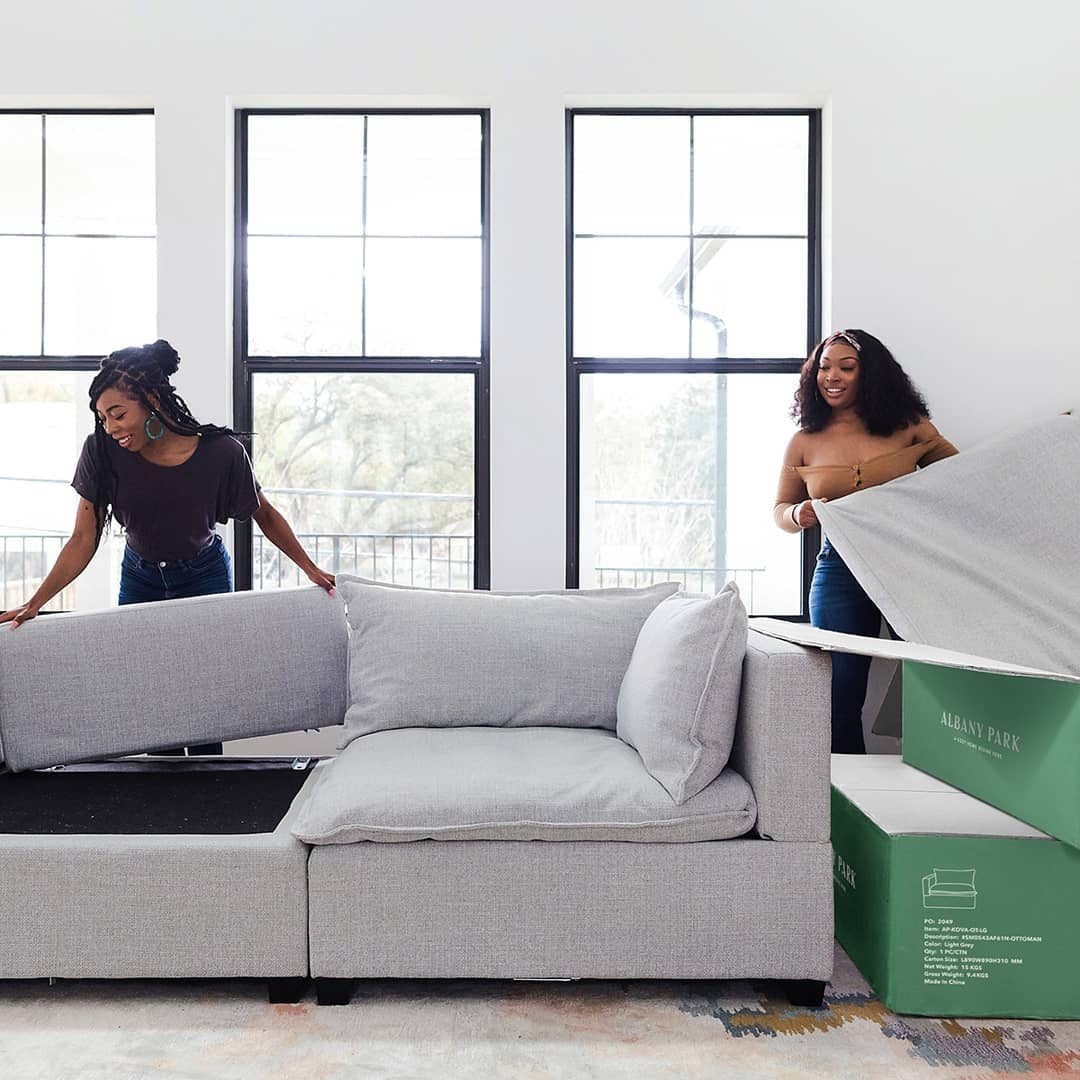
A sofa in a box sounds almost magical: order online, wait for several surprisingly large cartons to appear, connect a few pieces, and enjoy a brand-new living room without wrestling a full-size couch through the front door. In reality, the process is usually convenientbut not quite as effortless as the product photos suggest.
Boxed sofas can be excellent choices for apartments, narrow stairways, frequent movers, and shoppers who prefer modular furniture. However, construction quality, comfort, assembly difficulty, return fees, and long-term durability vary dramatically. Before clicking “Add to Cart,” here is what you should know about buying a sofa in a box.
What Is a Sofa in a Box?
A sofa in a box is an upholstered sofa designed to ship in separate, compact components rather than as one fully assembled piece. The seat frames, backs, arms, legs, cushions, connectors, and hardware are packaged in one or more cartons and assembled inside the buyer’s home.
Despite the name, a sectional sofa may arrive in four, eight, or even ten boxes. Think of “sofa in a box” as marketing shorthand, not a promise that your entire couch will emerge from one container like an upholstered jack-in-the-box.
Some models use rigid modular frames that connect with brackets or latches. Others include vacuum-packed foam cushions that need time to expand. The best systems can be assembled, disassembled, rearranged, expanded, and moved without destroying the frame. Hands-on reviews of boxed and modular sofas show that assembly may take from under an hour to roughly two hours, depending on the number of modules, the clarity of the instructions, and whether a second person is available.
Why Boxed Sofas Have Become Popular
They Are Easier to Get Through Difficult Entrances
A conventional sofa might fit beautifully against your living room wall while refusing to fit through your doorway, elevator, or sharply turning staircase. Boxed sofas reduce that problem because the individual components are smaller than the completed couch.
You should still measure every part of the delivery route. Boxes can be tall, wide, and heavy, and a large seat module may remain difficult to maneuver around a tight landing. Sofa-buying experts consistently recommend measuring the room, doors, hallways, elevators, and diagonal openings before ordering.
Modular Designs Can Adapt to a New Home
Many boxed couches are modular, allowing owners to add seats, switch a chaise from one side to the other, separate a sectional into chairs, or expand the layout later. This flexibility can be valuable for renters and people who expect to move.
A modular sofa can also evolve with a household. A two-seat couch might become a four-seat sectional after a move, while an extra module can function as an armless chair or ottoman. Systems with replaceable covers, cushions, legs, and connectors may be easier to repair than a traditional sofa built as one permanent unit. Reviews of modular designs from brands such as Lovesac, Sabai, and Thuma highlight adaptability as one of their strongest features.
Delivery Is Often More Predictable
Traditional custom furniture can require specialized freight delivery and long scheduling windows. Boxed sofas are frequently shipped through regular parcel carriers, sometimes with separate tracking numbers for each carton.
That convenience has a catch: the carrier may leave everything at the doorstep rather than carrying it into the home. “Delivered” can therefore mean “your cardboard mountain is now outside.” Check whether the seller provides doorstep delivery, room-of-choice service, or white-glove setup.
Measure the Sofa, the Room, and the Route
The most common online sofa mistake is choosing by appearance before checking dimensions. Product photography can make a deep sectional look compact and a petite loveseat look enormous. Camera lenses are talented little liars.
Mark the Footprint on the Floor
Use painter’s tape to outline the sofa’s full width and depth. Include the chaise, ottoman, reclining clearance, and space needed to walk around the furniture. Sit inside the taped outline and imagine where side tables, lamps, doors, and foot traffic will go.
Interior design guidance commonly recommends maintaining about 18 inches between a sofa and coffee table and preserving wider paths in major traffic areas. The exact layout depends on the room, but the tape test reveals problems that dimensions on a screen often hide.
Check Seat Dimensions, Not Just Overall Dimensions
Two sofas with the same exterior width can provide very different amounts of usable seating. Thick arms may consume considerable space. Compare:
- Overall sofa width, height, and depth
- Seat width and usable width between the arms
- Seat depth from the front edge to the back cushion
- Seat height from the floor
- Back height and arm height
- Chaise length and orientation
A deep seat can be wonderful for lounging but uncomfortable for shorter people who prefer their feet on the floor. A shallow, upright sofa may support conversation and easier standing, but it might disappoint anyone planning Olympic-level weekend napping.
Look Beyond the Upholstery Color
A beautiful fabric can distract buyers from the materials underneath it. Long-term comfort depends on the frame, support system, cushions, joints, and connectorsnot merely whether the upholstery is currently fashionable on social media.
Frame Construction
Look for clear information about the frame rather than vague phrases such as “premium construction.” Kiln-dried hardwood, engineered hardwood, quality plywood, and properly reinforced metal components can all perform well when thoughtfully designed. Weak particleboard, thin unsupported panels, and poorly fastened joints are more concerning in load-bearing areas.
Ask how the arms, backs, and seat modules connect. Metal brackets and replaceable mechanical fasteners usually inspire more confidence than components held together primarily by friction or a handful of small screws.
Seat Support
Sofas may use sinuous springs, webbing, platform panels, coil systems, or combinations of these methods. No single system automatically guarantees quality. What matters is whether the support is properly tensioned, securely attached, and appropriate for the sofa’s design.
Read reviews for reports of sagging, squeaking, shifting modules, or seats that feel uneven. Pay particular attention to feedback written after six months or a year. A five-star review posted ten minutes after assembly mostly proves that the buyer successfully located the Allen wrench.
Cushion Fill and Density
High-density foam generally feels more supportive and tends to recover its shape better than very soft, low-density foam. Foam wrapped in fiber or down can provide a softer surface while retaining an underlying support layer.
Down-heavy cushions feel luxurious but usually require regular fluffing. Loose fiber-filled back cushions may develop a relaxed, lived-in shape. Box cushions generally maintain a cleaner profile, while very plush pillows can look rumpled even when functioning normally. Good Housekeeping identifies durable frames, supportive foam or down-filled cushions, and suitable upholstery as important indicators of sofa quality.
Choose Upholstery for Your Actual Life
The cream bouclé sofa in the photograph may look magnificent. Then your dog, toddler, coffee cup, and blue jeans enter the story.
Request fabric swatches whenever possible. View them in daylight and evening light, rub them against clothing, test how easily pet hair sticks, and place them near your existing flooring and walls. Screen colors can vary, and texture is almost impossible to judge from a product image.
Performance Fabric Does Not Mean Invincible
“Performance fabric” usually indicates resistance to stains, abrasion, moisture, or fading, but the phrase is not a universal guarantee. Ask what performance features were tested and how the fabric should be cleaned.
Abrasion ratings such as Wyzenbeek double rubs can be useful, but they should not be treated as a sofa lifespan calculator. The Association for Contract Textiles warns that test results can vary and that extremely high abrasion numbers do not necessarily predict proportionally longer service life. Cleaning methods, light exposure, weave, colorfastness, and actual household use also matter.
Check Whether Covers Are Removable
Removable cushion covers are helpful, but “removable” does not automatically mean “machine washable.” Some covers require spot cleaning or professional cleaning. Washing the wrong fabric can cause shrinkage, fading, distorted seams, or a wrestling match when reinstalling the cover.
Locate the upholstery cleaning code and follow the manufacturer’s instructions. Cleaning experts recommend checking the sofa care label before applying water, solvents, steam, or household cleaners.
How Can You Judge Comfort Online?
Comfort is the hardest part of buying a boxed sofa because firmness is subjective. One person’s “supportive” is another person’s “park bench wearing a sweater.”
Use several clues instead of relying on adjectives:
- Seat depth: Deeper seats favor lounging; shallower seats favor upright sitting.
- Seat height: Higher seats can be easier for taller adults and people with limited mobility.
- Back height: Low backs create a sleek appearance but may not support the shoulders or head.
- Cushion construction: Foam usually feels structured; down and fiber blends feel softer.
- Customer photos: These show how cushions and fabric look after normal use.
- Reviewer body type: A comfort opinion is more useful when the reviewer’s height and preferred sitting position resemble yours.
Independent testing is especially valuable. Better Homes & Gardens reports evaluating sofas for comfort, durability, quality, delivery, assembly, and value rather than judging appearance alone.
Understand Delivery and Assembly Before Ordering
Find Out How Many Boxes Are Coming
Ask for the carton count, dimensions, and individual weights. A five-piece sectional might arrive over several days because the boxes travel separately. Do not assume a missing carton is lost until you have checked every tracking number.
Plan where the boxes will sit during assembly. A compact living room can quickly become a cardboard obstacle course. Protect the floor, keep hardware away from children and pets, and open boxes in the order recommended by the instructions.
Assume You May Need a Second Person
“Tool-free assembly” does not mean “effort-free assembly.” Aligning brackets, turning modules upright, compressing cushions into covers, and moving finished sections can be awkward alone.
Real-world reviews show substantial variation. One Albany Park sectional arrived in four boxes and took approximately an hour to assemble, while a Sabai sectional arrived in ten boxes and took two people less than two hours. Another modular couch took about 90 minutes when instructions were difficult to locate.
Inspect Everything Before Discarding Packaging
Check for torn fabric, bent brackets, cracked frame pieces, missing hardware, incorrect modules, and color differences. Photograph damage immediately, including the carton and shipping label.
Keep every box, protective bag, foam insert, and label until you are certain the sofa is staying. Returning modular furniture without its original packaging can be expensive or impossible under some policies.
Read the Return Policy Like It Is a Contract
A generous-sounding “30-day trial” may include return shipping, pickup fees, restocking charges, packaging requirements, and strict rules about stains, odors, pet hair, or visible use.
One current manufacturer policy, for example, permits returns within 30 days but deducts a fee equal to 20% of the original purchase price and requires the furniture to remain in like-new condition. Policies vary considerably, which is why buyers should calculate the possible return cost before ordering rather than after discovering that the cushions are too firm.
Confirm the following in writing:
- When the trial period begins
- Whether opened and assembled furniture qualifies
- Who pays return shipping or pickup costs
- Whether original packaging is required
- Whether sale or custom items are final sale
- How damaged deliveries are handled
- Whether refunds exclude original delivery charges
Also distinguish the return policy from the warranty. A return policy covers dissatisfaction during a limited period. A warranty generally covers defined manufacturing defects, not normal softening, stains, pet damage, fading, or changes in personal preference.
Check Material Certifications and Safety Labels
New furniture may have a noticeable odor after unpacking, particularly when foam, adhesives, finishes, and packaging have been enclosed for shipping. Ventilate the room and follow the manufacturer’s recommendations if cushions need time to expand.
CertiPUR-US certification applies specifically to flexible polyurethane foam. According to the certification program, qualifying foam is tested for content, emissions, and durability and must meet limits for volatile organic compound emissions. It does not certify the entire sofa, upholstery, wood frame, glue, or finish.
UL GREENGUARD certification evaluates products for low chemical emissions, while GREENGUARD Gold uses stricter emission limits intended to provide additional protection for sensitive environments. Again, verify exactly which component or complete product carries the certification.
U.S. upholstered furniture manufactured, imported, or reupholstered after the applicable federal dates must meet federal smolder-resistance requirements and carry a permanent CPSC compliance label. Buyers can look underneath the sofa for the statement confirming compliance with U.S. upholstered-furniture flammability requirements.
Who Should Buy a Sofa in a Box?
A boxed sofa can be a particularly good choice for:
- Apartment residents with elevators, narrow halls, or tight staircases
- Renters who expect to move within several years
- People who want a modular layout that can expand
- Homes where replaceable covers or parts are a priority
- Buyers comfortable with self-assembly
- Anyone who cannot schedule traditional freight delivery
It may be less suitable for shoppers who want white-glove installation, require highly customized upholstery, dislike assembling furniture, or need to test the exact seat comfort in a showroom. A conventional sofa may also provide more design freedom in curved silhouettes, sculptural frames, and specialized upholstery techniques.
A Practical Sofa-in-a-Box Buying Checklist
Before placing the order, make sure you can answer these questions:
- Will the completed sofa fit the room without blocking traffic?
- Will every carton fit through the delivery route?
- What are the seat depth, seat height, and usable seating width?
- What materials are used in the frame, support system, and cushions?
- Are replacement covers, cushions, connectors, and modules available?
- How many boxes will arrive, and how much does each one weigh?
- Is assembly truly tool-free, and is a second person recommended?
- What cleaning method does the upholstery require?
- What return fees could apply after assembly?
- How long is the frame warranty, and what exclusions apply?
- Are material and emissions certifications independently verifiable?
- Can you keep the packaging until the trial period ends?
Conclusion: Convenience Is Valuable, but Details Matter
A sofa in a box can solve genuine furniture-buying problems. It can pass through difficult entrances, arrive without a freight appointment, adapt to future rooms, and make moving less painful. The strongest designs combine that convenience with reliable connectors, supportive cushions, durable upholstery, available replacement parts, and a return policy that does not punish buyers for sitting down.
Do not choose solely because a sofa looks wonderful in a perfectly styled online photograph. Measure your space, study the internal construction, order fabric swatches, calculate the full delivered price, and read the return terms before opening your wallet.
The goal is not merely to buy a couch that fits into boxes. It is to buy one that still feels comfortable, looks presentable, and remains structurally sound long after those boxes have been recycled.
A Realistic Buyer Experience: From Cardboard Mountain to Movie Night
The following is a composite scenario based on common delivery, assembly, and ownership experiences reported by boxed-sofa buyers.
Imagine ordering a three-seat modular sofa for a second-floor apartment. The website promises simple assembly, compact delivery, and cushions soft enough to make canceling weekend plans feel responsible. The order confirmation lists four cartons, each with its own tracking number.
On delivery day, three boxes arrive before lunch. The fourth remains at a distribution center, which means the living room contains two seats, one arm, several back cushions, and absolutely no possibility of building a normal sofa. The final carton arrives the next afternoon. This is a common parcel-shipping reality: components may travel together emotionally, but not physically.
The boxes fit through the apartment entrance without difficulty, confirming the main advantage of a sofa in a box. However, the largest carton weighs enough to require help on the stairs. The delivery driver is responsible for reaching the building, not reenacting a furniture-moving television show.
Assembly begins by organizing every component and matching the hardware to the illustrated guide. The first seat connects easily. The second refuses to align because one bracket is slightly tilted. After loosening the first connection, repositioning both modules, and trying again, the pieces slide together. The lesson is simple: do not fully tighten every fastener until the entire frame is aligned.
Approximately 75 minutes later, the sofa is standing. Half of that time involved actual assembly. The other half involved breaking down boxes, locating a washer that rolled under a cabinet, and stopping the cat from claiming a plastic bag as private property.
The cushions initially appear flatter and firmer than expected. After several hours outside their packaging, they gain shape. By the following day, the seat feels more comfortable, although still firmer than the product description suggested. Online comfort words such as “plush,” “balanced,” and “cloud-like” are not standardized measurements. They are closer to enthusiastic opinions wearing name tags.
During the first week, the buyer discovers several positive details. The sofa does not wobble, the modules remain connected, and the upholstery releases pet hair with a handheld vacuum. The seat depth works well for lounging, while an older family member finds it slightly difficult to stand because the cushions are low and deep.
A minor spill provides the first upholstery test. Because the care label was checked before cleaning, the stain is blotted with the recommended method rather than attacked with an assortment of mystery chemicals from beneath the kitchen sink. The spot disappears without leaving a ring.
After a month, the sofa has softened slightly. The back cushions need occasional fluffing, but the frame feels stable. More importantly, the buyer keeps the packaging until the return window closes. Storing flattened cardboard behind a closet door is inconvenient, but far less inconvenient than learning that a return requires original boxes that were enthusiastically recycled on day one.
The experience demonstrates what a good boxed sofa can deliver: manageable access, reasonable assembly, adaptable construction, and comfortable everyday seating. It also shows why buyers should expect multiple cartons, minor setup frustrations, a cushion break-in period, and meaningful differences between marketing language and personal comfort.
Note: This article synthesizes guidance from U.S. consumer publications, furniture reviewers, manufacturers, textile-performance organizations, certification programs, and federal safety resources. Return windows, fees, warranties, materials, and product specifications can change, so verify the seller’s current terms before purchasing.