Note: This article is for educational and editorial purposes only. Sleep Support Plus is a dietary supplement, not a prescription sleep medication, and it is not intended to diagnose, treat, cure, or prevent insomnia or any medical condition. Anyone who is pregnant, nursing, under 18, taking medication, managing a health condition, or dealing with persistent sleep problems should speak with a qualified healthcare professional before using any sleep supplement.
Why Everyone Is Suddenly Reviewing Sleep Support Plus
Sleep used to be simple: turn off the lamp, fluff the pillow, and drift away like a Victorian poet with no Wi-Fi. In 2025, however, bedtime has become a full-contact sport. People are juggling late-night emails, streaming services that ask “Are you still watching?” with suspicious judgment, caffeine habits, stress, irregular schedules, and phones that glow like tiny anxiety rectangles.
That is why natural sleep aids have become a major wellness category. Among them, Sleep Support Plus has received attention from shoppers looking for a non-prescription way to support relaxation, healthy sleep cycles, and a calmer bedtime routine. Many online reviews describe it as a capsule-based supplement that combines melatonin with botanicals and calming ingredients such as chamomile, lemon balm, valerian, L-theanine, GABA, and goji berry. Because formulas and labels can change, buyers should always check the current Supplement Facts panel before ordering.
So, is Sleep Support Plus the natural sleep solution people hope it is? The honest answer is: it may be useful for some adults who occasionally struggle to unwind, but it should be treated as one part of a larger sleep routine, not a magic off-switch for the brain. Sadly, “thinking about taxes at 1:17 a.m.” still has no known instant cure.
What Is Sleep Support Plus?
Sleep Support Plus is generally marketed as a natural sleep support supplement designed to help adults relax before bed, support a healthy sleep-wake cycle, and wake up feeling more refreshed. Most review pages describe it as an easy-to-swallow capsule formula rather than a gummy, tea, powder, or prescription drug.
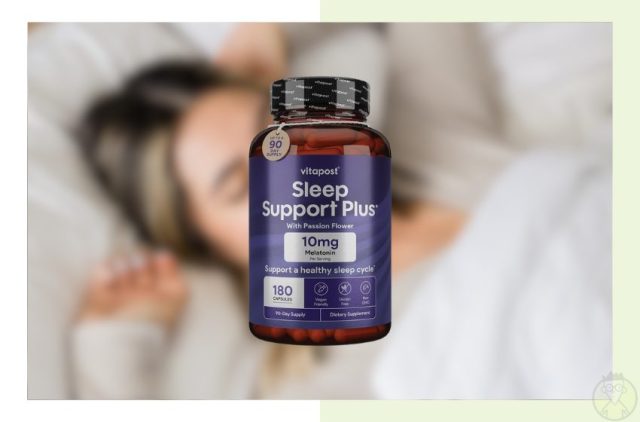
The product is commonly associated with VitaPost Sleep Support Plus, although shoppers may encounter similar names across different retailers and review sites. This matters because the supplement industry is crowded, and product names can look similar. Before buying, check the brand name, serving size, ingredient list, dosage instructions, return policy, and seller reputation.
Commonly Discussed Ingredients
Online listings and review pages commonly mention ingredients such as:
- Melatonin: A hormone involved in the body’s sleep-wake rhythm. It is often used for jet lag, shift-work sleep issues, and occasional trouble falling asleep.
- Valerian root: A traditional herbal sleep aid often used to support relaxation, though research results are mixed.
- Chamomile: A calming botanical often found in bedtime teas and relaxation formulas.
- Lemon balm: A mint-family herb traditionally used for stress and calmness.
- L-theanine: An amino acid found in tea that may promote a relaxed but not necessarily sedated feeling.
- GABA: A calming neurotransmitter often included in relaxation supplements.
- Goji berry and other botanicals: Often included for antioxidant or general wellness support.
This ingredient mix explains why Sleep Support Plus appeals to people who want a “natural sleep aid” rather than a conventional over-the-counter antihistamine sleep product. However, natural does not automatically mean risk-free. Poison ivy is natural too, and nobody invites it to the bedtime routine.
How Sleep Support Plus May Work
Sleep Support Plus appears to use two main strategies. First, melatonin may help signal that it is time for sleep, especially when the body clock is slightly out of sync. Second, calming botanicals and relaxation-support ingredients may help reduce evening tension, which can make it easier to settle down.
For people whose main issue is occasional restlessness, travel-related schedule disruption, late-night stress, or difficulty transitioning from “busy mode” to “bed mode,” this type of formula may feel helpful. Users often describe the desired effect as gentle: less tossing, fewer racing thoughts, easier sleep onset, and a more relaxed bedtime.
But it is important to separate sleep support from insomnia treatment. Chronic insomnia can be linked to anxiety, depression, pain, sleep apnea, medications, restless legs syndrome, hormonal changes, alcohol use, or irregular circadian rhythms. A supplement may mask the symptom temporarily while the real problem keeps tapping its foot in the background.
Sleep Support Plus Reviews 2025: What Users Tend to Like
Across review-style content, customer impressions tend to cluster around a few themes. Many positive reviews focus on convenience. Capsules are simple to take, do not require brewing tea, and fit easily into a nighttime routine. People who dislike gummies or sugary sleep products may prefer this format.
Another commonly praised feature is the combination formula. Instead of relying on melatonin alone, Sleep Support Plus includes multiple ingredients associated with calmness and relaxation. For some users, that may feel more complete than taking a single-ingredient supplement.
Possible Benefits People Look For
- Support for occasional sleeplessness
- A calmer transition into bedtime
- Support for a healthy sleep cycle
- Reduced nighttime restlessness
- A more refreshed feeling in the morning
- A non-prescription option for adults
The key phrase is “support.” Responsible supplement reviews should avoid promising that Sleep Support Plus will cure insomnia, eliminate anxiety, or work for everyone. Sleep is personal. One person may sleep like a content golden retriever after taking a supplement, while another may still be mentally reorganizing the kitchen cabinets at midnight.
Potential Drawbacks and Complaints
No supplement review is useful if it only waves pom-poms. Sleep Support Plus may have downsides, especially for people sensitive to melatonin or herbal ingredients.
Some users may experience next-day grogginess, vivid dreams, mild stomach upset, headache, or an overly sedated feeling. Others may simply not notice much benefit. This does not always mean the product is “bad.” It may mean the person’s sleep issue is not related to the pathways the supplement is designed to support.
Who Should Be Extra Careful?
People taking sedatives, antidepressants, anti-anxiety medications, blood pressure medication, diabetes medication, blood thinners, or other sleep aids should be cautious. Herbal ingredients and melatonin may interact with medications or increase drowsiness. People with autoimmune conditions, seizure disorders, liver disease, kidney disease, mood disorders, or sleep apnea should also ask a healthcare professional before using sleep supplements.
Melatonin is generally considered safe for short-term use for many adults, but long-term nightly use is less clearly understood. In other words, it is better viewed as a short-term helper or occasional tool, not a permanent bedtime roommate who pays no rent.
Does Sleep Support Plus Really Work?
The most accurate answer is: Sleep Support Plus may work for some adults, especially when paired with good sleep habits, but it is not guaranteed.
The ingredient categories in Sleep Support Plus have some scientific or traditional basis. Melatonin has the strongest evidence for circadian rhythm support and short-term sleep timing issues. Valerian, chamomile, lemon balm, L-theanine, magnesium, GABA, and passionflower are frequently discussed in natural sleep aid research, but results vary depending on dose, formulation, study quality, and the person using them.
That means the product’s effectiveness may depend on the user’s actual sleep barrier. If the problem is drinking espresso after dinner, doom-scrolling until 12:30 a.m., sleeping in a hot room, or using the bed as an office, snack station, and emotional support couch, Sleep Support Plus can only do so much. Supplements work best when the environment is not actively sabotaging them.
How to Use Sleep Support Plus Wisely
Most product-review pages describe Sleep Support Plus as being taken shortly before bedtime, often around 20 to 30 minutes before sleep, with water. However, users should follow the current label directions on the specific bottle they purchase.
Start with the lowest recommended serving. Do not mix it with alcohol, prescription sedatives, or other sleep products unless a healthcare professional says it is appropriate. Avoid driving, operating machinery, or making major life decisions after taking a sleep supplement. Midnight online shopping already has enough power.
Best Practices for Better Results
- Take it at the same time during your trial period.
- Keep lights dim for at least 30 minutes before bed.
- Avoid caffeine in the afternoon and evening.
- Keep the bedroom cool, dark, and quiet.
- Stop scrolling before the supplement has to fight an army of blue light.
- Track sleep quality for 7 to 14 days instead of judging after one night.
A sleep journal can help. Write down bedtime, wake time, caffeine intake, alcohol use, screen time, stress level, and how rested you feel. Patterns often appear quickly. For example, if sleep is better on nights without late snacks or with a cooler room, that is useful information.
Sleep Support Plus vs. Other Natural Sleep Aids
Compared with single-ingredient melatonin, Sleep Support Plus offers a broader formula. That may appeal to users who want relaxation support as well as sleep-cycle support. Compared with herbal teas, capsules are more convenient and provide a measured serving. Compared with antihistamine sleep aids, Sleep Support Plus is usually positioned as a gentler, non-habit-forming wellness supplement.
However, a multi-ingredient formula also makes it harder to know which ingredient is helping or causing side effects. If someone is sensitive to botanicals, a simpler supplement may be easier to evaluate. People who prefer precise dosing may also want to compare the Supplement Facts panel carefully.
Is Sleep Support Plus Safe?
For many healthy adults, Sleep Support Plus may be tolerated when used as directed. Still, supplement safety depends on the person, the dose, the ingredient quality, and possible interactions.
In the United States, dietary supplements are regulated differently from prescription drugs. The FDA does not approve dietary supplements for safety and effectiveness before they are sold. This makes it especially important to buy from reputable sellers, check labels carefully, avoid exaggerated claims, and look for clear manufacturing standards.
Watch out for any product page claiming guaranteed results, instant insomnia cures, or “FDA-approved supplement” status. Those are red flags. A trustworthy review should sound realistic, not like a carnival barker wearing pajamas.
Who Is Sleep Support Plus Best For?
Sleep Support Plus may be a reasonable option for adults who:
- Occasionally struggle to fall asleep
- Want a natural sleep support supplement
- Prefer capsules over gummies or teas
- Need help creating a calmer bedtime routine
- Are not taking conflicting medications
- Do not have untreated chronic insomnia or sleep apnea symptoms
It may not be ideal for people who wake up gasping, snore heavily, feel extremely sleepy during the day, have chronic insomnia, experience panic at night, or rely on sleep aids every evening. Those signs deserve a medical conversation, not just a larger supplement order.
Buying Tips Before You Try Sleep Support Plus
Before buying Sleep Support Plus in 2025, compare the label, serving size, capsule count, return policy, and seller credibility. Some listings mention different bottle counts or prices, so shoppers should verify details at checkout. Look for transparent ingredient information and avoid websites that pressure you with fake countdown timers, suspicious celebrity claims, or “only 3 bottles left” messages that somehow remain true for six months.
Also check whether the product contains allergens, gelatin, soy, gluten, artificial colors, or ingredients you avoid. If vegan-friendly status matters, confirm it on the current label rather than relying on older review pages.
Realistic Experience: What a Sleep Support Plus Routine Might Feel Like
Imagine a typical adult trying Sleep Support Plus for the first time. Let’s call him Mark. Mark is not dealing with severe insomnia, but he has entered the classic modern sleep trap: tired all day, wired at night. His brain becomes a podcast the second his head hits the pillow. Episode topics include work deadlines, old conversations, and whether he remembered to cancel that free trial from 2022.
On night one, Mark takes Sleep Support Plus about 30 minutes before bed with a glass of water. He also makes one important change: he stops using his phone in bed. This is difficult because the phone contains every recipe, meme, message, and imaginary emergency in human history. Instead, he dims the lights, takes a warm shower, and reads a boring paperback. Not a bad bookjust boring enough to convince his brain that consciousness is no longer profitable.
The first night is not dramatic. He does not collapse into sleep like a cartoon character hit with a frying pan. But he does notice that his body feels more willing to settle. His thoughts are still present, but they are less loud. He wakes once during the night, falls back asleep, and feels slightly clearer in the morning.
By night four, the pattern is easier to judge. The supplement seems most helpful when he respects the routine: no late caffeine, no heavy meal right before bed, cool bedroom, dim lights, and the same bedtime window. On the night he eats spicy takeout at 10 p.m. and watches three episodes of a crime documentary, the results are less impressive. This is not shocking. Even the best sleep supplement cannot negotiate peace between melatonin and jalapeños.
After two weeks, Mark sees the biggest benefit not as “knocking him out,” but as helping create a signal. Taking the capsule becomes part of a ritual that tells his brain, “The day is over. Stop opening mental browser tabs.” He also learns that the supplement is not something he wants to depend on forever. Instead, he uses it occasionally during stressful weeks, travel schedule changes, or nights when his routine starts slipping.
This is probably the healthiest way to think about Sleep Support Plus. It may be a useful assistant, not the CEO of your sleep life. The foundation still matters: consistent wake time, morning light, movement during the day, less evening caffeine, a dark room, and a wind-down ritual that does not involve arguing with strangers online. Used thoughtfully, Sleep Support Plus may help some adults feel more relaxed at bedtime and more refreshed in the morning. Used carelessly, it may become another product sitting on the nightstand next to lip balm, old receipts, and unrealistic expectations.
Final Verdict: Is Sleep Support Plus Worth Trying in 2025?
Sleep Support Plus may be worth considering for healthy adults who want a natural sleep support supplement for occasional sleeplessness and bedtime relaxation. Its appeal comes from a multi-ingredient formula that combines melatonin with calming botanicals and relaxation-support compounds. Many users like the convenience, the non-prescription format, and the idea of supporting the body’s natural sleep rhythm.
However, it is not a cure for chronic insomnia, anxiety, sleep apnea, or poor sleep habits. The smartest approach is to treat Sleep Support Plus as one part of a bigger sleep plan. Build a consistent bedtime routine, protect your sleep environment, reduce late-night screen time, and talk with a healthcare professional if sleep problems continue.
In short, Sleep Support Plus may help turn bedtime from a nightly negotiation into a smoother landing. Just remember: the capsule can support the routine, but you still have to stop watching “just one more episode.” The episode is never just one.