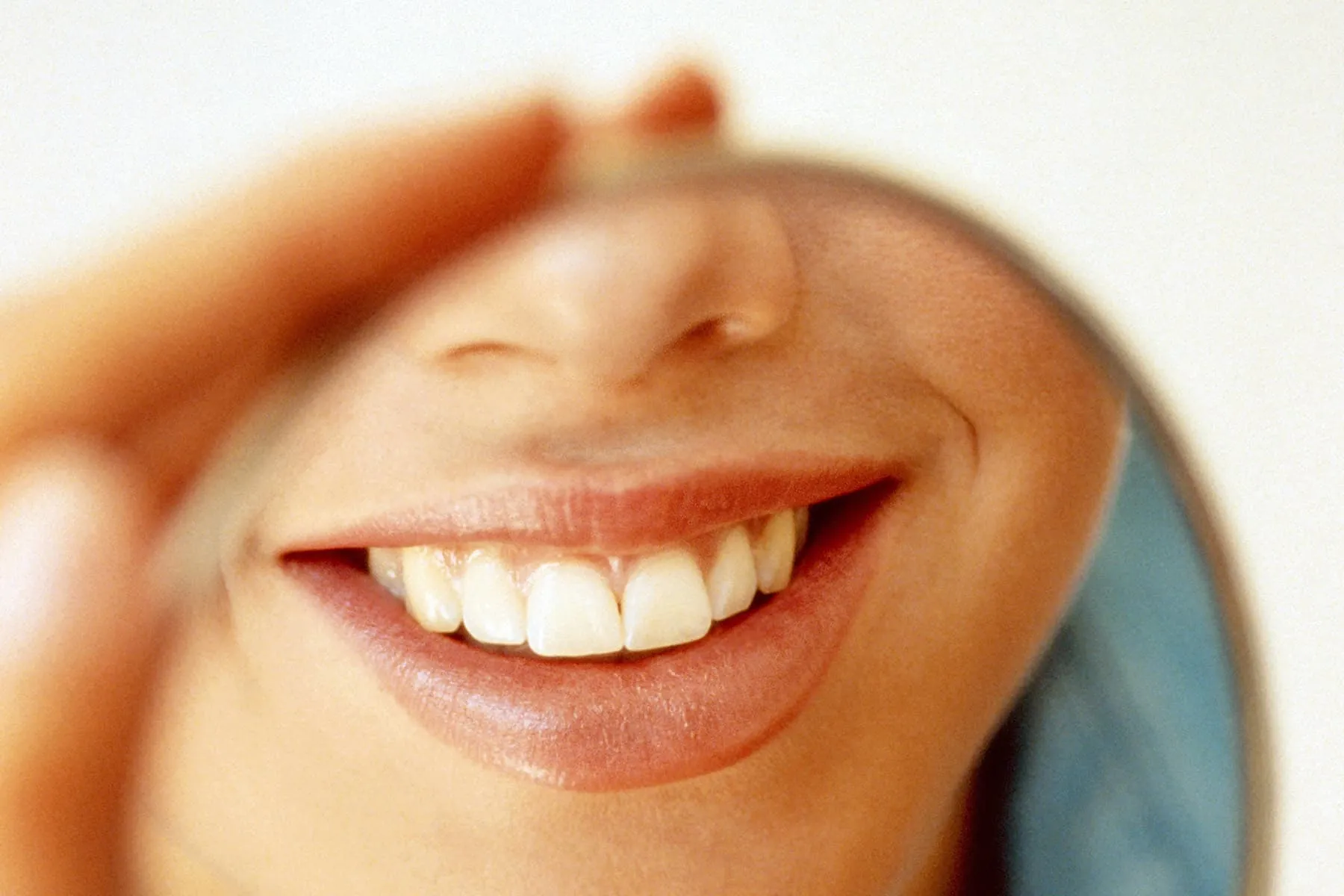
A beautiful mouth is not created by one heroic swipe of whitening gel or a lip gloss that tingles like it has a personal grudge. It comes from a collection of small, sensible habits: protecting the lips, keeping teeth and gums clean, choosing cosmetic products carefully, and knowing when a beauty concern may actually need professional attention.
The good news is that healthy mouth care does not have to become a second job. With a practical routine, you can soothe chapped lips, brighten stained teeth, explore lip-plumping options, and still have time to do something more exciting than reading toothpaste labels.
Healthy Comes Before Pretty
Cosmetic treatments work best when the mouth underneath them is healthy. Whitening cannot repair tooth decay. Lip filler cannot fix chronically inflamed skin. A glossy smile may look camera-ready, but bleeding gums, persistent dryness, mouth sores, and dental pain deserve attention before the beauty upgrades begin.
The basic foundation remains wonderfully unglamorous: brush twice daily with fluoride toothpaste, clean between the teeth regularly, limit frequent sugary snacks and drinks, avoid tobacco, and receive routine dental care. Plaque is a sticky film of bacteria that contributes to cavities and gum disease, so removing it consistently matters more than owning twelve varieties of mouthwash.
Do Not Ignore Saliva
Saliva helps wash away food particles, control acids, support swallowing, and protect oral tissues. When the mouth becomes persistently dry, the risk of tooth decay, irritation, bad breath, and difficulty eating may increase.
Dry mouth can be related to dehydration, mouth breathing, health conditions, or medications such as certain antihistamines, decongestants, antidepressants, and pain medicines. Sipping water, chewing sugar-free gum, using a humidifier, and avoiding tobacco or alcohol-containing mouthwash may help. Persistent dryness should be discussed with a dentist or healthcare professional rather than treated as an annoying personality trait of your mouth.
Chapped Lips: How to Stop the Peel, Pick, Repeat Cycle
Lips have a thinner protective surface than much of the surrounding skin, which helps explain why they can become dry, flaky, cracked, or painfully dramatic. Cold weather gets much of the blame, but chapped lips can appear in any season.
Common Causes of Chapped Lips
Wind, sun exposure, dry indoor air, dehydration, mouth breathing, frequent lip licking, irritating cosmetics, and certain medications can all contribute. Lip licking feels helpful for approximately three seconds. As saliva evaporates, however, the lips can feel even drier, encouraging another lick and creating a frustrating cycle.
Some lip balms also contain ingredients that feel cooling or stimulating but irritate already damaged lips. Potential troublemakers include menthol, camphor, eucalyptus, strong fragrance, cinnamon flavoring, citrus flavoring, and salicylic acid. Burning or stinging is not proof that a product is “working.” It may simply be your lips submitting a formal complaint.
A Simple Chapped-Lip Recovery Plan
- Stop licking, biting, and peeling. Picking loose skin can create deeper cracks, bleeding, and more inflammation.
- Apply a bland ointment frequently. White petroleum jelly or another fragrance-free, non-irritating ointment can reduce water loss. Thick ointments generally seal in moisture longer than lightweight waxes or oils.
- Reapply before bed. A generous nighttime layer gives the lips several hours without food, drinks, talking, or absent-minded chewing.
- Protect against sunlight. Use a lip balm with broad-spectrum SPF 30 or higher outdoors, including during winter and on cloudy days.
- Reduce environmental dryness. A bedroom humidifier may help when heating or air conditioning leaves the air desert-like.
- Change one product at a time. Temporarily pause fragranced balms, plumping glosses, matte lip colors, and flavored products until the skin settles.
Dermatologists recommend using a non-irritating balm several times a day and before bed, with petroleum jelly as an option for severely dry or cracked lips. Sun protection is also important because the lips can sustain ultraviolet damage.
When “Chapped Lips” May Be Something Else
Seek professional care when dryness lasts for weeks despite gentle treatment, affects mainly one spot, repeatedly cracks at the corners, forms blisters, produces swelling, or comes with a rash around the mouth. Causes may include allergic contact dermatitis, infection, angular cheilitis, eczema, nutritional problems, medication effects, or another skin condition.
A persistent rough, white, scaly, or nonhealing patchparticularly on the lower lipalso deserves a dermatologist’s evaluation. Long-term sun damage can cause actinic cheilitis, a potentially precancerous condition that may resemble stubborn chapping.
Teeth Whitening Without Declaring War on Your Enamel
Natural teeth are not printer-paper white. Their appearance is influenced by enamel thickness, the color of the underlying dentin, age, genetics, diet, tobacco use, oral hygiene, medications, and previous dental treatment. A believable whitening goal is usually a cleaner, brighter version of your natural shadenot a glow visible from low Earth orbit.
Surface Stains Versus Deeper Discoloration
Surface stains often come from coffee, tea, red wine, tobacco, dark sauces, and richly colored foods. Professional cleaning and stain-removing toothpaste may improve these marks. Deeper discoloration can develop inside the tooth because of aging, injury, medication exposure, or developmental factors. It may respond differently to bleaching and sometimes requires cosmetic dental alternatives.
Whitening Toothpaste
Whitening toothpaste primarily removes surface stains with polishing agents and, in some products, other whitening ingredients. It is a reasonable starting point for mild staining, but it cannot deliver the same shade change as peroxide-based bleaching.
Choose a fluoride toothpaste from a reputable manufacturer and consider products carrying the American Dental Association Seal of Acceptance. Avoid scrubbing aggressively; extra pressure does not make whitening faster and may irritate the gums or contribute to tooth wear.
Whitening Strips and At-Home Trays
Many over-the-counter whitening products use hydrogen peroxide or carbamide peroxide. When used according to directions, they can gradually lighten natural teeth. Strips are convenient, while dentist-provided trays may offer a more customized fit and better control around the gumline.
More is not necessarily more. Leaving products on longer, stacking multiple systems, or repeating treatments too frequently can increase sensitivity and gum irritation. Temporary tooth sensitivity and inflammation of the gums are among the most common adverse effects of vital tooth whitening.
Professional Teeth Whitening
In-office whitening typically uses stronger bleaching agents under dental supervision. The dentist can protect soft tissues, assess existing restorations, manage sensitivity, and determine whether discoloration is likely to respond.
This is especially valuable when you have sensitive teeth, gum recession, fillings, crowns, veneers, uneven discoloration, previous dental injuries, or a major event approaching. Your dentist can also set realistic expectations: bleaching changes natural tooth structure but does not reliably change the shade of crowns, bonding, veneers, or tooth-colored fillings. Existing restorations may look mismatched after whitening and could eventually need replacement for cosmetic uniformity.
Who Should Talk to a Dentist Before Whitening?
Get professional guidance before bleaching if you have untreated cavities, cracked teeth, exposed roots, significant sensitivity, gum disease, dental pain, extensive restorations, or unexplained darkening of one tooth. Whitening over an untreated problem is rather like repainting a wall while water is still pouring through the ceiling.
Popular DIY Whitening Tricks That Deserve Suspicion
Social media has introduced teeth to charcoal powder, lemon juice, apple cider vinegar, abrasive salt mixtures, concentrated peroxide, and enough experimental paste to qualify the average bathroom as a small laboratory.
Acidic ingredients can weaken enamel, while rough scrubs may wear its surface. As enamel becomes thinner, the yellower dentin underneath may show more clearlythe exact opposite of the intended result. The ADA notes that there is no reliable evidence that oil pulling or turmeric whitens teeth and warns that prolonged contact with acidic fruit or vinegar can damage enamel. Charcoal products have not been proven safe and effective for whitening simply because their packaging looks fashionable.
Do not use household cleaning peroxide, bleach, or unidentified online chemicals in the mouth. Choose products made specifically for dental use and follow their instructions exactly.
How to Keep Teeth Brighter After Whitening
- Brush twice daily and clean between the teeth once a day.
- Rinse with water after coffee, tea, wine, or strongly colored foods.
- Avoid sipping staining beverages for hours at a time.
- Use a straw when appropriate, without treating it as a magical force field.
- Do not smoke or use tobacco.
- Schedule professional cleanings as recommended.
- Use occasional whitening touch-ups only as directed.
Lip Plumpers: From Tingly Gloss to Injectable Filler
The phrase “lip plumper” covers products and procedures with very different effects. A gloss may create temporary fullness for an evening. Injectable filler can change volume and shape for months. Confusing the two is like confusing a push-up bra with surgery: related goal, very different commitment.
Topical Lip-Plumping Products
Many plumping glosses create temporary swelling by using ingredients that stimulate or mildly irritate the lips. Common sensations include tingling, warmth, cooling, or stinging. Some formulas also contain humectants or glossy ingredients that make the lip surface look smoother and fuller by reflecting light.
The result is usually subtle and short-lived. Apply the product to intact, healthy skin, follow the label, and perform a small patch test when possible. Stop using it if you experience strong burning, prolonged redness, hives, blisters, or swelling beyond the lips.
Never apply an irritating plumper to cracked, sunburned, peeling, or recently exfoliated lips. That “extra tingle” may be product entering damaged skin, not bonus volume. People with sensitive skin, recurrent cold sores, eczema, or known fragrance and flavor allergies may be more likely to react.
Makeup Tricks for Fuller-Looking Lips
A fuller appearance does not always require irritation. Try a hydrating balm, a liner close to the natural lip color, careful definition just along the vermilion border, and a small amount of gloss at the center of the lips. Avoid drawing a new mouth several zip codes beyond the real one; subtle placement generally looks more convincing.
Gentle hydration can also make fine lines less noticeable. Smooth lips reflect light more evenly, which creates a naturally plumper appearance without demanding that cinnamon oil fight your face.
Injectable Lip Fillers
Injectable fillers are medical procedures, not deluxe lip-gloss appointments. Hyaluronic acid fillers are commonly used to add volume, improve symmetry, shape the lip border, or soften vertical lip lines. Results are temporary, and the duration varies with the product, amount injected, metabolism, and treatment plan.
Common effects include swelling, bruising, tenderness, redness, itching, and temporary unevenness. Less common complications include infection, lumps, delayed inflammatory reactions, tissue injury, scarring, and vascular occlusion. Accidental injection into a blood vessel can cause tissue death and, in rare cases, vision problems or stroke-like complications.
How to Choose a Lip-Filler Provider
Choose a licensed, appropriately trained medical professional who regularly performs facial injections and understands facial anatomy. A board-certified dermatologist, plastic surgeon, or other qualified injector should evaluate your health history, medications, allergies, previous cosmetic procedures, dental plans, and tendency to develop cold sores.
Ask which exact product will be used, whether it is FDA-approved for the intended area, how complications are handled, and what aftercare is required. Avoid private homes, parties, hotel rooms, salons, needle-free filler pens, and suspicious bargains. Your lips are attached to your face; this is not the ideal category for mystery merchandise.
Red Flags After Filler
Mild swelling and bruising can be expected, but contact the treating professional promptly if symptoms are severe or worsening. Urgent evaluation is important for intense pain, pale or mottled skin, dusky discoloration, unusual coolness, rapidly increasing swelling, fever, spreading redness, drainage, vision changes, weakness, facial drooping, or difficulty speaking.
A Practical Healthy-Mouth Routine
Morning
- Brush gently for two minutes with fluoride toothpaste.
- Clean the tongue without aggressive scraping.
- Apply a bland moisturizing lip balm.
- Add SPF 30 or higher lip protection before outdoor exposure.
- Use cosmetic plumpers only when the lips are healthy and comfortable.
During the Day
- Drink water regularly.
- Rinse with water after staining drinks or acidic foods.
- Reapply lip balm after meals and outdoor activity.
- Avoid chewing, licking, or peeling dry lips.
- Use sugar-free gum when appropriate to encourage saliva.
Evening
- Brush thoroughly without pressing hard.
- Clean between the teeth with floss or another suitable interdental tool.
- Use whitening products only on scheduled treatment days.
- Apply a thick layer of non-irritating lip ointment before sleep.
- Clean reusable whitening trays or cosmetic tools as directed.
Real-World Experiences: What Trial and Error Usually Teaches
One of the most common mouth-care experiences begins with a person buying a minty lip balm because the cooling sensation feels fresh. The lips sting slightly, so the product seems powerful. An hour later, they feel dry again. More balm is applied, followed by more licking, more flaking, and eventually a small collection of half-used tubes in every coat pocket. The breakthrough often comes from switching to a plain ointment with no fragrance or flavor. It is not glamorous, but within several days the lips usually feel calmer because the cycle of irritation has finally been interrupted.
Another familiar experience is the pre-event whitening panic. A wedding, graduation, interview, or reunion appears on the calendar, and suddenly a year of coffee seems visible in every mirror. The temptation is to use whitening strips twice as often as directed. People who try this may discover that brighter teeth are less exciting when cold water feels like it has been electrified. A slower schedule, sensitivity-focused toothpaste, and a conversation with a dentist often produce a better balance between color improvement and comfort.
Whitening also teaches an important lesson about expectations. A person may achieve a clear improvement and still wonder why the smile does not match a digitally edited advertisement. Real teeth have texture, translucency, and natural color variation. Once the goal changes from “impossibly white” to “clean, healthy, and noticeably brighter,” the result usually feels more satisfying. Professional cleaning can also make a surprising difference when surface stain and hardened deposits are contributing to dullness.
Topical lip plumpers create their own learning curve. The first application may feel exciting: tingling, shine, and a slightly fuller appearance. The third application on already dry lips may feel less like beauty and more like eating hot sauce during a windstorm. Many users eventually reserve these products for occasional use, apply a gentle moisturizer first, and skip them entirely when the lips are cracked.
Injectable filler experiences vary more widely. Some people seek dramatic volume but discover during consultation that better symmetry, border definition, or restoration of age-related volume would suit their features more naturally. Others learn that the first few swollen days are not the final result. The lips may initially appear uneven or larger than expected before swelling subsides. Clear aftercare instructions and access to the injector are especially reassuring during this period.
A final recurring experience is realizing that mouth beauty is connected. Dry mouth can worsen lip discomfort and increase dental risk. Aggressive whitening can make brushing unpleasant. Lip products can irritate the skin around the mouth. Dental work may need to be coordinated with filler appointments. The best outcomes tend to come from treating the mouth as one system rather than three unrelated projects named lips, teeth, and Instagram.
Conclusion: Keep the Routine Gentle, Consistent, and Realistic
The most reliable secrets to a healthy, pretty mouth are not really secrets. Protect the lips from dryness and sun, clean the teeth and gums consistently, use evidence-based whitening products, and treat injectable lip enhancement as a medical decision.
Healthy lips should feel comfortable before they are plumped. Teeth should be examined when pain, decay, or unexplained discoloration is present before they are bleached. Cosmetic procedures should enhance your features without gambling with your health.
Most importantly, do not confuse discomfort with effectiveness. A product that burns, a whitening schedule that causes significant sensitivity, or a procedure performed by an unqualified provider is not more powerfulit is simply riskier. A pretty mouth should still be able to smile, speak, sip ice water, and enjoy dinner without filing a complaint.