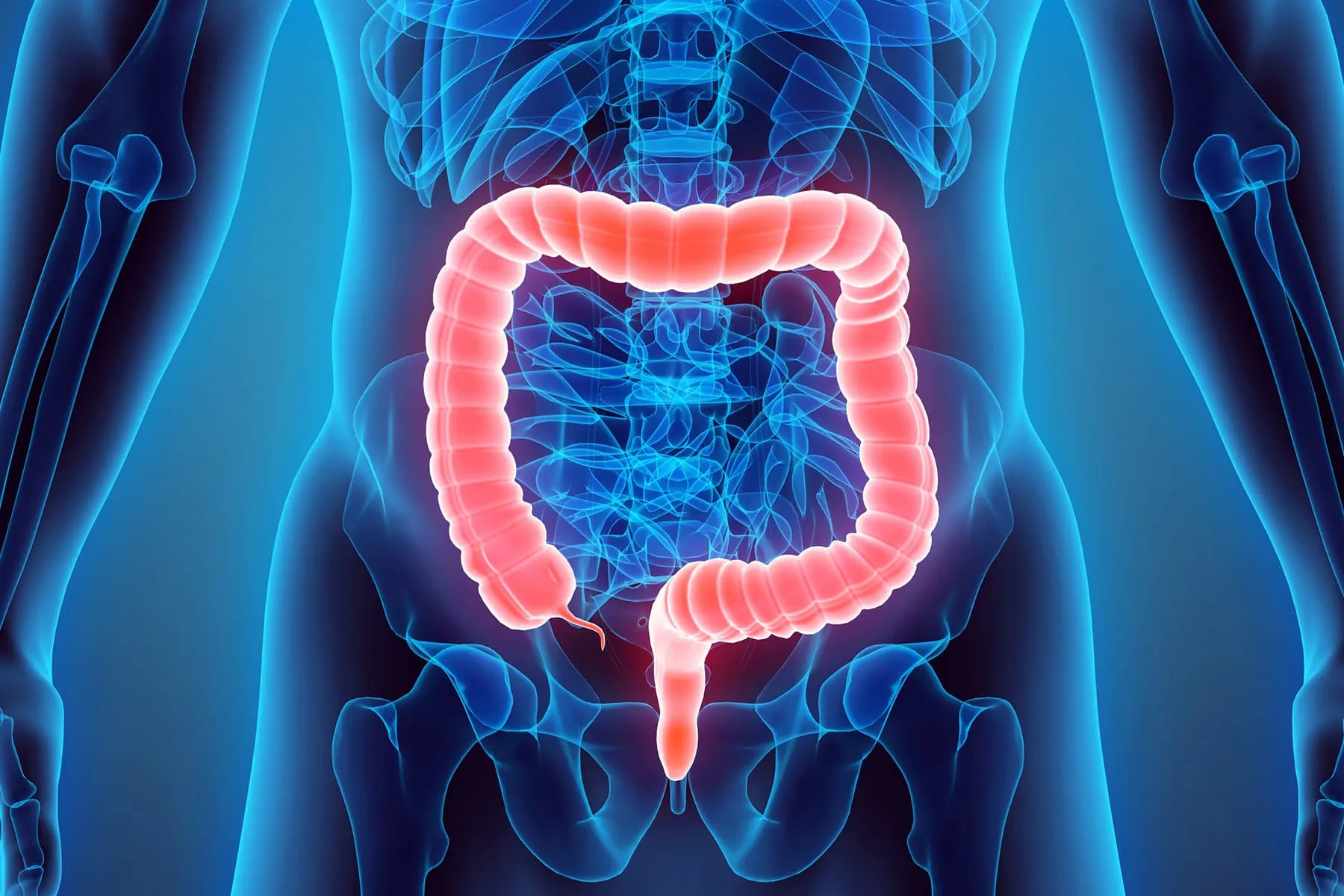
Preparing for a colonoscopy may not be anyone’s idea of a dream weekend, but it is one of the most important things you can do for your digestive health. Think of it as giving your colon a one-day spa cleanseminus the cucumbers on your eyes and plus a very committed relationship with your bathroom.
A colonoscopy lets a doctor look inside the rectum and colon using a thin, flexible tube with a camera. It can help find causes of bleeding, bowel changes, anemia, abdominal pain, inflammation, andmost importantlycolorectal polyps that may become cancer over time. The exam itself is usually quick. The preparation is the part people talk about, mostly because the preparation talks back.
The good news? Colonoscopy prep is manageable when you know what to expect. A clean colon helps your doctor see clearly, spot small polyps, and avoid repeating the procedure. This guide explains how to prepare for a colonoscopy step by step, what to eat, what to avoid, how bowel prep works, and how to make the whole experience less dramatic than your search history may suggest.
Why Colonoscopy Preparation Matters
The purpose of colonoscopy prep is simple: empty the colon. If stool remains in the colon, it can hide small polyps or flat lesions. Poor bowel preparation may mean the doctor cannot complete the exam, or you may need to repeat the colonoscopy sooner than expected. Nobody wants a sequel titled “Prep Harder 2.”
A good bowel cleanse improves visibility, reduces the chance of missed findings, and helps the procedure move smoothly. Your healthcare team will give you specific instructions based on your health, medications, appointment time, and the bowel prep product prescribed. Follow those instructions exactly, even if they differ slightly from general advice online.
When Should You Start Preparing?
Colonoscopy preparation usually begins several days before the procedure. The exact schedule depends on your doctor’s protocol, but most people follow a pattern like this:
Seven Days Before
Confirm your appointment, read your instructions, and pick up your bowel prep from the pharmacy. Do not wait until the night before. That is not bravery; that is a logistical thriller.
This is also the time to tell your healthcare team about your medications, supplements, allergies, kidney disease, heart disease, diabetes, constipation, pregnancy, past poor bowel prep, or use of GLP-1 medications for diabetes or weight loss. Some medicines may need special timing or temporary adjustment, but never stop a prescription medication unless your doctor tells you to.
Three to Five Days Before
Many instructions recommend switching to a low-fiber or low-residue diet a few days before the colonoscopy. Fiber is wonderful for everyday digestive health, but before a colonoscopy it can leave residue behind. During this period, you may be asked to avoid nuts, seeds, corn, popcorn, raw vegetables, fruit skins, beans, lentils, whole grains, and high-fiber cereals.
Low-fiber options may include white rice, plain pasta, white bread, eggs, chicken, fish, yogurt, cheese, potatoes without skin, applesauce, and tender cooked vegetables without seeds or skins. Keep meals simple. Your colon does not need a culinary festival right before inspection day.
One Day Before
This is the classic clear-liquid day for many patients. Some newer protocols allow low-fiber foods earlier in the day, but many offices still require clear liquids only. Follow your instructions.
Clear liquids usually include water, clear broth, apple juice, white grape juice, lemon-lime soda, ginger ale, sports drinks, black coffee, plain tea, gelatin, and ice pops without restricted dyes. Avoid milk, cream, alcohol, smoothies, juices with pulp, and anything red, purple, or sometimes blue or orange, depending on your instructions. Colored liquids can look like blood or stain the colon lining, which is not the plot twist your doctor needs.
What Is Bowel Prep?
Bowel prep is the laxative process that clears stool from the colon. Your doctor may prescribe a liquid solution, powder mixed with clear liquid, tablets, or a combination of products. Common types include polyethylene glycol solutions, sulfate-based solutions, sodium picosulfate products, or over-the-counter regimens using polyethylene glycol powder and other laxatives.
Some preps involve a large volume of liquid. Others are lower volume but require extra clear fluids. Tablets may sound easier, but they still require plenty of water and careful timing. The “best” prep is the one your doctor chooses based on safety, your medical history, and your ability to complete it.
Split-Dose Prep: The Modern Favorite
Many colonoscopy instructions now use split-dose bowel prep. That means you take part of the bowel preparation the evening before the procedure and the rest several hours before the colonoscopy. This approach often cleans the colon better than taking everything the night before.
A typical split-dose plan may look like this: drink the first dose in the evening, stay near the bathroom, sleep when things settle down, then take the second dose early in the morning. The second dose may begin four to eight hours before the procedure, depending on your appointment time, and must usually be finished at least two hours before the procedure. Your clinic’s timing rules matter, especially because sedation requires an empty stomach.
How to Make Colonoscopy Prep Easier
Colonoscopy prep has a reputation, but a few smart tricks can make it much more tolerable.
Chill the Prep
Many liquid preps taste better cold. Refrigerate the solution if your instructions allow it. Do not add flavors unless your doctor or pharmacy says it is safe.
Use a Straw
Drinking through a straw may help the solution bypass some taste buds. Your taste buds have served you well; they deserve a short vacation.
Alternate With Approved Clear Liquids
If your instructions allow it, chase the prep with clear liquids such as water, apple juice, electrolyte drinks, broth, or tea. Hydration helps the prep work and may reduce headaches, dizziness, and that hollow “I miss sandwiches” feeling.
Protect Your Skin
Frequent bathroom trips can irritate the skin. Use soft toilet paper, fragrance-free wipes if allowed by your plumbing situation, and a barrier ointment such as petroleum jelly or zinc oxide. Apply before the action starts, not after your backside has filed a complaint.
Wear Comfortable Clothing
Choose loose pants, pajamas, or anything easy to remove quickly. This is not the evening for complicated buttons, jumpsuits, or fashion choices that require architectural planning.
What Should Your Stool Look Like?
By the end of bowel prep, your bowel movements should become watery and pale yellow or clear. Some flecks may remain, but the goal is liquid that is no longer brown or cloudy. If you are still passing solid stool or dark liquid after finishing the prep, contact your healthcare team if their instructions tell you to do so. They may give specific advice based on your appointment time.
Medication and Health Conditions: Call Before You Guess
Medication instructions are one of the most important parts of colonoscopy preparation. Blood thinners, diabetes medications, iron supplements, anti-inflammatory medicines, seizure medications, heart medicines, and GLP-1 medicines may require special planning. People with kidney disease, heart failure, severe constipation, inflammatory bowel disease, or prior poor prep may also need modified instructions.
Do not stop blood thinners, insulin, heart medication, or other prescriptions on your own. A colonoscopy is important, but so is not improvising with your medication schedule like you are hosting a medical jazz concert.
The Day of the Colonoscopy
On procedure day, follow the final drinking cutoff exactly. Most clinics require you to stop all liquids a certain number of hours before arrival or before the procedure. You may be allowed small sips of water with approved medications, but only if your instructions say so.
Wear comfortable clothes and leave valuables at home. Bring your ID, insurance card, medication list, and any paperwork requested by the clinic. Because sedation is commonly used, you will need a responsible adult to drive you home. Ride-share, taxi, or public transportation alone may not be accepted by many endoscopy centers after sedation.
What Happens After the Procedure?
After the colonoscopy, you will rest in a recovery area until the sedation wears off. You may feel bloated or pass gas because air or carbon dioxide is used during the exam to open the colon. This is normal. In fact, the recovery room may briefly become a place where manners and physics negotiate a peace treaty.
Your doctor may discuss initial findings, such as whether polyps were removed. If tissue samples were taken, biopsy results may take several days. Follow all discharge instructions, especially about driving, alcohol, work, exercise, and restarting medications.
When to Call a Doctor After Colonoscopy
Most people recover without problems, but call your healthcare provider or seek urgent care if you develop severe abdominal pain, persistent vomiting, fever, chills, dizziness, heavy rectal bleeding, black stools, chest pain, or trouble breathing. A small amount of blood may occur after polyp removal, but heavy bleeding is not something to “wait and see” through.
Common Colonoscopy Prep Mistakes to Avoid
Eating the Wrong Foods Too Close to the Exam
Seeds, nuts, popcorn, raw vegetables, and high-fiber foods can linger in the colon. Even tiny seeds can look like confetti at a party nobody invited them to.
Not Drinking Enough Clear Fluids
Bowel prep causes diarrhea on purpose, so hydration matters. Clear fluids help prevent dehydration and support the cleansing process.
Taking the Prep at the Wrong Time
Timing is not a suggestion. Taking prep too early or too late can affect how clean the colon is and whether sedation is safe.
Ignoring Medication Instructions
Medication mistakes can create safety risks. Ask questions early, especially if you take blood thinners, diabetes medications, or weight-loss injections.
Forgetting the Driver
If sedation is used, you cannot drive yourself home. Arrange transportation before the prep begins, because negotiating rides while sprinting to the bathroom is not ideal.
Sample Colonoscopy Prep Timeline
Five Days Before
Read your instructions. Pick up your bowel prep. Ask questions about medications. Begin avoiding seeds, nuts, and high-fiber foods if instructed.
Three Days Before
Eat low-fiber meals. Keep hydration steady. Avoid foods that leave residue, such as popcorn, corn, beans, and raw vegetables.
One Day Before
Follow the clear-liquid diet or approved low-fiber plan. Start the first dose of bowel prep at the assigned time. Stay near a bathroom. Keep your phone charged, your wipes ready, and your sense of humor nearby.
Procedure Morning
Take the second dose if instructed. Stop drinking at the required cutoff time. Arrive with your driver and paperwork.
Experience Section: What Colonoscopy Prep Really Feels Like
Many people feel nervous before their first colonoscopy because they have heard dramatic stories about the prep. In real life, the experience is usually less scary and more inconvenient. The hardest part is not pain; it is planning. Once the prep begins, your evening becomes simple: drink, wait, visit the bathroom, repeat. It is not glamorous, but it is temporary.
One common experience is surprise at how quickly the bowel prep works. Some people start having bowel movements within an hour, while others take longer. That waiting period can feel suspiciously quiet, like the opening scene of a disaster movie. Then things begin. This is why staying home, wearing comfortable clothes, and keeping the path to the bathroom clear are practical decisions, not overreactions.
Another common experience is taste fatigue. Even if the prep is flavored, drinking a large amount of solution can become boring or unpleasant. Chilling the prep, using a straw, and taking short breaks as allowed can help. Some people find it useful to set a timer and drink a set amount every 10 or 15 minutes. Turning it into a schedule makes it feel less like punishment and more like a strange but achievable hydration challenge.
Hunger is also normal, especially on the clear-liquid day. Broth can feel surprisingly comforting because it is warm and savory. Gelatin and ice pops can help with the feeling of eating something, even though your brain knows this is not exactly a cheeseburger. Clear electrolyte drinks may help you feel steadier, especially if you are making frequent bathroom trips.
Emotionally, many people report that the anticipation is worse than the procedure. The prep is active and memorable; the colonoscopy itself is often brief and, with sedation, not something patients remember clearly. Afterward, people often feel reliefrelief that it is done, relief that screening was completed, and sometimes relief that they finally get toast.
A practical lesson from patient experiences is to prepare your environment before starting. Put wipes, ointment, reading material, a phone charger, clear drinks, and a clean towel within reach. Make the bathroom comfortable. Avoid scheduling work calls, errands, or social plans. This is a private health task, not a multitasking opportunity.
People who have done multiple colonoscopies often say the same thing: follow the instructions closely and do not negotiate with the prep. If it says avoid red liquids, avoid them. If it says finish the second dose by a certain time, do it. If it says arrange a driver, arrange one. The smoother your preparation, the better your chance of a complete, useful exam.
Most importantly, colonoscopy prep is an investment. It may feel annoying for a day, but it helps your doctor find and remove polyps before they become dangerous. That is a very good trade: one awkward evening for information that can protect your future health. Your colon may not send a thank-you card, but honestly, it should.
Conclusion
Colonoscopy preparation is not the most glamorous assignment your digestive system will ever receive, but it is one of the most valuable. The key steps are straightforward: read your instructions early, adjust your diet as directed, take the bowel prep on schedule, stay hydrated, protect your skin, and arrange a safe ride home. A clean colon helps your doctor perform a better exam, detect problems earlier, and remove polyps when needed.
If you have questions about medications, diabetes, blood thinners, kidney disease, heart disease, constipation, GLP-1 drugs, or previous prep problems, contact your healthcare team before prep day. Your best colonoscopy preparation plan is the one designed for your body, your procedure time, and your medical history.


