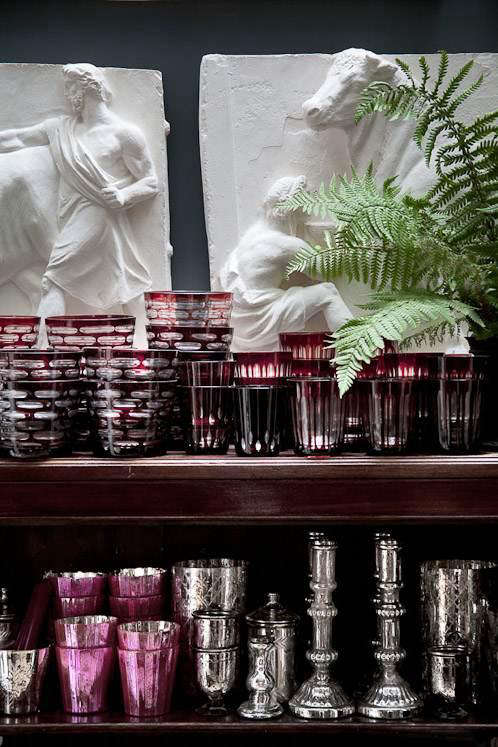
A Ruby Red ‘Oblong’ Cut Glass Vase has a way of entering a room before the flowers do. It catches light, throws little sparks across the table, and politely reminds every beige object nearby that life is short and color is allowed. Whether you found one at an estate sale, inherited it from a relative with excellent taste, or spotted it online while “just browsing” at midnight, this kind of vase deserves more than a quick dusting and a shrug.
Ruby red glass has a long decorative history, from Victorian cranberry glass and Bohemian gold-ruby glass to modern crystal vases with ruby bands and clear-cut fan patterns. The oblong shape adds another layer of charm. It is not a standard round vase, not quite a bud vase, and not a dramatic urn. It sits somewhere in the elegant middle: slim, useful, sculptural, and surprisingly versatile.
This guide explains what makes a ruby red oblong cut glass vase special, how to identify common features, how to style it at home, what affects value, and how to care for it without treating it like a museum artifact wrapped in bubble wrap and fear.
What Is a Ruby Red ‘Oblong’ Cut Glass Vase?
A ruby red oblong cut glass vase is typically a decorative glass or crystal vessel with a rich red color and an elongated oval, rectangular, or softly stretched shape. “Oblong” usually refers to the silhouette: longer in one direction than the other, often with a narrow profile that works well on mantels, consoles, dining tables, and shelves.
The “cut glass” part refers to decoration created by cutting, grinding, or polishing the glass surface. In many ruby red vases, especially cut-to-clear examples, the red layer is cut away in patterns so the clear glass underneath appears. This can create stars, fans, diamonds, vertical panels, leaves, vines, crosshatching, or geometric windows. When light passes through the piece, the contrast between ruby and clear glass can be dramatic.
Some pieces are true ruby glass, meaning the red color runs through the glass itself. Others are ruby flashed, ruby stained, or ruby cased. A flashed or cased piece may have a red outer layer over clear glass. A stained piece may have color applied to the surface. These differences matter for identification, durability, and collector value.
Why Ruby Red Glass Feels So Luxurious
Ruby red glass has always carried a little theatrical flair. Historically, deep red and cranberry tones were difficult to produce consistently. Traditional cranberry and gold-ruby glass often involved gold compounds, which made production more expensive and technically demanding. Later glassmakers used different formulas and techniques, but the visual effect remained the same: glowing red glass that feels warm, festive, and a little mysterious.
That is why ruby red glass appears in so many collectible categories: Victorian vases, Bohemian cut-to-clear crystal, American ruby-flashed souvenirs, mid-century art glass, and modern crystal patterns. It works in antique interiors, holiday tablescapes, romantic bedrooms, maximalist shelves, and minimalist rooms that need one confident accent.
Ruby Red vs. Cranberry Glass
The terms “ruby glass” and “cranberry glass” are sometimes used loosely, but they are not always identical. Cranberry glass often appears pinkish-red, rose, or wine-colored, while ruby glass may be deeper and stronger in tone. English Victorian ruby glass can look softer and almost pink compared with darker Bohemian ruby pieces. Collectors should judge each vase by its actual color, construction, age, and decoration rather than by the label alone.
Ruby Flashed, Ruby Stained, and Cut-to-Clear
A ruby-flashed vase usually has a thin red layer over clear glass. When decoration is cut through that red layer, the clear glass beneath creates the pattern. Ruby-stained glass has color applied more like a surface treatment. True ruby glass stays red through chips, edges, and cuts. If a scratch or worn area reveals clear glass beneath, the piece is likely flashed, stained, or cased rather than solid ruby throughout.
This does not automatically make the vase less attractive. Plenty of ruby-flashed and cut-to-clear pieces are beautiful, collectible, and desirable. It simply means buyers should know what they are looking at before paying antique-shop “rare treasure” prices for a vase that might be more of a charming vintage cousin.
The Beauty of the Oblong Shape
The oblong shape is one of the vase’s most practical strengths. Round vases are classic, but they can take up more visual space. Tall cylinder vases are useful, but sometimes they look like they are waiting for hotel lobby flowers. An oblong ruby red cut glass vase brings a slimmer footprint and a wider presentation surface, making it perfect for arrangements that spread slightly from side to side.
On a dining table, an oblong vase can hold flowers without blocking conversation. On a mantel, it creates a horizontal focal point. On a bookshelf, it slips between books and framed photos without demanding the whole shelf. In an entryway, it says, “Welcome, I own at least one object with personality.” That is a strong first impression.
Common Design Features
Ruby red oblong cut glass vases may include several recognizable design details:
- Clear cut fans: Fan-shaped cuts that open through a red band or red body.
- Starburst motifs: Radiating cuts that sparkle under direct light.
- Vertical panels: Long clear sections that emphasize height and shape.
- Diamond cuts: Traditional geometric cuts associated with brilliant glass designs.
- Polished rims: Smooth, finished edges that suggest better craftsmanship.
- Weighted bases: Thick glass or crystal bottoms that help stabilize tall arrangements.
Antique, Vintage, or Modern: How to Read the Clues
One of the first questions people ask is whether a ruby red oblong cut glass vase is antique, vintage, or modern. The answer depends on evidence, not vibes, although vibes are admittedly fun. Start by looking at construction, wear, markings, and pattern.
An antique vase may show hand-finishing, age-related base wear, slight irregularities, and design details associated with Victorian, Bohemian, or American brilliant cut glass traditions. A vintage vase from the mid-20th century may have cleaner production, brighter color, and more standardized form. A modern crystal vase may be part of a known discontinued pattern, such as a ruby-banded crystal design with clear fan cuts and a clear base.
Some modern and late vintage examples, including ruby crystal patterns by well-known tableware brands, are collectible in their own right. For example, certain ruby crystal patterns feature clear cut fans in a red band with a clear base, a style that fits beautifully into the broader appeal of ruby cut glass vases. These pieces may not be Victorian antiques, but they offer practical beauty, strong color, and easier replacement options.
Check for Marks and Labels
Turn the vase over carefully and inspect the base. Look for an etched signature, molded mark, paper label, acid stamp, pattern number, or brand name. Some collectible glass has no mark at all, especially older handmade pieces. However, a mark can help connect the vase to a maker, pattern, country, or production period.
Use a bright light and magnifying glass. Marks can be faint, especially on clear bases. Do not scrub a paper label. Collectors value original labels, even when they look like they lost a wrestling match with time.
Look at the Cuts
Cut glass usually feels crisp. The edges of the cut design may feel sharper and more defined than pressed glass, which tends to have smoother, rounded design edges from the mold. A cut pattern also reflects light differently because the surfaces were ground and polished. If the vase has molded seams, soft detail, and repeated decoration that looks pressed rather than cut, it may be molded glass rather than hand-cut crystal.
Inspect the Color Layer
On cut-to-clear ruby glass, the red layer should give way to clear glass where the design is cut. This is intentional. However, random scratches, chips, and worn high spots can reveal whether the color is only a surface layer. True ruby glass remains red through the material; flashed or stained glass may reveal clear glass underneath.
How to Decorate With a Ruby Red Oblong Cut Glass Vase
The easiest way to style a ruby red oblong cut glass vase is to let it be the star. This is not a shy vase. It does not want to disappear behind plastic greenery or sit in a dark corner like it owes someone money.
Best Flower Choices
White flowers are the classic choice. Roses, tulips, ranunculus, lilies, hydrangeas, and carnations all look crisp against ruby glass. Cream flowers feel softer and more vintage. Pink flowers create a romantic tonal look. Deep red flowers can be dramatic, but use greenery or white filler to prevent the arrangement from becoming one giant red blur.
For a modern look, try a few sculptural stems: calla lilies, orchids, branches, eucalyptus, or dried grasses. The oblong shape works especially well when stems lean slightly outward, creating width without needing a huge bouquet.
Holiday Styling
Ruby red glass is a natural fit for Christmas, Valentine’s Day, Thanksgiving, and winter decorating. Add evergreen sprigs and white berries for the holidays. Use blush roses for Valentine’s Day. Pair it with amber glass and brass candlesticks for fall. In summer, fill it with white daisies or garden roses and let the red glass do the heavy lifting.
Everyday Styling
You do not need an occasion. Place the vase on a stack of coffee-table books, on a bedroom dresser, or beside a framed black-and-white photo. The red color adds warmth to neutral rooms and richness to dark wood furniture. Against a white wall, it becomes an instant focal point. Against navy, charcoal, or forest green, it looks expensive even if you found it for less than dinner and a movie.
What Affects Value?
The value of a ruby red oblong cut glass vase depends on maker, age, condition, rarity, craftsmanship, size, color quality, and market demand. A signed Bohemian or Moser-style piece with fine engraving, gilding, or enamel decoration may command far more than an unmarked modern vase. A discontinued crystal pattern in excellent condition may still be desirable, especially if replacements are limited.
Condition is crucial. Chips on the rim, cracks, cloudy interiors, scratched ruby surfaces, damaged gilding, and poorly repaired breaks lower value. Base wear can be normal on older pieces, but sharp cracks or deep chips are bigger concerns. If the vase rings clearly when tapped gently, that may indicate good crystal, but do not rely on sound alone. A vase can sing like an opera star and still have a hidden bruise.
Market Ranges Can Vary Widely
Online marketplaces show ruby red glass vases at many price levels, from affordable vintage pieces to high-end antique examples. Modern or late vintage ruby crystal vases may appear in modest ranges, while fine antique ruby glass, Bohemian cut-to-clear, silver overlay, enamel-decorated, or museum-quality pieces can reach much higher prices. Asking prices are not the same as sold prices, so compare completed sales whenever possible.
Care and Cleaning Tips
Ruby red cut glass should be cleaned gently. Avoid dishwashers, harsh abrasives, and sudden temperature changes. Hand-wash with lukewarm water, mild dish soap, and a soft cloth. For narrow interiors, use a soft bottle brush carefully. If mineral deposits appear, a short soak with diluted white vinegar may help, but test cautiously and avoid soaking pieces with gilding, painted decoration, or fragile labels.
Dry the vase with a lint-free cloth. Water spots are tiny drama queens, especially on clear-cut areas. If the vase is heavy, wash it over a towel in the sink to reduce the risk of chipping. Store it away from crowded shelves where another object can knock against it. Glass may be elegant, but it is not known for forgiving bad shelf management.
Buying Checklist for Collectors and Decor Lovers
Before buying a ruby red oblong cut glass vase, take a slow look. Good lighting matters. Photos can make ruby glass look darker, brighter, or more flawless than it is. Ask for pictures of the rim, base, interior, and close-ups of the cut pattern. If the vase is described as antique, ask what evidence supports the claim. If it is described as crystal, ask about weight, clarity, and maker marks.
- Check the rim for chips and roughness.
- Inspect the base for marks, scratches, and wear.
- Look for cracks under bright light.
- Confirm whether the red color is solid, flashed, stained, or cased.
- Compare the pattern with known replacements or collector references.
- Consider shipping risk, especially for tall or heavy crystal pieces.
Experience: Living With a Ruby Red ‘Oblong’ Cut Glass Vase
The first thing you notice when using a ruby red oblong cut glass vase is that it changes throughout the day. In morning light, the red can look fresh and almost cranberry-bright. At noon, the clear cuts sharpen, and the vase throws little flashes onto the table. In the evening, near a lamp or candle, it becomes warmer and deeper, almost like a glass ember. That changing personality is part of the appeal.
In practical use, the oblong shape is friendlier than people expect. A round vase often wants a full bouquet to look balanced, but an oblong vase can look finished with fewer stems. Three white roses, a few sprigs of eucalyptus, and one bending branch can be enough. The vase does not need to be stuffed. In fact, overfilling it can hide the cut glass pattern, which is the whole point of the piece. Let the ruby glass breathe a little.
One of the best styling experiences is using it on a dining table. A tall round vase can interrupt eye contact, which is great only if dinner conversation has become dangerously boring. An oblong vase can sit lower and stretch horizontally, making the table feel decorated without creating a floral wall between guests. For a simple dinner, white tulips or cream roses look polished. For a holiday meal, evergreen clippings, red berries, and a few gold accents make the vase feel festive without needing a full centerpiece production team.
Another enjoyable use is as a standalone object. Many cut glass vases are pretty with flowers but slightly lonely without them. Ruby red cut glass does not have this problem. Empty, it still has presence. Place it near a window, and the color becomes the decoration. Put it on a mantel with brass candlesticks, and suddenly the whole arrangement looks intentional. Add a small framed portrait, a dark book, or a ceramic bowl nearby, and the vase becomes part of a collected, layered display.
Buying one in person is especially satisfying because weight, clarity, and cut quality are easier to judge by hand. Run a finger gently over the cut areas; true cutting usually feels crisp. Tilt the vase and watch how the red layer interacts with clear sections. Look at the base for wear. A little honest wear can be charming, while a big hidden crack is the sort of surprise nobody invited. If you are shopping online, ask for natural-light photos. Ruby glass photographed under warm bulbs can look richer than it really is, while harsh flash can make it look flat.
Cleaning the vase after use also teaches patience. Red glass shows water spots less aggressively than clear crystal, but the clear-cut areas still need careful drying. A soft cloth, mild soap, and lukewarm water are usually enough. Once clean, the vase rewards the effort immediately. It shines, it glows, and it looks like you know things about antiques even if your research began five minutes before checkout.
The best experience, though, is emotional. A ruby red oblong cut glass vase feels like an object with a story. Maybe it is a family piece. Maybe it is a discontinued crystal pattern. Maybe it is a vintage find from a dusty shelf in a shop where the lighting was terrible but your instincts were excellent. Whatever its origin, it brings color, texture, and a small sense of occasion into ordinary rooms. That is what good decorative glass does: it makes everyday life feel just a bit more arranged, more luminous, and more fun.
Conclusion
A Ruby Red ‘Oblong’ Cut Glass Vase is more than a vessel for flowers. It is a decorative accent, a collectible object, and a practical styling tool wrapped into one glowing red package. Its appeal comes from the contrast of ruby color and clear-cut detail, the elegance of its elongated shape, and the long tradition of ruby glass in both antique and modern design.
Whether your vase is a Victorian-inspired treasure, a Bohemian-style cut-to-clear piece, a discontinued crystal pattern, or a beautiful unmarked vintage find, the same principles apply: inspect it carefully, clean it gently, display it confidently, and let the light do what light does best. A good ruby red vase does not whisper. It sparkles with manners.
Note: This article is intended for educational collecting and home-decor guidance. For insurance, resale, or museum-level identification, consult a qualified glass appraiser or specialist.