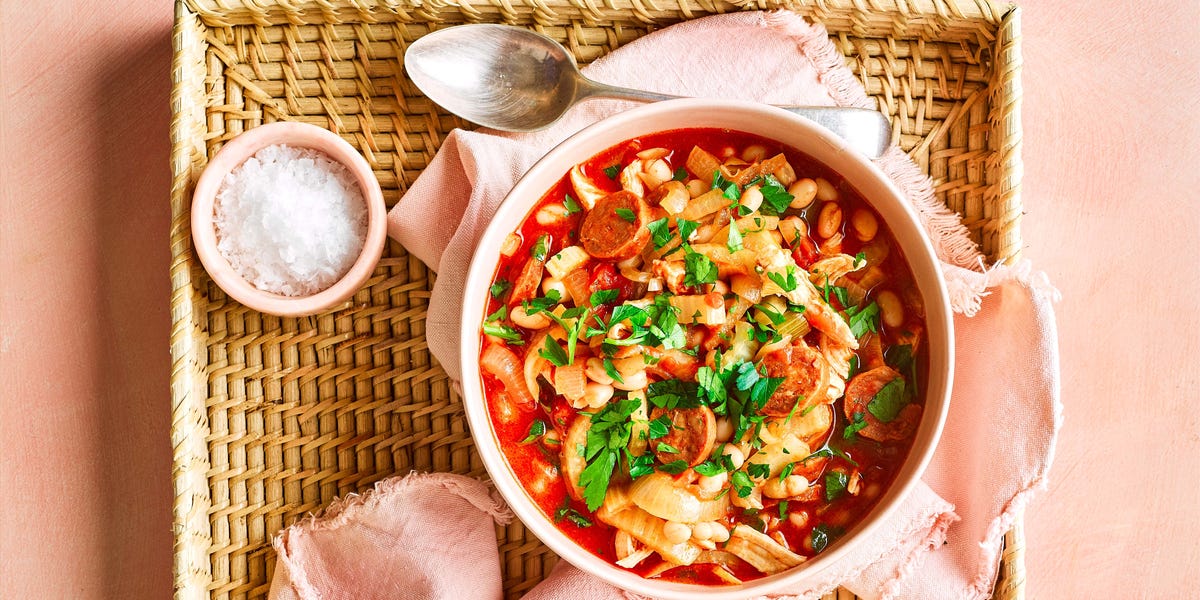
Cauliflower has had quite the glow-up. It used to be the shy vegetable hiding under a cheese blanket at holiday dinners, but curry cauliflower turns it into the confident star of the table. This dish is warm, fragrant, deeply savory, and flexible enough to be a fast weeknight side, a hearty vegetarian main, or the kind of meal-prep hero that saves you from sad desk lunches. Better yet, it delivers big flavor without demanding restaurant-level drama from your kitchen.
This version takes the best ideas from popular American recipe traditions and turns them into one practical, crowd-pleasing approach: roast the cauliflower for caramelized edges, build a flavorful base with onion, garlic, and ginger, then bring everything together with curry spices, tomatoes, and coconut milk. The result is rich but not heavy, bold but not overwhelming, and just impressive enough to make people think you definitely know what you’re doing. Let them believe that.
Why Curry Cauliflower Works So Well
Cauliflower is basically the culinary equivalent of a white T-shirt: simple, adaptable, and surprisingly stylish when paired with the right accessories. In this case, those accessories are curry powder, cumin, turmeric, garlic, ginger, onion, and a creamy finishing element. Cauliflower’s mild flavor lets warm spices shine, while its texture holds up beautifully whether you roast it, sauté it, or simmer it gently in sauce.
Roasting is especially useful because it transforms cauliflower from plain to irresistible. The florets become golden on the edges, slightly nutty, and more concentrated in flavor. Once that roasted cauliflower hits a curry sauce, you get the best of both worlds: tender centers, browned edges, and a sauce that clings to every nook and cranny like it paid rent.
The Best Curry Cauliflower Recipe
Yield and Time
Serves 4 to 6
Prep time: 15 minutes
Cook time: 35 minutes
Total time: About 50 minutes
Ingredients
- 1 large head cauliflower, cut into bite-size florets
- 2 tablespoons olive oil, divided
- 1 medium yellow onion, finely chopped
- 3 cloves garlic, minced
- 1 tablespoon fresh ginger, grated
- 2 teaspoons curry powder
- 1 teaspoon ground cumin
- 1/2 teaspoon ground turmeric
- 1/4 teaspoon paprika
- 1/4 teaspoon red pepper flakes, optional
- 1 tablespoon tomato paste
- 1 can (14 to 15 ounces) diced tomatoes
- 1 can (13.5 ounces) coconut milk
- 1/2 teaspoon kosher salt, plus more to taste
- 1/4 teaspoon black pepper
- 1 can chickpeas, drained and rinsed
- 2 cups baby spinach, optional
- 1 tablespoon lemon juice or lime juice
- 2 tablespoons chopped cilantro
For Serving
- Cooked basmati rice or naan
- Plain yogurt, optional
- Extra cilantro
- Toasted cashews or pepitas, optional
Instructions
- Roast the cauliflower. Preheat the oven to 425°F. Toss the cauliflower florets with 1 tablespoon olive oil and a light pinch of salt. Spread them in a single layer on a sheet pan. Roast for 20 to 25 minutes, turning once halfway through, until the edges are browned and the cauliflower is tender.
- Build the flavor base. While the cauliflower roasts, heat the remaining 1 tablespoon olive oil in a large skillet or Dutch oven over medium heat. Add the onion and cook for 5 to 6 minutes until soft and lightly golden. Add the garlic and ginger; cook for 30 seconds to 1 minute until fragrant.
- Bloom the spices. Stir in the curry powder, cumin, turmeric, paprika, and red pepper flakes if using. Cook for about 30 seconds. Add the tomato paste and stir until it darkens slightly and coats the onion mixture.
- Create the sauce. Pour in the diced tomatoes and coconut milk. Add the salt and black pepper. Stir well and simmer for 8 to 10 minutes until the sauce thickens a little and the flavors come together.
- Finish the curry. Add the chickpeas and roasted cauliflower. Stir gently so the florets stay mostly intact. Simmer for 3 to 5 minutes. Add spinach if using and cook just until wilted.
- Brighten and serve. Turn off the heat and stir in the lemon or lime juice. Taste and adjust seasoning. Sprinkle with cilantro and serve over rice or with warm naan. Add yogurt or crunchy toppings if you like.
What This Curry Cauliflower Tastes Like
Expect a balance of savory, earthy, creamy, and gently spiced flavors. The onion, garlic, and ginger create the backbone. The curry powder and cumin add warmth. Turmeric gives color and a subtle earthy note. Coconut milk rounds everything out with a smooth, mellow finish, while tomatoes keep the sauce from becoming too rich. Chickpeas bring extra body and protein, and the roasted cauliflower adds texture that doesn’t disappear into mush.
In other words, this dish tastes like comfort food that also has its life together.
Tips for the Best Curry Cauliflower Every Time
1. Do not crowd the pan
If the florets are piled on top of one another, they steam instead of roast. That means no golden edges, no caramelization, and no tiny crispy bits that everybody secretly fights over. Use a large baking sheet and spread the cauliflower out well.
2. Roast first, sauce second
Yes, you can simmer raw cauliflower directly in curry sauce. But roasting first gives the vegetable much better texture and deeper flavor. It keeps the cauliflower from tasting watery and helps it stay intact in the final dish.
3. Let the spices hit the heat
Cooking the spices briefly in oil wakes them up. This step, often called blooming, helps the curry taste fuller and more aromatic. Just do not walk away, because spices can go from fragrant to scorched faster than your phone battery at 2%.
4. Balance richness with acid
A squeeze of lemon or lime at the end makes a huge difference. Coconut milk and cauliflower both lean mellow, so acid keeps the dish from tasting flat. It also makes the other flavors seem brighter.
5. Adjust the texture to your mood
Want it soupier? Add a splash of broth. Want it thicker? Simmer a few minutes longer. Want it creamier? Stir in a spoonful of yogurt before serving. Curry cauliflower is forgiving, which is one more reason it deserves respect.
Easy Variations
Potato and Cauliflower Curry
Add 2 cups diced Yukon Gold potatoes. Roast them alongside the cauliflower or simmer them in the sauce until tender. This variation leans toward the classic comfort of aloo gobi and makes the meal extra hearty.
Cauliflower Chickpea Curry
The recipe already includes chickpeas, but you can double them if you want a more filling vegetarian main. This is especially useful if you are serving fewer people and want leftovers that reheat well.
Thai-Style Curry Cauliflower
Swap the curry powder for red curry paste, add a little extra coconut milk, and finish with lime and basil. It becomes brighter, punchier, and a little more dramatic in the best way.
Roasted Curried Cauliflower Side Dish
If you want a simpler version, stop after roasting. Toss cauliflower with olive oil, curry powder, a little cumin, salt, pepper, and lemon juice, then roast until browned. It is excellent alongside grilled chicken, salmon, or rice bowls.
Protein Add-Ins
You can add tofu, lentils, shredded rotisserie chicken, or even shrimp if you want more protein. Just keep the cauliflower as the star. This is its moment.
What to Serve with Curry Cauliflower
- Basmati rice: The classic choice. It soaks up the sauce without competing with the spices.
- Naan: Ideal for scooping, swiping, and convincing yourself that licking the plate would be too far.
- Plain yogurt: A cooling contrast if your curry runs spicy.
- Cucumber salad: Fresh, crisp, and useful when you want balance.
- Lentils: Great if you want a more substantial plant-based meal.
- Simple grilled protein: Chicken or salmon pairs nicely if you are serving curry cauliflower as a side.
How to Store and Reheat It
Curry cauliflower stores well in the refrigerator for up to 4 days in an airtight container. In fact, many people think it tastes even better the next day because the flavors have more time to mingle and become best friends.
Reheat it gently on the stovetop over medium-low heat or in the microwave in short bursts. If the sauce thickens too much in the fridge, add a splash of water, broth, or coconut milk. You can also freeze it, though the cauliflower may soften a bit after thawing. The flavor will still be terrific.
Common Mistakes to Avoid
- Undersalting: Cauliflower needs proper seasoning or it can taste dull.
- Overcooking: Mushy cauliflower is not the goal. Roast until tender with structure.
- Using old spices: Curry powder that has been living in the back of the cabinet since ancient times will not do the dish any favors.
- Skipping the finishing acid: Lemon or lime is not optional if you want the flavors to pop.
- Serving it alone with no texture contrast: Add herbs, yogurt, nuts, or rice for the best experience.
Why This Recipe Is Great for Real Life
Some recipes are lovely in theory and exhausting in practice. Curry cauliflower is not one of them. It uses accessible ingredients, welcomes substitutions, and works whether you are cooking for yourself, feeding a family, or trying to rescue weeknight dinner from total boredom. It is also a smart way to make vegetables feel substantial and satisfying rather than obligatory.
That matters because the best home recipes are not just delicious once. They are the ones you can imagine making again without needing a pep talk. This is that kind of recipe.
Experiences and Everyday Moments with Curry Cauliflower
Curry cauliflower has a funny way of sneaking into regular life and then refusing to leave. It starts as the recipe you make because you have a head of cauliflower in the fridge and a vague intention to “eat better this week.” Then suddenly it becomes the thing you crave on cold evenings, the dish you bring to a casual dinner, or the meal you make on a Sunday because you know Monday is going to come at you like a flying shoe.
One of the best things about this kind of recipe is how different it feels depending on the moment. Fresh from the stove, it is warm, saucy, and comforting, the kind of meal that makes the kitchen smell like you definitely have your life organized. The next day, packed into a lunch container over rice, it somehow feels even better. The spices settle in, the sauce thickens, and lunch becomes the most interesting part of the workday. That is not a small victory.
For a lot of home cooks, curry cauliflower is also a confidence-builder. It sounds a little impressive, maybe even a little fancy, but it is actually very forgiving. If your florets are uneven, the dish survives. If you add extra chickpeas, it survives. If you accidentally buy light coconut milk and then stare at the can like it personally betrayed you, the recipe still turns out fine. There is comfort in that. Not every dinner has to be perfect to be deeply satisfying.
It is also the sort of meal that changes people’s minds about vegetables. Someone who normally thinks cauliflower is bland will suddenly ask for seconds because roasted edges, spices, and creamy sauce perform a small miracle together. Kids may still inspect it suspiciously like tiny food detectives, but even then, the familiar creaminess and mild sweetness of coconut milk can help win them over. Adults, meanwhile, tend to act very surprised that a vegetable-based dinner can feel this hearty.
Then there is the social side of it. Curry cauliflower works for casual gatherings because it fits so many situations. It can be a vegetarian main, a generous side, part of a bigger spread, or a meal served with rice and yogurt for people who want something cozy but not too heavy. It is colorful without being fussy and flavorful without requiring a glossary. In a world full of recipes that demand fifteen specialty ingredients and an emotional support skillet, that simplicity feels refreshing.
Maybe that is why the dish sticks around. It delivers warmth, flexibility, and just enough excitement to make dinner feel intentional. It proves that cauliflower does not need to pretend to be pizza crust or mashed potatoes to earn affection. It can simply be itself, roasted and curried and absolutely delicious. And honestly, that is a pretty good lesson for dinner and for life.
Conclusion
If you need one reliable cauliflower recipe in your rotation, make it this one. Curry cauliflower is adaptable, budget-friendly, deeply flavorful, and easy enough for a weeknight without tasting like a compromise. Roast the florets, build a rich sauce, finish with citrus and herbs, and you have a dish that feels generous and satisfying whether you serve it as a side or the main event. Your cauliflower has waited long enough for this upgrade.