Pool maintenance is a little like brushing your teeth: not glamorous, occasionally inconvenient, and absolutely necessary if you want to avoid a scary green situation. A swimming pool can be the best part of a backyard, but only when the water is clean, clear, balanced, and ready for real peoplenot just frogs with questionable boundaries.
The good news? Keeping a pool healthy does not require a chemistry degree, a superhero cape, or a panic purchase of every bottle on the pool-store shelf. The real secret is consistency. When you understand the basics of pool maintenancecirculation, cleaning, water testing, chemical balance, filter care, and seasonal preparationyou can prevent most problems before they become expensive weekend disasters.
This guide breaks down pool care in plain American English, with practical examples, realistic routines, and a few friendly nudges to help you stay ahead of algae, cloudy water, clogged filters, and mysterious pool smells. Whether you own an in-ground pool, above-ground pool, chlorine pool, or saltwater pool, the foundation is the same: move the water, remove debris, test regularly, and adjust carefully.
What Pool Maintenance Really Means
At its core, pool maintenance means keeping the water safe, the equipment working, and the pool surface protected. A beautiful pool is not just about sparkle. Clear water can still be poorly sanitized, and cloudy water is often a sign that the pool is asking for help in its most dramatic voice.
Good swimming pool maintenance includes several connected tasks: skimming leaves, brushing walls, vacuuming the floor, testing sanitizer and pH, balancing alkalinity and calcium hardness, cleaning filters, checking pump operation, and storing pool chemicals safely. Skip one piece for too long, and the rest of the system starts misbehaving like a toddler who missed a nap.
The easiest way to think about pool care is the “three C’s”: circulation, cleaning, and chemistry. If the water circulates properly, debris gets filtered out. If surfaces are cleaned regularly, algae has fewer places to hide. If the chemistry stays balanced, sanitizer works better and the pool is more comfortable for swimmers.
The Three C’s of Pool Maintenance
1. Circulation: Keep the Water Moving
Pool water should not sit still. Stagnant water creates dead zones where sanitizer cannot do its job efficiently, debris settles faster, and algae begins plotting its takeover. Your pump and filter system are the heart and lungs of your pool. The pump moves water through the system, and the filter captures dirt, oils, pollen, and other unwanted particles.
For residential pools, the ideal pump runtime depends on pool size, pump type, plumbing, weather, and usage. Many pool owners run the pump long enough each day to circulate the full pool volume at least once. In hot weather, during heavy use, or after storms, longer filtration may be helpful. Variable-speed pumps can often run longer at lower speeds, improving circulation while using less energy than older single-speed pumps.
Point return jets slightly downward and angled to create a gentle circular movement. This helps push floating debris toward the skimmer and reduces stagnant corners. If you notice one area always collecting dirt, leaves, or algae, your circulation pattern may need adjustment.
2. Cleaning: Remove What the Filter Cannot
Your filter is important, but it is not a magic portal that makes every leaf disappear. Debris on the water surface, dirt on the floor, and biofilm on pool walls all need regular attention. Skimming, brushing, and vacuuming are the basic cleaning trio.
Skim the surface as often as needed, especially after windy days, storms, or backyard landscaping projects that send half the neighborhood into your pool. Empty skimmer baskets and pump baskets before they become packed with leaves. A clogged basket can reduce water flow, stress the pump, and make the filter less effective.
Brush pool walls, steps, ladders, corners, and tile lines at least weekly. Algae loves quiet surfaces, especially shaded spots, rough plaster, behind ladders, and areas with poor circulation. Brushing breaks up early algae growth and helps sanitizer reach places it might otherwise miss.
Vacuum the pool floor weekly or whenever debris builds up. Manual vacuums work well for targeted cleaning, while robotic pool cleaners can save time for busy owners. Automatic cleaners are convenient, but they do not replace brushing, water testing, or filter care. They are helpers, not butlers.
3. Chemistry: Balance the Water Before It Gets Moody
Pool chemistry sounds intimidating, but it is mostly about keeping a few readings in the right range. The most important tests for many residential pools include free chlorine or bromine, pH, total alkalinity, calcium hardness, and cyanuric acid for outdoor chlorine pools.
Chlorine kills germs and helps prevent algae. For many residential chlorine pools, owners commonly maintain free chlorine around 1–3 parts per million, though outdoor pools using cyanuric acid stabilizer often need at least 2 parts per million to maintain effective sanitation. pH is usually kept around 7.2–7.8, with many homeowners aiming for 7.4–7.6 because that range is comfortable for swimmers and friendly to equipment.
Total alkalinity acts like a buffer for pH. If alkalinity is too low, pH may bounce around like a beach ball in a windstorm. If it is too high, pH can become stubborn and scaling may appear. A common residential target is about 80–120 parts per million, though ideal ranges vary by pool surface, sanitizer type, and product instructions.
Calcium hardness matters because water that is too soft can become aggressive and damage plaster, grout, metal parts, and some pool surfaces. Water that is too hard can leave scale on tile, heaters, salt cells, and surfaces. Many pools do well around 200–400 parts per million, but vinyl, fiberglass, plaster, and local water conditions may require different targets.
Cyanuric acid, also called stabilizer or conditioner, protects chlorine from sunlight in outdoor pools. Too little stabilizer can allow sunlight to burn off chlorine quickly. Too much can reduce chlorine’s effectiveness, forcing you to maintain higher free chlorine levels. For outdoor pools, many owners aim for a moderate stabilizer level and test it regularly rather than guessing.
How Often Should You Test Pool Water?
During swim season, test chlorine and pH several times per week, especially after heavy swimming, rain, heat waves, or adding fresh water. Test alkalinity, calcium hardness, and cyanuric acid less frequently, but often enough to catch changes before they become problems. A weekly full test is a smart habit for many homeowners.
Test strips are fast and convenient. Liquid drop kits can be more accurate when used correctly. Digital testers are helpful, but they still require calibration and proper care. Whatever method you use, follow the instructions carefully. Expired reagents, wet test strips, dirty sample containers, and poor lighting can all lead to misleading results.
One practical tip: keep a simple pool log. Write down the date, test results, chemicals added, weather, and any unusual conditions. Over time, your log becomes a cheat sheet for your own pool. You may notice, for example, that your chlorine drops quickly after weekend parties, pH rises after adding fill water, or the pool needs extra brushing when pollen season attacks.
Weekly Pool Maintenance Checklist
A weekly routine keeps pool maintenance from becoming overwhelming. Think of it as a 30–60 minute appointment with your backyard. Bring test supplies, a brush, a skimmer net, and maybe a cold drink for moral support.
Weekly Tasks
- Skim leaves, insects, and floating debris from the water surface.
- Empty skimmer baskets and pump baskets.
- Brush walls, steps, ladders, corners, and the waterline.
- Vacuum the pool floor or run an automatic cleaner.
- Test chlorine and pH, then adjust as needed.
- Check total alkalinity, calcium hardness, and stabilizer when scheduled.
- Inspect pump operation, water flow, and return jets.
- Check the filter pressure gauge and clean or backwash when needed.
- Look for leaks, cracks, loose fittings, damaged baskets, or unusual noises.
This routine catches small problems early. A basket full of leaves, a filter pressure spike, or a small algae patch may not seem urgent today, but ignoring it can turn into cloudy water, higher chemical demand, and a pool that looks like it belongs in a swamp documentary.
Filter Maintenance: Sand, Cartridge, and DE Filters
The filter removes fine particles from the water, but every filter type needs maintenance. The three common residential pool filters are sand, cartridge, and diatomaceous earth, often called DE.
Sand Filters
Sand filters are durable and popular because they are relatively simple to operate. Water flows through special filter sand that traps debris. When pressure rises above the normal clean reading, the filter usually needs backwashing. Backwashing reverses water flow to flush trapped debris out of the filter. After backwashing, many systems require a rinse cycle before returning to normal filtration.
Cartridge Filters
Cartridge filters use pleated cartridges to trap particles. They do not require backwashing, which can save water. Instead, the cartridge is removed and rinsed with a hose when dirty. Periodically, cartridges may need deeper cleaning with an approved filter cleaner. Avoid using a pressure washer, which can damage the pleats. Replace cartridges when they are torn, crushed, oily, or no longer clean well.
DE Filters
DE filters provide very fine filtration and can produce exceptionally clear water. They use grids coated with DE powder. Like sand filters, DE filters are typically backwashed when pressure rises. After backwashing, fresh DE must be added according to manufacturer instructions. Never operate a DE filter without the correct amount of DE, because the grids can become clogged or damaged.
No matter which filter you own, learn the normal clean pressure after a proper cleaning or backwash. When pressure rises significantly above that baseline, it is time to clean the filter. Also watch for low pressure, which may indicate a clogged skimmer basket, air leak, low water level, or blocked pump impeller.
Pool Chemical Safety: Do Not Turn the Shed Into a Science Experiment
Pool chemicals are useful, but they deserve respect. Chlorine products, acids, algaecides, clarifiers, and balancers should be stored and handled according to label directions. Keep chemicals cool, dry, and well ventilated. Store them in original containers with labels intact. Keep lids tightly closed and never mix chemicals together.
Water can trigger reactions in some pool chemicals, so protect containers from rain, leaks, and damp floors. Keep chlorine products away from acids, fuels, oils, fertilizers, and other incompatible materials. Use clean, dry scoops, and do not use the same scoop for different products unless the label specifically says it is safe.
When adding chemicals, add them separately and allow the water to circulate. Many products should be added to water, not water to the product. Wear gloves and eye protection when recommended. Keep children and pets away from chemical storage areas. If a product smells strange, looks contaminated, gets wet, or reacts unexpectedly, do not improvise. Follow the label and contact appropriate local guidance if needed.
Common Pool Problems and How to Handle Them
Cloudy Pool Water
Cloudy water is usually caused by poor filtration, low sanitizer, high pH, high calcium hardness, heavy swimmer load, fine debris, or algae beginning to bloom. Start by testing the water. Adjust pH and sanitizer first, then check filtration. Clean or backwash the filter if pressure is high. Brush and vacuum the pool. If the water remains cloudy, a clarifier or other treatment may help, but only after the basics are corrected.
Green Algae
Green algae often appears when chlorine drops too low, circulation is poor, or brushing is neglected. Treat algae by testing and balancing pH, brushing all affected surfaces, shocking according to product directions, running the pump continuously during cleanup, and cleaning the filter as it collects dead algae. Severe algae may require repeated brushing and filtration. Patience is cheaper than panic.
Mustard or Yellow Algae
Mustard algae often appears as a yellowish dust on shaded walls or floors. It can be stubborn and may return if brushes, toys, floats, or swimsuits reintroduce it. Treatment usually requires brushing, elevated sanitizer, cleaning equipment, and washing pool items that contacted the water.
High pH
High pH can make chlorine less effective, contribute to cloudy water, and encourage scale. It is common in saltwater pools, pools with high aeration, or areas with alkaline fill water. Use a pH reducer according to label directions, retest after circulation, and avoid large chemical swings.
Low Chlorine
Low chlorine can happen after heavy use, sunlight exposure, rain, organic debris, or an undersized chlorination schedule. Test stabilizer in outdoor pools, check tablets or feeders, inspect salt chlorine generator output if applicable, and remove debris that consumes sanitizer. Do not rely only on smell. A strong “chlorine smell” often indicates combined chlorine or poor water quality, not too much clean sanitizer.
Saltwater Pool Maintenance
A saltwater pool is still a chlorine pool. The difference is that a salt chlorine generator uses dissolved salt to produce chlorine. This can make sanitation more convenient, but it does not eliminate maintenance. You still need to test chlorine, pH, alkalinity, calcium hardness, stabilizer, and salt level.
Saltwater pools often experience rising pH, so regular pH testing is important. The salt cell should be inspected and cleaned according to manufacturer instructions. Scale buildup on the cell can reduce chlorine production. Also remember that cold water may reduce generator output, and a salt system may need adjustment during peak summer demand.
Seasonal Pool Maintenance
Spring Opening
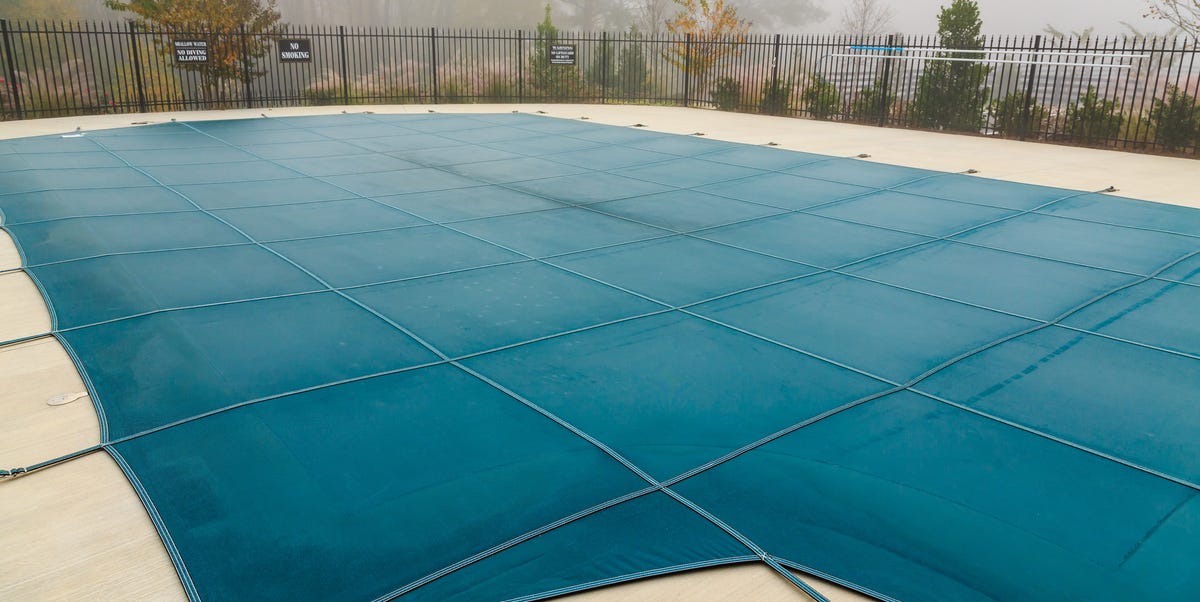
Spring opening is easier when the pool was closed properly. Remove and clean the cover, clear debris, reinstall equipment, inspect plugs and fittings, raise the water level if needed, start circulation, test the water, balance chemistry, and clean thoroughly. Do not jump into chemical treatments blindly. Test first, then adjust in the right order.
Summer Maintenance
Summer is peak pool season, which means more swimmers, more sunlight, more sunscreen, more sweat, and more backyard snacks that somehow end up in the water. Test more often, brush weekly, clean baskets frequently, and watch chlorine levels after parties or storms. Heat and sunlight increase sanitizer demand.
Fall Care
Fall brings leaves, cooler nights, and the annual question: “How did that many leaves fit on one tree?” Skim often, empty baskets, keep the water balanced, and do not let debris sit on the pool floor. Organic debris can stain surfaces and consume sanitizer.
Winterizing
In freezing climates, winterizing protects plumbing, equipment, and surfaces from damage. The process may include balancing water, lowering the water level if required, blowing out lines, adding winter chemicals, removing accessories, cleaning the filter, draining equipment, and securing a winter cover. Follow manufacturer instructions and local climate needs. In warm climates, pools may stay open year-round with a lighter winter schedule.
Money-Saving Pool Maintenance Tips
The cheapest pool problem is the one you prevent. Regular testing prevents over-treating. Brushing reduces algae risk. Cleaning baskets protects the pump. Maintaining proper water balance protects heaters, liners, plaster, ladders, lights, salt cells, and filters.
Buy only the chemicals your pool actually needs. A water test should guide purchases, not fear. Keep chemicals sealed and dry so they do not degrade. Use a pool cover when practical to reduce debris, evaporation, and heat loss. Repair small leaks quickly because constant refilling can dilute chemicals and increase water bills.
Also, learn your equipment. Know where the valves are, what your normal filter pressure is, how to prime the pump, and how to shut the system off in an emergency. A five-minute equipment lesson can save a service call later.
Real-World Pool Maintenance Experiences: Lessons From the Backyard
One of the most useful pool maintenance lessons is that clear water can change quickly. A pool may look perfect on Friday afternoon and turn hazy by Sunday evening after a birthday party, a thunderstorm, and twelve children cannonballing like Olympic splash engineers. Heavy use adds sweat, sunscreen, body oils, hair products, grass, and mystery particles that no one admits bringing in. After big swim days, testing chlorine and pH is not optional. It is the difference between a quick adjustment and a Monday morning algae negotiation.
Another experience many pool owners share is the “I’ll brush it later” mistake. A small green patch on a step or corner looks harmless at first. Then it spreads. Brushing may feel old-fashioned when robotic cleaners exist, but robots do not always scrub tight corners, ladders, behind lights, or rough plaster pores. A weekly brush session is like flossing for your pool: easy to skip, annoying to regret.
Storms are another teacher. After heavy rain, pools often need attention because rainwater can dilute sanitizer, add debris, change pH, and wash organic matter into the water. The best routine after a storm is simple: remove debris, empty baskets, test the water, check the water level, run the pump, brush surfaces, and clean the filter if pressure rises. Waiting three days because “the water still looks okay” is how many pool owners meet their first algae bloom.
Filter pressure tells a story too. A clean filter has a normal operating pressure. When the gauge climbs well above that baseline, water flow drops and the pool becomes harder to keep clean. Many owners ignore the gauge until the returns feel weak or the cleaner stops moving. A better habit is to glance at the pressure gauge during weekly maintenance. That tiny dial can warn you before the water gets cloudy.
Pool logs may sound boring, but they are incredibly useful. Write down test results, chemical additions, filter cleanings, storms, and unusual problems. After a month, patterns appear. Maybe pH rises every week because of aeration. Maybe chlorine disappears faster when the pool cover stays off. Maybe calcium hardness creeps up because fill water is hard. A log turns guessing into decision-making.
Finally, experience teaches humility. Every pool has a personality. A shaded vinyl above-ground pool behaves differently from a sunny plaster in-ground pool with a spa spillover and a salt system. Local water, weather, trees, swimmers, equipment size, and maintenance habits all matter. The best pool owners are not the ones who never have problems. They are the ones who notice changes early, test before adding chemicals, and stay calm when the pool looks less than postcard-perfect. The water does not need drama; it needs a net, a brush, a test kit, and a person willing to show up regularly.
Conclusion
Pool maintenance is not about chasing perfection every hour of the day. It is about building a simple, steady routine that keeps water moving, surfaces clean, chemistry balanced, and equipment protected. When you skim, brush, vacuum, test, balance, and maintain the filter on schedule, your pool becomes easier and cheaper to care for.
The most important habit is regular testing. Water can look clean while chemistry is drifting in the wrong direction. Small adjustments made early prevent cloudy water, algae blooms, scale, corrosion, and uncomfortable swimming. Add safe chemical storage, seasonal preparation, and basic equipment awareness, and you have a pool care plan that works in the real worldnot just in a glossy brochure where no leaves exist.
A clean pool is more than a backyard decoration. It is a place for exercise, family time, quiet floating, loud cannonballs, and summer memories. Take care of it consistently, and it will reward you with clear water, fewer surprises, and more weekends spent swimming instead of fighting algae with the emotional intensity of a movie finale.