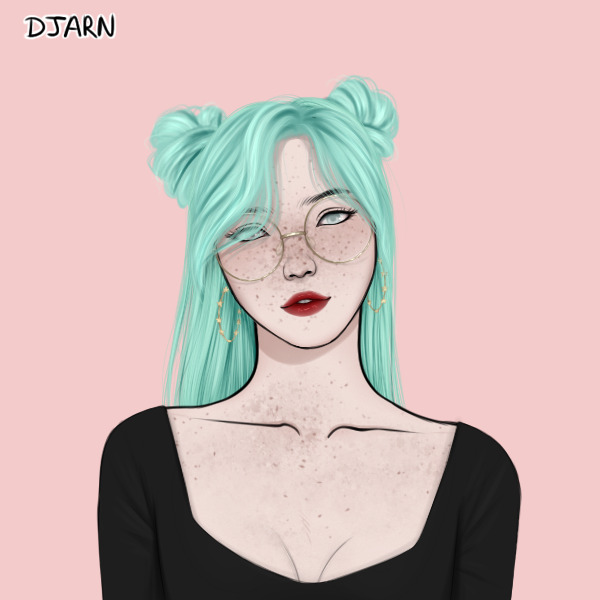
Open your phone. Find the last picture you saved. Do not rearrange your gallery, crop out the embarrassing part, or scroll backward until you discover something that makes you look sophisticated. We are interested in the real final imagethe unplanned digital breadcrumb sitting at the top of your camera roll.
Maybe it is a beautiful sunset. Maybe it is a screenshot of a recipe you will absolutely forget to cook. Perhaps it is a blurry cat, an oddly specific meme, a paint color called “Whispering Turnip,” or directions to a parking garage you escaped three days ago. Whatever it is, post your last saved picture here and tell us the story behind it.
This kind of photo-sharing challenge is delightfully simple, but it can reveal more than expected. Our phones have become cameras, notebooks, filing cabinets, shopping assistants, memory banks, and emergency storage units for jokes involving raccoons. The latest saved image often captures what mattered to us for five secondsand sometimes what has mattered for years.
Research basis: Bored Panda describes its community as a space for reader-submitted photos, art, stories, and challenges, while Pew Research Center documents the broad role of visual and social platforms in American online life.
Why the “Last Saved Picture” Challenge Is So Entertaining
It removes the pressure to look impressive
Most social media posts are selected carefully. People choose the flattering vacation picture, the perfectly stacked pancakes, or the gym selfie taken from the one angle that suggests gravity has temporarily resigned. A last-saved-picture prompt reverses that process. Instead of asking, “How do I want people to see me?” it asks, “What happened to land in my gallery most recently?”
That small difference makes the results feel spontaneous. A person who normally posts landscape photography might reveal that the last image they saved was a diagram explaining how to unclog a sink. Someone with a polished professional profile may contribute a picture of a corgi dressed as a lobster. Suddenly, everyone looks more human.
The challenge works because there is no single correct contribution. A museum-quality photograph and a screenshot reading “buy batteries” can be equally interesting. The value comes from the surprise, the explanation, and the conversations that follow.
Participation requires almost no preparation
Online prompts tend to attract more responses when the instructions are easy to understand. “Post your last saved picture” requires no special photography skills, lengthy personal essay, or archaeological expedition through a hard drive from 2009. Nearly everyone with a smartphone can participate in a few taps.
Low effort does not necessarily mean low-quality interaction. One strange image can inspire dozens of questions. Why is there a miniature horse in the kitchen? Why did someone save a picture of twelve identical spoons? Is that cake supposed to resemble a famous actor, or did the frosting simply make a series of unfortunate decisions?
Research into online photo sharing has identified social connection, sharing experiences, reaching out to others, and showcasing moments as important motivations. Studies of online memory sharing have likewise found that people frequently post personal experiences for social reasons. In other words, the picture may be the invitation, but connection is the real activity.
Research basis: Studies of online photo and memory sharing identify social connection, experience sharing, self-expression, and interpersonal communication as major motivations.
Randomness creates curiosity
A carefully themed gallery tells viewers what to expect. A random camera roll does the opposite. One contribution may be a newborn baby, the next a screenshot of an electricity bill, and the next a goose looking ready to challenge local law enforcement.
That variety turns the comment section into a digital junk drawerbut the fun kind, where every object has a story. People naturally want context. A mysterious image creates an information gap, and the explanation becomes part of the entertainment.
What Your Last Saved Picture Might Say About You
No single image can define a person, of course. A photograph of burnt toast does not prove that someone is a terrible cook. It may only prove that the smoke detector works. Still, common camera-roll categories reveal how people use images in daily life.
The meme collector
For many people, the camera roll is less a family archive and more a warehouse for emergency reactions. They save images for future conversations: congratulations, disbelief, mild outrage, extreme outrage, and that special emotional condition caused by receiving another meeting invitation at 4:57 p.m.
A saved meme is rarely just a joke. It is a communication tool waiting for its moment. When shared in a community challenge, it also shows what kind of humor caught the owner’s attentionabsurd, wholesome, sarcastic, dark, painfully relatable, or powered entirely by badly photographed animals.
The devoted pet photographer
Some camera rolls are governed by pets. There may technically be pictures of humans, but they appear mainly as furniture for the dog. The last saved image might show a cat asleep in a cardboard box despite having access to three expensive beds, a parrot inspecting a coffee mug, or a rabbit looking suspiciously pleased beside a damaged houseplant.
Pet photos perform especially well in community conversations because they need very little translation. A dog proudly holding a stolen sock is funny in almost any language. Add a brief caption explaining the crime, and the picture becomes a complete story.
The practical screenshot specialist
Not every saved image is intended to be admired. Screenshots help people remember addresses, appointments, recipes, confirmation numbers, product dimensions, workout routines, and instructions that seemed important at 1:14 a.m.
These pictures can be surprisingly revealing because they capture unfinished intentions. The last saved screenshot may show a vacation being planned, a room being redecorated, a skill being learned, or a purchase being investigated with the seriousness of a federal inquiry.
Then there are the screenshots nobody understands later. They contain half a sentence, an unexplained map pin, or a product that no longer seems remotely desirable. The original reason for saving the image has vanished, leaving behind a tiny digital mystery.
The memory keeper
Other galleries are filled with family photographs, celebrations, old houses, handwritten recipes, school projects, and ordinary moments that became meaningful over time. The last saved picture may have been sent by a sibling, discovered in an old message, or scanned from a physical album.
Digital images can help people preserve and share personal memories, but they still require care. The Library of Congress recommends identifying important photographs, using descriptive names or tags, making multiple copies, and storing those copies in different places. “It is somewhere in the cloud” is not quite an archival strategy, especially when nobody remembers which cloud.
Research basis: The Library of Congress recommends selecting important digital photos, organizing them with descriptive information, making multiple copies, and storing those copies in separate locations.
The accidental artist
Sometimes the last picture is unexpectedly beautiful: rain on a window, an empty street at dawn, sunlight across a kitchen table, or a reflection that briefly makes a parking lot look cinematic. These photographs were not staged for an audience. That may be exactly why they feel authentic.
The modern selfie and everyday smartphone photograph have become ordinary forms of self-expression. People no longer need a formal event or professional camera to decide that a moment deserves to be recorded. The result is an enormous visual diary containing both major milestones and the sandwich that looked unusually confident.
Research basis: Cultural analysis of the selfie traces how front-facing smartphone cameras and social platforms helped normalize personal photography as a common form of communication and identity.
How to Post Your Last Saved Picture Safely
Spontaneity is the point of the challenge, but spontaneity should not defeat common sense in a one-round boxing match. Before uploading anything, take a few seconds to inspect the image.
Look for private information
Screenshots may contain phone numbers, email addresses, account balances, booking codes, medical information, work conversations, home addresses, or browser tabs that raise more questions than the picture answers. Photos can also reveal license plates, employee badges, school names, house numbers, or documents sitting quietly in the background.
Crop or cover sensitive details before posting. Also review which apps can access your photo library and location. Consumer privacy guidance from the Federal Trade Commission and cybersecurity advice from CISA encourage users to check app permissions and restrict unnecessary access to photos, files, and location data.
Research basis: FTC and CISA guidance recommends reviewing app access to photos, files, location, and other sensitive device information.
Ask before posting someone else
If another person is clearly visible, consider whether they would be comfortable appearing in a public post. This is especially important for children, private family moments, medical situations, workplace images, and photographs that could embarrass someone.
A good rule is simple: when the picture is yours but the face belongs to someone else, consent matters. You can crop the person out, blur identifying details, choose another image, or ask for permission. A funny post is not worth damaging someone’s trust.
Research basis: FTC educational guidance encourages getting permission from the photographer or the person shown before posting photos and warns that online content may reach a larger audience than expected.
Make sure you have the right to share it
Saving an image does not automatically make it yours. The last file in your gallery may be an illustration, professional photograph, comic, or artwork created by someone else. Whenever possible, share the original post rather than uploading a detached copy. If you do repost creative work, identify the creator and confirm that the use is permitted.
Photographs and illustrations can be protected by copyright from the moment they are created and fixed in a tangible form. Giving credit is respectful, but credit alone does not always equal permission.
Research basis: The U.S. Copyright Office explains that original photographs and visual art receive copyright protection when created and advises users to obtain permission when no exception applies.
Add a useful image description
A short description makes the challenge more inclusive for people who use screen readers or cannot see the image clearly. Good alternative text communicates the essential visual information without turning into a detective novel.
For example: “A golden retriever sitting beside an overturned laundry basket with a sock on its head.” That description is concise, informative, and possibly evidence for a future trial.
Research basis: W3C accessibility guidance recommends meaningful text alternatives for informative images so people with disabilities can access the essential content.
How to Make Your Picture More Fun for the Community
The image starts the conversation, but a little context can turn an ordinary upload into a memorable contribution. Try adding one or two sentences rather than presenting the photo like an unexplained artifact recovered from the ocean floor.
Tell us why you saved it
Was it useful, funny, beautiful, confusing, or emotionally important? Did a friend send it? Were you saving it as inspiration? Did you accidentally press two buttons while trying to lower the volume?
The reason behind the save often matters more than the visual quality. A plain photograph of a bench becomes meaningful when the poster explains that it was where their grandparents met. A screenshot of a terrible sweater becomes funnier when we learn it was being considered for an office party.
Give the picture a title
A playful title can add personality. Consider “The Council Has Rejected My Proposal” for three cats staring from a couch, or “Dinner Has Entered a Difficult Phase” for a collapsed casserole.
The title does not need to explain everything. It only needs to give other readers a reason to stop scrolling and investigate.
Invite guesses before revealing the context
Mysterious pictures are perfect for guessing games. Post the image, ask people what they think happened, and reveal the answer later. An object that looks like laboratory equipment may turn out to be a fancy coffee maker. A dramatic landscape may be a close-up of spilled cocoa powder.
Just avoid withholding context when the image could be disturbing, misleading, or sensitive. Confusion is entertaining; unnecessary panic is less charming.
What This Challenge Reveals About Digital Life
Camera rolls are modern personal archives, but they are not organized like traditional photo albums. They mix precious memories with receipts, memes, duplicates, screenshots, accidental pocket photographs, and 17 attempts to capture the moon as something other than a glowing potato.
This mixture shows that photography is no longer reserved for special occasions. Images have become part of everyday thinking. We photograph where we parked, save things we want to remember, document progress, communicate emotions, collect inspiration, and preserve moments for later.
There is also a tension between recording an experience and fully experiencing it. Research has suggested that documenting moments can sometimes reduce the precision of later memories, particularly when attention shifts from participating to recording. The lesson is not to throw your phone into a lake. It is simply to remember that a camera can preserve part of a moment, but it should not replace the moment itself.
Research basis: Experimental research summarized by Time found that documenting and externalizing experiences could reduce later memory accuracy, despite the benefits of digital sharing.
A last-saved-picture challenge gives those scattered files a second purpose. A temporary screenshot becomes a conversation starter. A forgotten photograph receives an audience. A silly image makes a stranger laugh. Something that might have disappeared beneath another thousand files suddenly becomes part of a shared story.
Experiences From the Camera Roll: Small Pictures, Unexpected Stories
The grocery-list masterpiece
One participant opened her gallery expecting to find a picture of her garden. Instead, the last saved image was a screenshot of a grocery list sent by her father. It included normal items such as milk, bread, and coffee, followed by “the good oranges” and “cheese that does not fight back.”
Nobody knew which oranges qualified as good or what previous cheese had done to provoke the family. The screenshot became one of the funniest contributions because it captured a recognizable family language: instructions that make perfect sense to the sender and absolutely nobody else.
The dog who accidentally became a local celebrity
Another person shared a blurry photograph of a dog standing inside a child’s plastic swimming pool during a rainstorm. The dog looked thrilled. The yard looked flooded. A garden chair floated in the background with the quiet dignity of a doomed passenger ship.
The poster explained that the picture had been sent by a neighbor during a sudden storm. The dog had escaped through an open gate, discovered the rapidly filling pool, and refused to leave until bribed with chicken. What appeared to be a low-quality pet picture turned into a complete adventure involving weather, betrayal, and poultry-based negotiations.
The screenshot that completed a project
A college student posted a screenshot of a furniture diagram. It was not colorful, artistic, or immediately understandable. However, the image represented the final missing instruction for a desk he had been building with his younger brother.
They had spent most of the afternoon assembling pieces incorrectly, removing them, and putting them back in an entirely new incorrect arrangement. The screenshot finally showed that a support bar had been installed upside down. Once corrected, the desk stood successfully, though both brothers agreed never to discuss the extra screw.
The experience demonstrated why practical images deserve a place in a challenge like this. A picture does not have to be emotionally dramatic to represent persistence, teamwork, or victory over aggressively minimalist instructions.
The old photograph rediscovered
One woman’s last saved image was a scanned photograph of her mother standing beside a yellow car in the 1970s. She had received it from an aunt who was sorting through family albums. Her mother was wearing enormous sunglasses and smiling as if she had personally invented weekends.
The car was long gone, and nobody remembered where the photograph had been taken. Still, relatives began contributing details. One recognized the jacket. Another remembered a road trip. Someone else identified the car as belonging to a cousin who was famous for getting lost while insisting he knew a shortcut.
A single saved image reopened a family conversation. Dates were estimated, names were added, and the story became richer with every comment. The picture moved from one person’s phone into a shared family history.
The accidental screenshot
Not every contribution carries deep emotional meaning. One participant’s final image was an accidental screenshot of his lock screen showing 6 percent battery life, three weather alerts, and a reminder labeled “CALL DENTIST SERIOUSLY.”
He had no memory of taking it. The community immediately became more concerned about whether he had called the dentist than about the image itself. Several people offered encouragement. One person asked whether the battery survived. Another suggested that the phone had taken the screenshot as a cry for help.
That accidental picture was funny because it represented a familiar type of modern chaos. Phones quietly collect evidence of unfinished errands, ignored notifications, and batteries maintained through optimism rather than electricity.
The image saved for a difficult day
A quieter contribution showed a handwritten note that said, “You have survived every version of yourself so far.” The poster had photographed it on a community bulletin board and saved it for days when life felt overwhelming.
Unlike a polished motivational graphic, the note was written in uneven marker on ordinary paper. Its imperfections made it feel personal, as though a stranger had left encouragement specifically for whoever happened to need it.
Other participants began sharing the small reminders they kept on their phones: messages from friends, children’s drawings, favorite quotations, photographs of peaceful places, and screenshots of compliments they wanted to remember. The challenge briefly became a collection of emotional emergency supplies.
The lesson behind all these pictures
The most memorable last-saved images are not always the prettiest. They are the ones that lead somewhereto a joke, a confession, a family memory, a practical victory, or a conversation between strangers.
Your final saved picture may look completely ordinary until you explain why it is there. That explanation can reveal affection, curiosity, ambition, procrastination, humor, nostalgia, or the urgent need to remember which replacement filter fits the air conditioner.
So, Pandas, open that camera roll and take a look. Check the image for private information, make sure it is appropriate to share, and post it with a little context. Whether it is a breathtaking photograph or a screenshot you no longer understand, there is probably a story hiding behind it.
Conclusion
“Hey Pandas, post your last saved picture here” is more than a quick online challenge. It is an invitation to share an honest, unpolished fragment of daily life. The results can be hilarious, mysterious, useful, touching, or wonderfully mundane.
The challenge succeeds because everyone arrives with something different. One person brings a pet photograph, another brings an old family memory, and someone inevitably brings a meme that requires several minutes of explanation. Together, those images create a portrait of how people communicate, remember, plan, laugh, and move through the digital world.
Now resist the temptation to improve your answer. Post the actual last pictureafter checking privacy, consent, and ownershipand tell us why it earned the newest spot in your gallery.