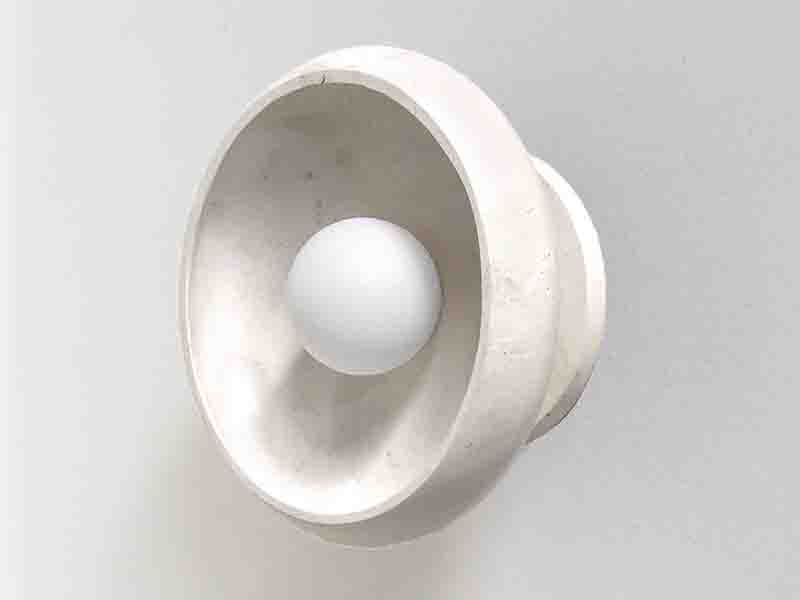
The Piedra Collection is what happens when stone stops pretending to be background material and finally gets its main-character moment. “Piedra” means “stone” in Spanish, and the name fits beautifully: this design direction celebrates marble, onyx, travertine, porcelain, pebbles, and other mineral-rich surfaces that bring texture, warmth, and quiet drama into modern homes.
At the center of the conversation is L’Aviva Home’s Piedra lighting collection, a sculptural series of marble and onyx sconces and semi-flush fixtures handmade in Mexico. But the idea of a Piedra Collection reaches beyond lighting. In today’s interiors, “piedra” has become shorthand for a more grounded kind of luxury: natural-looking surfaces, tactile finishes, imperfect veining, earthy color palettes, and rooms that feel collected instead of copied from a showroom display where nobody is allowed to spill coffee.
This guide explores what makes the Piedra Collection appealing, how stone-inspired design works in kitchens, bathrooms, living rooms, patios, and entryways, and how to use these pieces without making your home feel like a museum lobby with better snacks.
What Is the Piedra Collection?
The Piedra Collection can refer to several stone-inspired home and design collections, but the most distinctive interpretation is a handcrafted lighting line made from onyx and marble. These fixtures typically feature clean geometry, shallow concave forms, centered globe bulbs, and visible stone variation. Instead of hiding the material, the design lets the stone speaksometimes softly, sometimes with the confidence of a dinner guest who knows exactly which wine pairs with risotto.
The collection’s appeal comes from three qualities: sculptural form, natural material, and atmospheric light. A stone sconce is not just a wall light. It is part jewelry, part architecture, and part mood-setter. When the bulb glows against marble or translucent onyx, the fixture becomes both functional and decorative.
Why Stone-Inspired Design Feels So Current
Interior design has moved away from cold, sterile minimalism and toward rooms with warmth, storytelling, and texture. Natural stone fits this shift perfectly. Marble, travertine, onyx, limestone, slate-look porcelain, and polished pebbles all introduce organic variation that cannot be fully duplicated by mass production.
That variation is the point. A stone piece may have veining, cloudy movement, tiny mineral marks, soft tonal changes, or dramatic contrast. In a world full of identical flat-pack furniture, piedra-style design offers something refreshingly personal. No two slabs, sconces, or pebble arrangements look exactly alike. Your home gets character without needing to develop a mysterious antique-collecting habit.
The Design Language of the Piedra Collection
1. Sculptural Simplicity
The best Piedra-style pieces are not overly fussy. They rely on simple shapes: discs, bowls, blocks, slabs, rounded edges, or geometric silhouettes. This simplicity allows the stone to remain the star. A marble wall sconce with a centered globe bulb, for example, does not need ornament. The veining already brought its own fireworks.
2. Warm Natural Materials
Travertine, onyx, marble, and stone-look porcelain are popular because they combine durability with visual softness. Creamy travertine works well in warm neutral interiors. Black and white onyx adds contrast. Milk onyx brings a luminous, almost cloud-like quality. Grey marble can feel calm, elegant, and architectural.
3. Light and Shadow
Stone lighting is especially interesting because it changes throughout the day. In natural daylight, the fixture reads as a sculptural object. At night, it becomes an ambient glow source. Translucent onyx can create a soft halo, while denser marble reflects light more subtly. The result feels layered rather than flat.
How to Use Piedra Collection Pieces in the Home
Kitchen: Add Warmth Without Clutter
A kitchen is one of the easiest places to use the Piedra Collection aesthetic. Stone sconces near open shelving, a marble-look backsplash, travertine accents, or a porcelain floor with a slate-like finish can make the room feel warm and intentional.
For a modern white kitchen, piedra-style elements prevent the space from feeling too clinical. Creamy cabinets, warm woods, mixed metals, and stone lighting create a balanced look. The kitchen still feels bright, but not like a dentist’s office where the cabinets judge your flossing habits.
Bathroom: Create a Spa-Like Mood
Bathrooms love stone. A Piedra wall sconce above a vanity, natural stone accessories, textured tile, or pebble flooring can create a calm spa effect. The trick is balance. If the walls are dramatic, keep the lighting simple. If the vanity is plain, let a stone sconce or marble mirror surround become the focal point.
In small bathrooms, one strong stone feature is often enough. A pair of onyx sconces beside a mirror can make the room feel custom without requiring a full renovation. That is good news for anyone whose renovation budget currently consists of optimism and a gift card.
Living Room: Use Stone as an Accent
In living rooms, the Piedra Collection works best as a quiet focal point. Consider stone sconces flanking built-in shelves, a travertine coffee table, a marble fireplace surround, or textured porcelain tiles around a hearth. These pieces add permanence and grounding.
Stone also pairs beautifully with soft materials. Linen curtains, wool rugs, boucle chairs, leather seating, warm oak, and aged brass can keep the room from feeling too hard. Piedra design is strongest when it mixes mineral weight with human comfort.
Entryway: Make the First Impression Count
An entryway is a perfect stage for stone lighting. A single Piedra-inspired sconce near a console table can set the tone for the whole house. Add a ceramic bowl, a carved wood mirror, and maybe a small vase with branches. Suddenly, the place where everyone drops keys and mail feels curated instead of chaotic.
Outdoor Spaces: Pebbles, Paths, and Patios
The piedra concept also works outdoors. Natural pebbles can define garden beds, create pathways, frame water features, and reduce the visual mess of bare soil. Stone-look porcelain pavers can create an indoor-outdoor flow, especially when used in neutral colors that echo the interior palette.
For patios, try combining stone textures with teak, woven outdoor chairs, large planters, and warm lighting. The look is relaxed, durable, and sophisticated without screaming, “I hired a landscape architect and now I know what drainage means.”
Best Materials for the Piedra Look
Marble
Marble is classic, elegant, and expressive. It works well for lighting, countertops, fireplace surrounds, bathrooms, and decorative accessories. Its veining can be subtle or bold, depending on the type. Marble does require care, especially around acidic substances, so it is best for homeowners who can handle a little maintenance.
Onyx
Onyx is known for its dramatic color movement and translucent quality. In lighting, it can glow beautifully when paired with the right bulb. Onyx pieces often feel artistic and high-end, making them ideal for feature sconces, powder rooms, and statement corners.
Travertine
Travertine has a warmer, earthier personality. Its beige, cream, tan, and honey tones make it especially popular in organic modern interiors. It pairs well with plaster walls, warm woods, brass, linen, and soft white paint.
Porcelain Stone-Look Tile
Porcelain offers the look of stone with easier maintenance. It can mimic slate, limestone, marble, or concrete while remaining durable and practical. For busy households, porcelain is often the sensible cousin who brings spreadsheets to a family vacationand honestly, sometimes that cousin saves the trip.
Natural Pebbles
Decorative pebbles are ideal for landscaping, water features, garden borders, and pathways. They add texture and help create a finished look outdoors. Pebbles are especially useful when you want natural movement without installing large stone slabs.
Color Palettes That Work With Piedra Collection Design
The Piedra Collection aesthetic usually works best with colors that feel grounded and organic. Instead of sharp contrast everywhere, use tonal layering.
Warm Minimalist Palette
Use cream, ivory, beige, pale oak, travertine, soft white, and brushed brass. This palette works beautifully for kitchens, bedrooms, and bathrooms where you want calm but not boredom.
Moody Stone Palette
Try charcoal, black marble, deep brown, walnut, bronze, and warm white lighting. This is ideal for powder rooms, bars, hallways, and dining rooms where a little drama is welcome.
Soft Organic Palette
Combine milk onyx, grey marble, mushroom paint, linen, clay, sage, and natural wood. This look feels modern but gentle, especially in bedrooms and living rooms.
How to Style Piedra Lighting
A Piedra sconce should not compete with too many other statement pieces. Give it breathing room. If the stone has strong veining, keep nearby surfaces quieter. If the stone is subtle, you can pair it with textured tile, plaster, or patterned textiles.
For symmetry, use two sconces on either side of a mirror, bed, fireplace, or hallway feature. For a more relaxed look, use one sconce above a reading nook, beside a console, or near floating shelves. In hallways, repeating stone sconces can create a gallery-like rhythm.
Bulb choice matters. Warm white bulbs generally flatter stone more than cool white bulbs. A matte globe bulb can soften glare and make the fixture feel more sculptural. In design terms, the bulb is not just the thing that prevents you from walking into furniture; it is part of the composition.
Maintenance Tips for Stone and Stone-Look Pieces
Natural stone is beautiful, but it does not enjoy being attacked by harsh chemicals. For marble, onyx, travertine, and other porous stones, use pH-neutral cleaners, soft cloths, and non-abrasive tools. Avoid vinegar, lemon juice, bleach-heavy cleaners, and gritty scrub pads.
For stone backsplashes or bathroom surfaces, wipe spills quickly and dry surfaces after cleaning to prevent water spots. Some natural stone surfaces may need sealing, depending on use and finish. Porcelain stone-look tile is typically easier to maintain, though grout still needs attention.
For stone lighting, dust gently with a soft dry cloth. If deeper cleaning is needed, use a slightly damp microfiber cloth and dry immediately. Always follow manufacturer care instructions, especially for electrical fixtures.
Who Is the Piedra Collection Best For?
The Piedra Collection is ideal for homeowners, designers, boutique hotel owners, and renovators who want interiors with personality and permanence. It is especially suited to people who appreciate handcrafted details, natural variation, and quiet luxury.
It may not be the right fit for someone who wants everything perfectly uniform. Natural stone has movement, irregularity, and surprise. That is part of its charm. If you need every surface to look identical, porcelain may be a better choice. If you enjoy the idea that your sconce has its own mineral fingerprint, piedra-style design will make your heart do a tiny tasteful cartwheel.
Buying Tips for Piedra Collection Pieces
Check Dimensions Carefully
Stone fixtures can feel visually heavier than metal or glass. Measure the wall, mirror, ceiling height, and furniture placement before buying. A sconce that looks perfect online may become a stone satellite dish if installed too low or too close to other elements.
Request Samples When Possible
For tile, porcelain, pebbles, and stone surfaces, samples are essential. Photos can flatten color and hide undertones. A beige stone may look warm in one room and oddly pink in another. Lighting changes everything.
Understand Lead Times
Handmade or custom stone pieces often require longer lead times than mass-produced items. Plan early, especially if the fixture is part of a larger renovation schedule.
Hire Qualified Installers
Stone lighting and heavy tile require proper installation. Use experienced electricians, tile setters, or contractors. This is not the place for a “how hard can it be?” weekend experiment unless you enjoy emergency hardware-store runs.
Common Mistakes to Avoid
Using Too Much Stone at Once
Stone is powerful. Too much of it can make a room feel cold or heavy. Mix it with wood, textiles, plants, and warm lighting.
Ignoring Undertones
Grey marble, cream travertine, white onyx, and beige porcelain may all be neutral, but they do not automatically match. Look at undertones: warm, cool, pink, yellow, green, or blue.
Choosing Beauty Over Function
A dramatic stone may look incredible, but if it is difficult to clean in a high-splash kitchen zone, you may regret it. Match the material to the room’s real-life mess level.
Forgetting Lighting Temperature
Cool bulbs can make stone look harsh. Warm bulbs usually enhance natural color and texture.
Design Experience: Living With the Piedra Collection
Living with Piedra Collection pieces is less about chasing a trend and more about changing the way a room feels. The first thing you notice is the texture. Even before the light turns on, a stone sconce or stone-look surface gives the eye somewhere to rest. It has depth. It does not scream for attention, but it quietly wins the room like someone who says very little at dinner and then delivers the best joke of the night.
In a hallway, Piedra-style lighting can make a transitional space feel designed instead of forgotten. Most hallways are treated like home airports: pass through, do not linger, please keep moving. Add a row of marble or onyx sconces, and suddenly the hallway becomes part of the experience. The stone catches daylight during the afternoon and glows softly at night. It makes even a short walk to the laundry room feel slightly more elegant, which is helpful because the laundry itself is rarely glamorous.
In a bathroom, the experience is even more noticeable. A pair of stone sconces near a mirror softens the entire vanity area. Instead of harsh overhead light, you get a warmer glow that flatters the stone, the mirror, and yes, even the person standing there wondering whether dry shampoo counts as a hair plan. The natural variation in marble or onyx also makes the room feel custom. Guests may not know exactly why the bathroom feels expensive, but they will sense it.
In kitchens, piedra-inspired design works best when it adds warmth rather than clutter. A single stone lighting moment over open shelving or near a breakfast nook can make a kitchen feel layered. Pair it with creamy walls, wood stools, brass or nickel hardware, and a natural stone or stone-look backsplash. The result feels collected and calm, not overdecorated. This is especially useful in white kitchens, where texture is the difference between “timeless” and “why does this room feel like a refrigerator?”
Outdoors, the piedra experience becomes more relaxed. Pebbles around planters, stone paths, and porcelain pavers can make a garden feel finished without making it fussy. The best outdoor piedra design looks like it belongs there. It supports the plants, frames the walkway, and adds texture underfoot. It is practical, too. Stone and pebbles can help define spaces, reduce muddy areas, and make water features look more natural.
The biggest lesson from living with the Piedra Collection is restraint. One strong stone element can do more than five competing ones. Let the material breathe. Give veining, shadow, and texture room to be noticed. When used well, piedra design does not simply decorate a space; it gives the space a slower rhythm. It makes rooms feel grounded, tactile, and quietly memorable.
Conclusion
The Piedra Collection represents a design movement that values natural texture, sculptural simplicity, and materials with real visual character. Whether you are drawn to handcrafted marble and onyx lighting, porcelain stone-look tile, travertine accents, or natural pebbles for the landscape, the piedra aesthetic offers a timeless way to make a home feel warmer, richer, and more personal.
The key is balance. Use stone as a focal point, not a shouting match. Pair it with wood, soft fabrics, warm metals, and thoughtful lighting. Choose materials based on both beauty and function. And remember: the best stone-inspired spaces feel effortless, even when a lot of planning went into making them look that way.