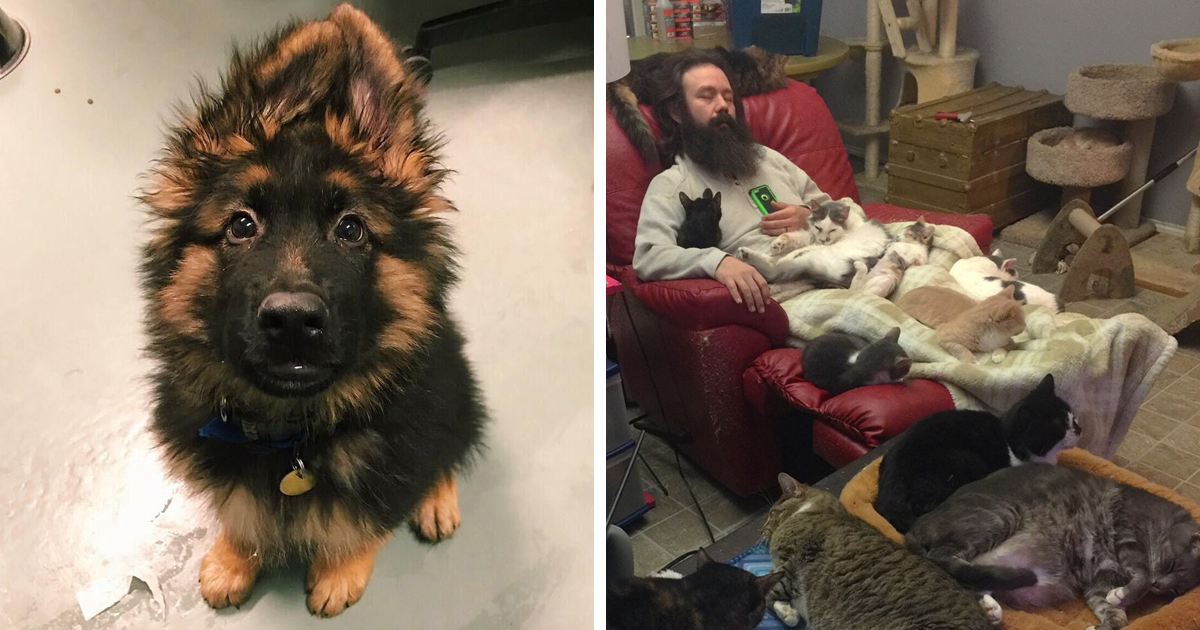
There are cute animal photos, and then there are professional-grade emotional ambushes taken by people who work with animals every day. We are talking about veterinary technicians holding sleepy puppies after checkups, zookeepers catching a curious otter mid-squint, shelter workers photographing a newly confident rescue dog, groomers revealing a “before and after” fluff explosion, and wildlife rehabilitators documenting tiny patients with enormous personalities.
The internet may be full of animal content, but photos shared by animal care workers hit differently. These images are not just adorable; they come with context. Behind every soft paw, ridiculous tongue, sideways goat grin, or suspiciously judgmental parrot is someone who knows the animal’s routine, quirks, health needs, and favorite snack. That makes the cuteness feel more personal, more meaningful, and, frankly, harder to scroll past without saying “aww” out loud like a person in a pet food commercial.
People who work with animalsveterinarians, shelter teams, groomers, trainers, zookeepers, farm caretakers, pet photographers, and rescue volunteersoften see the moments most of us miss. They witness nervous animals learning to trust, senior pets enjoying comfort, newborn animals discovering their own feet, and wild creatures receiving specialized care. Their cutest photos remind us that animal care is not only about feeding, cleaning, medical treatment, and safety protocols. It is also about patience, observation, compassion, and the occasional photo of a kitten sleeping inside a food bowl like rent is due.
Why Cute Animal Photos From Professionals Feel So Special
Anyone can take a picture of a dog. The dog may even cooperate for 1.4 seconds before turning into a blurry cloud with ears. But animal professionals know how to read body language, create calm environments, and wait for safe, natural moments. That is why their photos often capture something deeper than “look, a cute face.” They show personality.
A shelter worker might photograph a shy dog resting its chin on a blanket after finally relaxing. A veterinary assistant may capture a cat looking offended in a tiny recovery cone, which is objectively comedy gold. A zookeeper may share a photo of an animal using enrichment toys designed to encourage natural behaviors. These moments are cute because they are real. They are not forced. They are not overly polished. They are little windows into the lives of animals and the humans who care for them.
The Cuteness Comes From Trust
One reason these photos are so irresistible is trust. Animals do not perform on command just because a phone appears. Many of the best photos happen when an animal feels safe enough to nap, play, investigate, or behave naturally. That trust is built through routine, gentle handling, positive interactions, and respect for the animal’s comfort level.
In veterinary clinics, staff members often balance medical duties with emotional care. A vet tech may monitor a recovering pet, assist with tests, comfort an anxious animal, and still find a second to capture a peaceful photo for the owner. In shelters, staff and volunteers use quiet voices, predictable routines, enrichment, and patient socialization to help animals show their true personalities. When that personality finally appears on camera, the result can help an animal connect with potential adopters.
The Animal Care Workers Behind the Camera
The phrase “people who work with animals” covers a surprisingly wide world. It includes animal care and service workers, veterinary technologists and technicians, veterinarians, kennel attendants, groomers, trainers, shelter volunteers, wildlife rehabilitators, zoo and aquarium staff, farm animal caretakers, and more. Each role has its own challenges, but they all share one thing: close daily contact with animals who rarely care about human schedules.
Animal care work can be physically demanding, emotionally intense, and sometimes messy enough to make laundry give up. Professionals may clean enclosures, prepare diets, assist with medical procedures, observe behavior, document changes, provide enrichment, and communicate with owners or adopters. The cute photos are the shiny little gems in a job that also includes early mornings, safety rules, recordkeeping, emergency care, and, yes, fluids best not described before lunch.
Veterinary Teams: Tiny Patients, Big Feelings
Veterinary teams get some of the most heart-melting photos because they meet animals at vulnerable moments. A puppy receiving its first exam may fall asleep in a technician’s arms. A senior dog may lean into a staff member after treatment. A kitten may climb into a scale and look proud, as if it personally invented modern medicine.
But behind the sweetness is skill. Veterinary technicians and assistants observe behavior, help restrain animals safely, support medical testing, monitor recovery, and assist veterinarians. A photo of a calm pet at the clinic can represent careful handling, preparation, and teamwork. The cuteness is real, but so is the professionalism behind it.
Shelter Workers: The Art of Showing Personality
Shelter photos can change lives. A good adoption picture does more than show what an animal looks like; it helps people imagine a relationship. A dog photographed during a relaxed walk may seem less intimidating than the same dog barking in a kennel. A cat curled in a sunny window may communicate calm, comfort, and charm. A rabbit nibbling greens with dramatic seriousness may convince someone that their living room needs a tiny vegetable critic.
Many shelters rely on staff and volunteer photographers to help animals stand out online. Clear, warm, personality-driven images can reduce the “just another listing” effect. Humor helps too. A dog with a goofy grin, a cat with one paw politely extended, or a guinea pig staring into the camera like a tiny landlord can make people pause. That pause may lead to a share, a visit, a foster application, or an adoption.
Zookeepers and Aquarium Staff: Cute With a Conservation Side
Zoo and aquarium professionals often photograph animals in ways that educate the public. A young animal exploring enrichment, a sea lion responding to training, or a red panda investigating a new scent can be adorable, but these images also show how animal care teams support physical and mental stimulation.
Enrichment is a major part of modern animal care. It may include puzzle feeders, novel scents, climbing structures, training sessions, toys, or food presented in ways that encourage natural behaviors. When keepers share photos of animals interacting with enrichment, the public sees more than a cute face. They see care planning, species knowledge, and the importance of keeping animals active and engaged.
Why We Can’t Get Enough of These Photos
Cute animal photos are internet comfort food. They are small, shareable reminders that the world still contains paws, whiskers, feathers, hooves, snoots, and creatures who look surprised by lettuce. But the appeal goes beyond simple cuteness.
Research and public health guidance often point to the benefits of the human-animal bond, including companionship, opportunities for activity, and emotional support. Even looking at animal content can create a little mood lift for many people. It is not a substitute for real relationships or professional help when someone needs support, but a well-timed photo of a puppy wearing a post-surgery onesie can certainly improve a Tuesday.
They Show Animals as Individuals
The best animal photos are not generic. They make you feel like you know the animal. There is the parrot who looks like it just read your search history. The horse who gently rests its head on a caretaker’s shoulder. The dog who sits with one paw raised as if requesting a formal meeting. The cat who has claimed a staff member’s clipboard and refuses to negotiate.
Animal professionals notice these details because observation is part of the job. Changes in appetite, posture, movement, play style, vocalization, or social behavior can matter. That trained eye also helps them catch hilarious and tender moments that the rest of us might miss.
They Make Hard Work Visible
Animal care is often romanticized, but professionals know it is not all cuddles and Instagram captions. There are difficult cases, long shifts, cleaning routines, compassion fatigue, safety concerns, and emotional goodbyes. Cute photos do not erase that reality. Instead, they show the reason many people stay committed to the work.
A photo of a shelter dog finally sleeping after days of stress may represent hours of patient care. A picture of a rescued bird eating on its own may mark a meaningful step in rehabilitation. A newborn goat standing for the first time may show the results of attentive farm care. These images are sweet because they carry progress inside them.
What Makes an Animal Photo Truly Adorable?
Not every cute animal photo needs perfect lighting or expensive equipment. Some of the most beloved images are slightly chaotic. A blurry tail. A paw in the foreground. A sheep photobombing with the confidence of a celebrity. Still, certain ingredients make animal photos especially powerful.
Natural Behavior Beats Forced Posing
Animals are cutest when they are allowed to be themselves. A dog joyfully rolling in grass, a cat kneading a blanket, a rabbit stretching after a nap, or a calf investigating a camera with its entire nose can feel more charming than a stiff pose. Animal professionals understand that comfort comes first. A photo is never worth stressing an animal.
Eyes, Ears, and Tiny Details Matter
Animal expressions can be subtle. Relaxed eyes, soft ears, loose posture, curious head tilts, and playful movement can make a photo feel warm. On the comedy side, details like one ear flipped backward, a tongue peeking out, or a paw placed dramatically on someone’s shoe can turn a simple picture into a masterpiece.
Context Adds Heart
A photo becomes more memorable when we understand the story. “This dog was nervous when he arrived, and today he asked for belly rubs” is more powerful than “dog on blanket.” “This owl is practicing wing strength before release” gives meaning to a wildlife rehabilitation image. “This kitten fell asleep after bottle feeding” transforms a cute nap into a tiny victory.
Responsible Sharing: Cute Should Still Be Kind
Because animal photos spread quickly online, responsible sharing matters. Animal professionals usually know when photography is appropriate and when an animal needs space. The cutest content should never come at the animal’s expense.
Responsible animal photography avoids unsafe handling, stressful costumes, dangerous interactions, or situations that encourage people to treat wild animals like pets. It respects privacy when needed, especially in clinics or shelters. It also avoids misleading captions that make animals seem “bad” or “broken.” A frightened animal is not being dramatic; it is communicating discomfort. A good animal worker understands that.
For Pet Owners Inspired by These Photos
If professional animal photos make you want better pictures of your own pet, start with patience. Use natural light, keep sessions short, offer breaks, and let your pet choose comfortable positions. Treats, toys, and soft encouragement help, but do not push. The goal is not to create a magazine cover. The goal is to capture your pet’s real personality, whether that personality is “gentle angel” or “tiny chaos manager.”
How Cute Photos Help Animal Welfare
Adorable animal photos may seem lighthearted, but they can support serious goals. They can help shelter pets get adopted, encourage donations, bring attention to rescue work, teach the public about species, and celebrate the people who care for animals.
A strong adoption photo can make an overlooked animal visible. A behind-the-scenes zoo photo can explain enrichment or conservation work. A veterinary clinic photo can reassure owners that their pets are treated with care. A wildlife rehabilitation update can show progress while reminding viewers not to handle wild animals without professional guidance.
In other words, cute animal photos are not just internet candy. Used well, they are storytelling tools. They help people care.
Experiences Related to People Who Work With Animals Sharing Their Cutest Photos
Spend enough time around animal professionals and you quickly learn that the best photo moments almost never happen on schedule. They appear between tasks, usually when someone’s hands are full and the animal has chosen peak cuteness with suspiciously inconvenient timing. A kennel attendant may be halfway through cleaning when a puppy decides the mop bucket is the most fascinating object in civilization. A groomer may have just finished brushing a fluffy dog when the dog shakes once and becomes a decorative throw pillow with legs. A vet assistant may look down to find a nervous kitten has climbed into a hoodie pocket and declared permanent residency.
One common experience in animal care is the “first sign of trust” photo. These are not always the flashiest images, but they may be the most meaningful. Imagine a shelter cat who spent days hiding behind a box. Then one morning, a staff member sits nearby, says nothing, and waits. The cat steps out, blinks slowly, and places one paw on the blanket. That small moment may become a photo. To viewers, it is cute. To the worker, it is a breakthrough. It says the animal is beginning to feel safe.
Another familiar experience is the comic timing of animals who have no interest in looking dignified. Horses make majestic subjects until one curls its lip at the exact wrong second. Dogs can look heroic in one frame and like melted pancakes in the next. Goats do not take bad photos because goats appear to believe every camera exists for them personally. Parrots may stare with the intensity of a tiny courtroom judge. Even animals that are usually shy can produce one unforgettable image that seems to say, “Yes, I am adorable, and yes, I know the power I hold.”
People who work with animals also learn that cuteness can be practical. In shelters, a photo that shows an animal’s softer side can help change public perception. A large dog may look intimidating in a kennel but sweet and goofy while carrying a tennis ball. A senior cat may be overlooked until a photo shows it leaning into a hand with complete trust. A rabbit, guinea pig, or bird may attract attention when photographed in a clean, calm setting that shows scale, personality, and charm.
For veterinary teams, cute photos can comfort owners. A quick image of a pet resting after treatment, wearing a tiny bandage, or being gently watched by staff can communicate care in a way words sometimes cannot. Of course, clinics must follow privacy rules and owner permission, but when sharing is appropriate, these images remind families that their animals are not just cases on a chart. They are known, noticed, and cared for.
Zookeepers and wildlife rehabilitators have a different kind of photo experience. Their cutest images often come with an educational message. A young animal exploring enrichment, a turtle receiving care, or a bird practicing natural behaviors can be adorable while also teaching viewers about responsibility, habitat, diet, safety, and conservation. These professionals know that cuteness can open the door, but education should walk through it.
The best part of these experiences is the shared joy. Animal workers often face tough days, but a single sweet photo can lift an entire team. Someone posts it in the staff chat. Someone else adds a caption that is funnier than it has any right to be. By lunch, the animal has a nickname, a fan club, and possibly an imaginary career as a mayor. That is the magic of cute animal photos from people who do this work every day: they are not staged perfection. They are real, warm, and full of life.
Conclusion
People who work with animals have access to a world most of us only glimpse: the quiet trust of a rescued pet, the silly confidence of a young animal, the focused care behind enrichment, and the tiny victories that happen long before a photo goes viral. Their cutest photos make us smile, but they also remind us of the patience, knowledge, and compassion behind animal care.
Whether the image comes from a vet clinic, shelter, zoo, farm, grooming table, rescue center, or wildlife rehabilitation room, one thing is clear: animals are endlessly expressive, and the people who care for them are often the best storytellers. We cannot get enough because these photos are more than cute. They are proof that care creates moments worth sharing.