Remember when “Can you hear me?” became the national anthem, banana bread briefly became a personality trait, and toilet paper had the street value of concert tickets? The COVID-19 era changed daily life in serious, stressful, and often heartbreaking ways. But somewhere between sourdough starters, Zoom birthdays, masked grocery runs, and the mysterious disappearance of pants during remote work, people did what humans have always done during weird times: they made jokes.
Corona jokes, COVID memes, quarantine humor, lockdown jokes, and pandemic tweets became a digital pressure valve. They did not erase the seriousness of the moment, but they helped people breathe, bond, and say, “Okay, it’s not just me.” This article rounds up 50 fresh, original, safe corona jokes inspired by the absurd little details of pandemic lifeno misinformation, no cruelty, no punching down. Just the shared comedy of a world that collectively learned how to mute itself.
Why Corona Jokes Became the Internet’s Favorite Coping Snack
During the pandemic, humor traveled faster than a group chat screenshot. People posted jokes about masks, hand sanitizer, grocery shortages, pets interrupting work calls, and the strange experience of knowing every crack in their living room ceiling. The reason was simple: laughter gave people a tiny pocket of control when everything felt uncertain.
Health and psychology experts have long noted that healthy humor can lower stress, support emotional connection, and help people process difficult situations. Pandemic memes became a form of social glue. When someone posted, “My dog thinks I quit my job to spend time with him,” thousands of people understood the joke instantly. That is the magic of shared experience: one sentence can become a group hug wearing sweatpants.
Of course, not every joke works. The best corona jokes do not mock illness, spread false medical claims, or target communities. Good pandemic humor points at the weirdness of our routines, not at people’s suffering. It laughs at the absurdity of wiping down a cereal box like it had committed tax fraud. It does not laugh at grief.
50 Fresh Corona Jokes to Make You Laugh and Relax
Here are 50 original corona jokes for anyone who survived the era of elbows, air hugs, and pretending that “just one more episode” was a wellness routine.
- I used to avoid people because I was antisocial. During quarantine, I called it “public health leadership.”
- My sourdough starter had more emotional support than I did.
- Zoom taught me that my resting face is apparently “internet connection lost.”
- I washed my hands so much my fingerprints filed for retirement.
- My dog loved lockdown. Finally, the humans understood the joy of staying home and barking at delivery drivers.
- Quarantine fashion was business on top, laundry basket on the bottom.
- I did not gain weight during lockdown. I simply became more bandwidth-efficient.
- My fridge saw me more often than my family did. We were in a committed relationship.
- Hand sanitizer became the official perfume of panic-shopping season.
- During quarantine, I discovered my kitchen has an echo. Mostly from me asking, “Why am I here again?”
- My Wi-Fi carried the whole household and still never asked for applause.
- Before the pandemic, I had hobbies. During the pandemic, I had tabs.
- I cleaned my house so thoroughly that I found snacks from a previous administration.
- My plants did not survive lockdown, which feels rude considering I was home the entire time.
- Corona taught us that “running errands” is actually a dramatic adventure film.
- I sneezed in public once and aged everyone within six feet by three years.
- The mute button saved more careers than business school.
- I started talking to my furniture. The couch was supportive, but the dining chair had boundaries.
- My calendar went from “meetings” to “existential dread with reminders.”
- Lockdown made me realize my home has excellent acoustics for overthinking.
- My pajamas got promoted from sleepwear to office casual.
- I had a five-year plan. Then 2020 walked in holding a folding chair.
- My browser history during quarantine was 40% recipes, 40% symptoms, and 20% “is this normal?”
- People said, “Use this time to improve yourself.” I improved my ability to eat cereal at midnight.
- Quarantine birthdays proved that one cupcake and seven buffering relatives still counts as a party.
- My phone screen time report during lockdown should have come with a therapist referral.
- I learned how to cut my own hair. Unfortunately, so did everyone who could see me.
- During video calls, I perfected the professional nod while absolutely not understanding the spreadsheet.
- The most unrealistic thing in movies now is people touching elevator buttons with confidence.
- My cat thought lockdown meant I had joined her staff full-time.
- I went outside for “fresh air” and acted like I had discovered a new planet.
- My social battery went unused for so long it started charging other devices.
- Remember when we clapped for banana bread like it had won a Nobel Prize?
- I bought workout equipment during quarantine. It now supports a thriving towel ecosystem.
- My house had open floor plans until every room became a meeting room.
- I miss the mystery of not knowing what my coworkers’ kitchens looked like.
- The phrase “You’re on mute” deserves its own museum exhibit.
- Lockdown taught me that time is a soup and Monday is optional seasoning.
- I wore a mask and sunglasses to the store and accidentally became my own witness protection program.
- My snacks learned to fear footsteps.
- The pandemic made small talk easy: “So… how’s your ceiling fan treating you?”
- I spent months avoiding germs and still got emotionally attacked by my group chat.
- Quarantine cleaning is just moving one pile of stuff to a more emotionally stable pile.
- My home office is three feet from my bed, yet I was still late.
- I used to dream of working from home. Then my printer heard me and chose violence.
- Handshakes disappeared so fast elbows got promoted without training.
- My microwave became my personal chef, therapist, and emotional support appliance.
- The pandemic turned everyone into a weather reporter: “I went outside today. It was there.”
- I did not become a new person during lockdown, but I did become a person who owns five kinds of tea.
- If 2020 had a loading screen, it would still be spinning.
What Makes a Corona Joke Actually Funny?
The funniest pandemic jokes usually share three ingredients: relatability, exaggeration, and relief. Relatability is the spark. Everyone remembers the awkwardness of waving at someone from across a grocery aisle like they were standing on another continent. Everyone remembers the strange thrill of finding disinfecting wipes. Everyone remembers the sudden rise of “home office lighting” as a topic of national concern.
Exaggeration turns that shared memory into comedy. A normal sentence says, “I bought too many snacks.” A funny sentence says, “My snacks started forming a union.” That little twist gives the brain a surprise, and surprise is where laughter likes to hide.
Relief is the deeper reason corona jokes stuck around. The pandemic created fear, loneliness, boredom, frustration, and uncertainty. A joke could not fix those problems, but it could make them feel less lonely for a second. A meme about Zoom fatigue told people, “You are not broken. This is weird for everyone.” That small recognition mattered.
The Best Jokes Punch Up at the Situation
Responsible pandemic humor laughs at awkward routines, strange habits, and collective confusion. It avoids attacking people who were sick, grieving, isolated, or vulnerable. It also avoids turning public health into misinformation. The safest jokes are the ones aimed at the absurd situation itself: the mute button, the sourdough obsession, the dramatic grocery list, the heroic sweatpants.
Why the Jokes Still Work Years Later
Corona jokes still get laughs because they capture a bizarre chapter of everyday life. They are cultural time capsules. One joke about toilet paper can unlock an entire memory: empty shelves, nervous shoppers, homemade masks, and the sudden suspicion that everyone else knew something you did not. Humor preserves those moments in a way that feels lighter than a news headline.
How Pandemic Memes Changed Online Humor
Before COVID-19, internet humor was already fast, chaotic, and allergic to punctuation. During the pandemic, memes became even more immediate. A new rule, shortage, trend, or public habit could become a joke within minutes. People were not just consuming humor; they were documenting history in screenshot form.
Corona jokes also made humor more domestic. The comedy moved from clubs and offices into kitchens, bedrooms, laundry corners, and badly lit video calls. Suddenly, a joke about a pet walking across a keyboard was not niche. It was workplace realism.
The most memorable pandemic memes were not always the loudest. Many were tiny observations: the sadness of canceling plans you secretly did not want to attend, the thrill of receiving a package, the betrayal of jeans after months of elastic waistbands. These jokes worked because they were specific. Specific humor feels true, and truth is funnier when it arrives wearing slippers.
Experience Section: What Corona Jokes Taught Us About Surviving Weird Times
Looking back, corona jokes were more than disposable internet giggles. They were little survival notes passed between strangers. One person posted about forgetting what day it was, and another replied with a joke about March lasting eleven years. That exchange may look silly from the outside, but inside the moment, it said, “I feel this too.” In an era when hugs became risky and plans became fragile, that mattered.
The experience of pandemic humor was often strangely intimate. You might have laughed alone at your phone while sitting at the kitchen table, wearing yesterday’s hoodie, drinking coffee at 3 p.m., and pretending the laundry pile was a modern sculpture. Yet the joke connected you to thousands of people doing some version of the same thing. It turned isolation into recognition.
Corona jokes also gave people permission to admit how odd life had become. Without humor, saying “I am tired of video calls” sounded like a complaint. With humor, it became, “My soul leaves my body every time someone says, ‘Let’s do a quick Zoom.’” That joke carried the same truth, but it made room for laughter instead of shame.
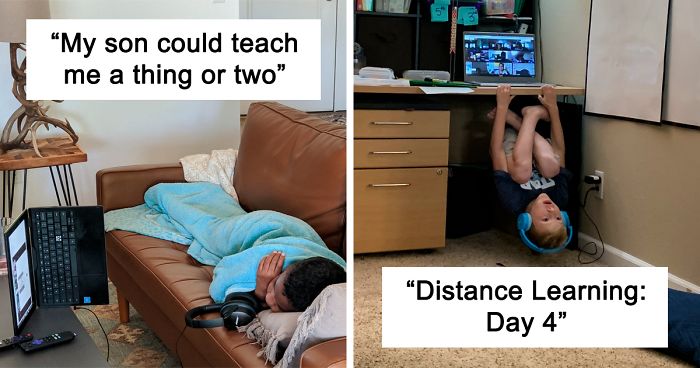
Families used jokes to soften tension. Friends used memes to check in without writing a serious paragraph. Coworkers used humor to survive awkward digital meetings. Parents joked about homeschooling while secretly wondering how teachers had not already been declared superheroes. Students joked about online classes while trying to stay motivated in bedrooms that had become classrooms, cafeterias, and nap stations.
One of the clearest experiences from that time is that humor works best when it is kind. The jokes people kept sharing were usually not cruel. They were about shared inconvenience, strange rituals, and collective confusion. They made fun of banana bread, not people who were struggling. They teased sweatpants, not essential workers. They laughed at the awkwardness of air hugs, not the pain of missing loved ones.
That is why corona jokes still feel familiar. They remind us of a time when the world felt too big and too small at once. Too big because the news was overwhelming; too small because life shrank to rooms, screens, and careful errands. Humor helped stretch those rooms a little. It gave people a window, even if the window was just a meme about disinfecting groceries like a tiny crime scene investigation.
In the end, the lesson is simple: laughter is not denial. It is a pressure release. It is how people signal, “I’m still here.” Corona jokes did not solve the pandemic, but they helped many people carry the emotional groceries. And honestly, after everything, the emotional groceries were heavy.
Final Thoughts: Laughing Without Forgetting
Corona jokes remain popular because they capture the absurd side of a serious historical moment. They remind us of masks in glove compartments, awkward elbow bumps, remote-work chaos, and the great banana bread uprising. More importantly, they remind us that humor can be gentle, smart, and deeply human.
The best COVID-era jokes do not minimize what happened. They help us process it. They let people laugh at the strange routines, not at the pain. They turn shared stress into shared relief. And sometimes, that is exactly what a tired brain needs: one harmless joke, one tiny laugh, one reminder that even in the weirdest chapters, people still find ways to connect.
Note: This article is fully original and synthesizes real public-health, psychology, humor, and digital-culture insights from reputable U.S.-based sources including CDC, APA, Mayo Clinic, Cleveland Clinic, Johns Hopkins, Harvard, Pew Research Center, NIH/NCBI, and established media reporting. The jokes are newly written and avoid medical misinformation, stigma, and copied meme text.