Note: This article is for general informational reading only. Severe, sudden, worsening, or unexplained pain deserves professional medical attention, especially when it comes with fever, chest pain, shortness of breath, weakness, swelling, bleeding, vision changes, or thoughts of self-harm.
Pain is one of those words that looks small on the page and feels enormous in real life. Someone says, “My back hurts,” and we nod politely, because everyone has had a cranky spine after sleeping like a pretzel. But then there are pains that rewrite your entire calendar, personality, sleep schedule, appetite, and relationship with stairs. Those are the kinds of pain people often say you cannot truly understand until you have been through them.
According to recent U.S. public health data, chronic pain affects a large share of adults, and high-impact chronic pain can interfere with work, social life, and basic daily routines. Pain can be physical, emotional, neurological, inflammatory, or a brutal combo platter nobody ordered. It can be sharp, burning, electric, crushing, throbbing, cramping, invisible, embarrassing, or so exhausting that “I’m fine” becomes a full-time acting job.
Below are 29 kinds of pain people frequently describe as impossible to explain until they have lived it. Some are medical conditions. Some are life events. All of them deserve more empathy than a shrug and a “Have you tried drinking water?”
Why Some Pain Is So Hard to Explain
Pain is not just a body alarm. It is a whole-body experience involving nerves, the brain, emotions, memory, stress hormones, sleep, movement, and social support. Nociceptive pain usually comes from tissue damage, like a burn or fracture. Neuropathic pain comes from damaged or irritated nerves. Nociplastic pain involves altered pain processing, where the nervous system becomes extra sensitive even when the original injury is not obvious.
That is why two people can have the same diagnosis but wildly different pain levels. It is also why “You don’t look sick” may be one of the least helpful sentences ever assembled in English.
29 Kinds of Pain You Can’t Fully Understand Until You’ve Been Through Them
1. Cluster Headaches
Cluster headaches are often described as one-sided, piercing pain around the eye or temple. They can arrive fast, repeat several times a day, and make a person restless instead of sleepy. People who have never had one may imagine “a bad headache.” People who have had one know that phrase is laughably inadequate.
2. Migraine Attacks
Migraine is more than head pain. It can include nausea, light sensitivity, sound sensitivity, dizziness, visual changes, exhaustion, and brain fog. A migraine attack can make normal life feel like trying to operate a laptop underwater while someone shines a flashlight directly into your soul.
3. Trigeminal Neuralgia
This nerve pain affects the face and may feel like sudden electric shocks triggered by brushing teeth, eating, talking, or even a breeze. It is short in duration for some people, but the fear of the next jolt can make every ordinary moment feel booby-trapped.
4. Kidney Stone Pain
Kidney stone pain often starts in the back or side and may radiate toward the lower abdomen or groin. It can come in waves so intense that people pace, sweat, vomit, or bargain with the universe. Small stone, big drama. The body is rude like that.
5. Gallbladder Attacks
A gallbladder attack can cause severe upper abdominal pain, often after eating fatty foods. The pain may spread to the back or shoulder. It is the kind of pain that turns dinner from a cozy event into a courtroom where the defendant is cheese.
6. Pancreatitis
Pancreatitis can cause severe upper belly pain that may radiate to the back, often with nausea, vomiting, fever, and tenderness. People often describe it as deep, relentless, and frightening because it feels like something important inside the body is very loudly resigning.
7. Endometriosis Pain
Endometriosis can cause pelvic pain, severe menstrual cramps, pain during sex, painful bowel movements or urination, fatigue, and fertility challenges. Many people with endometriosis are told for years that their pain is “just cramps.” That phrase should be retired immediately and sent to live on a tiny island with dial-up internet.
8. Labor and Childbirth Pain
Labor pain can include contractions, pressure, back pain, stretching, exhaustion, fear, and an intensity that changes minute by minute. Pain relief options can help, but every birth experience is different. Anyone who says, “People have done it forever,” has technically said something true and completely unhelpful.
9. Postpartum Pain
After delivery, pain can come from perineal tears, C-section recovery, uterine cramping, breastfeeding challenges, hemorrhoids, swelling, or sleep deprivation magnifying everything. Postpartum pain is often hidden behind cute baby photos and comments about “bouncing back,” as if the body is a rubber ball and not a person recovering from a major physical event.
10. Dental Abscess Pain
An abscessed tooth can cause severe, constant, throbbing pain that radiates to the jaw, ear, neck, or face. It may worsen with chewing, hot drinks, cold air, or lying down. Tooth pain is proof that one tiny part of the body can hold an entire person hostage.
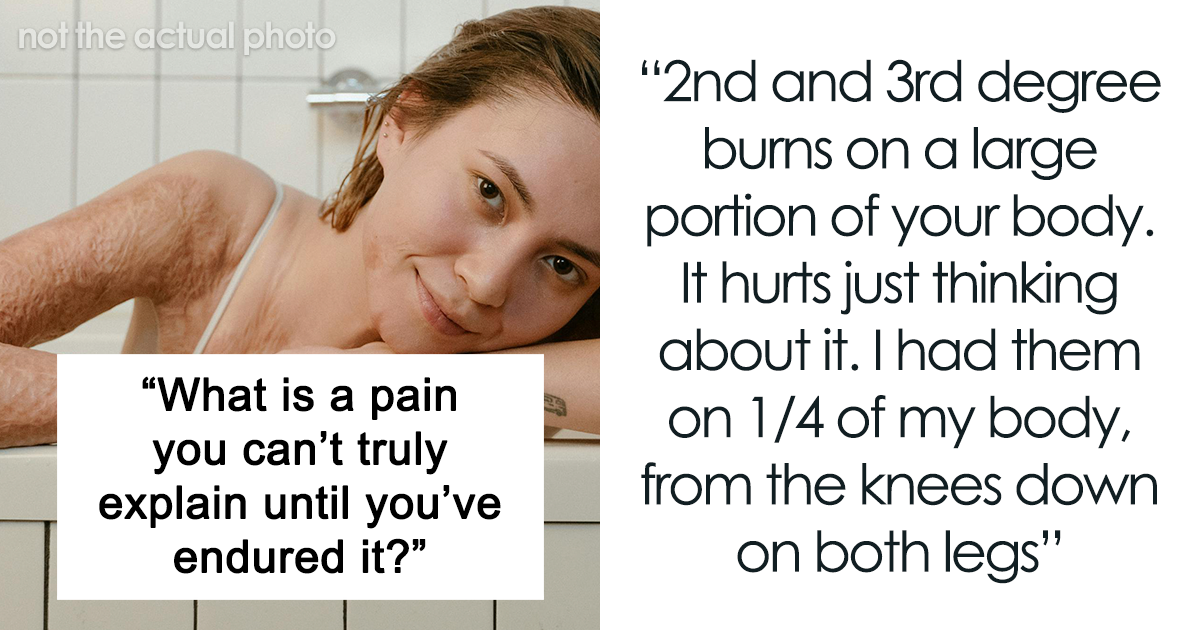
11. Severe Burns
Burn pain depends on depth and location. Superficial and partial-thickness burns can be intensely painful, especially on hands, feet, face, or joints. Deeper burns may damage nerves and feel deceptively numb in the center while surrounding tissue screams. Healing can involve dressing changes, itching, tightness, scarring, and emotional trauma.
12. Shingles and Postherpetic Neuralgia
Shingles may start with burning, tingling, itching, or pain before the rash appears. Some people develop postherpetic neuralgia, long-lasting nerve pain in the same area after the rash heals. The skin can become so sensitive that clothing feels like sandpaper with a personal vendetta.
13. Complex Regional Pain Syndrome
Complex regional pain syndrome can develop after an injury, surgery, stroke, or heart attack, often affecting an arm or leg. The pain can be out of proportion to the original injury and may come with swelling, color changes, temperature changes, and extreme sensitivity. It is one of those conditions that makes “just push through it” sound especially clueless.
14. Fibromyalgia
Fibromyalgia involves widespread pain, fatigue, sleep problems, memory issues, and mood symptoms. The pain can move, flare, fade, and return with the confidence of a bad ex. Because it is often invisible, people may have to spend precious energy proving they are not exaggerating.
15. Sciatica
Sciatica can cause pain that travels from the lower back through the hip, buttock, and down the leg. It may feel sharp, burning, numb, or electric. Sitting, standing, bending, sneezing, or existing too enthusiastically can set it off.
16. Herniated Disc Pain
A herniated disc may press on nearby nerves, causing back pain, leg pain, numbness, tingling, or weakness. People often learn the hard way that “I’ll just pick that up real quick” can become a three-week documentary.
17. Arthritis Flares
Arthritis pain can be stiff, swollen, hot, aching, and deeply frustrating. A flare can make opening a jar, climbing stairs, typing, cooking, or getting dressed feel like participating in an obstacle course designed by someone who hates joints.
18. Gout
Gout often strikes suddenly, commonly in the big toe, and can make even a bedsheet feel unbearable. The joint may become red, swollen, hot, and fiercely painful. It is a reminder that the body can turn a toe into a siren.
19. Urinary Tract Infection Pain
A UTI can cause burning urination, pelvic pressure, urgency, frequent bathroom trips, and sometimes back pain or fever if the infection spreads. It is not “just discomfort.” It is a tiny bathroom-based hostage crisis.
20. Interstitial Cystitis or Bladder Pain Syndrome
This chronic bladder condition can cause pelvic pain, pressure, urinary urgency, and frequency without a typical infection. People may plan their entire day around bathrooms, safe foods, and flare prevention, which is exhausting in a way outsiders rarely see.
21. Irritable Bowel Syndrome Cramps
IBS pain can involve cramping, bloating, diarrhea, constipation, gas, and unpredictable urgency. The pain itself is bad; the anxiety of not knowing when it will hit is a second unpaid job.
22. Inflammatory Bowel Disease Pain
Crohn’s disease and ulcerative colitis can bring abdominal pain, diarrhea, bleeding, fatigue, weight changes, and urgent bathroom needs. Flares can make food feel like a risky investment and social plans feel like complicated military operations.
23. Cancer Pain
Cancer pain can come from tumors pressing on tissue, nerve damage, inflammation, procedures, surgery, or treatment side effects. It can be physical and emotional at the same time, because pain during cancer is rarely just pain. It carries fear, uncertainty, and the heavy administrative burden of appointments, scans, and waiting rooms.
24. Surgery Recovery Pain
Post-surgical pain can include incision tenderness, swelling, nerve sensations, stiffness, gas pain, muscle guarding, and the awkward realization that coughing uses approximately 900 muscles. Recovery often requires patience at the exact moment patience has left the building.
25. Broken Bone Pain
A fracture can cause sharp pain, swelling, bruising, loss of function, and a deep ache during healing. The first pain is awful, but the long recovery can be equally humbling. Suddenly, “walking to the kitchen” becomes a logistics project.
26. Emotional Grief
Grief can produce emotional and physical distress: chest heaviness, fatigue, poor sleep, appetite changes, confusion, yearning, and waves of sadness that arrive without asking. The pain of loss is not linear. It is more like weather: sometimes predictable, sometimes a thunderstorm in the cereal aisle.
27. Broken Heart Syndrome and Heartbreak
Extreme emotional or physical stress can sometimes trigger symptoms that feel like a heart attack, including chest pain and shortness of breath. Even ordinary heartbreak can hurt physically: tight chest, stomach drop, insomnia, and the strange ache of missing someone in places where the body does not even have a labeled part.
28. Depression-Related Pain
Depression can affect mood, sleep, appetite, concentration, and physical energy. It may also show up as headaches, body aches, digestive distress, or a heavy, hard-to-name pain. People may say, “I’m tired,” when what they mean is, “Existing feels like carrying furniture upstairs.”
29. Trauma Pain
Trauma can live in the body as tension, hypervigilance, nightmares, panic, avoidance, emotional numbness, and physical symptoms. A smell, sound, place, date, or phrase can trigger a reaction before the mind has time to explain it. This pain is not weakness. It is the nervous system remembering too loudly.
What These Awful Pains Have in Common
These 29 kinds of pain are different, but they share a few themes. First, pain is isolating. When someone cannot participate in normal life, they may lose routines, friendships, income, sleep, identity, and confidence. The world keeps moving, and the person in pain may feel stuck behind glass, watching everyone else casually do things like stand in line, eat tacos, or bend over without making a sound effect.
Second, pain is often invisible. A person with migraine may look fine between attacks. A person with fibromyalgia may smile at work and collapse at home. Someone grieving may answer emails while feeling like their chest has been hollowed out with a melon baller. Many people become experts at masking pain because they are tired of explaining it.
Third, pain changes behavior. Someone who cancels plans may not be flaky. They may be rationing energy. Someone who seems irritable may be sleeping three hours a night. Someone who refuses a food, a trip, a concert, or a long car ride may be managing symptoms, not rejecting joy. Pain makes people calculate everything: distance to the restroom, number of stairs, lighting, noise, seating, medication timing, recovery time, and whether the fun will be worth the flare.
Experiences Related to Pain: What People Learn the Hard Way
People who have lived through serious pain often describe a before-and-after effect. Before pain, they may assume the body is mostly predictable. You feed it, rest it, stretch it occasionally, and it cooperates. After pain, the body can feel like an unpredictable roommate who keeps moving your furniture at 3 a.m. A back spasm can turn a confident adult into someone negotiating with a sock on the floor. A migraine can make sunlight feel aggressive. A dental abscess can make soup seem suspicious. Grief can make a familiar song feel like emotional vandalism.
One common experience is the sudden shrinking of life. Pain narrows the map. The person who once said yes to every plan may start asking practical questions: How long will we be there? Is there seating? Can I leave early? Is the bathroom close? Will there be bright lights? Can I eat anything on the menu? To outsiders, this can look picky. To the person in pain, it is survival math. They are trying to spend their limited energy wisely, like a person with ten dollars in a very expensive airport.
Another experience is the frustration of being doubted. Invisible pain invites unwanted commentary. “But you looked fine yesterday.” “You’re too young for that.” “Maybe it’s stress.” “My cousin cured hers with celery juice.” The advice may be well-meaning, but it can feel like being handed a paper umbrella during a hurricane. People in pain usually do not need amateur detective work. They need belief, patience, and sometimes help carrying groceries.
Pain also changes a person’s relationship with time. Acute pain makes minutes stretch. Chronic pain makes months blur. During a flare, people may stop thinking in weeks and start thinking in tiny goals: make tea, take medication, answer one message, shower if possible, lie down before the body stages a protest. Progress may look unimpressive from the outside, but inside it can be heroic. Getting dressed during a bad pain day can feel like winning a small, sweaty Olympic event.
There is also a strange grief that comes with pain. People may grieve the version of themselves who could hike, dance, work late, travel easily, sleep deeply, eat anything, or trust their body. This grief does not mean they have given up. It means they are human. Adjusting to pain requires creativity: new routines, new boundaries, new treatments, new language, and sometimes new definitions of a good day.
Still, people who have been through awful pain often develop a sharp kind of compassion. They know that a normal-looking person may be carrying something enormous. They understand why kindness matters in waiting rooms, workplaces, families, and online comments. They know that pain is not a competition. Nobody wins a trophy for suffering the most, and if such a trophy exists, it should be thrown directly into the sea.
The biggest lesson is simple: believe people when they tell you they are hurting. You do not have to fully understand their pain to respect it. You do not need the perfect sentence. Try, “I’m sorry you’re dealing with that,” “What would help right now?” or “I believe you.” Those words cannot cure pain, but they can make the room less lonely. Sometimes, that is the first relief a person has felt all day.
Conclusion
The pain people cannot understand until they experience it is not always dramatic from the outside. Sometimes it is a person sitting quietly at dinner while their nerves burn. Sometimes it is someone laughing at a joke while grief punches holes in their chest. Sometimes it is a headache, pelvic flare, bladder spasm, tooth infection, back injury, or trauma response that turns an ordinary day into a private endurance test.
The most useful response is not comparison, suspicion, or miracle advice. It is empathy. Pain becomes harder when people have to prove it, defend it, or perform wellness for everyone else’s comfort. Whether the pain is physical, emotional, chronic, temporary, visible, or invisible, the kindest thing we can do is take it seriously.