Sapo: A great carrot cake recipe should be moist without being mushy, warmly spiced without tasting like a candle, and rich enough to make cream cheese frosting feel like destiny. This homemade carrot cake delivers all of that with fresh grated carrots, pantry-friendly ingredients, toasted nuts, and a silky frosting that deserves its own fan club.
Why This Carrot Cake Recipe Works
Carrot cake is one of those desserts that sounds suspiciously wholesome until you meet the cream cheese frosting. Yes, there are carrots involved. No, this does not count as a salad. What it does count as is one of the most beloved classic American cakes: soft, fragrant, slightly rustic, and absolutely perfect for birthdays, Easter, potlucks, Sunday dinners, or any day when a plain snack feels emotionally insufficient.
The secret to a truly excellent carrot cake recipe is balance. The cake should be tender and moist, but not oily. It should taste like carrots, cinnamon, vanilla, brown sugar, and toasted nutsnot like a spice drawer fell into the mixing bowl. The frosting should be tangy, creamy, and sweet enough to feel indulgent without overpowering the cake. This version is designed to be reliable for home bakers, even if your decorating skills peak at “spread frosting and hope for the best.”
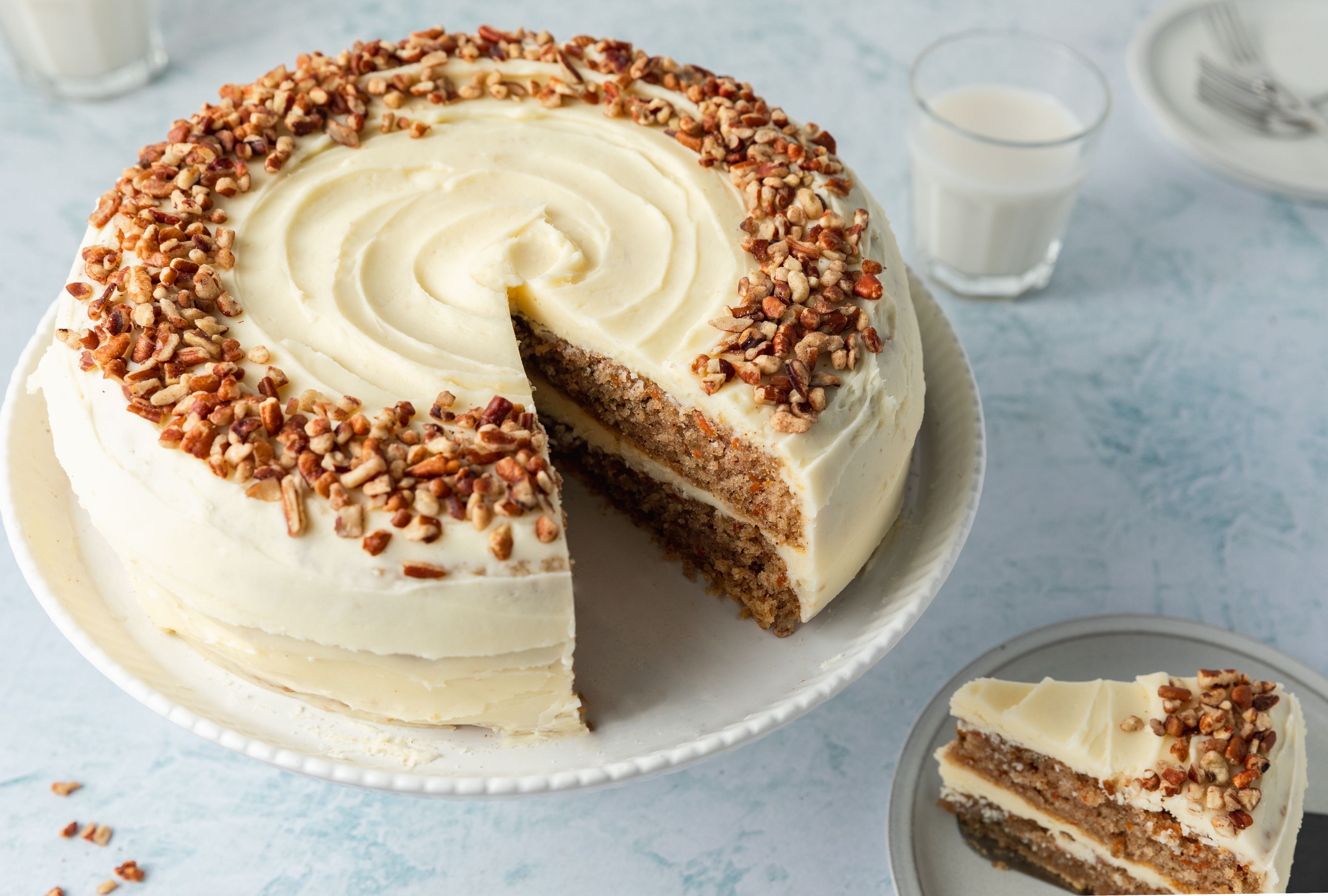
This recipe uses vegetable oil for a soft crumb, freshly grated carrots for natural moisture, brown sugar for depth, and just enough warm spice to make the kitchen smell like someone has their life together. You can bake it as a two-layer cake, a 9-by-13-inch sheet cake, or even cupcakes. The result is a moist carrot cake with cream cheese frosting that tastes homemade in the best possible way: generous, cozy, and just a little messy.
Homemade Carrot Cake at a Glance
- Prep time: 30 minutes
- Bake time: 32 to 38 minutes
- Cooling time: 1 hour
- Total time: About 2 hours
- Yield: 12 to 14 slices
- Best for: Easter, birthdays, brunch, holidays, and “just because” cake emergencies
Ingredients for the Best Carrot Cake
For the Carrot Cake
- 2 cups all-purpose flour, spooned and leveled
- 2 teaspoons baking soda
- 1 teaspoon baking powder
- 1 teaspoon fine salt
- 2 teaspoons ground cinnamon
- 1/2 teaspoon ground ginger
- 1/4 teaspoon ground nutmeg
- 1 cup granulated sugar
- 3/4 cup packed light brown sugar
- 1 cup neutral oil, such as canola or vegetable oil
- 4 large eggs, room temperature
- 2 teaspoons pure vanilla extract
- 3 cups finely grated fresh carrots
- 1 cup chopped toasted pecans or walnuts, optional
- 1/2 cup raisins, optional
- 1/2 cup crushed pineapple, well drained, optional for extra moisture
For the Cream Cheese Frosting
- 8 ounces full-fat block cream cheese, softened
- 1/2 cup unsalted butter, softened
- 3 to 3 1/2 cups powdered sugar, sifted
- 1 1/2 teaspoons pure vanilla extract
- 1 pinch fine salt
- 1 teaspoon fresh lemon juice, optional
How to Make Carrot Cake
Step 1: Prepare the Pans
Preheat the oven to 350°F. Grease two 9-inch round cake pans, line the bottoms with parchment paper, and lightly flour the sides. If you prefer a sheet cake, grease a 9-by-13-inch baking pan instead. Parchment paper may not seem glamorous, but it is the tiny baking insurance policy that prevents heartbreak when your cake refuses to leave the pan.
Step 2: Mix the Dry Ingredients
In a medium bowl, whisk together the flour, baking soda, baking powder, salt, cinnamon, ginger, and nutmeg. Whisking helps distribute the leavening evenly, so you do not end up with one heroic corner of cake rising like a mountain while the rest stays flat and confused.
Step 3: Combine the Wet Ingredients
In a large bowl, whisk the granulated sugar, brown sugar, oil, eggs, and vanilla until smooth. Oil gives carrot cake its signature moist texture. Butter tastes wonderful in many cakes, but carrot cake often benefits from oil because it stays soft even after refrigeration.
Step 4: Add the Carrots and Mix-Ins
Fold the freshly grated carrots into the wet mixture. Add toasted pecans or walnuts if you like crunch, raisins if you enjoy a chewy pop of sweetness, or drained crushed pineapple if you want extra moisture. The key word is “fold.” You are making cake, not training for an arm-wrestling tournament.
Step 5: Combine Wet and Dry Mixtures
Add the dry ingredients to the wet ingredients and stir gently until just combined. Stop mixing as soon as you no longer see dry flour. Overmixing can make carrot cake dense or rubbery because it develops too much gluten. A few small lumps are fine. In fact, they are a sign you knew when to walk away.
Step 6: Bake the Cake
Divide the batter evenly between the prepared pans. Bake for 32 to 38 minutes, or until a toothpick inserted into the center comes out clean or with a few moist crumbs. If using a 9-by-13-inch pan, begin checking around 35 minutes. Let the cakes cool in the pans for 10 to 15 minutes, then turn them out onto a wire rack to cool completely.
Step 7: Make the Cream Cheese Frosting
Beat the softened cream cheese and butter together until smooth and creamy. Add the powdered sugar, vanilla, salt, and lemon juice if using. Beat until fluffy, scraping down the bowl as needed. Use full-fat block cream cheese for the best structure. Spreadable cream cheese from a tub is convenient for bagels, but for frosting it can turn runny faster than a toddler near a sprinkler.
Step 8: Frost and Decorate
Place one cooled cake layer on a serving plate. Spread a thick layer of cream cheese frosting over the top. Add the second layer, then frost the top and sides. Decorate with chopped nuts, a dusting of cinnamon, or tiny frosting carrots if you are feeling ambitious. If your frosting is not perfectly smooth, call it “rustic bakery style” and proceed confidently.
Tips for a Moist Carrot Cake
Use Freshly Grated Carrots
Fresh carrots are the heart of a good carrot cake recipe. Pre-shredded carrots from a bag are often too dry and thick, which can lead to a cake that tastes less tender. Grate whole carrots at home using the small or medium holes of a box grater. The moisture released from fresh carrots helps create that soft, plush crumb everyone wants.
Toast the Nuts
If you are adding pecans or walnuts, toast them first. A few minutes in the oven deepens their flavor and makes them taste nuttier, warmer, and less raw. Cool them before adding them to the batter so they do not melt anything or throw off the texture.
Do Not Frost a Warm Cake
Cream cheese frosting and warm cake are not friends. Frosting a cake before it cools completely can cause the frosting to melt, slide, or look like it made a dramatic escape attempt. Let the layers cool fully before assembling. If you are short on patience, refrigerate the layers briefly after they reach room temperature.
Measure Flour Correctly
Too much flour can make carrot cake dry. For the best result, spoon flour into the measuring cup and level it with a knife. Do not scoop directly from the bag, because packed flour can add more than you intended. Baking is chemistry, but luckily this part does not require goggles.
Carrot Cake Variations
Carrot Cake with Pineapple
For a very moist carrot cake, fold in 1/2 cup of well-drained crushed pineapple. It adds gentle sweetness and moisture without taking over the flavor. Drain it thoroughly so the batter does not become too wet.
Carrot Cake with Coconut
Add 1/2 cup sweetened shredded coconut for a slightly tropical flavor and chewy texture. Coconut pairs especially well with pecans and pineapple.
Carrot Cake Cupcakes
Divide the batter among lined muffin cups, filling each about two-thirds full. Bake at 350°F for 18 to 22 minutes. Pipe or spread cream cheese frosting on top once cooled. Carrot cake cupcakes are excellent for parties because nobody has to pretend they can cut even slices.
One-Layer Carrot Snack Cake
Use a 9-by-13-inch pan for an easy carrot sheet cake. It is less formal than a layer cake but every bit as delicious. This version is perfect for potlucks, lunchboxes, or casual weekends when you want cake without architecture.
What to Serve with Carrot Cake
Carrot cake is rich, so it pairs beautifully with simple drinks and fresh flavors. Serve it with hot coffee, black tea, chai, cold milk, or a lightly sweetened iced latte. For a spring dessert table, add fresh berries, lemon bars, or a bowl of sliced oranges. The bright fruit balances the warm spices and creamy frosting.
If you are serving carrot cake after dinner, keep the meal simple. Roasted chicken, baked ham, grilled vegetables, or a fresh green salad all work well before a slice of homemade carrot cake. The cake itself has enough personality; dinner does not need to perform a Broadway number.
How to Store Carrot Cake
Because this carrot cake has cream cheese frosting, store it in the refrigerator. Cover it with a cake dome or place slices in an airtight container. It will stay fresh for about 4 to 5 days. For the best texture, let slices sit at room temperature for 20 to 30 minutes before serving. Cold cake is still good, but slightly softened frosting tastes creamier and more balanced.
You can freeze unfrosted carrot cake layers for up to 2 months. Wrap cooled layers tightly in plastic wrap, then in foil. Thaw overnight in the refrigerator before frosting. You can also freeze individual frosted slices, though the frosting may look slightly less polished after thawing. The flavor will still be there, and frankly, that is the important part.
Common Carrot Cake Mistakes to Avoid
Using Carrot Chunks Instead of Grated Carrots
Carrots should be finely grated, not chopped. Large carrot pieces may not soften enough during baking, leaving crunchy bits in the cake. Crunch is welcome from nuts; surprise raw carrot nuggets, less so.
Adding Too Many Mix-Ins
Nuts, raisins, coconut, and pineapple are all delicious, but too many additions can make the cake heavy. Choose two or three favorites and keep the total amount reasonable. The goal is carrot cake, not trail mix wearing frosting.
Overbaking
Overbaked carrot cake loses its moist texture. Start checking early and remove the cake when the center springs back lightly and a toothpick shows moist crumbs. A clean toothpick is fine, but if it looks bone-dry and the edges are pulling hard from the pan, it may be overdone.
Using Cold Cream Cheese
Cold cream cheese can create lumpy frosting. Let the cream cheese and butter soften at room temperature before beating. Soft does not mean melted; it should give slightly when pressed.
Frequently Asked Questions About Carrot Cake
Can I make carrot cake ahead of time?
Yes. Carrot cake is a wonderful make-ahead dessert because the flavors deepen after several hours. Bake the layers one day ahead, cool them completely, wrap them well, and refrigerate. Frost the cake the next day for the freshest appearance.
Can I make this carrot cake without nuts?
Absolutely. Leave out the nuts if you prefer a smoother texture or need a nut-free dessert. The cake will still be moist and flavorful.
Can I reduce the sugar?
You can reduce the sugar slightly, but avoid cutting too much. Sugar affects moisture, tenderness, browning, and structure. If you prefer a less sweet cake, reduce the powdered sugar in the frosting first rather than dramatically changing the cake batter.
Why is my carrot cake dense?
Dense carrot cake usually comes from overmixing, too much flour, too many heavy add-ins, or expired leavening. Mix gently, measure accurately, and check that your baking soda and baking powder are fresh.
Personal Experience: What Baking Carrot Cake Teaches You
Carrot cake has a funny way of turning a normal kitchen into a tiny bakery with a mild carrot confetti problem. The first thing you learn is that grating carrots by hand feels charming for about thirty seconds, and then it becomes a forearm workout. Still, it is worth it. Freshly grated carrots release moisture into the batter in a way packaged shreds simply do not. The texture becomes softer, the crumb more tender, and the flavor more natural. It is the difference between “nice cake” and “who made this, and are they accepting compliments?”
The second lesson is that carrot cake rewards patience. You can mix the batter quickly, but cooling the layers is where many bakers are tested. Warm cake smells incredible, and cream cheese frosting looks ready to leap into action. But if you frost too soon, the frosting melts, the layers slide, and suddenly your elegant dessert resembles a sweet landslide. Waiting until the cake is completely cool is not just a technical step; it is character development.
Another useful experience is learning how much personality a carrot cake can handle. Some families love raisins. Some treat raisins in cake like a personal betrayal. Some want walnuts, others prefer pecans, and a few brave souls ask for coconut, pineapple, and nuts all at once. The best approach is to know your audience. If you are baking for a crowd, keep the base classic and put extra toasted nuts on the side. That way, everyone gets a slice without a dessert debate breaking out near the coffee pot.
Carrot cake also teaches the importance of frosting balance. Cream cheese frosting should taste tangy and rich, not just sugary. A pinch of salt and a splash of vanilla make a noticeable difference. A little lemon juice can brighten the flavor without making it taste like lemon cake. The frosting should support the spice and sweetness of the cake, not bury it under a snowdrift of powdered sugar.
Finally, carrot cake is one of the best reminder recipes that homemade food does not need to look perfect to be memorable. Slightly uneven frosting, a few crumbs in the final coat, or walnuts scattered with “creative freedom” do not matter once the cake is sliced. People remember the moist crumb, the warm cinnamon aroma, the tang of the frosting, and the feeling that someone took the time to make something generous. In that way, carrot cake is more than dessert. It is comfort with a box grater, a mixing bowl, and a very good excuse for a second slice.