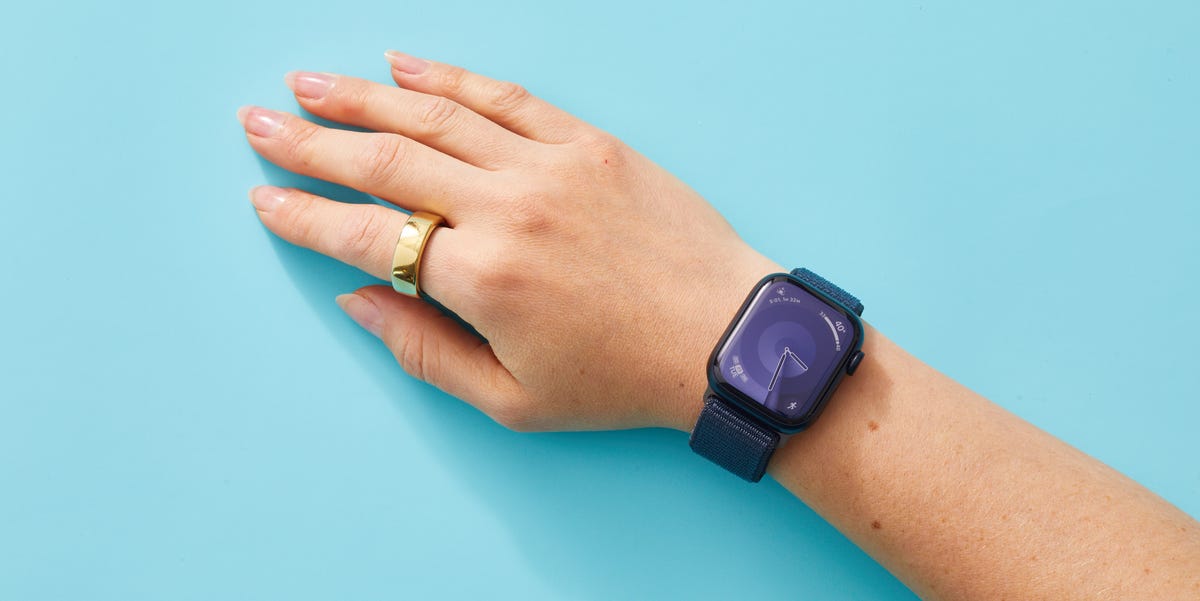
Let’s be honest: comparing an Oura Ring and an Apple Watch is a little like comparing a quiet nutrition coach to a caffeinated personal assistant who also wants to answer your texts. Both promise better health tracking. Both can help you understand your body. But they do it in completely different ways, and that difference matters a lot more than spec-sheet warriors like to admit.
In 2024, this matchup became even more interesting. Oura kept leaning hard into sleep, recovery, stress, and discreet all-day wear, while Apple continued doing what Apple does best: building a smartwatch that is also a very serious fitness and health device. So which one actually makes more sense when you put them side by side?
Here’s the short version: if your main goal is better sleep, smarter recovery, and health insights without another glowing rectangle bossing you around, the Oura Ring is the better fit. If you want a more complete fitness tracker, a true smartwatch, live workout tools, safety features, notifications, apps, and a mini command center on your wrist, the Apple Watch wins. Not by a little, either. By a lot.
Quick Verdict
Best for sleep and recovery: Oura Ring
Best for workouts and everyday smart features: Apple Watch
Best for comfort during sleep: Oura Ring
Best for runners, gym-goers, and people who want one wearable to do almost everything: Apple Watch
Best for people who hate wearing “tech”: Oura Ring
Best overall value if you refuse subscriptions: Apple Watch
Why This Comparison Is Trickier Than It Looks
The biggest mistake people make is assuming these wearables are direct substitutes. They are not. The Apple Watch is a smartwatch first and a health device second, even though its health features are excellent. The Oura Ring is a health wearable first and a smartwatch not at all. It has no display, no buzzing parade of notifications, no on-wrist apps, and no “just one more quick glance” energy.
That difference shapes everything. The Apple Watch is better when you are active, moving, training, navigating, answering messages, setting timers, or trying to keep your phone in your pocket. Oura is better when you are sleeping, recovering, managing stress, noticing long-term patterns, and trying not to be distracted by a tiny wrist computer at 11:47 p.m.
Design and Comfort: Ring of Subtlety vs. Wrist of Power
This round goes to Oura for one simple reason: you barely notice it. Once you get the right size, the ring disappears into daily life in a way the Apple Watch never quite does. It is lighter, subtler, and easier to wear to bed. If your idea of nighttime comfort includes “absolutely no glowing screens touching my body,” Oura gets points before the tracking even starts.
The Apple Watch, however, is the more versatile wearable. You can swap bands, customize watch faces, control music, glance at workouts, answer calls, and use it for a hundred tiny conveniences throughout the day. It feels more like a tool. Oura feels more like a background system quietly gathering clues.
There is one caveat for the ring: certain workouts are awkward. Weightlifting, pull-ups, kettlebells, heavy carries, and anything that involves gripping metal can make a ring feel annoying fast. If your gym sessions are hand-heavy, the Apple Watch is much easier to live with.
Sleep Tracking: Oura’s Home Turf
If sleep is your main reason for buying a wearable, Oura is the stronger pick. This is where it feels laser-focused. The app does a very good job of translating nightly data into something useful: sleep score, readiness, body temperature trends, resting heart rate, heart rate variability, and simple guidance that makes you feel less like you are reading a spreadsheet and more like you are getting a morning debrief.
The Apple Watch tracks sleep well, too, and it has improved a lot. It records sleep stages, duration, respiratory rate, and wrist temperature trends, and Apple’s health ecosystem is much better than it used to be at presenting a fuller wellness picture. But Apple’s sleep experience still feels more clinical and less interpretive. It gives you information. Oura gives you a story about what that information likely means.
That difference is huge in real life. If you wake up groggy, Oura is more likely to tell you, in plain English, that your recovery dipped, your temperature trend shifted, your resting heart rate stayed elevated, and maybe tonight is not the night to pretend you are training for the Olympics. Apple Watch, by contrast, is more likely to hand you the data and politely assume you are a grown-up who can connect the dots.
That works for some people. For others, it is like being handed puzzle pieces before coffee.
Workout Tracking and Fitness Features: Apple Watch Pulls Away
This is where the Apple Watch stops being polite and starts winning. For exercise, it is simply the more capable device. You get a screen, real-time stats, heart rate zones, pace data, timers, workout views, and a much richer training experience overall. Whether you run, cycle, hike, do intervals, or just want something that feels responsive while you move, the Apple Watch is the better athlete.
Oura does track activity, and it has gotten better. It can automatically detect many activities, estimate effort, track heart rate during workouts, and connect with partner platforms like Strava. But it still feels like a recovery-first wearable that happens to understand exercise, not a dedicated training tool. Oura is great at telling you whether today is a smart day to train hard. Apple Watch is better at helping you actually do the training.
If your wearable needs to guide a run, time intervals, log a ride, show pace at a glance, or double as a music-and-notification hub while you exercise, the Apple Watch is miles ahead. Oura is not bad here. It is just not built to be your digital coach on the move.
Health Features: Different Strengths, Different Personalities
Both devices are excellent for general wellness, but they emphasize different things.
Where Oura shines
Oura is strongest when it comes to recovery signals, sleep quality, stress trends, overnight blood oxygen insights, temperature changes, cycle-related insights, and long-term behavior patterns. It is a “listen to your body” wearable. It rewards consistency. The longer you wear it, the more helpful it becomes.
Where Apple Watch shines
Apple Watch is stronger for active health management and real-world utility. It combines fitness tracking, ECG support on eligible models, irregular rhythm notifications, medication reminders, safety features, fall-related tools, and emergency capabilities with everything else a smartwatch can do. Late in 2024, Apple also pushed sleep apnea notifications to supported models, which made its sleep-health story more compelling than it was earlier in the year.
One annoying wrinkle in 2024, though, was that Apple’s blood oxygen story in the U.S. got messy on some newer watches sold after mid-January. Oura, by comparison, kept its overnight oxygen and breathing-focused wellness experience simpler and less confusing.
Battery Life and Charging: Oura Is Less Needy
If you hate charging devices, Oura is the obvious winner. A smart ring that lasts several days just fits better into real life than a smartwatch that often wants attention every day. That matters more than people think, especially if you are tracking sleep. A wearable that needs frequent charging often ends up charging during the exact hours when you should be wearing it.
The Apple Watch Series 9 is fine by smartwatch standards, but “fine” is not the same as “relaxing.” You need to think about battery more often. Oura is much easier to top up in the background and forget about. Apple Watch is more like a small pet: delightful, useful, and occasionally needy before bed.
Price, Subscription, and Long-Term Value
This is where the choice gets sneaky. At first glance, Oura can seem cheaper than an Apple Watch. But once you add the membership fee, the math changes. Oura’s hardware is only part of the cost; the subscription is a real piece of the experience, not a tiny footnote in microscopic text.
If you plan to use Oura for years, you should think in total cost, not shelf price. Apple Watch asks for more money upfront, but it does not demand an ongoing wellness toll to unlock the full story. If subscriptions annoy you on a spiritual level, the Apple Watch is the easier recommendation.
That said, Oura’s subscription is also where much of its value lives. Its app is polished, thoughtful, and unusually good at turning body signals into practical nudges. So this is not one of those fake subscriptions that exists just because a finance team got too excited. It is central to the product.
What the Data Actually Feels Like
This is the most important difference, and it rarely shows up in spec tables.
Apple Watch gives you more data in the moment. Oura gives you more meaning over time.
Apple Watch is the wearable I would pick if I wanted a device that could help me during the day: while running, while commuting, while answering a message, while checking a timer, while skipping songs, while getting safety alerts, or while trying not to take my phone out 90 times. Oura is the device I would pick if I wanted to understand why I felt off this week, why my sleep has drifted, why recovery suddenly tanked, or whether my body is quietly asking for a break.
That is not a small difference. It is the whole game.
Who Should Buy the Oura Ring?
Buy the Oura Ring if you care most about sleep, recovery, stress tracking, comfort, and discreet wear. It is especially good for people who already know they do not want a smartwatch lifestyle. If the idea of getting fewer interruptions sounds like self-care instead of sacrifice, Oura will probably make you happy.
It is also a smart choice for people who love pattern recognition. Oura is less about “look at your wrist right now” and more about “look at the last three weeks and stop pretending that four hours of sleep and three iced coffees is a personality.”
Who Should Buy the Apple Watch?
Buy the Apple Watch if you want the best all-around wearable for the iPhone ecosystem. It is the better fitness companion, the better communication device, the better travel tool, the better safety device, and the better “one gadget that does almost everything” option.
If you exercise regularly, want live workout metrics, care about notifications, use timers constantly, like on-wrist apps, or want your wearable to actively help you through the day, the Apple Watch is the better pick. It is not subtle, but it is tremendously useful.
Real-World Experience: What Living With Both Feels Like
The most revealing part of a side-by-side comparison is not the hardware. It is the mood each device creates.
The Oura Ring experience feels calm. You put it on, forget about it, and let it work in the background. In the morning, it gives you a compact read on how your body handled the night. Some days it is validating. Some days it is a gentle intervention. It is the wearable equivalent of a friend who says, “Hey, you say you’re fine, but your body seems to have filed a complaint.” That can be surprisingly useful. Instead of obsessing over one rough night, you start noticing trends: late meals, inconsistent bedtimes, stressful workdays, poor recovery after travel, and the difference between being tired and being actually run down.
The Apple Watch experience is more active and more demanding. It wants to help all day long. It nudges, reminds, tracks, displays, alerts, celebrates, and occasionally acts like your wrist got hired as middle management. Sometimes that is wonderful. During workouts, it is fantastic. On busy days, it can replace dozens of quick phone checks. Walking directions, timers while cooking, message previews, music controls, call handling, and workout stats all make it feel far more useful minute to minute.
But side by side, the contrast becomes obvious by bedtime. Oura is the device that most naturally supports sleep because it is built around the assumption that nighttime is important. The Apple Watch can track sleep, but it still feels like a daytime device that stays late. If you are sensitive to straps, screens, haptics, or the general presence of technology while sleeping, the ring is easier to forget and therefore easier to wear consistently. And consistency is everything in health tracking. A perfect device you stop wearing is just expensive jewelry with battery anxiety.
There is also the psychological side. Oura often makes you feel reflective. Apple Watch often makes you feel productive. Again, neither is wrong. They are just different. On a stressful week, Oura is more likely to steer you toward recovery, easier movement, earlier bedtime, and better pacing. Apple Watch is more likely to make you say, “I can absolutely close my rings even though I am running on fumes.” That is not the watch’s fault, to be fair. That is just human nature plus shiny metrics.
For travel, Oura is easier. For races, training blocks, and everyday digital convenience, Apple Watch is better. For quiet health awareness, Oura wins. For active lifestyle management, Apple Watch wins. For sleeping, Oura wins. For working out, Apple wins. For staying connected without pulling out your phone, Apple wins by a landslide. For disappearing into your life and surfacing only when it has something meaningful to say, Oura is in its own lane.
If I were advising someone who cares most about sleep quality, recovery, stress, and long-term wellness habits, I would point them toward Oura first. If I were advising someone who wants one wearable to handle health, fitness, convenience, and safety in a single package, I would send them to the Apple Watch without hesitation. They are both excellent. They just solve different problems while wearing the same marketing costume.
Final Verdict
The Oura Ring is the better wellness specialist. The Apple Watch is the better all-around wearable.
If your biggest question is, “How is my body doing?” get the Oura Ring. If your biggest question is, “What can this wearable do for me right now?” get the Apple Watch.
And if you are the kind of person who wants perfect sleep data, elite workout tracking, rich smartwatch tools, minimal charging, zero subscriptions, and absolute comfort, congratulations: you are looking for a mythical creature, not a wearable.