Some fans look like they were designed during a lunch break by someone who had never been hot. The Otto Adjustable Industrial Fan is not one of them. It has the soul of an old workshop fan, the manners of modern home decor, and a bamboo frame that says, “Yes, I move air, but I also own a linen shirt.”
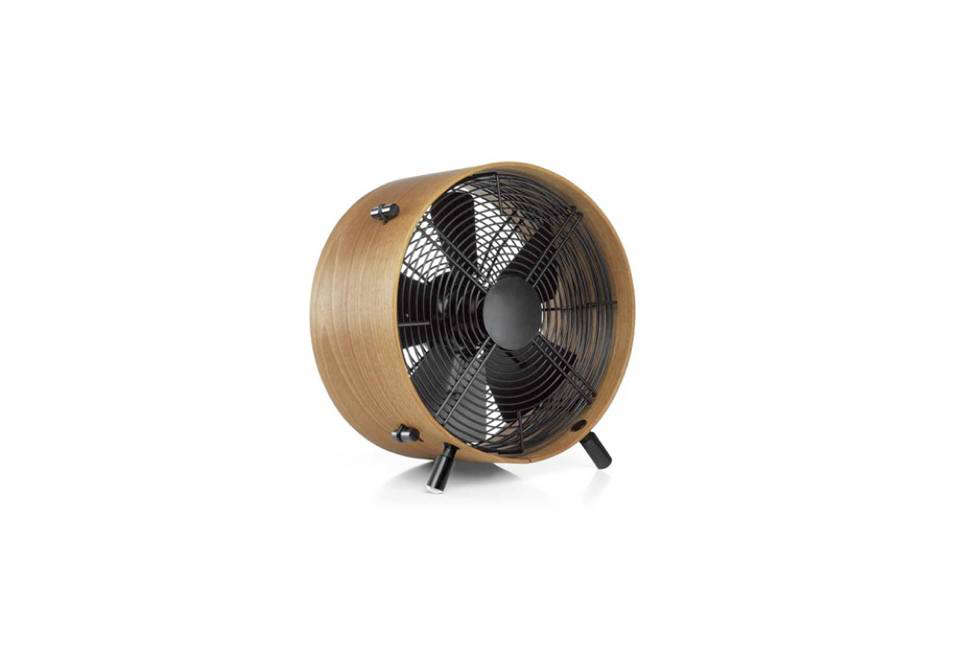
Known most commonly as the Stadler Form Otto fan, this stylish air circulator blends industrial strength with furniture-like design. Instead of hiding in a corner like a guilty plastic appliance, Otto is made to be seen. Its round bamboo housing, steel grille, adjustable feet, and compact table-or-floor profile make it a rare fan that can cool a room without visually bullying the furniture.
But pretty is not enough. A fan still has to do the fan thing: move air, reduce stuffiness, support ventilation, and make a warm room feel less like a baked potato wrapped in drywall. This review-style guide breaks down the Otto Adjustable Industrial Fan in plain American English: what it is, how it works, where it fits best, what to check before buying, and whether its design-first personality is worth the premium.
What Is the Otto Adjustable Industrial Fan?
The Otto Adjustable Industrial Fan is a compact desk, table, or floor fan designed by Swiss designer Carlo Borer for Stadler Form. Earlier listings often refer to it under Swizz Style or Stadler Form, while current versions are generally sold as the Stadler Form Otto. The defining feature is its curved bamboo frame, which gives the fan a warmer, more architectural look than the usual white-plastic “office supply closet” appliance.
The word “industrial” here does not mean it belongs in a welding shop covered in sparks and existential dust. It refers more to its exposed metal grille, straightforward air-moving shape, and strong airflow personality. Otto has the visual DNA of a vintage industrial fan, but it is sized and styled for living rooms, bedrooms, home offices, studios, and design-conscious apartments.
One important note: Otto specifications may vary by generation and market. Older product pages commonly describe a three-speed model with 45 watts of rated power, adjustable feet, and a maximum wind volume around 65,000 cubic feet. Newer Stadler Form Otto versions may list eight power levels, a DC fan system, lower power consumption, and updated noise figures. That means shoppers should always confirm the exact model number before buying. In fan land, one extra letter in a model code can be the difference between “gentle breeze” and “why is my paperwork migrating?”
Design: Bamboo Meets Industrial Cool
The first reason people notice the Otto fan is obvious: it does not look like most portable fans. Its bamboo ring gives it the visual warmth of natural furniture, while the metal grille and exposed blades keep the design crisp and mechanical. It works especially well in modern, Scandinavian, mid-century, rustic, minimalist, and eclectic spaces.
The bamboo frame is not just decorative fluff. Bamboo is a fast-growing material often used in eco-conscious product design because it is durable, lightweight, and visually distinctive. Otto’s frame is typically described as sustainably produced bamboo, shaped into a seamless circular housing. The result is a fan that feels less like a seasonal gadget and more like an object you can leave out year-round without apologizing to your coffee table.
The color and grain of the bamboo also make each unit slightly different. That is part of the charm. Plastic fans are identical in the way hotel ice buckets are identical. Otto has a more natural, furniture-grade feel, which helps explain why it often appears in design blogs, decor roundups, and boutique home stores rather than only in the “things that blow air” aisle.
Key Features of the Otto Fan
Adjustable Feet for Directional Airflow
The “adjustable” part of the Otto Adjustable Industrial Fan refers mainly to its feet and airflow angle. The fan can be positioned to send air slightly upward or outward depending on where it is placed. This is useful in a living room where you may want airflow across a seating area, or in a bedroom where you want circulation without aiming a gale directly at your face all night.
Multiple Speed Settings
Depending on the model, Otto may offer three fan speeds or eight power levels. The basic idea is the same: choose a low setting for a quiet breeze, a middle setting for steady room circulation, or a higher setting when the room has officially become “soup with furniture.” Newer eight-level versions provide finer control, which is useful for bedrooms and offices where comfort depends on small adjustments.
Compact Desk or Floor Placement
Otto is often listed around 14 inches wide and roughly 15 inches tall, though dimensions vary slightly by model and retailer. That makes it large enough to move meaningful air in a small or medium room, but compact enough for a sideboard, office floor, low shelf, studio corner, or bedside area. It is not a towering pedestal fan, and that is the point. Otto is a design-friendly air circulator, not a wind turbine applying for a building permit.
Easy-Clean Rear Grille
Fans collect dust. This is not a flaw; it is a law of indoor physics, right next to “remote controls vanish when you need them.” Otto’s rear protective grille can be unscrewed so the fan blades can be wiped clean with a damp cloth. This matters because dusty blades reduce airflow, increase noise, and make the fan look sad. Regular cleaning helps preserve both performance and appearance.
Strong Air Circulation
Retailer descriptions for older Otto models mention airflow suitable for rooms up to about 430 square feet, with strong maximum wind volume. Newer specifications often list room coverage around 40 square meters, which is roughly comparable for small to medium living spaces. Real-world performance will depend on room layout, ceiling height, furniture, heat sources, and where the fan is placed.
Performance: Does Otto Actually Move Air?
Yes, Otto is designed to move more air than a tiny desk fan, and its broad circular grille helps create a direct, noticeable stream. It performs best as a personal comfort fan and room circulation fan. Put it across from your desk, near a seating area, or angled from a corner, and it can make a warm room feel fresher quickly.
That said, it is not a replacement for air conditioning in extreme heat. No portable fan lowers the actual air temperature by itself. A fan makes people feel cooler by moving air across the skin, helping sweat evaporate, and preventing stagnant air from building up. In other words, Otto does not defeat summer; it negotiates with it.
Otto works especially well when paired with smart airflow habits. Place it near a window during cooler morning or evening hours to pull in fresh air. Aim it across a room rather than straight into a wall. Use it with an air conditioner to distribute cooled air more evenly. In mild heat, it may let you raise the thermostat a few degrees while still feeling comfortable, which can help reduce cooling costs.
Noise Level: Quiet Enough for Home Use?
Noise depends heavily on the model and speed setting. Older listings commonly mention sound levels in the low-to-high 40 dB range, while newer versions may list a broader range depending on power level. On low settings, Otto is generally suitable for a living room, office, or casual bedroom use. On high, expect more audible airflow. That is normal: moving more air means making more sound. Fans do not whisper hurricanes.
For sleeping, the best approach is to use the lowest speed that provides comfort and place the fan several feet away rather than right next to the pillow. Some people enjoy the soft white noise of a fan at night; others want silence worthy of a library after closing time. If you are extremely noise-sensitive, compare Otto’s stated decibel range with dedicated quiet bedroom fans before buying.
Best Uses for the Otto Adjustable Industrial Fan
Living Rooms
Otto is a strong fit for living rooms because it looks intentional. Many fans make a carefully decorated room look like someone gave up. Otto can sit near a media console, bookshelf, or reading chair and still feel like part of the design. It is especially useful in rooms where ceiling fans are not installed or where air conditioning leaves one corner weirdly warm.
Bedrooms
In bedrooms, Otto works best for sleepers who like direct but controllable airflow. Adjustable feet help angle the breeze above or across the bed. For hot sleepers, it can be a summer lifesaver. For blanket loyalists who insist on sleeping under a comforter in July, Otto may become a trusted accomplice.
Home Offices
A home office can heat up fast, especially with computers, monitors, lamps, and the emotional warmth of unread emails. Otto provides targeted air movement without taking over the desk. Place it on the floor beside a cabinet or on a low shelf, and it can keep air moving during long work sessions.
Studios and Creative Spaces
Artists, designers, photographers, and makers often care about both function and atmosphere. Otto fits that world nicely. It has enough industrial character for a studio, enough natural texture for a creative space, and enough airflow to keep the room from turning into a slow cooker with Wi-Fi.
Who Should Buy the Otto Fan?
The Otto Adjustable Industrial Fan is ideal for people who want a portable fan that looks as good as it works. It is a particularly strong choice for design-conscious buyers, apartment dwellers, homeowners without ceiling fans, and anyone who dislikes the look of plastic appliances.
It also makes sense for buyers who prefer long-lasting objects over disposable seasonal gadgets. The bamboo frame, metal grille, and clean mechanical shape give Otto a more permanent feel. You are not buying the cheapest fan in the aisle; you are buying a functional decor piece that also happens to push air around with enthusiasm.
However, Otto may not be the best choice for everyone. If your top priority is the lowest possible price, a basic box fan or budget air circulator will cost less. If you need oscillation, remote control, smart-home features, a timer, or ultra-quiet sleep mode, other modern fans may offer more convenience. Otto is strongest when design, materials, direct airflow, and simplicity matter more than digital extras.
Pros and Cons
Pros
- Beautiful bamboo frame that fits stylish interiors
- Industrial-inspired look without looking harsh or bulky
- Adjustable feet for better airflow direction
- Strong air movement for small to medium rooms
- Rear grille can be removed for blade cleaning
- Compact enough for floor, table, or shelf placement
- Good option for living rooms, bedrooms, offices, and studios
Cons
- Usually more expensive than basic plastic fans
- Specifications vary by model generation and market
- May lack smart features, remote controls, or timers
- High settings can be noticeably louder
- Not a substitute for air conditioning in severe heat
How to Choose the Right Otto Model
Before purchasing, check the model number, voltage, speed settings, wattage, dimensions, and return policy. This is especially important because older Otto listings and newer Otto listings may describe different speed systems. Some product pages mention three speeds and 45 watts, while newer official descriptions may mention eight power levels and lower energy consumption.
Also confirm whether you are buying from a U.S. retailer, an international seller, or a marketplace listing. Voltage compatibility matters. A fan designed for a different electrical market may require adapters or may not be ideal for U.S. households. Do not gamble with appliances unless your hobby is creating confusing conversations with customer support.
Look closely at the photos, too. Genuine Otto fans usually have the signature bamboo ring, steel grille, compact round profile, and Stadler Form branding. If a listing looks suspiciously cheap or uses vague photos, proceed carefully. Premium fans attract copycat listings the way porch lights attract moths.
Cleaning and Maintenance Tips
To keep Otto performing well, unplug the fan before any cleaning. Wipe the exterior bamboo frame with a lightly damp cloth and dry it promptly. Avoid soaking the wood or using aggressive chemical cleaners. The fan blades can be cleaned by removing the rear grille according to the manual, usually by loosening screws. Once open, wipe dust from the blades and grille, then reassemble securely.
Cleaning frequency depends on your home. A fan in a dusty room, pet household, or open-window apartment may need attention every few weeks during heavy use. A cleaner environment may only require occasional maintenance. The basic rule is simple: when the blades start wearing little gray sweaters, it is cleaning day.
Otto vs. Regular Plastic Fans
Compared with a standard plastic table fan, Otto wins on design, materials, and visual presence. It is the fan you choose when the room matters. It looks more mature, more intentional, and more durable than many budget fans. It can blend with natural wood furniture, black metal accents, leather seating, woven rugs, and modern lighting.
A regular plastic fan often wins on price and sometimes on features. Many affordable fans offer oscillation, remote controls, timers, and multiple modes for less money. If you only need quick airflow in a garage or laundry room, a budget fan may be the practical choice. But if you want something that belongs in a living room, Otto makes a stronger case.
Real-Life Placement Examples
In a studio apartment, place Otto near a window in the evening to help move cooler outdoor air into the room. In a living room, position it across from a sofa and angle the airflow slightly upward so the breeze circulates rather than blasting one person like they are being interviewed by a weather channel reporter. In a bedroom, keep it near a dresser or floor corner and use a lower speed for steady overnight comfort.
In a home office, place Otto at floor level beside the desk and angle it toward your torso rather than your face. This keeps you cooler without drying your eyes. For rooms with air conditioning, use Otto to push cool air into warmer corners or down a hallway. Strategic placement can make the whole room feel more balanced.
Is the Otto Adjustable Industrial Fan Worth It?
The Otto Adjustable Industrial Fan is worth considering if you care about design as much as cooling. Its value is not just measured in airflow. It is measured in the fact that you do not have to hide it when guests come over. It is functional, sculptural, and pleasantly unusual.
Buy it if you want a premium portable fan with natural materials, a compact footprint, adjustable airflow, and a distinctive industrial-modern look. Skip it if you want the cheapest fan, the quietest fan on earth, or a feature-packed smart fan with app controls and bedtime automation. Otto is not trying to be a gadget. It is trying to be a fan with taste.
Additional Experience: Living With an Otto Adjustable Industrial Fan
Using the Otto Adjustable Industrial Fan day to day feels different from using a typical fan because it behaves like part appliance, part decor object. The first thing people usually notice is not the airflow, but the look. A bamboo fan in a room full of electronics has a calming effect. It softens the space. It says, “Yes, this room contains cables, chargers, routers, and maybe one mysterious remote nobody can identify, but nature is still invited.”
In practical use, Otto is best when you think of it as an air director. It does not need to sit directly in front of you to be useful. In fact, it often works better when angled across the room. Air that moves across a space helps reduce hot pockets and makes the room feel more alive. This is especially noticeable in apartments where one window gets sun all afternoon. Put Otto near the warmer side of the room and let it push air toward the cooler side. The difference can be surprisingly pleasant.
For home office work, Otto shines because it has a more polished appearance than a regular fan. During video calls, it can sit in the background without making the room look like a temporary dorm setup. On lower settings, it adds comfort without becoming the main character. On higher settings, it is better used between calls or during focused work when a little fan noise is acceptable. Like many strong fans, high speed is not silent, but the airflow payoff is real.
In a bedroom, the experience depends on personal preference. Some sleepers love a steady breeze and soft fan sound. Others prefer air movement that is present but indirect. Otto’s adjustable feet help with this because you can aim the airflow above bed level or across the room instead of straight at your face. That avoids the classic fan problem: waking up cool but feeling like your eyeballs spent the night in the desert.
Cleaning is part of the ownership experience, and Otto makes it reasonably manageable. Because the grille can be removed, you can actually reach the blades rather than poking at dust through the front with a cotton swab like you are defusing a tiny appliance bomb. The bamboo frame should be treated with care: damp cloth, gentle touch, dry finish. Do not treat it like a plastic shop fan that can be blasted with cleaning spray and forgotten in the garage.
The most satisfying part of owning Otto is that it can stay out all year. Many fans get stored away when summer ends because they look seasonal or cheap. Otto can remain in a reading corner, office, or living room as a design accent. Even when it is not running, it looks intentional. That matters more than people admit. A product you do not hate looking at is a product you are more likely to use, maintain, and keep.
The main adjustment is accepting that Otto is a premium fan, not a bargain fan. If you judge it only by air moved per dollar, there are cheaper options. But if you judge it by airflow, materials, design, compactness, and long-term visual appeal, Otto becomes much more persuasive. It is for people who want their cooling equipment to have a little dignity. And honestly, after surviving one sticky summer afternoon, dignity plus a good breeze sounds like a fair deal.
Conclusion
The Otto Adjustable Industrial Fan is a rare portable fan that understands both comfort and style. Its bamboo frame, metal grille, adjustable feet, and strong airflow make it a smart choice for design-conscious homes, apartments, offices, and studios. It is not the cheapest fan, and it may not offer every modern convenience, but it delivers something many fans lack: character.
For buyers who want a fan that can cool a room, support better air circulation, and look handsome while doing it, Otto deserves serious attention. Just confirm the exact model details before purchasing, because speed settings and specifications can vary across older and newer versions. Choose the right one, place it well, keep it clean, and Otto can become the summer roommate who never eats your snacks and always brings the breeze.
Note: This article was written in original language based on real publicly available product information, retailer descriptions, user-facing specifications, and general fan-buying guidance. Exact specifications may vary by model generation and market, so buyers should verify the current model number before purchase.