The EDG-200 Pocket Door Edge Pull is one of those small pieces of door hardware that quietly does a very important job. It does not shout from across the room. It does not demand a spotlight. It simply waits on the edge of a pocket door, ready to help you retrieve the door from inside the wall like a tiny architectural rescue tool. And when it is well-made, properly installed, and matched to the right design, it can make a pocket door feel less like a compromise and more like a custom detail.
Pocket doors are loved for one simple reason: they save space. Instead of swinging into a room and stealing precious floor area, the door slides neatly into a wall cavity. That makes them excellent for bathrooms, closets, pantries, laundry rooms, home offices, powder rooms, and any compact area where a swinging door behaves like it owns the place. But once a door slides all the way into its pocket, you need a way to pull it back out. That is where an edge pull becomes essential.
The EDG-200 is designed for that exact moment. It gives your fingers something to catch when the door is fully recessed, while keeping the face of the door clean and uncluttered. For designers, builders, and homeowners who care about details, this is the kind of hardware that separates a “nice renovation” from a space that feels intentionally finished.
What Is the EDG-200 Pocket Door Edge Pull?
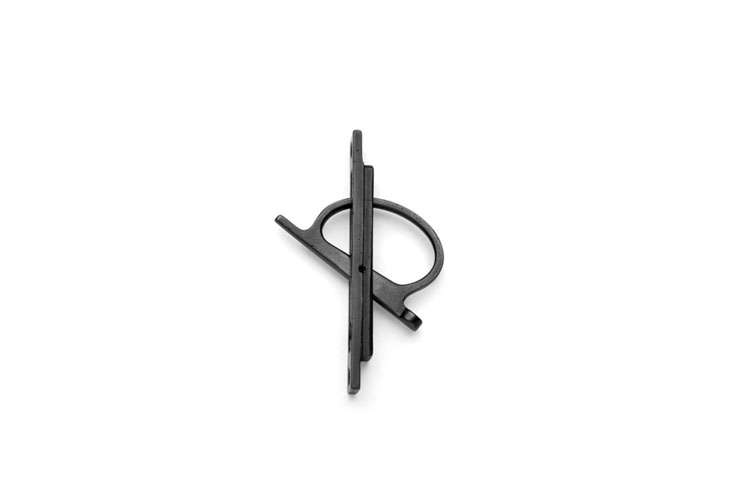
The EDG-200 Pocket Door Edge Pull is a solid bronze edge pull made for pocket door applications. It is installed into the vertical edge of the door, not on the broad face of the slab. When the door disappears into the pocket, the edge pull provides a small gripping point so the user can draw the door back into the opening.
In practical terms, it is a retrieval handle. In design terms, it is a low-profile hardware detail that helps maintain a refined, minimalist look. The EDG-200 is especially appealing for projects where the door face needs to remain clean, such as modern interiors, custom millwork walls, luxury bathrooms, boutique hospitality spaces, and high-end residential renovations.
The product is commonly identified in a 1 1/4-inch by 8-inch format, with the 8-inch pull shown in the open position. That longer vertical profile gives it a more substantial presence than small utility-style edge pulls, while still keeping the hardware narrow and edge-mounted.
Why an Edge Pull Matters on a Pocket Door
A pocket door without the right hardware is a little like a drawer without a pull. Technically, it exists. Emotionally, it is annoying. When a pocket door slides fully into the wall, a standard flush pull on the door face may no longer be reachable. The edge pull solves that problem by staying accessible at the leading edge of the door.
Good pocket door hardware should do three things. First, it should help the door operate smoothly. Second, it should avoid bulky projection that interferes with the wall pocket. Third, it should look like it belongs with the rest of the room. The EDG-200 checks these boxes by offering a clean, mortised design with a premium material feel.
This is particularly important in small spaces. In a powder room, for example, every inch counts. A swing door can collide with a vanity, block a toilet area, or make the room feel tighter than it needs to be. A pocket door gives the room breathing space, but only if the hardware works naturally. The edge pull is what makes the door easy to retrieve without awkward fingernail gymnastics.
Key Features of the EDG-200 Edge Pull
Solid Bronze Construction
The EDG-200 is associated with solid bronze architectural hardware, which gives it a weight, texture, and durability that cheaper stamped hardware usually cannot match. Bronze is often chosen for luxury projects because it develops character over time. It feels substantial in the hand and has a visual warmth that works with both traditional and contemporary interiors.
Unlike lightweight plated hardware, solid bronze has depth. It is not trying to pretend to be something else. It has the satisfying confidence of a material that knows it belongs in a custom home, a boutique hotel, or a designer renovation where the door trim was probably discussed more than most people discuss dinner plans.
Flush-Mount, Mortised Installation
The EDG-200 is intended to be mortised into the edge of the door. A mortised installation means the hardware is recessed into a carefully cut pocket so the surface sits flush or nearly flush with the door edge. This helps the door slide cleanly into the wall cavity without scraping, rubbing, or catching.
One of the important product details is that the edge pulls are machined square and milled to a consistent thickness. That matters because template-based installation is much easier when the hardware dimensions are precise. For builders and finish carpenters, consistent hardware is not a luxury; it is how a neat installation avoids turning into a Saturday filled with muttering.
1 1/4-Inch by 8-Inch Profile
The commonly listed EDG-200 size of 1 1/4 inches by 8 inches gives it a slim but elongated appearance. The width keeps the pull discreet on the edge of the door, while the height gives the user enough area to interact with the hardware comfortably.
This proportion works especially well on taller doors or high-end pocket door slabs. A tiny pull can look under-scaled on a large door, almost like the hardware got lost on the way to the jobsite. The EDG-200 has enough visual length to feel intentional without becoming bulky.
Finish Flexibility
Bronze finishes can dramatically change the mood of a room. Silicon bronze has a warm, golden-brown character, while white bronze can lean cooler and more contemporary. Burnished and darker finishes can make the pull feel quiet and architectural, while polished finishes bring more contrast and shine.
When choosing a finish, think beyond the door itself. Match or coordinate the EDG-200 with hinges, flush pulls, cabinet hardware, plumbing fixtures, lighting, and nearby metal details. Perfect matching is not always necessary, but the undertones should feel deliberate. A warm bronze edge pull beside cool chrome fixtures can work, but only if the overall design supports that contrast.
Where the EDG-200 Works Best
The EDG-200 Pocket Door Edge Pull is best suited for projects where hardware quality and design continuity matter. It is not the cheapest way to make a pocket door function, and that is not really the point. It belongs in spaces where the door is part of the architecture, not an afterthought.
In a luxury bathroom, the EDG-200 can pair beautifully with a matching flush pull on the face of the door. In a pantry, it can keep a custom wood slab looking clean while still making daily use practical. In a home office, it helps a sliding door feel quiet and refined. In a hallway, it can support a minimalist look where visible hardware is intentionally reduced.
It also works well with natural materials. Walnut, white oak, painted millwork, plaster walls, stone tile, and bronze hardware can all live happily together. The result is not flashy. It is calm, tactile, and grown-up. Basically, it is the hardware equivalent of a person who owns good shoes and never has to mention it.
EDG-200 vs. Standard Pocket Door Edge Pulls
Standard pocket door edge pulls are often designed primarily around price and basic function. Many are made of brass-plated metal, stainless steel, zinc alloy, or other common materials. They can work perfectly well in budget-friendly projects, rental properties, utility rooms, or quick renovations.
The EDG-200 is a different kind of choice. It is more about craftsmanship, material authenticity, finish quality, and architectural consistency. If the rest of the project uses premium hardware, custom doors, or carefully selected finishes, a basic edge pull may feel visually out of place. The EDG-200 helps avoid that mismatch.
Another difference is proportion. Many common edge pulls are small, spring-loaded pieces meant to be functional but visually quiet. The EDG-200’s 8-inch height gives it a stronger design presence while remaining narrow enough for edge installation. It is subtle, but not invisible.
Installation Considerations Before You Buy
Before selecting the EDG-200, confirm the door thickness, pocket frame clearance, desired mounting height, and the relationship between the edge pull and any flush pulls or locking hardware. Pocket door hardware is not something you want to “figure out later,” because later usually means the door is already painted, the trim is installed, and everyone suddenly cares very deeply about a sixteenth of an inch.
For a typical residential installation, many door handles and pulls are placed around 36 inches above the finished floor. In accessible or commercial applications, operable hardware often needs to fall within specific height ranges, commonly between 34 and 48 inches above the floor. Always check local code requirements and project specifications before final installation.
The EDG-200 should be installed with accurate layout lines and a clean mortise. A router template is often the preferred approach for a crisp, repeatable result. Chisels may be used for cleanup, but the initial cut should be controlled and precise. If you are working with an expensive custom door slab, this is not the moment to freestyle with a dull tool and optimistic energy.
Design Tips for Pairing the EDG-200 with Other Hardware
For the best result, think of the EDG-200 as part of a hardware family. If the door also needs a face pull, choose a flush pull that shares the same finish, geometry, and design language. Rectangular flush pulls tend to pair naturally with a rectangular edge pull. Rounded or oval pulls can still work, but the mix should feel intentional.
In contemporary spaces, keep the surrounding details simple. A clean slab door, flat casing, and bronze edge pull can create a quiet luxury effect. In traditional interiors, the EDG-200 can still work well when paired with warmer woods, paneled doors, and classic bronze finishes. The shape is simple enough to cross styles.
If you are coordinating hardware throughout a home, use the same finish family for door levers, cabinet pulls, appliance pulls, and pocket door hardware where possible. Repetition creates visual rhythm. It tells the eye, “Yes, someone planned this,” which is much better than the eye asking, “Was this all ordered at midnight?”
How to Care for Bronze Pocket Door Hardware
Bronze is durable, but many bronze finishes are living finishes. That means the color and surface character may change with time, touch, air, moisture, and cleaning habits. For many homeowners, that evolving patina is part of the beauty. The pull slowly becomes personalized by use.
Clean bronze hardware with a soft cloth and mild soap diluted in warm water when needed. Dry it immediately after cleaning. Avoid abrasive pads, harsh chemicals, strong solvents, and aggressive metal polishes unless the manufacturer specifically recommends them for that exact finish. The wrong cleaner can turn a graceful patina into a tiny household tragedy.
In humid spaces like bathrooms, regular gentle wiping can help prevent water spots and buildup. If the door is being painted or refinished, remove or carefully protect the hardware first. Paint overspray on premium bronze hardware is not a “rustic finish.” It is a problem wearing a tiny disguise.
Common Mistakes to Avoid
One common mistake is choosing an edge pull without checking the pocket cavity clearance. If the hardware projects too far or is installed poorly, it may rub inside the pocket. Another mistake is placing the pull at an awkward height that does not align with other door hardware in the home.
A third mistake is mixing finishes randomly. Bronze can coordinate with many metals, but it should not look accidental. If your bathroom has polished chrome plumbing, matte black lighting, brushed nickel towel bars, and bronze door hardware, the room may start to feel like a hardware showroom had a scheduling conflict.
Finally, do not underestimate installation skill. A premium edge pull deserves a clean mortise. Gaps, chipped veneer, uneven screw placement, or a crooked pull will be noticeable every time the door is used. Good hardware cannot fully rescue careless prep work.
Real-World Experience: Living With an EDG-200 Pocket Door Edge Pull
In actual daily use, the value of a quality edge pull becomes obvious in small moments. Imagine a powder room pocket door that slides completely into the wall. Without an edge pull, guests may tap the door edge, pinch at the slab, or stare at it for a second while pretending everything is fine. With the EDG-200, the solution is simple: reach for the edge, pull the door out, and continue life with dignity intact.
The 8-inch format is especially helpful because it gives the hand a more generous target. Smaller pulls can work, but they sometimes feel like hardware designed by someone with very tiny fingers and a grudge against convenience. The EDG-200 has a more architectural scale. It feels appropriate on substantial doors and does not disappear visually in a way that makes guests wonder where the handle went.
Another experience worth noting is the tactile quality of bronze. When you use solid bronze hardware, it feels different from thin plated metal. There is a quiet density to it. The pull feels grounded. On a custom wood door, that touchpoint can make the whole door feel more expensive, even though the user may not consciously know why. Good hardware often works that way. It improves the experience without waving a flag.
Finish aging is also part of the experience. A living bronze finish may darken, brighten at touchpoints, or develop subtle variation over time. Some homeowners love this because it makes the hardware feel authentic rather than factory-perfect forever. Others prefer finishes that remain more consistent. Before choosing the EDG-200, it is smart to decide which personality you prefer: the evolving character of bronze or the more uniform look of coated hardware.
For installers, the main experience is about precision. The EDG-200 rewards careful measuring, sharp tools, and template work. When the mortise is clean, the pull looks built into the door rather than attached to it. That distinction matters. A well-installed edge pull should feel like it was always part of the slab. A poorly installed one looks like an apology with screws.
For designers, the EDG-200 is useful because it can support a high-end hardware schedule without visually crowding the door. It pairs well with matching flush pulls, privacy sets, and other bronze details. In a whole-home renovation, that consistency creates a polished look. The pocket door no longer feels like a special problem requiring odd hardware. It becomes part of the same design story as every other opening in the home.
For homeowners, the best part is simple reliability. A pocket door should be easy to open, easy to close, and easy to forget about when not in use. The EDG-200 supports that goal. It is not a gadget. It is not a trend piece. It is a practical, handsome, well-scaled edge pull that makes a sliding door easier to live with every day.
Conclusion
The EDG-200 Pocket Door Edge Pull is a small architectural detail with a big impact on how a pocket door looks, feels, and functions. Its solid bronze construction, elongated 1 1/4-inch by 8-inch profile, mortised installation style, and refined finish options make it a strong choice for high-end residential and boutique commercial projects.
If you want basic utility, there are many ordinary edge pulls that can do the job. But if your project calls for hardware that feels intentional, durable, and design-forward, the EDG-200 deserves serious consideration. It keeps the door face clean, helps retrieve the door from the pocket, and adds a premium tactile detail to one of the most frequently touched parts of a room.
Note: This article is written for web publishing and is based on real product information, practical installation considerations, and common architectural hardware guidance. Always confirm final dimensions, finish availability, door compatibility, and local code requirements before ordering or installing pocket door hardware.