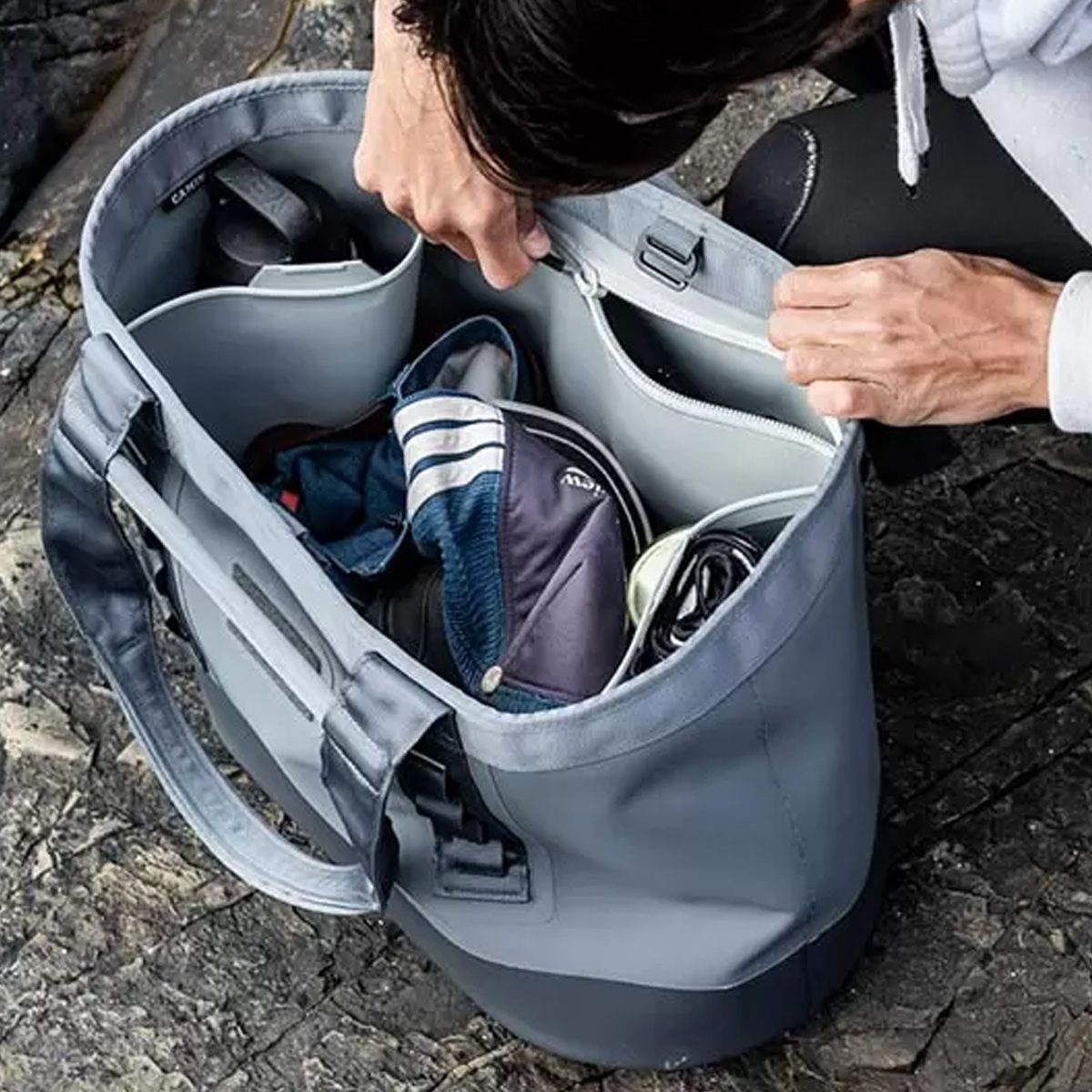
If a regular tote bag is the friend who says, “Sure, I can carry that,” and then immediately snaps a handle under the weight of groceries, the new YETI-style insulated tote is the friend who shows up with boots, a plan, and zero fear of spilled salsa. The product shoppers are buzzing about as a “Camino 2.0” is best understood as YETI’s rugged carryall idea with a cooler-minded upgrade: insulation, a food-safe liner, a wide opening, and the kind of clean, overbuilt design that makes everyday chaos feel slightly more organized.
Officially, YETI’s insulated tote lives in the Daytrip family, while the Camino Carryall remains the brand’s tough, non-cooler haul bag. But from a shopper’s point of view, the comparison makes sense. The Camino became popular because it looked good, stood upright, carried messy gear, and could be wiped clean after a beach day, grocery run, sports practice, or muddy weekend. The new insulated tote takes that same “throw it in and go” spirit and adds cold-holding function for snacks, meal prep, picnic food, fresh produce, and drinks.
In other words, it is not just a tote. It is a portable command center for people whose Saturday plans start with “just one errand” and somehow end with a picnic blanket, two extra hoodies, a farmers market haul, and a container of strawberries that must not become jam before lunch.
Why This YETI Insulated Tote Feels Like the Camino’s Cooler Cousin
The reason people connect this new insulated tote with the Camino is simple: both are designed around utility, structure, and durability. The Camino Carryall is loved because it does the unglamorous work beautifully. It can haul towels, shoes, groceries, picnic supplies, sports gear, and random “I’ll deal with this later” items without collapsing like a tired paper bag.
The insulated tote brings that same rugged carryall mindset into food-and-drink territory. It is not trying to be a giant hard cooler. It is not trying to replace a full-size camping ice chest for multi-day trips. Instead, it fills the gap between a lunch box and a bulky cooler: big enough for a real day out, structured enough to load easily, and insulated enough to keep provisions fresh for hours when used properly with ice packs.
That middle zone is exactly where many families, commuters, students, weekend travelers, and outdoor lovers actually live. Most people do not need a bear-resistant cooler to bring sandwiches to the park. They need a bag that opens wide, does not leak from normal condensation, wipes clean, and looks respectable when carried from the car to the office or from the grocery store to the kitchen.
Design: Rugged Without Looking Like a Toolbox
YETI has always understood that outdoor gear can be tough without looking like it was assembled during a hardware store emergency. The new insulated tote follows that pattern. It has a clean silhouette, strong handles, a broad mouth, and a sturdy presence that feels more premium than floppy fabric cooler bags.
The wide-opening design matters more than it sounds. Anyone who has tried to slide square food containers into a narrow lunch bag knows the struggle. A tote shape makes packing easier because you can see what you are doing. Containers stack more naturally. Fruit does not get crushed at the bottom like it lost a wrestling match. Ice packs can be placed along the sides or base. Taller bottles can stand upright instead of rolling around like they are auditioning for a circus act.
The MagSnap-style magnetic closure is another practical feature. Instead of fighting a stiff zipper every time you want one snack, the opening gives quick access and then snaps back into place to help hold in the cold. This is useful for sideline lunches, road trip snacks, beach fruit, or park-day sandwiches where people keep reaching into the bag every ten minutes. A traditional zipper may seal tighter, but the magnetic closure wins for convenience.
Insulation: Built for Day Trips, Not Arctic Expeditions
The most important expectation to set is this: the YETI insulated tote is designed for day use, not multi-day ice retention. That is not a weakness; it is the whole point. A hard cooler is better when you need ice for days, wet ice, camping storage, boating, fishing, or rough conditions. The insulated tote is better when you want portability, easy access, and enough cooling power for ordinary daily adventures.
YETI uses lightweight closed-cell foam insulation in the Daytrip line, which is meant to keep food fresh for the day when paired with the right ice packs. The liner is food-safe and easy to clean, making it practical for fresh fruit, sandwiches, meal containers, dips, snacks, and chilled grocery items. This combination turns the bag into a smarter everyday cooler tote rather than a heavy-duty expedition chest.
For best results, shoppers should treat it like a high-performance picnic tote. Pre-chill food before packing. Use ice packs instead of loose wet ice. Keep the bag out of direct sun when possible. Open it less often if you need longer cooling. These small habits make a big difference. Even premium insulation cannot perform miracles if the tote is opened every five minutes by snack detectives.
Storage and Organization: Simple, But Not Empty-Headed
One of the smartest parts of the design is that it does not overcomplicate the interior. Some lifestyle bags include so many dividers and micro-pockets that packing them feels like solving a tiny apartment floor plan. This YETI insulated tote keeps the main compartment open and useful. That makes it better for real food containers, produce, drinks, ice sheets, and odd-shaped items.
Outside storage adds just enough organization. A front stash pocket can hold napkins, utensils, condiments, wipes, or small dry goods. A zippered back pocket gives safer storage for keys, cards, a phone, or a small wallet. That matters because nobody wants to dig through cold snacks to find car keys while standing in a parking lot, especially when the yogurt is judging you.
The balance is right: open space for bulky chilled items, small pockets for essentials, and no unnecessary clutter. For users who already love the Camino’s straightforward carryall style, this setup feels familiar but more food-focused.
How It Compares With the Classic Camino Carryall
The classic YETI Camino Carryall is still the better choice if your main job is hauling dry or messy gear. Think beach towels, garden tools, muddy shoes, gym clothes, pet supplies, camping accessories, or a farmers market load that does not need cooling. It is rugged, structured, easy to clean, and famously versatile.
The insulated tote is the better pick when temperature matters. If the load includes fresh groceries, lunch, fruit, chilled drinks, picnic food, or snacks for a sports tournament, insulation becomes the feature that changes everything. The Camino can carry those items, but it will not help keep them cool. The insulated tote can.
So the best way to think about the difference is not “which one is better?” It is “what are you carrying?” The Camino is a tough open carryall. The insulated tote is a soft cooler tote with carryall personality. One is for hauling life’s mess. The other is for hauling life’s lunch.
Who Should Buy the New YETI Insulated Tote?
1. The Grocery Runner
If you buy fresh produce, prepared foods, dairy alternatives, frozen items, or meal kits, this tote can make short trips easier. It is especially useful when grocery shopping is followed by another errand. Nobody wants frozen fruit turning into a smoothie in the back seat before getting home.
2. The Sports Parent or Sideline Regular
For weekend games, practices, tournaments, and school activities, the tote works well for sandwiches, fruit, cold packs, and drinks. The wide opening makes it easy for people to grab what they need, while the exterior pockets keep small extras from disappearing.
3. The Park and Picnic Person
This bag is practically built for the person who says, “Let’s just do a simple picnic,” and then packs like a tiny restaurant is opening under a tree. It can hold snacks, containers, ice packs, napkins, utensils, and a few extras without feeling like a full camping production.
4. The Office Lunch Upgrader
For people who bring lunch, snacks, and beverages to work, a rugged insulated tote can be a serious upgrade from a soft lunch bag. It looks polished enough for daily use but has the durability to survive commutes, car floors, and the occasional container leak.
5. The Road Trip Snacker
On road trips, convenience matters. A hard cooler may be too bulky for the front seat or floorboard. A soft insulated tote gives easy access to snacks and drinks without forcing everyone to unpack the trunk at every stop.
What Makes It Feel Premium?
The premium feel comes from a few details working together. First, the structure is better than a flimsy insulated grocery bag. Second, the materials are designed for repeat cleaning and outdoor use. Third, the closure is convenient enough for daily life. Fourth, the YETI styling is clean, recognizable, and not overly busy.
There is also the confidence factor. Cheap cooler bags often work fine at first, but over time they sag, stain, absorb smells, or develop weak seams. A more rugged tote is for people who want one reliable bag instead of replacing several forgettable ones. That does not mean every shopper needs it. But for people who use this type of bag constantly, the value is in durability and convenience over time.
Potential Downsides to Consider
No product is perfect, even when it wears a YETI badge. The first downside is price. YETI gear usually costs more than basic alternatives, and shoppers can find cheaper insulated totes from brands like Hydro Flask, RTIC, Arctic Zone, and store-brand competitors. If you only need a cooler bag twice a year, a budget option may be enough.
The second limitation is cooling duration. This tote is designed for day trips, not extreme ice retention. It is not the best choice for multi-day camping or wet-ice storage. YETI’s harder coolers and premium soft coolers are better for those jobs.
The third consideration is closure style. A magnetic closure is wonderfully convenient, but it is not the same as a waterproof zipper. The liner may handle leaks inside, but the top is not built for submersion or loose wet ice. Use ice packs and keep expectations realistic.
Finally, the structured build adds some weight compared with ultralight fabric bags. That tradeoff is normal: stronger materials usually weigh more. For many users, the durability is worth it. For minimalists, it may feel like too much bag for a sandwich.
Best Uses for the YETI Camino-Style Insulated Tote
The strongest use cases are the ones that combine food, movement, and mess. A farmers market run is a great example. You can load berries, greens, cold items, and prepared foods into one structured tote and avoid the sad produce avalanche that happens with soft bags.
A beach day is another ideal scenario. Pack chilled drinks, cut fruit, wraps, and ice packs. Keep sunscreen or utensils in the outer pocket. When the day is over, wipe the liner clean and move on with your life. The bag will not remove sand from your car, unfortunately. Science has not gone that far.
For family outings, the tote shines because it is easy to access. Kids and adults can see what is inside without unpacking everything. For road trips, it keeps snacks organized and close. For workdays, it can carry lunch plus extra groceries on the way home. For backyard gatherings, it can act as a mini serving station for chilled items.
How to Pack It for Better Cooling
To get the most from the insulated tote, start cold. Put chilled food into the bag rather than room-temperature food and expecting the tote to do all the work. Add ice packs along the base and sides when possible. Pack items tightly enough to reduce warm air pockets, but do not crush delicate food.
Keep frequently used items near the top. If the fruit cups are buried under meal containers, the bag will stay open longer while everyone performs snack archaeology. Store dry accessories in the outer pockets. Keep the tote in shade or inside the car cabin rather than in a hot trunk when possible.
After use, clean it with mild soap and a soft cloth. Let it dry open before storing. This prevents odors and keeps the liner fresh. A rugged bag still appreciates basic manners.
Is It Worth the Money?
The answer depends on how often you use insulated bags. If you regularly pack food for day trips, sports, picnics, school events, work, or grocery runs, the YETI insulated tote makes sense. It is especially appealing if you already like the Camino’s rugged design but always wished it could keep snacks cool.
If you need serious ice retention for fishing, camping, or multi-day travel, buy a true cooler instead. If you need a cheap bag for the occasional frozen pizza run, this is probably more bag than necessary. But if you want a polished, durable, easy-clean tote that can handle daily food hauling with less drama, this product earns its place.
The best compliment for this kind of gear is that it disappears into your routine. You stop thinking about whether the bag can handle the job. You just grab it. That is where YETI tends to win: not by being the cheapest, but by making products that feel ready before you are.
Real-World Experience: Living With a Rugged Insulated Carryall
The first thing you notice when using a rugged insulated tote like this is that it changes how you plan small outings. With a normal tote, you pack dry goods and hope for the best. With an insulated carryall, you suddenly become more ambitious. Fresh fruit? Sure. Cold sandwiches? Easy. Yogurt cups? No problem. A container of pasta salad that would normally make you nervous in warm weather? It finally gets invited.
On a typical grocery run, the bag feels most useful when the day does not go exactly as planned. Maybe you stop for coffee after shopping. Maybe traffic turns a ten-minute drive into a thirty-minute crawl. Maybe you remember one more errand at the worst possible time. A basic grocery bag offers moral support and nothing else. An insulated tote gives your cold items a fighting chance.
For picnics, the experience is even better. The wide opening makes packing feel less fussy. Instead of building a delicate tower of containers, you can arrange food so everything is visible. Ice packs slide in cleanly. Napkins and utensils go outside. Small items stay separate from the cold zone. When you reach the park, the tote becomes part cooler, part pantry, and part “please stop asking where the forks are” solution.
At kids’ sports events or long outdoor afternoons, convenience matters more than any spec sheet. People want quick access. They want cold snacks. They want a bag that can sit on grass, pavement, or a dusty bench without looking defeated. The magnetic closure helps because it is easy to open and close repeatedly. No one has to fight a zipper while holding a sandwich in one hand and sunscreen in the other.
Cleaning is where the rugged design really earns affection. Food bags live dangerous lives. Containers leak. Fruit gets soft. Condiments escape. A flimsy fabric bag remembers every mistake forever. A wipe-clean insulated tote is more forgiving. Use mild soap, clean the liner, leave it open to dry, and it is ready for the next round. That low-maintenance quality is a big part of the appeal.
There is also a psychological benefit: one good bag reduces the pile of questionable bags in the closet. Instead of choosing between a cooler that is too bulky, a tote that is not insulated, and a lunch bag that is too small, this carryall covers the middle ground. It is the bag you grab for “not a full adventure, but more than a quick snack.” That describes a surprising amount of real life.
The only adjustment is remembering that it is still a day-use tote. It rewards smart packing, ice packs, shade, and realistic expectations. Treat it like a portable refrigerator and you will be disappointed. Treat it like a tough, stylish, insulated helper for everyday outings and it becomes very easy to love.
Conclusion
The new YETI insulated tote may not officially carry the Camino name, but it absolutely channels the Camino spirit: rugged, simple, useful, and ready for messy real life. By adding insulation, a food-safe liner, easy-access magnetic closure, and practical exterior pockets, YETI has created a carryall that feels built for modern day trips rather than fantasy expeditions.
It is best for shoppers who want one premium tote for groceries, picnics, lunches, sports days, road trips, and casual outdoor plans. It is not the cheapest option, and it is not a replacement for a heavy-duty cooler. But as a durable insulated tote bag with everyday polish, it hits a sweet spot. The result is a rugged carryall that keeps food fresh, handles chaos gracefully, and makes ordinary errands feel slightly more adventure-ready.