Note: This article is for educational purposes only. Monkshood poisoning can be life-threatening. If someone may have eaten monkshood, touched plant juices and developed symptoms, or used an aconite-containing product, call Poison Control at 1-800-222-1222 in the United States or seek emergency medical care immediately.
What Is Monkshood?
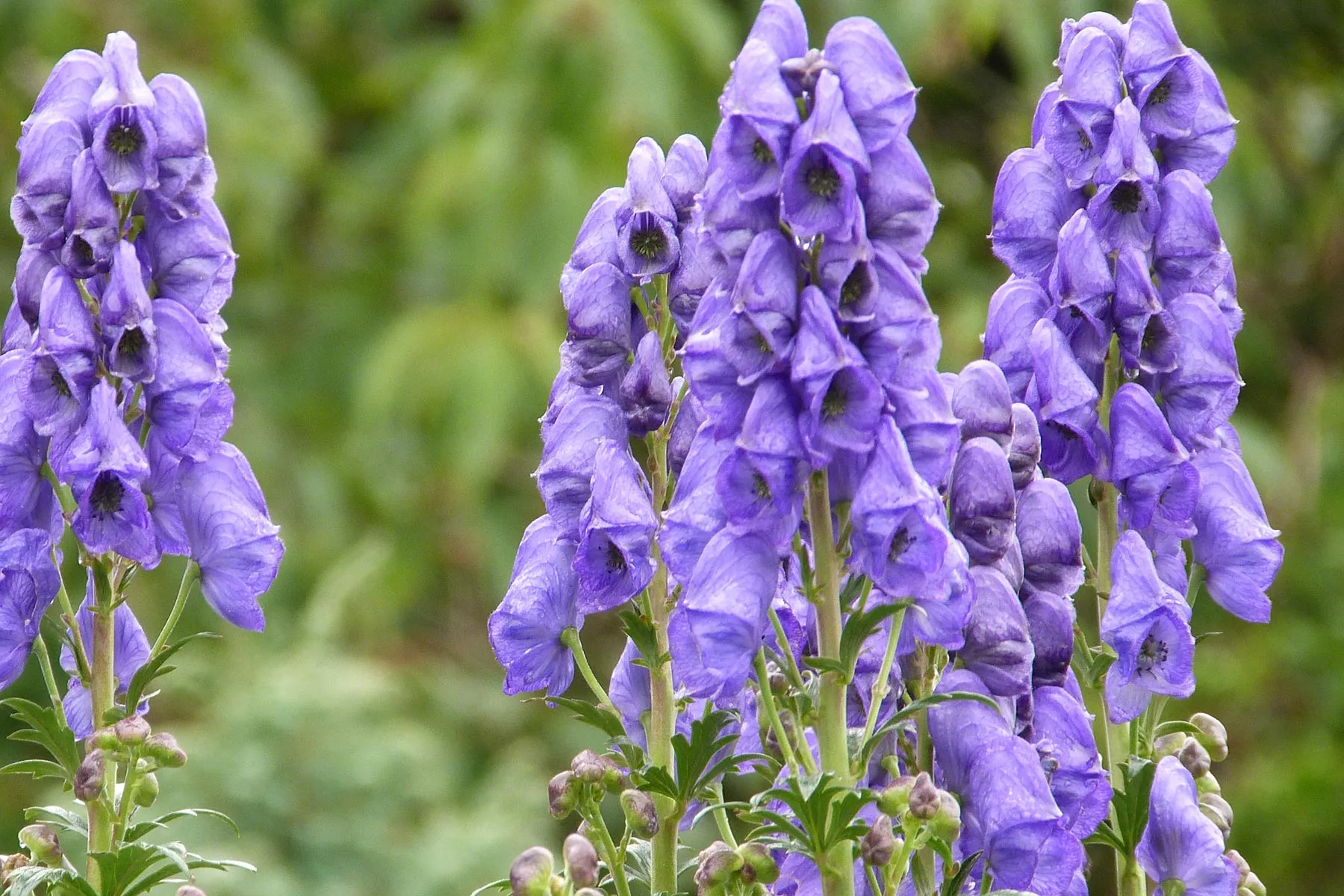
Monkshood is one of those plants that looks like it wandered out of a fairy-tale garden wearing a purple hood and carrying a warning label. Also called aconite, wolfsbane, helmet flower, or Aconitum, monkshood is a perennial plant admired for its dramatic blue, violet, purple, white, or yellow blooms. The name “monkshood” comes from the flower’s hood-like shape, which resembles the cowl of a monk’s robe.
Unfortunately, this botanical drama queen is not just decorative. Monkshood is highly poisonous. The main toxic compounds are aconite alkaloids, especially aconitine. These toxins can interfere with nerve and heart function, which is why monkshood poisoning is treated as a medical emergency rather than a “drink some tea and sleep it off” situation.
In gardens, monkshood may be planted for its tall flower spikes and shade tolerance. It often grows well in moist, cool areas and can appear near woodland borders, ponds, streams, or shaded perennial beds. But beauty does not equal safety. A fancy flower can still be a terrible snack, and monkshood is a perfect example.
Why Monkshood Poisoning Is So Dangerous
The danger of monkshood comes from how aconitine affects the body. It can disturb electrical signaling in nerves, muscles, and the heart. When the heart’s rhythm becomes unstable, the results can be severe. That is why medical sources often describe aconitine as both a nerve poison and a heart poison.
Poisoning may happen after someone eats part of the plant, drinks an unsafe herbal preparation, mistakes the root for an edible root, or handles the plant and then transfers residue to the mouth or eyes. Gardeners should be especially careful because monkshood has tuberous roots that may be confused with edible plants. This is not the plant to place beside vegetables, herbs, or anything a curious child might investigate.
All parts of monkshood should be treated as toxic. The roots and seeds are often considered especially risky, but the leaves, stems, flowers, and plant juices are not harmless. In plain English: do not taste it, do not brew it, do not use it as a home remedy, and do not assume “natural” means “gentle.” Nature also invented lightning, poison ivy, and geese with an attitude.
Common Symptoms of Monkshood Poisoning
Symptoms of monkshood poisoning can appear quickly. The exact timing and severity depend on the amount involved, the route of exposure, the person’s health, and whether the exposure came from the plant itself or an aconite-containing product. Even mild early symptoms deserve attention because poisoning can progress.
Early Warning Signs
Early symptoms may include tingling, numbness, or burning sensations around the mouth, lips, tongue, face, hands, or feet. Some people may notice drooling, nausea, vomiting, abdominal pain, diarrhea, sweating, dizziness, or a strange feeling of weakness. These symptoms can be easy to dismiss at first, especially if someone does not realize monkshood was involved.
Heart and Circulation Symptoms
More serious poisoning can affect the cardiovascular system. Warning signs may include chest discomfort, palpitations, faintness, low blood pressure, slow heart rate, fast heart rate, or an irregular heartbeat. Dangerous rhythm problems are one of the major reasons monkshood poisoning requires urgent medical evaluation.
Nervous System Symptoms
Because aconitine can affect nerve signaling, poisoning may also cause weakness, confusion, dizziness, trouble walking, tremors, or in severe cases, seizures or collapse. A person who looks “suddenly very sick” after possible exposure should not be watched from the couch like a questionable reality show. Emergency help is the right move.
What to Do If Monkshood Poisoning Is Suspected
If monkshood poisoning is possible, act quickly. Do not wait for every symptom on a checklist to appear. Poisoning can move from uncomfortable to dangerous, and early professional guidance matters.
Immediate Steps
Call Poison Control at 1-800-222-1222 in the United States. If the person is having trouble breathing, fainting, having chest pain, acting confused, having a seizure, or showing signs of a serious heart problem, call emergency services right away.
If plant material is still in the mouth, remove it carefully and rinse the mouth. If the plant touched skin, wash the area with lukewarm water and soap. If the plant or plant juice touched the eyes, rinse with clean water. Do not force vomiting unless a poison specialist or medical professional specifically tells you to do so.
Information to Have Ready
When calling Poison Control or speaking with emergency responders, try to provide the person’s age, approximate weight, symptoms, the part of the plant involved, how much may have been swallowed, and when exposure happened. If safe, take a photo of the plant or bring a sample in a sealed bag for identification. Do not handle the plant with bare hands while collecting it.
What Doctors May Do
There is no simple home antidote for monkshood poisoning. Medical care usually focuses on monitoring the heart, supporting breathing and circulation, treating rhythm problems, controlling symptoms, and consulting toxicology experts when needed. Severe cases may require intensive care. That is why “I’ll just search symptoms for three hours” is not a safe plan.
How Monkshood Poisoning Happens
Monkshood poisoning is uncommon, but the situations that lead to it are surprisingly ordinary. Most people do not plan to meet a toxic plant; they stumble into the problem through gardening, foraging, mislabeled herbal products, or simple curiosity.
Accidental Ingestion
Accidental ingestion can happen when a child, pet, or adult tastes part of the plant. The flowers may look attractive, and the roots may resemble edible roots to someone who is not trained in plant identification. This is one reason monkshood should not be planted near vegetable gardens or in areas where children or pets roam freely.
Unsafe Herbal Products
Aconite has a long history in some traditional medicine systems, but that does not make do-it-yourself use safe. Improperly prepared aconite-containing products have been linked with serious poisonings. The risk is especially concerning with unlabeled homemade preparations, imported products with unclear ingredients, or remedies promoted online without credible medical oversight.
Skin and Garden Exposure
Skin exposure is generally less common than swallowing the plant, but plant juices can still be a concern, especially if they contact broken skin or are transferred to the mouth or eyes. Gardeners should wear gloves, cover cuts, wash hands and tools after handling, and avoid touching the face during yard work.
How to Identify Monkshood in the Garden
Monkshood belongs to the Aconitum genus, which includes many species and hybrids. The plants often have upright stems, deeply divided leaves, and showy hood-shaped flowers arranged in tall clusters. Blooms are commonly blue or purple, though some varieties may be white or yellow.
Identification can be tricky because ornamental plants may be sold under different names, including monkshood, aconite, wolfsbane, helmet flower, or blue rocket. If you inherit a garden, move into a new home, or buy a plant without a clear label, do not rely on vibes. Use a reputable plant-identification resource, ask a local extension office, or consult a knowledgeable nursery professional.
The safest rule is simple: never eat wild or ornamental plants unless an expert has positively identified them as edible. Many poisoning cases begin with confidence. Sadly, confidence is not a botanical qualification.
Monkshood Poisoning in Pets
Dogs, cats, and horses may also be at risk if they chew or ingest monkshood. Pets explore with their mouths because apparently sniffing things is not dramatic enough. Signs in animals may include drooling, vomiting, weakness, tremors, diarrhea, abnormal heart rate, collapse, or unusual behavior.
If a pet may have eaten monkshood, contact a veterinarian, emergency animal hospital, or animal poison-control service immediately. Do not wait to see whether the pet “acts normal later.” Animals can worsen quickly, and early care gives the best chance of a good outcome.
Prevention: How to Reduce the Risk
Preventing monkshood poisoning is mostly about smart placement, clear labeling, and good habits. You do not necessarily have to panic-dig every monkshood plant out of every adult-only ornamental garden, but you do need to respect the plant’s toxicity.
Garden Safety Tips
Wear gloves when handling monkshood. Wash your hands, tools, and gloves after gardening. Keep the plant away from vegetable beds, edible herbs, children’s play areas, pet runs, and walkways where broken stems might be brushed frequently. Consider removing it completely if toddlers, pets, or plant-curious visitors regularly use the space.
Label the Plant Clearly
If monkshood remains in your landscape, label it clearly. A small weatherproof marker can prevent future confusion. This is especially helpful if someone else helps with gardening, rents the property, or inherits the yard later. Future-you, future-tenants, and future-gardeners will appreciate not having to play “mystery toxic perennial.”
Be Careful With Herbal Claims
Avoid using aconite or monkshood as a home remedy. Do not buy unlabeled herbal liquids, powders, or roots claiming to contain aconite. Do not trust social media posts that turn dangerous plants into miracle cures. A plant can be famous in folklore and still be unsafe in real life.
When to Seek Emergency Help
Seek emergency help immediately if monkshood exposure is followed by chest pain, fainting, trouble breathing, severe vomiting, confusion, weakness, seizures, collapse, or any unusual heartbeat. Also get urgent help if a child or pet may have swallowed any amount. With monkshood poisoning, the safest attitude is: “better checked than sorry.”
Even if symptoms seem mild, Poison Control can help determine the next step. Calling does not mean you overreacted. It means you used the correct tool for a poison question, which is exactly what poison centers are designed for.
Common Myths About Monkshood Poisoning
Myth 1: “Only the Root Is Poisonous”
The roots are especially concerning, but all parts of monkshood should be considered toxic. Flowers, leaves, stems, seeds, and plant juices can all pose risks. Treat the entire plant with caution.
Myth 2: “If It Is Natural, It Must Be Safe”
This myth deserves to be retired with a gold watch. Many natural substances can be dangerous. Monkshood is natural. So are venom, mold toxins, and falling coconuts. Natural does not mean safe, mild, or appropriate for self-treatment.
Myth 3: “A Tiny Taste Cannot Hurt”
With highly toxic plants, tasting is a terrible identification method. A tiny taste may still cause symptoms, and it can be hard to know how much toxin is present in a specific plant part. If you are unsure what a plant is, do not taste it.
Myth 4: “Online Herbal Recipes Make It Safe”
Online recipes, folk remedies, and homemade preparations are not reliable safeguards. Aconite toxicity is unpredictable, and improper preparation has been associated with severe poisoning. Do not experiment with monkshood in food, drink, tinctures, teas, oils, or supplements.
Practical Experiences and Real-Life Lessons About Monkshood Poisoning
One of the most useful ways to understand monkshood poisoning is to imagine how ordinary the beginning of the story can be. A homeowner buys a beautiful purple perennial because it looks elegant in a shady corner. A friend visiting the garden asks what it is. Nobody remembers the plant tag. A child sees the hooded flowers and thinks they look interesting. A dog noses around the base of the plant. A well-meaning gardener trims stems without gloves, wipes sweat from their face, and continues working. None of these moments feel dramatic, but they are exactly the kind of small gaps where poison-safety problems begin.
Gardeners who grow monkshood often describe it as a “respect plant.” That means it is not necessarily handled with fear every second, but it is handled with clear boundaries. The best habit is to treat monkshood like a chemical stored in a pretty container. You label it. You do not put it near food. You do not let children handle it. You do not leave cuttings where pets can chew them. You wash up afterward. The plant may be ornamental, but the safety mindset should be practical.
Another common lesson is that plant identification matters most when people are relaxed. Foragers, new homeowners, and enthusiastic DIY herbalists can all make mistakes because plants do not arrive with bright warning banners. Monkshood roots may be confused with other tuberous plants by people who are not trained. Leaves and flowers may also be misidentified when a plant is young, damaged, or out of bloom. The safest experience-based rule is boring but effective: if you are not completely sure, do not eat it, brew it, or use it on the body.
Families with children often choose removal over management. That is not overprotective; it is realistic. Children explore quickly, and a toxic plant in a play zone creates a risk that requires constant supervision. The same logic applies to puppies, curious dogs, and grazing animals. In a household with pets or small children, the prettiest garden is still not worth a preventable emergency.
People who have dealt with suspected plant poisoning often say the most stressful part is uncertainty. Was it monkshood? How much was swallowed? Did symptoms start because of the plant or something else? That is exactly why Poison Control exists. A poison specialist can help sort through details calmly and quickly. Calling early is not embarrassing. It is the responsible move, and it can prevent a dangerous delay.
The final lesson is simple: monkshood is a plant to admire with your eyes, not your mouth, not your blender, and definitely not your “I saw this remedy online” confidence. In the garden, respect it. In the home, label it. Around children and pets, avoid it. And if exposure is suspected, get professional help immediately.
Conclusion
Monkshood poisoning is rare, but it is serious. The plant’s striking flowers can make it a memorable ornamental, yet its aconitine-containing tissues can affect the nervous system and heart. Symptoms such as tingling, numbness, vomiting, diarrhea, weakness, dizziness, low blood pressure, or irregular heartbeat should never be ignored after possible exposure.
The safest approach is prevention: do not ingest monkshood, do not use aconite as a home remedy, wear gloves when handling the plant, keep it away from children and pets, and label it clearly if it remains in the garden. If exposure happens, call Poison Control or seek emergency medical care. With monkshood, the smartest gardening tool is not just a trowel. It is caution.