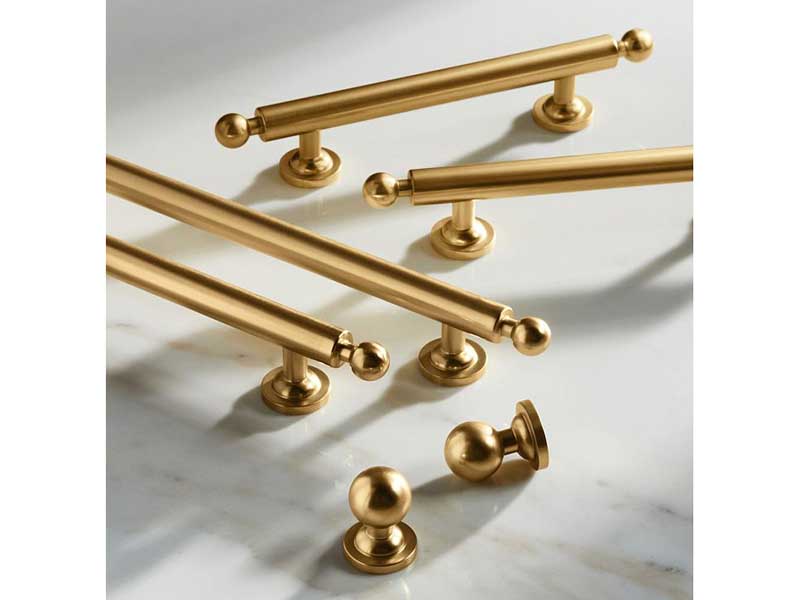
Some home upgrades arrive with a marching band. A new island? Loud. A full remodel? Deafening. Cabinet hardware, though, sneaks in quietly, changes the whole mood of the room, and acts like it was always the smartest detail in the house. That is exactly why the Naomi Cabinet Collection is interesting. Despite the name, this is not a lineup of giant storage cabinets rolling dramatically through your front door. It is a cabinet hardware collection designed for cabinets, drawers, vanities, dressers, and even larger appliance-style doors.
The appeal is simple: Naomi brings classic character without looking fussy. It has a timeless silhouette, an extended ball design, and the kind of shape that feels equally comfortable in a polished kitchen, a hardworking bathroom vanity, or a dresser that needs a little personality. In a design world that often swings wildly between “barely there” minimalism and “look at me, I’m a chandelier in knob form,” Naomi lands in a very smart middle ground. It feels tailored, substantial, and slightly heritage-inspired without becoming old-fashioned.
If you are trying to understand whether the Naomi Cabinet Collection is worth the attention, the short answer is yesespecially if you want hardware that can make ordinary cabinetry look more custom. The longer answer is more fun, so let’s get into what the collection actually is, why it works, where it fits best, and what real homeowners tend to experience when they swap plain hardware for something with a little more polish.
What the Naomi Cabinet Collection Actually Is
The Naomi Cabinet Collection is a cabinet hardware line built around three main categories: cabinet knobs, drawer pulls, and appliance pulls. That mix matters. A lot of hardware collections look great until you realize they only solve half the room. Naomi gives you the chance to repeat the same design language across small drawers, standard cabinet doors, and bigger integrated surfaces like refrigerator panels, pantry doors, or oversized storage doors. That continuity is what makes a space feel considered rather than pieced together one random online cart at a time.
Another strong selling point is material. Naomi is crafted from solid brass, which gives it a more durable, weighty feel than flimsy hollow hardware. In real life, that means it does not just look premium when the sunlight hits it at 4:37 p.m. and suddenly your kitchen thinks it belongs in a design magazine. It also feels better in your hand. Good hardware should do that. It should look intentional and feel reliable every single time you open a drawer looking for scissors, snacks, or the mystery charger no one in the household can identify.
The collection was designed by Rejuvenation’s team in Portland, Oregon, and it is aimed at spaces where hardware acts as both a working tool and a visible design element. That dual role is a big deal. Cabinet hardware is one of the few finishing details you touch daily. It is visual, tactile, and surprisingly influential. Change it, and the entire room can feel cleaner, warmer, more expensive, or more personal.
Why Naomi Works So Well in Real Interiors
It has a classic shape, but it is not stuffy
Naomi’s strongest move is balance. The form has a heritage feel, but it does not veer into ornate, overly traditional territory. That matters because today’s best cabinet hardware trends are not just about going sleek or going vintage. They are about blending familiarity with personality. Naomi does that naturally. It nods to older, classic silhouettes while still fitting rooms that lean transitional, modern classic, farmhouse, or even contemporary with the right finish pairing.
It adds texture without creating chaos
Great hardware should create visual rhythm, not visual yelling. Naomi’s rounded detailing gives cabinetry a softer edge, which is helpful in rooms filled with hard surfaces like tile, stone, glass, and painted millwork. If your kitchen has flat-front cabinetry or your vanity is starting to read a little too “builder basic,” a collection like Naomi can break up that flatness without demanding a full renovation budget.
It makes cabinets feel more custom
Designers and home-improvement experts love reminding people that hardware is the finishing touch, and for once, they are not being dramatic. They are right. Swapping knobs and pulls is one of the quickest ways to make stock or builder-grade cabinets look upgraded. Naomi is particularly effective here because the collection includes appliance pulls as well. Once you carry the same design from standard drawers to larger doors, the room starts reading as custom rather than patched together.
Where the Naomi Cabinet Collection Fits Best
Kitchen cabinetry
Naomi makes the most sense in kitchens that want warmth, detail, and a little refinement without overcomplicating the palette. On painted cabinets, especially white, cream, greige, sage, navy, or charcoal, a brass-forward collection like Naomi can act like jewelry for the room. On stained wood cabinets, it adds contrast and definition. If the kitchen already has plenty going onveined countertops, statement backsplash, dramatic pendantsNaomi is elegant enough to support the room without competing with it.
Bathroom vanities
Bathroom vanities are secretly one of the best places to invest in better hardware. The square footage is smaller, which means the cost is often easier to justify, and even one knob or pull can have a bigger visual impact. Naomi works especially well in baths where you want a classic, polished feel but do not want to tumble headfirst into old-timey hotel territory. The shape adds character; the brass construction adds substance.
Dressers, built-ins, and furniture upgrades
One of the smartest things about Naomi is that it is not locked into the kitchen. This collection can also work beautifully on dressers, sideboards, linen cabinets, mudroom storage, and built-ins. If you have a plain wood dresser that feels fine but uninspired, updated hardware can make it feel collected and intentional. Sometimes the difference between “garage sale maybe” and “custom vintage score” is a well-chosen knob.
How to Choose the Right Naomi Piece for the Job
Choose knobs for smaller doors and lighter visual weight
Knobs are classic for a reason. They are compact, versatile, and easy to use on smaller cabinet doors. In general, knobs work well when you want a quieter look or when your cabinetry already has enough linework and texture. Naomi’s knob size keeps it neat and tailored rather than bulky.
Choose drawer pulls for everyday drawers
Drawer pulls usually make more ergonomic sense on drawers, especially wider ones. They give you more grip and visually anchor broader drawer fronts. If your room needs a bit more structure or rhythm, using matching pulls across drawers can create a cleaner, more organized look.
Choose appliance pulls for larger, heavier doors
Naomi’s appliance pulls are where the collection starts flexing a little. Appliance pulls are designed for larger surfaces and provide a wider, heavier grip than standard drawer pulls. They are ideal for integrated refrigerators, dishwashers, pantry doors, and larger closet or storage doors. If you want the room to feel cohesive from top to bottom, this is where a collection stops being merely pretty and starts being truly useful.
Design Tips for Styling Naomi Without Overdoing It
First, pay attention to proportion. Larger doors and drawers generally look better with longer pulls, while smaller fronts tend to suit knobs or more petite pulls. Hardware should feel in scale with the cabinetry, not like it wandered in from another room’s group chat.
Second, think about contrast versus blending. A darker cabinet can look striking with warm brass hardware, while a lighter cabinet can either be paired with matching warm tones for softness or with cooler finishes for a crisper look. Naomi is especially strong when you want warmth and a subtle sense of age without sacrificing polish.
Third, do not forget the room’s other metals. You do not have to match everything exactly, and mixing metals can look layered and sophisticated, but the choices should still feel related. If your faucet, lighting, mirror, and cabinet hardware all seem to be starring in different movies, the room can feel unsettled. Naomi tends to work best when it either repeats an existing warm metal finish or serves as the intentional warm counterpoint.
Finally, consider accessibility and everyday comfort. Larger pulls are often easier to grasp than small knobs, especially on high-use cabinetry or for households thinking about aging in place. If the room belongs to real humans who actually cook, clean, rummage, and occasionally yank a drawer open with one elbow because both hands are full, usability matters just as much as beauty.
What to Expect During Installation
Here is the good news: updating cabinet hardware is one of the least chaotic ways to improve a room. Compared with tearing out countertops or arguing with tile spacers, this is civilized. Many cabinet hardware replacements are beginner-friendly, and mounting hardware is included with Naomi, which removes one common annoyance from the process.
Still, expectations matter. If you are replacing existing pulls, check the distance between the old drill holes before buying. Matching that width can save you from patching and redrilling. If you are starting fresh, measure carefully, use a template, confirm cabinet thickness, and double-check screw length before installation. A level helps. So does patience. So does not drilling while irritated.
Placement consistency is what separates “professionally crisp” from “close enough if you squint.” On a full kitchen, even a small misalignment can start a visual domino effect. Measure once, then measure again like the cabinets personally offended you the first time. The actual install may be relatively fast, but precise placement is what makes the finished result look expensive.
Care, Finish Aging, and Long-Term Maintenance
Naomi is not high-maintenance, but it does reward basic common sense. In general, solid brass hardware should be cleaned with a soft dry cloth and, if needed, very mild soap. Harsh chemicals, abrasive pads, alcohol-based cleaners, and rough scrubbing are not your friends here. They are the villains in this tiny hardware drama.
If you choose an unlacquered brass finish, expect patina over time. That is not damage; that is the finish doing what many people deliberately want it to do. It develops character and a more lived-in look. If you prefer a cleaner, brighter appearance, you may need occasional polishing. If you choose polished nickel, be aware that humid environments can create a milky-white tarnish over time, though it can be cleaned periodically.
In other words, the Naomi Cabinet Collection is not a “set it and forget it” detail if you are very particular about finish perfection. But if you appreciate materials that age with the room instead of sitting there looking suspiciously plastic forever, that aging can be part of the charm.
Is the Naomi Cabinet Collection Worth It?
Yes, if you care about details that do real design work. Naomi is a strong choice for homeowners, renters updating furniture, and designers looking for cabinet hardware that feels classic, sturdy, and flexible across different rooms. It is especially compelling if you want one collection that can move across knobs, pulls, and appliance pulls without losing stylistic consistency.
It may not be the right fit if you want ultra-minimal bar hardware, aggressively industrial shapes, or something wildly decorative and sculptural. Naomi is more disciplined than flashy. Its strength is that it improves the room without trying to dominate it. Think of it as the well-dressed guest at the party who somehow makes everyone else look more put together too.
In a market full of cabinet hardware that is either forgettable or trying too hard, the Naomi Cabinet Collection hits a rare sweet spot. It has substance. It has style. And it understands one of the most important truths in home design: the little things are rarely little.
Real-World Experiences With the Naomi Cabinet Collection
The most common experience people have with hardware like the Naomi Cabinet Collection is surprisespecifically, surprise at how much the room changes without changing the room. A kitchen can keep the same cabinet boxes, the same paint color, the same counters, and even the same slightly judgmental toaster, yet feel noticeably more refined once the hardware is upgraded. That is not design magic; it is repetition, contrast, texture, and touch all doing their jobs at once.
In kitchens, the experience usually starts visually. Homeowners often expect a new knob or pull to be a minor improvement, then realize the cabinetry suddenly looks sharper and more intentional. White cabinets feel warmer. Dark cabinets feel richer. Flat doors gain depth. Wider drawers look more balanced. And because Naomi includes appliance pulls, the biggest surfaces in the room can join the same visual story. That continuity is often what makes people say, “Wait… why does the whole kitchen look more expensive now?” The answer is not sorcery. It is consistency.
In bathrooms, the experience tends to feel more immediate and a little more luxurious. Because vanities sit close to mirrors, faucets, sconces, and tile, every finish decision becomes more obvious. Add hardware with a classic brass presence and suddenly the vanity stops looking like a standard utility box with plumbing. It starts feeling like furniture. People often notice this most in smaller powder rooms, where even one hardware swap can punch above its square footage. A compact room has nowhere to hide weak details, but it also rewards strong ones very quickly.
On furniture, the experience is often emotional as much as aesthetic. An inherited dresser, a thrifted console, or a built-in that always felt a little bland can take on a different personality once the hardware is upgraded. The piece feels less temporary. More chosen. More like it belongs. Hardware does that because it is one of the few details that changes both how a piece looks and how you physically interact with it. Every open, close, and grab becomes a reminder that the piece has been cared for.
There is also a practical side to the experience. People often learn very quickly that style is only half the conversation. Pull length, grip comfort, door thickness, hole spacing, and placement accuracy matter a lot. The dreamiest hardware in the world can still become a tiny daily annoyance if it is uncomfortable to use or poorly installed. That is why the best experiences with a collection like Naomi happen when buyers think beyond appearance and consider scale, room finish, and function at the same time.
And then there is the finish-aging experience, which is where personalities divide into two camps. Some people love patina because it gives the room warmth and a collected, lived-in quality. Others want their hardware to look as crisp and polished on year three as it did on day one. Neither preference is wrong. But knowing your tolerance for change is part of choosing the right finish and enjoying the hardware long term.
Overall, living with the Naomi Cabinet Collection is less about one dramatic before-and-after reveal and more about a steady, satisfying upgrade in how a room reads and functions. You see it. You touch it. You use it. And over time, that is exactly why it earns its keep.
Conclusion
The Naomi Cabinet Collection proves that good cabinet hardware is not just a finishing touch; it is a design decision with outsized impact. With its solid brass construction, classic silhouette, and ability to work across knobs, pulls, and appliance pulls, Naomi offers the kind of consistency that makes kitchens, bathrooms, and furniture feel more polished and more personal. If your goal is to make a room look custom without tearing it apart, this collection deserves a serious look.