At first glance, a blood clot and a bruise can seem like distant cousins at the same awkward family reunion: both involve blood, both may cause discoloration, and both can make you stare at your leg wondering, “Was that from bumping into the coffee table, or should I be concerned?” The difference is that a typical bruise is usually a minor injury under the skin, while a dangerous blood clot can block blood flow or travel to the lungs, heart, or brain.
That does not mean every purple mark is a medical drama. Most bruises are harmless and fade with time, changing colors like a tiny, unwanted sunset on your skin. But certain symptomsespecially one-sided leg swelling, warmth, unexplained pain, chest pain, sudden shortness of breath, coughing blood, or faintingdeserve immediate medical attention. This guide explains how to tell the difference between a bruise, a hematoma, and a possible blood clot, what symptoms to watch for, and when to call a healthcare professional.
Important note: This article is for educational purposes only and is not a substitute for professional medical advice, diagnosis, or treatment. If you think you may have a blood clot, do not wait for the internet to give you a gold star. Contact a healthcare provider or seek emergency care.
What Is a Bruise?
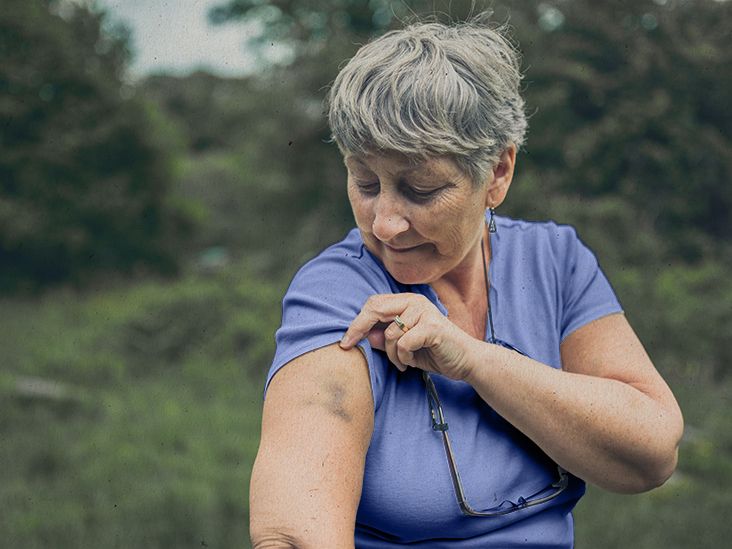
A bruise, also called a contusion or ecchymosis, happens when small blood vessels under the skin break and leak blood into nearby tissue. The skin itself usually stays intact. This is why you can have a dramatic-looking purple patch without an open cut. Bruises often appear after bumping into furniture, falling, getting hit during sports, or having blood drawn.
Most bruises are tender at first, then gradually improve. They usually change color as the body breaks down and reabsorbs the trapped blood. A fresh bruise may look red or purple. Over several days, it may turn blue, black, green, yellow, or brown before fading. Basically, your body runs a cleanup crew, and the bruise is the construction site.
Common Bruise Symptoms
Typical bruise symptoms include skin discoloration, mild swelling, tenderness when touched, and soreness that improves over time. A bruise usually stays close to the area of injury. For example, if you bang your shin on a chair, the bruise appears where the chair won the argument.
Bruises are often flat, though swelling can occur. A larger collection of blood under the skin may form a lump called a hematoma. Hematomas can feel firm, raised, rubbery, or painful and may take longer to heal than an ordinary bruise.
What Is a Blood Clot?
Blood clotting is not automatically bad. In fact, clotting is one of the reasons a paper cut does not turn into a personal plumbing disaster. When you are injured, your blood forms a clot to stop bleeding. That kind of clot is helpful and normal.
The problem begins when a clot forms inside a blood vessel when it is not needed, or when a clot fails to dissolve properly. A clot can partially or completely block blood flow. If it forms in a deep vein, usually in the leg, it is called deep vein thrombosis, or DVT. If part of that clot breaks loose and travels to the lungs, it can cause a pulmonary embolism, or PE, which can be life-threatening.
Common Blood Clot Symptoms
Blood clot symptoms depend on where the clot is located. A DVT in the leg may cause swelling, pain, tenderness, warmth, redness, or discoloration. The swelling is often one-sided, meaning one calf or leg looks noticeably larger than the other. The discomfort may feel like cramping, soreness, tightness, or a pulled muscle that did not ask permission to exist.
A pulmonary embolism may cause sudden shortness of breath, sharp chest pain that worsens with deep breathing or coughing, a fast or irregular heartbeat, dizziness, fainting, or coughing up blood. These symptoms require emergency care. This is not a “let’s sleep on it” situation.
Blood Clot vs. Bruise: The Key Differences
The easiest way to think about the difference is location and behavior. A bruise is usually bleeding under the skin after small blood vessels break. A dangerous blood clot forms inside a blood vessel and may block circulation. A bruise is visible on the skin; a clot may not be visible at all.
1. Cause
A bruise usually follows an injury. You may remember bumping your arm, falling, getting an injection, or carrying a heavy bag that pressed into your skin. A blood clot may occur after surgery, long periods of sitting, hospitalization, pregnancy, certain cancers, hormone therapy, smoking, obesity, inherited clotting disorders, or previous clots. Sometimes, a clot happens without an obvious trigger.
2. Appearance
A bruise often has a clear patch of discoloration. It may look red, purple, blue, black, green, yellow, or brown as it heals. A DVT may cause redness or darker discoloration, but it does not always create a classic bruise pattern. The skin may look normal, mildly red, bluish, or simply swollen.
3. Pain Pattern
A bruise is usually sore when pressed and gradually becomes less painful. A blood clot may cause persistent pain, tenderness, cramping, or tightness, especially in the calf or thigh. The pain may worsen when walking or standing, and it may not match any remembered injury.
4. Swelling
A bruise may have mild swelling around the injured spot. A DVT often causes more noticeable swelling in one limb. If one calf suddenly looks bigger, feels tight, or leaves a deeper sock mark than the other, take that seriously.
5. Warmth
A healing bruise can feel tender, but a clot-affected area may feel distinctly warm to the touch. Warmth combined with swelling, pain, and redness is a red flag, especially in one leg.
6. Timeline
Most bruises improve steadily over one to two weeks, though large bruises may take longer. A blood clot may worsen or persist. If symptoms are spreading, swelling is increasing, or pain is not improving, it is time to contact a healthcare provider.
Quick Comparison Table
| Feature | Bruise | Possible Blood Clot |
|---|---|---|
| Typical cause | Injury, bump, fall, injection, pressure | Immobility, surgery, travel, pregnancy, cancer, clotting disorder, unknown cause |
| Appearance | Visible purple, blue, black, green, yellow, or brown mark | May have redness or discoloration, but may also look normal |
| Pain | Tender when touched; improves gradually | Cramping, tightness, tenderness, or persistent pain |
| Swelling | Usually mild and localized | Often one-sided and more noticeable |
| Warmth | May be slightly tender | Area may feel warm or hot |
| Emergency signs | Rare unless severe injury or abnormal bleeding | Shortness of breath, chest pain, coughing blood, fainting, sudden severe symptoms |
When a Bruise May Be More Than “Just a Bruise”
Most bruises are harmless, but not all deserve a casual shrug. You should consider medical advice if a bruise appears for no clear reason, is very large, keeps growing, is extremely painful, does not improve, or appears with frequent nosebleeds, bleeding gums, blood in urine or stool, fever, or unusual fatigue.
Easy bruising can happen with aging, sun-damaged skin, certain medications, low platelet counts, liver disease, bleeding disorders, vitamin deficiencies, or blood-thinning medicines. Older adults may develop dark purple bruises on the hands and forearms because blood vessels and skin become more fragile over time.
Bruise, Hematoma, or Clot?
A hematoma is a larger collection of blood outside a blood vessel, often caused by trauma. It may look like a swollen bruise or feel like a painful lump. While a superficial hematoma is different from a clot inside a vein, it can still need medical attention if it is large, expanding, very painful, near the eye, on the head, or associated with numbness, weakness, or reduced movement.
Here is where confusion happens: a hematoma may feel firm and swollen, while a DVT can also cause swelling and pain. The difference is not always obvious from the outside. When in doubt, especially with one-sided leg swelling or risk factors for clotting, a medical evaluation is the safest move.
Blood Clot Risk Factors
Blood clots can happen to healthy people, but certain situations increase risk. Long periods of sitting or bed rest can slow blood flow. This includes long flights, car rides, hospitalization, recovery after surgery, or being inactive due to illness or injury. Blood that moves slowly is more likely to clot, much like traffic that jams when everyone forgets how lanes work.
Other risk factors include a personal or family history of blood clots, recent surgery or trauma, cancer and some cancer treatments, pregnancy and the postpartum period, estrogen-containing birth control or hormone therapy, smoking, obesity, older age, heart disease, inflammatory conditions, and inherited clotting disorders.
Symptoms That Need Emergency Care
Seek emergency medical help immediately if you have symptoms that may suggest a pulmonary embolism, heart attack, or stroke. These include sudden shortness of breath, chest pain or pressure, chest pain that worsens with breathing, coughing blood, fainting, severe dizziness, sudden weakness on one side of the body, trouble speaking, facial drooping, sudden confusion, or sudden severe headache.
You should also seek prompt medical care for signs of DVT, especially swelling in one leg, calf pain, warmth, redness, or unexplained tenderness. A DVT is not something to massage, stretch aggressively, or “walk off” without guidance. If it is a clot, rough handling is not your friend.
How Doctors Tell the Difference
A healthcare provider will usually ask about your symptoms, medical history, medications, recent travel, surgery, injuries, pregnancy status, family history, and clotting risk factors. They may compare both legs, check swelling, examine skin color, and look for tenderness or warmth.
If a DVT is suspected, a common test is a duplex ultrasound, which uses sound waves to look at blood flow in the veins. Blood tests such as D-dimer may be used in certain situations, but they are not perfect and must be interpreted with the full clinical picture. If a pulmonary embolism is suspected, imaging such as CT pulmonary angiography, ventilation-perfusion scanning, or other tests may be used depending on the patient and setting.
How Bruises Are Usually Treated
For a typical bruise, simple home care may help. Rest the area, apply a cold pack wrapped in a towel for short periods during the first day or two, elevate the injured area when possible, and avoid putting unnecessary pressure on it. After the first couple of days, gentle warmth may help some bruises feel better.
Do not place ice directly on the skin unless you want to add “minor frostbite experiment” to your list of problems. Also, if you take blood thinners or have a bleeding disorder, ask your healthcare provider what pain relievers are safest. Some medicines can increase bleeding risk.
How Blood Clots Are Treated
Blood clot treatment depends on the location, size, severity, and the patient’s overall health. Many people with DVT or pulmonary embolism are treated with anticoagulant medicines, often called blood thinners. These medicines do not literally thin the blood like adding water to soup; they reduce the blood’s ability to form new clots and help prevent existing clots from growing.
In more serious cases, doctors may use clot-dissolving medicines, procedures to remove a clot, or devices such as filters in specific situations. Treatment decisions must be individualized. Never start, stop, or change blood-thinning medication without medical guidance.
Can You Prevent Blood Clots?
You cannot prevent every blood clot, but you can lower your risk. Move regularly during long travel, stand up and stretch when safe, drink water, avoid smoking, manage chronic health conditions, maintain a healthy weight, and follow post-surgery instructions carefully. If your doctor recommends compression stockings or preventive medication after surgery or during high-risk periods, use them as directed.
If you have had a clot before, prevention becomes even more important. Keep follow-up appointments, understand your medication plan, and ask your healthcare provider what symptoms should trigger urgent care.
Can You Prevent Bruises?
Bruises are harder to avoid completely because life contains tables, doorframes, pets, toddlers, laundry baskets, and mysterious shin-level enemies. Still, you can reduce bruising by improving home lighting, removing trip hazards, wearing protective gear during sports, using handrails, and asking your doctor whether your medications or supplements could be contributing to easy bruising.
Nutrition also matters. Severe deficiencies in certain nutrients may contribute to bleeding or bruising problems, though most people should not self-diagnose based on one bruise. If bruising is frequent or unexplained, a healthcare provider can decide whether blood tests are needed.
Specific Examples: Bruise or Blood Clot?
Example 1: The Coffee Table Bruise
You hit your thigh on a coffee table. A purple patch appears the next day. It is tender when touched but not increasingly swollen, hot, or painful. Over the next week, it turns greenish-yellow and fades. This sounds like a typical bruise.
Example 2: The Long Flight Leg Swelling
After a 10-hour flight, one calf becomes swollen, warm, and painful. There is no clear injury. The pain feels deeper than a surface bruise. This could be a DVT and should be evaluated promptly.
Example 3: The “Pulled Muscle” That Isn’t Improving
You think you strained your calf, but there was no workout, fall, or twist. The calf is swollen and warm, and walking makes it worse. Do not assume it is just a muscle pull. A clot can mimic muscle pain.
Example 4: Bruising While on Blood Thinners
You take an anticoagulant and notice more bruises than usual. Mild bruising can happen, but large bruises, repeated unexplained bruising, black stools, vomiting blood, severe headache, or bleeding that will not stop needs medical attention.
Common Myths About Blood Clots and Bruises
Myth: A Blood Clot Always Looks Like a Bruise
False. A clot in a deep vein may not cause visible bruising at all. It may cause swelling, warmth, tenderness, redness, or no obvious symptoms. Waiting for a dramatic purple mark can delay care.
Myth: If You Can Walk, It Is Not a Clot
False. Some people with DVT can still walk. Pain may be mild at first. Function does not rule out a clot.
Myth: Bruises Are Never Serious
False. Most are minor, but bruising can signal medication effects, bleeding disorders, abuse, serious injury, or internal bleeding in certain situations.
Myth: You Should Massage a Painful Swollen Calf
Not a good idea if a clot is possible. If one leg is swollen, painful, warm, or red without a clear minor injury, get medical advice before massaging it.
Experience-Based Section: Real-Life Lessons About Telling the Difference
One of the trickiest things about distinguishing a blood clot from a bruise is that people often try to explain symptoms away. That is understandable. Nobody wants a normal Tuesday to become “Surprise, we are going to urgent care.” But the body has a habit of whispering before it shouts. Paying attention early can make a major difference.
A common real-world scenario involves travel. Someone sits through a long flight or road trip, then notices calf tightness later that day. At first, it feels like ordinary stiffness. Maybe the seat was cramped. Maybe the person sat like a folded lawn chair for six hours. But if one calf becomes swollen, warm, or painful while the other leg feels normal, that pattern matters. A bruise usually has a clear surface mark and a reason. A clot may feel deeper, tighter, and harder to explain.
Another experience many people recognize is the mystery bruise. You wake up, spot a blue-purple patch on your arm, and have no memory of earning it. Most of the time, the culprit is a cabinet corner, a doorframe, or the ancient martial art of carrying too many grocery bags at once. If the bruise is small, mildly tender, and fades normally, it is usually not alarming. But if mystery bruises keep appearing, are unusually large, or come with bleeding gums, nosebleeds, fatigue, or tiny red spots on the skin, it is worth getting checked.
People taking blood thinners often learn that bruises can look more dramatic than expected. A small bump may create a colorful souvenir. The key is knowing what is normal for you and what is new. A stable pattern of minor bruising may be expected, but sudden heavy bruising, severe pain, head injury, blood in stool or urine, or bleeding that will not stop should never be ignored.
A practical habit is to compare sides. If one leg is swollen, warmer, or more painful than the other, that comparison provides useful information. Another habit is tracking change. A bruise should generally improve. It may look worse before it looks better, but the pain and swelling should not keep escalating. A possible clot may persist, intensify, or appear with symptoms that do not match a simple bump.
The biggest lesson is this: you do not need to diagnose yourself perfectly. You only need to recognize when something does not fit the ordinary bruise story. If there is a clear injury, visible discoloration, localized tenderness, and gradual improvement, a bruise is likely. If there is unexplained one-sided swelling, warmth, calf pain, chest pain, shortness of breath, coughing blood, dizziness, or fainting, treat it as urgent. Your future self will not complain that you were too careful.
Conclusion
A bruise and a blood clot can both involve blood, discomfort, and changes in skin color, but they are not the same problem. A bruise is usually caused by broken small blood vessels under the skin after an injury and often heals on its own. A blood clot can form inside a vein or artery, block blood flow, and sometimes travel to the lungs, where it becomes a medical emergency.
The safest rule is simple: a typical bruise has a story and gets better. A possible clot may be unexplained, one-sided, warm, swollen, painful, or linked to symptoms such as shortness of breath or chest pain. When symptoms feel unusual, severe, or persistent, do not play detective with your health. Contact a healthcare professional and let proper testing do what guessing cannot.