Publication-ready body-only HTML. No source URLs included.
Some projects are technically simple but emotionally overqualified. That is the charm of a very wiry candle: it looks delicate, clever, slightly absurd, and completely intentional. The phrase Lighting Up A Very Wiry Candle brings to mind a real open flame at first, but in maker culture it also points to something more playful: a candle-shaped circuit sculpture, all copper lines and minimalist glow, where the wires stop pretending they are just helpers and step boldly into the spotlight. In other words, the wiring is not hiding backstage. It is the performance.
That is exactly why this idea sticks. A wiry candle blends old-world atmosphere with modern electronics. It borrows the emotional grammar of candles, warmth, ritual, quiet light, and tiny drama, then swaps the combustible parts for code, LEDs, and deliberate design. The result is charming because it does two jobs at once. It functions like a light, but it also behaves like a tiny sculpture that says, “Yes, this is art, and yes, it still runs on engineering.”
What “Lighting Up A Very Wiry Candle” Really Means
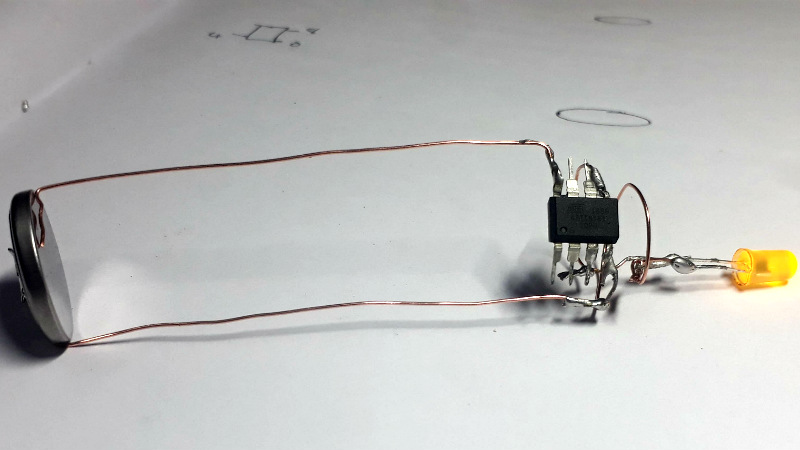
The most literal modern version of this idea comes from a Hackaday feature about an LED candle project by Amal Mathew. The build used an ATtiny85, one LED, a CR2032 coin cell, and copper wires arranged so the entire object looked like a slender candle made from circuitry instead of wax. It was submitted as a circuit sculpture, which explains the design philosophy in one neat phrase: the connections were not hidden, boxed in, or cleaned up until they disappeared. The wires were the visual identity.
That is what makes the project memorable. Plenty of LED candles try to imitate a candle so faithfully that they almost apologize for being electronic. A wiry candle does the opposite. It keeps the familiar silhouette of a candle, slim body, soft glow, upright posture, but lets the metal skeleton stay visible. The shape still whispers “candle,” yet the material says “machine.” It is half ambience, half confession.
There is also a nice design joke hiding in plain sight. A traditional candle seems simple because it is simple: wax, wick, flame, done. A wiry electronic candle looks simple too, but only after a designer has made dozens of small choices about balance, spacing, power, color, and light behavior. Minimalist objects love doing this. They show up dressed like they did not try hard, while secretly trying very hard.
Why the Idea Works So Well
It respects the shape of a candle
Good design often starts with respect. The project does not mock the candle form or overload it with gimmicks. It keeps the tall, narrow geometry and the small bright top. That proportion matters more than many people realize. A candle is instantly recognizable because the human brain has seen that silhouette for centuries. Even before electricity took over everyday lighting, candles served practical and ceremonial roles, which is one reason the form still carries symbolic weight. People do not just see a candle. They see memory, calm, ceremony, and maybe a dinner date that was either romantic or very underfunded.
It uses wires as visual language
In a normal electronics project, wires are something you organize, shorten, sleeve, tuck away, and generally stop from embarrassing you in public. In a wiry candle, the opposite is true. The wire length, curvature, and spacing create the personality of the object. Long exposed copper can make the piece look airy and hand-built. Tight bends can make it feel crisp and geometric. Slight asymmetry can make it feel more human and less factory-stamped. This is why circuit sculpture is such an appealing category: electrical necessity becomes part of the aesthetic rather than a problem to be hidden.
It chooses mood over brute brightness
A candle is not a stadium floodlight, and that is part of its appeal. The best electronic candle designs do not chase maximum brightness. They chase plausibility. Warm light, gentle variation, and a soft focal point usually matter more than lumen bragging rights. If your fake candle can be seen from orbit, congratulations, you may have invented a tiny lighthouse. That is impressive, but not especially cozy.
What Real Candle Science Teaches a Wiry Candle
The funniest thing about electronic candles is that the best ones learn from real flames. A burning candle is a compact chemistry lesson. Heat melts the wax, the liquid wax travels up the wick through capillary action, and the vaporized fuel burns near the top. In short, the flame is not really “burning the wick” in the way many people imagine. The wick regulates fuel delivery while the wax does most of the energetic heavy lifting.
Wick design is more sophisticated than it looks. Candle researchers and industry groups explain that wick structure affects how fast fuel travels upward, how the flame stabilizes, and whether the candle burns cleanly or turns into a tiny soot factory. Braiding, treatment, and sizing all matter. A wick that is too aggressive can produce a large, smoky flame. One that is too weak can drown in its own wax. Real candles are a balancing act, which makes them oddly similar to electronics: too much energy in the wrong place and everything gets weird fast.
This is one reason wick trimming shows up so often in candle safety guidance. Keeping the wick around one-quarter inch helps reduce high flames and soot. That practical rule also teaches an artistic lesson for electronic candles: the top element matters enormously. On a wiry LED candle, the “wick” area, meaning the visible tip, LED position, diffuser shape, and light spread, determines whether the piece feels elegant or awkward. The whole object can be beautiful, but if the top looks clunky, the illusion falls flat.
How Makers Fake Flame Convincingly
Flicker is more important than perfection
Real candlelight is never perfectly steady. It shifts, dips, rebounds, and wobbles in ways that feel alive. Maker tutorials for LED candles often focus on controlled flicker, using code or built-in flicker components to create subtle changes in brightness rather than harsh blinking. That distinction matters. A candle does not blink like a turn signal. It breathes.
Amal Mathew’s ATtiny85 project leaned on PWM fading, gradually changing brightness values to produce a soft rise-and-fall effect. Adafruit’s LED candle guidance makes a similar point from a different angle: a programmable microcontroller can control flicker with much more precision than a cheap novelty light. That precision is what helps an LED feel less like a toy and more like a believable source of warm ambience.
Warm color carries the illusion
Color temperature does a lot of emotional labor. A cool white LED can make a wiry candle feel clinical, like the waiting room of a futuristic dentist. A warm amber, yellow-orange, or slightly red-biased light instantly reads as flame-inspired. The eye is forgiving when the color is right. Even a simple LED can feel surprisingly candle-like when paired with warm tones and mild motion.
Small power sources fit the story
The CR2032 coin cell in the Hackaday.io project was not just a convenient battery choice. It also worked visually. In small sculptures, the power source is part of the composition whether you want it to be or not. A coin cell keeps the footprint compact, which helps preserve the illusion that the object is a tiny light with elegant proportions rather than a battery holder with emotional ambitions.
Real Candles, Real Risks, Real Rules
Even while celebrating the beauty of candles, it is worth remembering why flame-free alternatives exist in the first place. U.S. fire-safety guidance is very consistent on the basics. Trim the wick, keep the candle on a stable heat-resistant surface, avoid drafts, keep it away from flammable materials, and never leave it unattended. Multiple safety organizations also recommend keeping burning candles at least 12 inches from anything that can catch fire and stopping use before the wax burns all the way down.
Those guidelines are not bureaucratic mood-killers. They exist because candle fires are still a real household problem. Fire data in the United States has repeatedly shown that many candle fires start when something nearby catches, not because the candle itself suddenly develops villain energy. Curtains, bedding, furniture, decorations, paper, and seasonal clutter are the usual accomplices. The candle is often just the spark that finds a willing audience.
There is also the issue of air quality. Government and research sources have noted that burning candles can contribute soot and particles indoors, and scented candles can release compounds that react in the air. That does not mean every candle is a health catastrophe waiting in a glass jar, but it does mean ventilation matters. A well-made candle used sensibly is one thing. A marathon scent session in a sealed room is another. Your nose may call it “cozy forest vanilla,” but your indoor air may file a different report.
The Hidden Regulatory Story Behind Better Candles
Modern candle culture is not just wax and fragrance. It is also standards, testing, and regulation. The National Candle Association has long promoted safety standards and product labeling, and the U.S. Consumer Product Safety Commission has worked with ASTM-related voluntary standard efforts on candles and accessories. One especially important rule change involved lead in metal-cored wicks. U.S. regulation now limits lead content in metal-cored candlewicks and candles made with them, which reflects a broader move toward safer products in the marketplace.
This matters for the article’s theme because a wiry candle sits right at the intersection of aesthetics and material honesty. When people admire a candle-shaped object, whether it is wax-based or electronic, they are also trusting that the material choices behind it make sense. Beauty helps a product get noticed. Safety helps it deserve the attention.
Why Flame-Free “Candles” Keep Winning Fans
Electronic candle projects appeal to people who want the symbolism of candlelight without the liabilities of an open flame. That includes dorm rooms, bookshelves, children’s spaces, pet-friendly homes, decorative centerpieces, and maker installations where the visual language of flame matters more than actual combustion. In those contexts, a wiry candle can offer mood, shape, and conversation without adding smoke, wax spills, or an urgent need to remember whether you blew anything out before leaving the room.
There is a deeper reason these objects work, too. Human beings remain emotionally attached to pre-electric forms of light. Museums of mining lamps and candle holders make that history obvious. Before electric lamps, candles and wick-based lights were daily tools. Today, we no longer need candles the same way, but we still respond to them as symbols of comfort and focus. A wiry LED candle succeeds because it updates the technology without discarding the feeling.
How to Capture the Wiry Candle Aesthetic
If you are thinking like a designer rather than just a builder, the best wiry candle aesthetic usually follows a few principles. First, keep the silhouette narrow and legible. Second, let the exposed conductive material look deliberate, not accidental. Third, choose a warm light with gentle motion. Fourth, resist over-decoration. The whole point is that the object feels light, spare, and a little magical.
It also helps to treat imperfection as part of the charm. A perfectly machined object can be beautiful, but a slightly handmade line in a wiry candle often makes the piece feel warmer. After all, candles have always been intimate objects. They are associated with close spaces, small rituals, and human-scale light. A touch of hand-built personality suits the form better than sterile perfection.
Experiences with a Very Wiry Candle
The first time you encounter a wiry candle in person, the reaction is usually a split second of confusion followed by delight. Your eyes register “candle,” your brain prepares for wax and fire, and then the details come into focus: no wax body, no blackened wick, no dancing flame in the usual sense. Instead, there is a tiny electronic glow perched on a skeletal structure of wire. It feels a little like seeing a magic trick explained and then somehow enjoying it even more. The secret is visible, but the wonder survives.
There is also a very specific kind of quiet that surrounds a piece like this. Traditional candles bring their own sensory package: scent, smoke, heat, drips, and the occasional minor panic when you realize the curtain is closer than you remembered. A wiry candle changes that experience. The light becomes the star, stripped of the side effects. You can place it on a desk while reading, on a shelf beside books, or in a corner that needs a tiny pulse of life, and it gives back mood without asking for constant supervision. It is less demanding than a real candle, which frankly makes it an excellent roommate.
People also tend to respond to a wiry candle with curiosity instead of passive admiration. A normal candle says, “I am here to glow.” A wiry candle says, “I glow, but I also have a backstory.” Guests ask what powers it, why the wires are exposed, whether it was hand-built, and how the flicker is created. That conversational quality is part of the experience. The object does not just decorate a room; it starts a small dialogue about craft, nostalgia, and how technology can be expressive without becoming flashy.
For makers, the experience is even richer during the build itself. Working on a wiry candle forces you to think in two languages at the same time. One language is electrical: voltage, current, battery choice, LED behavior, and control logic. The other is sculptural: line, balance, negative space, proportion, and silhouette. You are not merely assembling a circuit, and you are not merely making a sculpture. You are negotiating a peace treaty between the two. When that treaty holds, the finished object feels effortless, even though the process absolutely was not.
There is something oddly satisfying about watching a soft LED fade in a room at night and realizing that a few humble parts can create an atmosphere people usually associate with wax, wick, and centuries of tradition. It reminds you that good design is not always about making something bigger, brighter, or louder. Sometimes it is about making something more thoughtful. A very wiry candle does exactly that. It distills a familiar object down to its emotional essentials and rebuilds it in a new material vocabulary.
And that may be the best part of the experience: a wiry candle feels modern without feeling cold. It respects the old language of candlelight while speaking in a fresh accent of copper, code, and controlled glow. It is a tiny object with a surprisingly big personality. One minute it looks like a clever electronics experiment. The next minute it feels like a miniature piece of domestic poetry. Not bad for something that is, technically speaking, just a small light on a few wires pretending to be profound. Then again, the best objects always are.
Conclusion
Lighting Up A Very Wiry Candle is more than a quirky phrase. It captures a design idea that is wonderfully current: using electronics not to erase the romance of candlelight, but to reinterpret it. The best wiry candle projects borrow from real candle science, respect real candle safety, and embrace the expressive potential of exposed components. They are proof that minimal hardware can still produce maximum charm.
In the end, that is why the concept lingers. A wiry candle gives us what we actually want from candlelight, warmth, focus, beauty, and a little ceremony, while letting art and engineering shake hands in public. It is part object, part mood, part wink. And yes, it absolutely earns its glow.