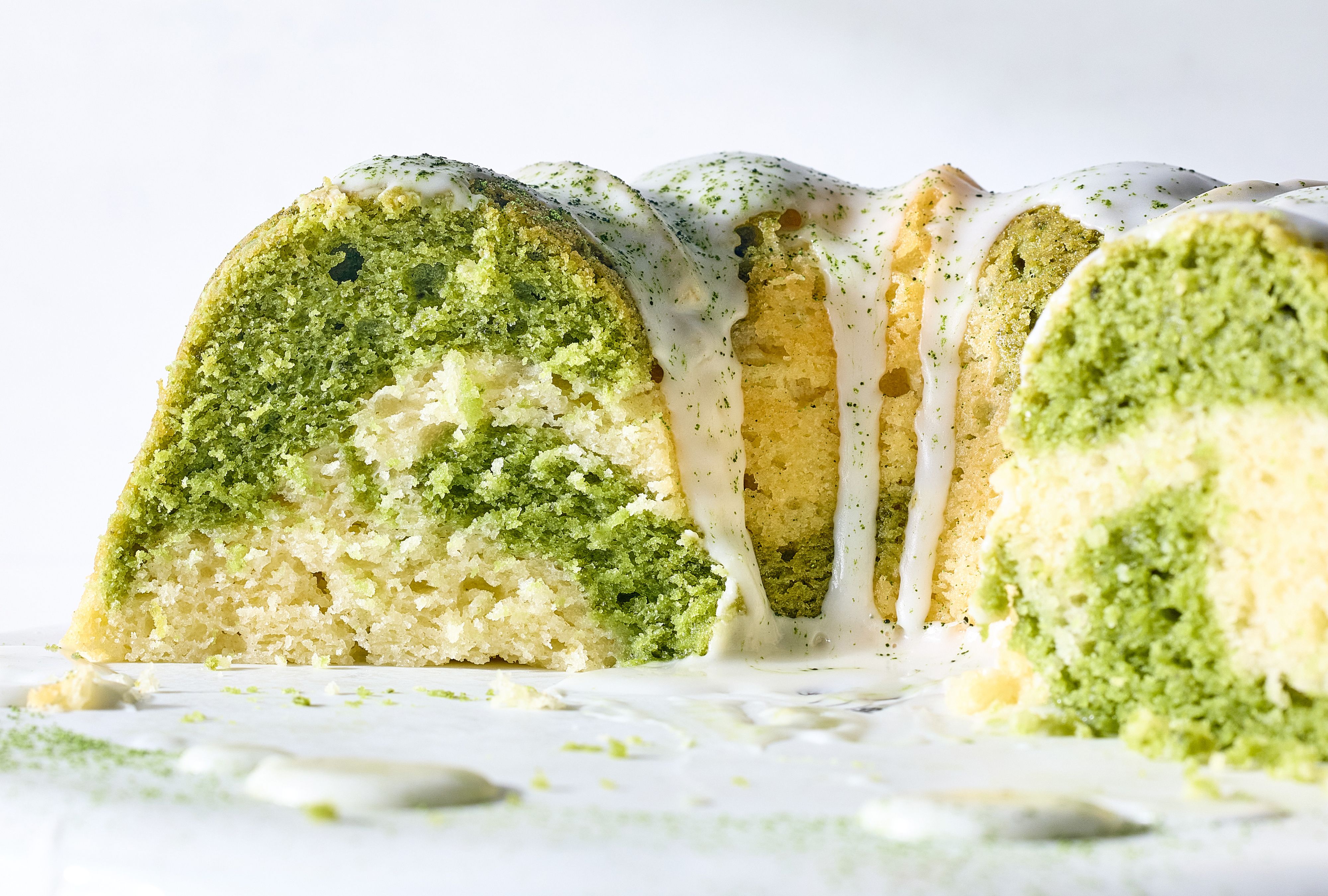
If a lemon loaf and a matcha latte had a very stylish bakery baby, this would be it. This lemon-matcha marble cake recipe is bright, tender, lightly earthy, and just dramatic enough to make people think you own at least one linen apron and a very strong opinion about butter temperature. The good news? You do not need a pastry degree, a culinary torch, or a soundtrack from a baking show finale. You just need a loaf pan, a little patience, and the willingness to swirl two batters together without turning them into green-beige confusion.
What makes this cake special is the balance. Lemon brings sharp, sunny energy. Matcha adds a soft bitterness and grassy depth that keeps the cake from tasting like a sugar parade. Together, they create a loaf that feels elegant but still comforting. It works for brunch, dessert, coffee breaks, birthdays, and those random afternoons when life feels easier if there is cake on the counter.
This version takes inspiration from classic marble cake technique, lemon loaf structure, and the tender crumb you get from sour cream. The result is a moist cake with defined swirls, a fresh citrus aroma, and a glossy lemon glaze that settles into the top like it pays rent there.
Why This Lemon-Matcha Marble Cake Works
A good marble cake is not just about looking pretty in cross-section, though that certainly does not hurt. It is about getting two distinct flavors into one loaf without sacrificing texture. In this recipe, the base batter is rich enough to support both lemon juice and zest, while sour cream keeps the crumb soft and plush. The matcha portion is made from a smaller amount of the main batter, which means you are not juggling two completely separate cake recipes like a stressed-out baking octopus.
The lemon flavor comes from both zest and juice. The zest brings fragrant oils and floral brightness; the juice adds tartness that cuts through the buttery sweetness. The matcha should be sifted before it goes anywhere near the batter, because matcha loves clumping almost as much as socks love disappearing in the dryer. A gentle swirl gives you those beautiful ribbons without muddying the flavors or overworking the crumb.
In other words, this loaf is the best kind of overachiever: good-looking, flavorful, and surprisingly easy to live with.
Lemon-Matcha Marble Cake Recipe
Yield
1 loaf cake, about 8 to 10 slices
Prep and Bake Time
Prep time: 25 minutes
Bake time: 50 to 60 minutes
Total time: About 1 hour 30 minutes, plus cooling
Ingredients
- 1 3/4 cups all-purpose flour
- 1 1/2 teaspoons baking powder
- 1/4 teaspoon baking soda
- 1/2 teaspoon fine sea salt
- 3/4 cup unsalted butter, softened
- 1 cup granulated sugar
- 3 large eggs, room temperature
- 2 tablespoons finely grated lemon zest
- 2 tablespoons fresh lemon juice
- 1 teaspoon pure vanilla extract
- 1/2 cup full-fat sour cream, room temperature
- 1/4 cup whole milk, room temperature
For the Matcha Swirl
- 1 1/2 tablespoons culinary-grade matcha, sifted
- 1 tablespoon milk or hot water
- 1 teaspoon granulated sugar
For the Lemon Glaze
- 1 cup confectioners’ sugar, sifted
- 1 1/2 to 2 tablespoons fresh lemon juice
- 1 teaspoon finely grated lemon zest
Optional Finishing Touches
- A pinch of sifted matcha for dusting
- Thin strips of lemon zest
- Flaky salt if you enjoy a tiny chef’s-kiss moment
Equipment
- 9×5-inch loaf pan
- Parchment paper
- Two mixing bowls
- Hand mixer or stand mixer
- Rubber spatula
- Fine-mesh sieve
- Skewer or butter knife
Instructions
- Prep the pan and oven. Preheat your oven to 350°F. Grease a 9×5-inch loaf pan and line it with parchment paper, leaving some overhang on the long sides so you can lift the cake out later without emotional damage.
- Mix the dry ingredients. In a medium bowl, whisk together the flour, baking powder, baking soda, and salt. Set aside.
- Cream the butter and sugar. In a large bowl, beat the softened butter and sugar for 3 to 4 minutes, until pale and fluffy. This step matters. You are not merely combining ingredients; you are building structure and air into the cake.
- Add the eggs. Beat in the eggs one at a time, mixing well after each addition. Scrape down the bowl as needed. Add the lemon zest, lemon juice, and vanilla extract, and mix until combined.
- Add the dairy and dry ingredients. In a small bowl or measuring cup, stir together the sour cream and milk. Add the flour mixture to the butter mixture in three additions, alternating with the sour cream mixture in two additions. Begin and end with the dry ingredients. Mix on low speed just until no dry streaks remain.
- Make the matcha batter. In a small bowl, whisk the sifted matcha with 1 tablespoon milk or hot water and 1 teaspoon sugar until smooth. Transfer about one-third of the vanilla-lemon batter to another bowl and fold in the matcha paste until evenly colored.
- Layer the batters. Spoon some plain batter into the prepared loaf pan, then add dollops of matcha batter, then repeat until all the batter is used. Alternate irregularly rather than obsessing over perfection. This is marble cake, not geometry class.
- Swirl gently. Use a skewer or butter knife to make 3 or 4 figure-eight motions through the batter. Stop before the colors blend into one. Over-swirling is how you end up with a loaf that looks like camouflage.
- Bake. Bake for 50 to 60 minutes, tenting loosely with foil during the last 15 minutes if the top browns too quickly. The cake is done when the top springs back lightly and a tester inserted near the center comes out with a few moist crumbs but no raw batter.
- Cool properly. Let the cake cool in the pan for 15 minutes. Then lift it out and let it cool completely on a wire rack. Completely means completely. Warm cake plus glaze equals slippery chaos.
- Glaze and finish. Whisk the confectioners’ sugar, lemon juice, and lemon zest together until smooth. Drizzle over the cooled cake. Let the glaze set before slicing, then dust lightly with matcha or add a few curls of zest if you want it to look extra photogenic.
How to Get a Better Marble Every Time
The difference between a stunning marble loaf and a vaguely tie-dyed one usually comes down to restraint. First, keep the batters similar in thickness. That is why the matcha is mixed into a portion of the main batter instead of becoming its own entirely separate project. Second, do not dump all the green batter in one line and call it a day. Scatter dollops throughout the pan so every slice has a chance at drama.
Most importantly, swirl lightly. Three or four intentional motions are usually enough. The goal is visible ribbons, not total fusion. A marble cake should look like two flavors had a lovely conversation, not a full-contact sport.
Tips for the Best Lemon-Matcha Marble Cake
1. Use room-temperature ingredients
Butter that is properly softened and eggs that are not fridge-cold help the batter emulsify more smoothly. That means a finer crumb, better rise, and fewer weird curdled moments in the mixing bowl.
2. Rub the lemon zest into the sugar
If you want even more lemon flavor, massage the zest into the sugar before creaming it with the butter. It smells amazing and helps release the citrus oils for a more fragrant loaf.
3. Sift the matcha
Unsifted matcha can form stubborn clumps that refuse to behave. A quick pass through a sieve keeps the swirl smooth and evenly green.
4. Do not overmix once the flour goes in
Overmixing develops gluten and can make the cake tougher than it should be. Mix until just combined, then step away from the mixer like the disciplined baker you are becoming.
5. Cool before glazing
This cake needs time to settle. A fully cooled loaf slices more neatly, tastes more balanced, and keeps the glaze from soaking in like a vanishing act.
Flavor Variations to Try
Once you make this lemon-matcha marble cake recipe once, your brain will begin suggesting spin-offs at unreasonable speed. Here are a few good ones:
- Lemon-matcha poppy seed loaf: Add 1 tablespoon poppy seeds to the main batter for more texture and a bakery-style vibe.
- White chocolate version: Fold 1/2 cup chopped white chocolate into the plain batter. Matcha and white chocolate get along suspiciously well.
- Yogurt swap: Use full-fat Greek yogurt instead of sour cream for a slightly lighter tang.
- Bundt adaptation: Double the recipe for a small Bundt pan if you are feeding a crowd or just enjoy dramatic cakes with architectural ambitions.
- Extra tart glaze: Add a tiny pinch of salt to the glaze and use all lemon juice, no milk, for a bolder finish.
Common Mistakes to Avoid
Using low-quality matcha: If the matcha tastes flat, stale, or aggressively bitter, the cake will notice. Use a fresh culinary-grade matcha with a clean green-tea aroma.
Adding too much lemon juice to the batter: More is not always more. Too much liquid acid can throw off the crumb and make the loaf heavy. Let zest carry part of the citrus load.
Skipping the parchment sling: Can you bake without it? Sure. Will you regret that choice when half the loaf threatens to remain in the pan? Also yes.
Opening the oven too early: Resist. Cake batter is in a delicate relationship with heat. Peeking too soon can cause sinking in the center.
Slicing before the loaf is cool: Fresh-from-the-oven cake smells magical, but slicing too early can make it crumbly and gummy. Give it time.
How to Serve This Cake
This loaf is wonderfully flexible. Serve it plain with coffee if you want something subtly elegant. Add the lemon glaze for a brighter dessert finish. Pair it with berries and whipped cream for brunch. Toast a slice lightly and serve it with mascarpone if you are feeling fancy. Or eat it standing at the kitchen counter in total silence while guarding your final slice from the rest of the household. All valid.
It also makes a great make-ahead cake. The lemon and matcha flavors mellow and marry after a few hours, so the second-day slice can be even better than the first. That is a rare and noble quality in both cake and people.
How to Store Lemon-Matcha Marble Cake
Store the cake tightly covered at room temperature for up to 3 days. If your kitchen runs hot, or if you want a longer window, refrigerate it for up to 1 week. Let chilled slices come to room temperature before serving so the crumb softens and the lemon flavor opens back up.
You can also freeze the loaf, whole or sliced, for up to 1 month. Wrap it tightly in plastic wrap and then foil or place slices in an airtight freezer container. Thaw overnight in the refrigerator or on the counter for a few hours. If you know you are freezing it, glaze after thawing for the freshest finish.
Frequently Asked Questions
Can I use ceremonial matcha?
Yes, but it is not necessary. Ceremonial matcha is lovely for drinking and often pricier. A good-quality culinary matcha works beautifully in cake.
Can I make this cake without sour cream?
Yes. Full-fat Greek yogurt is the best substitute. The texture may be slightly different, but the loaf should still be moist and tender.
Why did my swirl disappear?
You probably over-swirled the batter or used a matcha batter that was too loose. Keep the swirl brief and the batters similar in consistency.
Can I make it dairy-free?
You can experiment with plant-based butter, dairy-free yogurt, and a splash of non-dairy milk, though the texture may be a little less rich. Use a reliable dairy-free butter made for baking.
Does this cake taste strongly like green tea?
Not overwhelmingly. The matcha brings an earthy, slightly bitter note that balances the lemon. It tastes refined, not grassy in a lawn-clipping sort of way.
Final Slice
This lemon-matcha marble cake recipe delivers exactly what a great loaf cake should: a tender crumb, a memorable flavor combination, and enough visual flair to earn compliments before anyone even takes a bite. The lemon keeps things lively. The matcha adds depth. The marble effect makes each slice look special, which is convenient because you will absolutely want to show it off.
Whether you bake it for a spring brunch, a tea party, a weekend treat, or a personal mission to make your kitchen smell like a tiny upscale bakery, this cake has range. It feels modern without being fussy, pretty without being precious, and flavorful without needing a seven-step frosting situation. That is my kind of dessert.
Baker’s Notes: Real-Life Experiences With This Cake
The first time I made a lemon-matcha marble cake, I was mostly hoping it would look elegant enough to distract from the fact that my kitchen counter looked like a flour tornado had passed through. You know the scene: one sticky citrus juicer, a measuring spoon that somehow disappeared into a bag of sugar, and a suspicious amount of green powder on my shirt. Yet even before the cake finished baking, I knew the recipe was a keeper. The smell was not just “cake.” It was brighter, more interesting, almost like a classic lemon loaf had gone on vacation, discovered matcha, and come back with excellent stories.
What surprised me most was how much people love the swirl. Even before tasting it, everyone reacts to the slices. There is a very specific moment when someone sees that soft green pattern against the pale yellow crumb and says, “Wait, you made this?” That little pause is one of the great joys of baking. A marble loaf feels impressive, but once you know the trick, it is mostly about layering and not getting too enthusiastic with the skewer.
I have also learned that this cake appeals to people who claim they “don’t really like matcha.” Usually, what they mean is that they had one bitter café pastry in 2019 and have been carrying the grudge ever since. In this loaf, matcha is not there to hit you over the head. It plays backup singer to the lemon. The citrus keeps the flavor lively, while the tea adds depth and a gentle bitterness that makes the sweetness feel more grown-up. Suddenly the skeptics are asking for another slice, and I try not to look smug about it.
This cake has become one of my favorite bake-and-share recipes because it fits into so many situations. It works on a brunch table next to fruit and coffee. It works as an afternoon snack when you want something more exciting than a plain pound cake. It even works as a low-maintenance dinner dessert, because the loaf shape feels casual while the flavor feels a bit dressed up. You can carry it to a gathering without needing to protect towering frosting or assemble anything on-site. It is the golden retriever of cakes: friendly, adaptable, and welcome almost anywhere.
I especially like making it a day ahead. Freshly baked cake is wonderful, of course, but this one settles beautifully overnight. The lemon becomes rounder, the matcha integrates more deeply, and the whole loaf slices like a dream the next day. If you glaze it in the morning and let it sit for a while, it somehow becomes both prettier and more delicious. I cannot fully explain that. I just accept it as cake magic and move on.
There have been a few lessons along the way. One, I once skipped sifting the matcha because I was feeling overconfident and in a hurry. The result was a few tiny green clumps that looked like the batter had secrets. Two, I have absolutely over-swirled the loaf before. The flavor was still lovely, but the marbling looked more “abstract weather map” than “graceful bakery slice.” Three, I learned not to glaze a warm cake unless I specifically want the icing to vanish into the top like it owes someone money.
Still, even the imperfect versions have been worth making. That is part of the charm of this lemon-matcha marble cake recipe. It is forgiving enough for a relaxed weekend bake, but interesting enough to feel special every time. It rewards a little care without demanding perfection. And honestly, any recipe that makes a kitchen smell this good while also producing a cake that looks impressive on a plate has earned a permanent place in my rotation.
If you are the kind of baker who likes recipes with personality, this is one to keep. It is cheerful, a little sophisticated, and just unusual enough to stand out without wandering into gimmick territory. Every time I make it, I end up thinking the same thing: this is exactly the sort of loaf that makes ordinary days feel a little less ordinary. And that, in my opinion, is an excellent reason to preheat the oven.