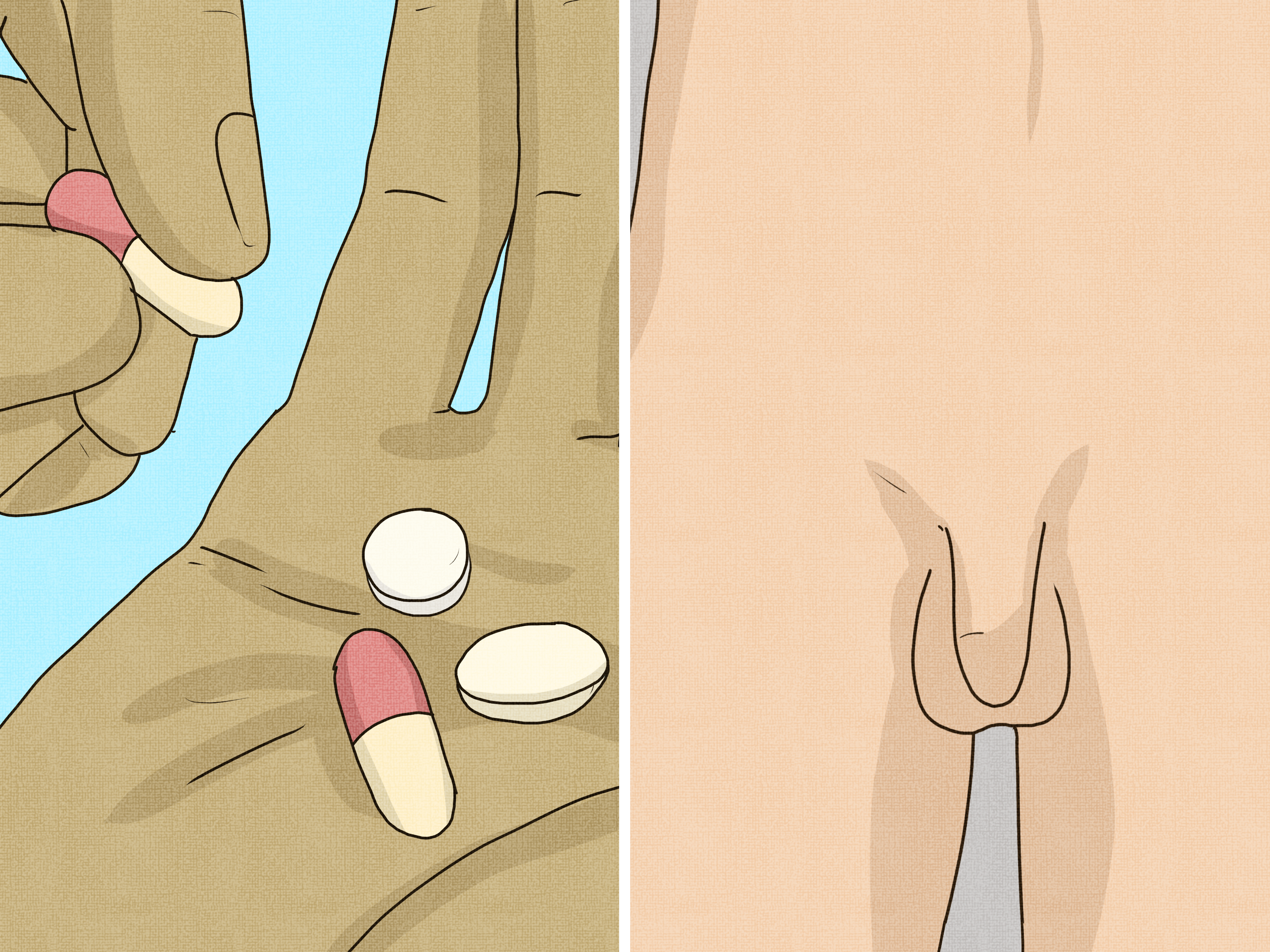
Note: This article is for educational purposes only and should not replace advice from a qualified, gender-affirming healthcare provider. If tucking causes pain, numbness, discoloration, urinary symptoms, skin wounds, swelling, or ongoing discomfort, stop tucking and seek medical care.
Introduction: Let’s Talk About Tucking Without Making It Awkward
Tucking is one of those topics people often Google at midnight with one eye on the door and the other on the search bar. But it does not need to be mysterious, shameful, or treated like a secret spell from a forbidden fashion handbook. Tucking is a gender-affirming practice used by many transgender women, transfeminine people, nonbinary people, drag performers, and others who want a flatter, smoother appearance in the genital area under clothing.
So, is tucking dangerous? The honest answer is: tucking is not automatically dangerous, but it can become risky when it is done too tightly, for too long, with unsafe materials, or when someone ignores pain and warning signs. Think of it like wearing high heels, shapewear, or a tight sports bra. The item is not evil. The problem begins when your body starts waving a little red flag and you respond with, “Cute, but I have errands.”
This guide answers the most common questions about tucking safety, possible risks, tucking underwear, gaffs, tape, fertility, bathroom breaks, skin care, and when to talk to a clinician. The goal is simple: help you understand how to tuck more safely, avoid preventable problems, and make decisions that respect both your gender expression and your body.
What Is Tucking?
Tucking is the practice of positioning the penis, scrotum, and sometimes the testes in a way that reduces the visible bulge in the front of clothing. Some people tuck to feel more comfortable in dresses, swimsuits, leggings, fitted pants, stage costumes, or everyday outfits. Others tuck because it helps reduce gender dysphoria, increases confidence, or supports safety in public spaces where being visibly transgender can unfortunately attract unwanted attention.
There is no single “correct” way to tuck. Some people use snug underwear, compression briefs, or a gaff. Others use medical-grade tape for short periods. Some prefer a partial tuck; some tuck only for special occasions; some do not tuck at all. Not tucking does not make anyone less feminine, less trans, less stylish, or less valid. Gender is not graded by underwear engineering.
Is Tucking Dangerous?
Tucking can be safe for many people when done gently, for reasonable periods, and with breathable, skin-safe materials. However, unsafe tucking can cause problems. The most commonly reported issues include skin irritation, chafing, rashes, itching, testicular pain, penile pain, urinary discomfort, urinary tract infections, and trouble with urine flow. In more serious situations, overly tight tucking can affect circulation or contribute to swelling, numbness, or discoloration.
One important rule stands above the rest: pain is not the price of admission. Mild unfamiliar pressure may happen, especially for beginners, but sharp pain, nausea, faintness, numbness, tingling, blue or pale skin, swelling, or burning when urinating are warning signs. If any of these show up, stop tucking. Your body is not being dramatic; it is submitting a customer service complaint.
Why Do People Tuck?
Gender Comfort and Confidence
For many people, tucking helps clothing fit in a way that feels aligned with their gender expression. A smooth silhouette can reduce distress and make someone feel more comfortable moving through the world. This may be especially meaningful in swimwear, tight dresses, athletic clothing, dance costumes, or professional outfits.
Safety and Privacy
Some people tuck because they do not want strangers reading their body in public. In a perfect world, everyone could dress without fear. In the current world, many people make practical choices to protect privacy, safety, and emotional comfort. Tucking can be part of that strategy.
Performance and Fashion
Drag performers, dancers, models, cosplayers, and theater artists may tuck for costume reasons. In performance settings, the tuck may need to hold through movement, heat, sweat, and stage lighting bright enough to expose every wrinkle in human history. That makes safety even more important.
What Are the Main Tucking Methods?
1. Tucking With Snug Underwear
This is often the simplest method. A person positions the genitals back between the legs and uses snug underwear to hold things in place. Cotton underwear may be more breathable and less irritating than synthetic fabrics. Layering underwear can help, but too many tight layers may trap sweat and heat.
2. Using a Gaff or Tucking Underwear
A gaff is a specially designed compression garment made to create a flatter appearance. Many people find gaffs more comfortable than tape because they are reusable, easier to remove, and do not stick to skin or hair. A good gaff should feel secure but not crushing. If it feels like your underwear is trying to win a wrestling match, size up.
3. Tucking With Medical-Grade Tape
Some people use tape for a smoother look, especially under swimwear or very fitted clothing. If tape is used, it should be medical-grade or specifically designed for skin. Duct tape, packing tape, scotch tape, and other household tapes should be avoided because they can tear skin, pull hair, cause rashes, and make removal painful. Tape should not be worn for long periods, and you usually cannot urinate comfortably while taped, so planning matters.
How Long Can You Safely Tuck?
There is no universal number that works for everyone, but shorter is safer than longer. Many clinical and community health resources suggest taking regular breaks and avoiding being tucked all day and night. Tape-based tucking should generally be treated as a short-term option rather than a 24/7 lifestyle choice.
A practical beginner approach is to start at home for a short period, check how your body responds, then slowly increase time only if there is no pain, numbness, skin irritation, or urinary discomfort. Do not sleep while tucked. Nighttime is when your body should be recovering, not negotiating with compression.
What Are the Possible Health Risks of Tucking?
Skin Irritation and Rashes
The groin area is warm, moist, and prone to friction. Tucking can increase sweating and rubbing, which may lead to redness, itching, chafing, fungal irritation, or small breaks in the skin. Broken skin increases the chance of infection. Keeping the area clean, dry, and untucked during breaks can help.
Pain, Numbness, or Circulation Problems
Tucking too tightly can put pressure on sensitive tissue. Pain, tingling, numbness, swelling, or skin color changes are not normal signs to “push through.” They may signal reduced blood flow or excessive compression. Untuck immediately and give your body time to recover.
Urinary Problems
Some people avoid drinking water or delay urinating because untucking and retucking can be inconvenient. That can increase the risk of dehydration, bladder discomfort, and urinary tract infections. Hydration is not optional. Your kidneys did not sign up to be supporting actors in your outfit.
Testicular or Groin Pain
Moving the testes into the inguinal canals can be uncomfortable for some people. It should be done slowly and gently, if at all. People with a history of hernia, groin surgery, testicular pain, swelling, or urinary conditions should talk with a healthcare provider before tucking regularly.
Fertility Concerns
Tucking may affect sperm production, especially if the testes are held closer to the body for long periods. Sperm production is sensitive to heat, and the testes are normally positioned outside the body partly because cooler temperatures support sperm health. People who may want biological children in the future should consider discussing fertility preservation, sperm banking, and tucking frequency with a clinician.
How Can You Tuck More Safely?
Start Slowly
Practice at home before wearing a tuck to school, work, a party, a beach day, or a long event. You want your first serious tucking experiment to happen somewhere you can adjust privately, not in a public bathroom with bad lighting and a paper towel dispenser that sounds like a lawn mower.
Choose the Right Garment
Use a gaff, tucking underwear, or snug briefs that fit properly. Tighter is not always better. A garment should hold things in place without causing pain, numbness, or deep red marks. Breathable materials are helpful, especially for everyday wear.
Avoid Unsafe Tape
Only use tape made for skin if you choose to tape. Household tapes are too harsh. Before using any adhesive in a sensitive area, consider testing it on a less sensitive part of the body to check for irritation. Remove tape slowly, ideally after warming or moistening the adhesive, and never rip it off like you are opening a stubborn shipping box.
Take Bathroom and Hydration Breaks
Use the bathroom before tucking, especially before taping. Continue drinking water during the day. If you need to urinate, untuck rather than holding it for hours. Your bladder is not a storage unit.
Check Your Skin
Look for redness, cuts, rash, swelling, or tenderness before and after tucking. Do not tuck over broken or irritated skin. Wash garments regularly and let skin breathe during breaks.
When Should You Stop Tucking Immediately?
Stop tucking right away if you experience sharp pain, nausea, faintness, numbness, tingling, swelling, skin turning blue, purple, pale, or unusually red, bleeding, open sores, burning during urination, blood in urine, lower back or bladder pain, fever, or testicular pain that does not improve after untucking.
If symptoms continue after you untuck, contact a healthcare provider. A gender-affirming clinician is ideal, but any urgent symptom deserves care. You do not need to explain your entire life story to get help for pain, swelling, skin injury, or urinary symptoms.
Can You Pee While Tucked?
It depends on the method. Some people can urinate while wearing a gaff or snug underwear, though they may need to adjust afterward. Tape-based tucking often makes urination difficult or impossible without removing the tape. That is why tape is usually better for shorter events, not long days away from a private bathroom.
Do not restrict water just to avoid bathroom breaks. Dehydration can cause headaches, fatigue, dizziness, constipation, and urinary problems. A smooth silhouette is not worth feeling like a dried apricot in human form.
Is Tucking With Tape Better Than a Gaff?
Not necessarily. Tape may create a very smooth look, but it also increases the chance of skin irritation, painful removal, and bathroom inconvenience. A gaff or tucking underwear is often better for everyday use because it is reusable, easier to adjust, and less harsh on the skin.
For special occasions, some people use tape carefully for a limited time. For regular daily wear, many people prefer a well-fitting gaff, compression underwear, or clothing choices that reduce the need for a tight tuck.
Does Tucking Affect Fertility?
It can. The research is still limited, but fertility specialists and case reports suggest that frequent or prolonged tucking may reduce sperm quality or sperm count in some people. The concern is mainly heat and pressure. When testes are tucked closer to the body, they may be exposed to higher temperatures than usual, which can interfere with sperm production.
If future fertility matters to you, talk to a healthcare provider about sperm banking before starting hormone therapy or before long-term frequent tucking. This does not mean everyone who tucks becomes infertile. It means fertility is worth discussing early, before choices become more complicated.
Can Tucking Cause a Hernia?
Tucking may create pressure in the groin area, especially when the testes are moved into the inguinal canals. People with a history of inguinal hernia, groin pain, abdominal wall weakness, or prior groin surgery should be extra cautious and should speak with a clinician. If you notice a new bulge, groin swelling, pain that worsens when coughing or lifting, or sudden severe pain, seek medical attention.
What Should Beginners Know Before Tucking?
Beginners should remember four things: go slowly, use safe materials, take breaks, and listen to pain. Practice when you are calm and have privacy. Avoid making your first attempt right before a big event. That is how people end up late, stressed, and arguing with underwear like it owes them money.
It may take trial and error to find what works. Body shape, genital size, skin sensitivity, clothing style, activity level, and personal comfort all affect the best method. Some people feel great with a gaff. Some prefer layered underwear. Some only tuck for special outfits. Some decide tucking is not for them. All of these choices are valid.
Clothing Tips That May Reduce the Need to Tuck
You do not always need a strong tuck to feel comfortable. A-line skirts, flowy dresses, longer tops, structured fabrics, thicker leggings, patterned bottoms, pleated skirts, dark colors, and tunics can reduce visibility without intense compression. Swim skirts, shorts-style bikini bottoms, and lined athletic wear may also help.
Fashion is basically problem-solving with fabric. Sometimes the safest tuck is not a tighter tuck; it is a smarter outfit.
How to Talk to a Healthcare Provider About Tucking
If you have pain, urinary symptoms, fertility questions, skin problems, or concerns about long-term tucking, a clinician can help. You can say something simple: “I tuck for gender affirmation, and I want to know how to do it safely.” A good provider should respond with respect, not judgment.
If a provider seems uncomfortable, dismissive, or rude, that is not your fault. Look for LGBTQIA-friendly clinics, community health centers, trans health programs, or telehealth services with experience in gender-affirming care. Your body deserves care without a side order of awkwardness.
Common Questions About Tucking
Is it normal for tucking to feel uncomfortable?
Some mild unfamiliar pressure can happen at first. Pain, numbness, nausea, faintness, swelling, or discoloration are not normal and mean you should stop.
Can I tuck every day?
Some people tuck daily, but daily tucking increases the importance of breaks, skin checks, hydration, clean garments, and avoiding overly tight compression. If daily tucking causes symptoms, reduce time and speak with a clinician.
Can I sleep tucked?
Sleeping tucked is not recommended. Your body needs time without compression, and you may not notice pain, numbness, or circulation issues while asleep.
Should I shave before tucking?
Trimming can reduce pulling and discomfort, especially if using tape. Avoid shaving immediately before taping because fresh shaving can irritate skin. Never apply adhesive over cuts, razor burn, or inflamed skin.
Is a gaff worth it?
For many people, yes. A properly fitted gaff can be more comfortable and safer than tape for regular use. The key is fit: snug enough to support, not so tight that it hurts.
Real-World Experiences: What Tucking Often Feels Like in Daily Life
People’s experiences with tucking vary widely, and that is one reason generic advice only goes so far. One person may put on a gaff in the morning, go through a normal workday, and barely think about it. Another may feel uncomfortable after two hours and need to untuck, stretch, and change into looser clothing. Neither person is doing gender “better.” Bodies simply have different limits.
For someone new to tucking, the first experience is often more emotional than expected. There may be excitement when clothes finally fall the way they imagined. There may also be nervousness: “Am I doing this right? Is this supposed to feel weird? Can everyone tell?” That mix of relief and anxiety is common. Many people find that practicing at home helps them separate normal adjustment from actual discomfort. A quiet afternoon in leggings or a favorite dress can become a low-pressure test run.
Another common experience is realizing that the most intense tuck is not always the best tuck. For example, someone dressing for a dinner may start with tape because they want the flattest possible look, then discover halfway through the evening that sitting, eating, laughing, and needing the bathroom all matter too. The lesson is not “never tape.” The lesson is “match the method to the event.” A two-hour photo shoot and a ten-hour travel day are very different missions.
People who tuck regularly often develop personal routines. They may keep a clean backup pair of underwear in a bag, choose breathable fabrics on hot days, schedule bathroom breaks before long meetings, or avoid taping when they know they will be walking a lot. Some learn that certain outfits give them confidence without much compression. Others invest in a high-quality gaff after realizing that bargain-bin underwear was doing the emotional equivalent of unpaid overtime.
Skin care also becomes part of the experience. Sweat, friction, and tight fabric can build up quickly, especially in summer or during performance. Many people learn to check their skin at the end of the day, wash garments carefully, and take untucked rest days. These small habits can prevent bigger problems. Confidence is wonderful, but confidence plus healthy skin is the deluxe package.
There is also an emotional side to not tucking. Some people feel pressure to tuck because they believe they “should.” But choosing not to tuck, or only tucking sometimes, can be just as affirming when it protects comfort and health. A person might tuck for a wedding, skip it for grocery shopping, use a gaff for work, and wear loose clothes at home. Flexibility is not failure. It is body literacy.
The most helpful mindset is curiosity rather than perfection. Tucking is a tool, not a test. It can support gender expression, safety, style, and comfort, but it should never require ignoring pain or harming the body. The best tuck is not the tightest one. It is the one that lets someone move through the day feeling more like themselves while still being able to breathe, pee, sit, laugh, and get home without needing a dramatic recovery montage.
Conclusion: So, Is Tucking Dangerous?
Tucking is not automatically dangerous, but it deserves care, patience, and respect for your body’s limits. The safest approach is to use breathable garments when possible, avoid unsafe tape, take regular breaks, stay hydrated, keep skin clean and dry, and stop immediately if pain or warning signs appear.
For many people, tucking can be a powerful gender-affirming practice. It can make clothing feel better, reduce dysphoria, improve confidence, and help someone feel safer in public. But no look is worth numbness, injury, infection, or fear. Your body is not an obstacle to your gender expression. It is the place where that expression gets to live.
When in doubt, choose comfort over compression, information over guesswork, and medical support over silent suffering. A good tuck should help you feel more at home in your bodynot make your body beg for a union representative.