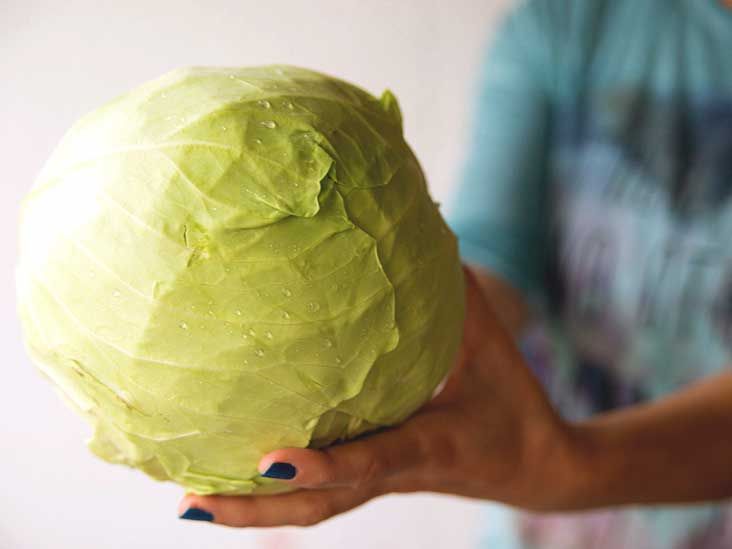
Iceberg lettuce has spent years being treated like the “background extra” of the produce aisle. Romaine gets the fitness influencer glow-up, kale gets the superfood crown, and spinach gets invited to every smoothie. Meanwhile, iceberg lettuce sits there quietly, crisp and dependable, ready to rescue burgers, tacos, salads, sandwiches, and weeknight dinners from becoming soft, sad, and suspiciously beige.
But is iceberg lettuce actually healthy? Yes. Is it the most nutrient-dense leafy green on Earth? No. Is it a refreshing, low-calorie, hydrating vegetable that can help you eat more produce without making dinner feel like homework? Absolutely. Iceberg lettuce nutrition is not about being flashy; it is about crunch, freshness, versatility, and making healthy meals easier to enjoy.
This guide breaks down iceberg lettuce calories, nutrition facts, health benefits, storage tips, and easy recipes you can actually make without needing a culinary degree or a kitchen staff named Pierre.
What Is Iceberg Lettuce?
Iceberg lettuce, also called crisphead lettuce, is a tightly packed head lettuce known for its pale green leaves, high water content, mild flavor, and unmistakable crunch. Unlike delicate leaf lettuce, iceberg has a sturdy structure that holds up well in salads, wraps, sandwiches, burgers, and chopped bowls.
Its flavor is intentionally simple. Iceberg does not shout, “I was grown on a misty hillside and harvested by moonlight.” It says, “Put me in a taco and let’s move on with our lives.” That mildness is exactly why people love it. It works with creamy dressings, spicy sauces, grilled meats, beans, seafood, eggs, tofu, and nearly every crunchy vegetable in the drawer.
Iceberg Lettuce Calories and Nutrition Facts
One of the biggest reasons iceberg lettuce remains popular is that it is extremely low in calories. A cup of shredded iceberg lettuce, about 72 grams, contains roughly 10 calories. It also provides a small amount of carbohydrate, fiber, protein, vitamin K, vitamin A, folate, potassium, calcium, and vitamin C.
Basic nutrition per 1 cup shredded iceberg lettuce
| Nutrient | Approximate Amount |
|---|---|
| Calories | About 10 calories |
| Water | About 95% to 96% |
| Carbohydrates | About 2 grams |
| Fiber | Less than 1 gram |
| Protein | Less than 1 gram |
| Fat | Trace amount |
| Sodium | Very low |
Iceberg lettuce is naturally free of cholesterol and very low in fat and sodium. This makes it a useful base for lighter meals, especially when you want volume, freshness, and crunch without adding many calories.
Is Iceberg Lettuce Good for You?
Yes, iceberg lettuce is good for you, especially when it helps you eat more vegetables. The problem is not iceberg lettuce. The problem is expecting it to behave like spinach, broccoli, salmon, and a multivitamin all at once. Iceberg is not here to carry your entire diet on its leafy shoulders.
Its strongest nutritional advantages are hydration, low calorie density, and meal flexibility. Because iceberg lettuce contains so much water, it adds volume and freshness to meals. This can make a plate feel more satisfying without dramatically increasing calories. That is helpful for people building balanced meals, managing weight, or simply trying to eat something green that does not taste like lawn clippings.
Key health benefits of iceberg lettuce
- Low in calories: A generous serving adds crunch and bulk for very few calories.
- Hydrating: Its high water content makes it refreshing, especially in warm weather.
- Contains vitamin K: Vitamin K supports normal blood clotting and bone health.
- Provides folate: Folate is important for cell function and red blood cell formation.
- Supports vegetable intake: If iceberg helps you eat more salads, wraps, or vegetable-heavy meals, that is a win.
- Easy to digest for many people: Its mild flavor and crisp texture make it approachable for picky eaters.
Iceberg Lettuce vs. Romaine: Which Is Healthier?
Romaine lettuce generally contains more vitamins, minerals, and fiber than iceberg lettuce. It is darker, leafier, and richer in nutrients such as vitamin A, folate, and vitamin K. If your goal is maximum nutrition per bite, romaine, spinach, kale, and other dark leafy greens usually win.
However, that does not make iceberg lettuce useless. Nutrition is not only about winning spreadsheet battles. Food also has to be affordable, available, enjoyable, and easy to use. Iceberg lettuce often lasts longer than tender greens, has a satisfying crunch, and appeals to people who dislike stronger-tasting leaves. The healthiest lettuce is the one you will actually eat instead of leaving it to become refrigerator confetti.
How to Choose Fresh Iceberg Lettuce
At the grocery store, look for a head that feels heavy for its size. The leaves should be crisp, tightly layered, and light green with no slimy spots, strong odors, or large brown patches. A little discoloration on the outer leaves can be removed, but if the head feels wet, mushy, or smells unpleasant, give it a polite goodbye and choose another.
Quick buying checklist
- Choose firm, compact heads.
- Avoid lettuce with slimy or rotten areas.
- Look for fresh, crisp outer leaves.
- Skip bags with excess liquid or wilted shredded lettuce.
- Buy only what you can use within several days for best quality.
How to Store Iceberg Lettuce So It Stays Crisp
Iceberg lettuce is sturdy, but it is not indestructible. Store whole heads in the refrigerator, ideally in the crisper drawer. Keep the lettuce dry until you are ready to use it, because extra moisture can speed spoilage. If the lettuce is wrapped in plastic, leave it loosely wrapped or place it in a breathable produce bag.
After cutting or shredding iceberg lettuce, store it in an airtight container lined with a paper towel to absorb extra moisture. Use cut lettuce within a few days for best texture. Whole heads usually last longer than pre-cut lettuce because fewer leaf surfaces are exposed to air and moisture.
Food safety tips for lettuce
- Wash your hands before handling fresh lettuce.
- Remove damaged or bruised outer leaves.
- Rinse loose leaves under running water before eating.
- Dry lettuce well with a salad spinner or clean towel.
- Do not wash lettuce with soap, detergent, or bleach.
- Keep lettuce away from raw meat, poultry, and seafood to prevent cross-contamination.
- Refrigerate cut lettuce promptly.
Best Ways to Use Iceberg Lettuce
Iceberg lettuce shines when texture matters. It is the crunch in a burger, the cold snap in a taco, the sturdy cup for chicken salad, and the refreshing base under bold dressings. Because it has a neutral flavor, it lets toppings and sauces do the dramatic acting.
Use iceberg lettuce in:
- Classic wedge salads
- Turkey, chicken, or tuna lettuce wraps
- Tacos and burrito bowls
- Burgers and sandwiches
- Chopped salads
- Low-carb wraps
- Asian-style lettuce cups
- Crunchy slaws
- Seafood salads
- Meal-prep bowls
Easy Iceberg Lettuce Recipes
These iceberg lettuce recipes are simple, practical, and flexible. They are designed for real kitchens, meaning no one is asking you to massage kale, ferment anything, or locate a rare vinegar from a mountain village.
1. Classic Iceberg Wedge Salad
Ingredients: 1 head iceberg lettuce, 1/2 cup Greek yogurt or light sour cream, 2 tablespoons mayonnaise, 1 tablespoon lemon juice, 1 teaspoon Dijon mustard, black pepper, cherry tomatoes, crumbled turkey bacon or regular bacon, chopped chives, and a small amount of blue cheese or feta.
Directions: Cut the iceberg lettuce into four wedges. Mix yogurt, mayonnaise, lemon juice, mustard, and pepper to make a creamy dressing. Spoon the dressing over each wedge, then top with tomatoes, bacon, chives, and cheese. Serve cold.
Why it works: The thick leaves hold the dressing beautifully. Every bite is crisp, creamy, salty, and fresh.
2. Chicken Lettuce Wraps
Ingredients: Large iceberg lettuce leaves, cooked ground chicken, diced carrots, green onions, garlic, low-sodium soy sauce, rice vinegar, sesame oil, ginger, and optional chopped peanuts.
Directions: Cook the chicken with garlic and ginger. Add carrots, soy sauce, rice vinegar, and a small drizzle of sesame oil. Spoon the warm filling into cold iceberg leaves and top with green onions and peanuts.
Tip: Use the inner cup-shaped leaves for the best wrap structure. They are basically edible bowls, which is excellent news for anyone avoiding dishes.
3. Crunchy Taco Salad Bowl
Ingredients: Shredded iceberg lettuce, seasoned lean ground beef or black beans, corn, tomatoes, avocado, salsa, plain Greek yogurt, lime juice, cilantro, and crushed tortilla chips.
Directions: Fill a bowl with shredded iceberg lettuce. Add warm taco-seasoned beef or beans, then top with corn, tomatoes, avocado, salsa, yogurt, lime juice, cilantro, and a small handful of crushed chips.
Why it works: Iceberg lettuce balances warm, spicy toppings with cold crunch. It also keeps the bowl from feeling too heavy.
4. Deli-Style Turkey and Iceberg Sandwich
Ingredients: Whole-grain bread, sliced turkey, iceberg lettuce, tomato, mustard, avocado, red onion, and pickles.
Directions: Layer the turkey, tomato, onion, pickles, and a generous stack of iceberg lettuce between slices of bread. Add mustard and avocado for flavor and moisture.
Tip: Pat the lettuce dry before adding it to sandwiches. Wet lettuce turns bread into a sponge, and nobody asked for sandwich pudding.
5. Shrimp and Iceberg Lettuce Cups
Ingredients: Iceberg lettuce cups, cooked shrimp, diced cucumber, mango, red bell pepper, lime juice, cilantro, chili flakes, and a small spoonful of olive oil.
Directions: Toss shrimp with cucumber, mango, pepper, lime juice, cilantro, chili flakes, and olive oil. Spoon the mixture into lettuce cups. Serve immediately.
Why it works: The lettuce adds crunch while the shrimp provides protein and the mango adds sweetness. It tastes like summer showed up early and brought snacks.
How to Make Iceberg Lettuce More Nutritious
Iceberg lettuce is a great base, but the real nutritional magic happens when you build around it. Add protein, healthy fats, high-fiber carbohydrates, and colorful vegetables. This turns a plain bowl of lettuce into a satisfying meal instead of a sad side dish pretending to be dinner.
Smart additions include:
- Protein: grilled chicken, salmon, tuna, eggs, tofu, beans, lentils, shrimp, or turkey
- Healthy fats: avocado, olive oil, nuts, seeds, or hummus
- Fiber-rich carbs: quinoa, brown rice, corn, roasted sweet potatoes, chickpeas, or whole-grain pita
- Colorful vegetables: tomatoes, carrots, peppers, cucumbers, radishes, cabbage, and onions
- Flavor boosters: herbs, citrus juice, vinegar, garlic, mustard, salsa, or pickled vegetables
One easy formula is: iceberg lettuce plus protein plus color plus crunch plus dressing. For example, start with chopped iceberg, add grilled chicken, cherry tomatoes, black beans, avocado, pumpkin seeds, and lime vinaigrette. Suddenly, iceberg is not just “lettuce.” It is dinner with a better personality.
Common Questions About Iceberg Lettuce
Is iceberg lettuce good for weight loss?
Iceberg lettuce can support weight-loss meals because it is low in calories and high in volume. It helps make meals feel bigger and fresher. However, lettuce alone is not enough. Pair it with protein, fiber, and healthy fats to stay satisfied.
Is iceberg lettuce low carb?
Yes. Iceberg lettuce is naturally low in carbohydrates, making it useful for low-carb meals, lettuce wraps, burger bowls, and taco salads.
Can you cook iceberg lettuce?
Yes, although it is most often eaten raw. Iceberg can be quickly grilled, lightly sautéed, or added at the end of a stir-fry. Keep cooking brief so it stays crisp instead of collapsing into green sadness.
Is iceberg lettuce safe to eat every day?
For most people, iceberg lettuce can be part of a daily diet. For better nutrition, rotate it with darker greens such as romaine, spinach, arugula, kale, and spring mix. Variety helps you get a wider range of nutrients.
Real Kitchen Experiences With Iceberg Lettuce
Iceberg lettuce earns its place in the kitchen because it solves small, ordinary problems that matter. When a sandwich tastes too salty, iceberg makes it fresher. When tacos feel heavy, shredded iceberg cools them down. When a dinner plate looks like three shades of brown having a meeting, iceberg brings in color, crunch, and a little dignity.
One of the best experiences with iceberg lettuce is using it for meal prep. A whole head can be washed, dried, chopped, and stored with a paper towel in a sealed container. During the week, it becomes the base for fast lunches: grilled chicken one day, tuna salad the next, black beans and salsa after that. It does not demand attention, but it quietly makes meals easier. That is a very underrated vegetable skill.
Iceberg also works beautifully for people who are trying to eat healthier but do not love bitter greens. Not everyone wants kale in their life, and that is okay. Iceberg is mild, familiar, and friendly. For families, it is often easier to get children or picky eaters to accept iceberg lettuce in tacos, wraps, and burgers than to convince them that arugula is “fun.” Arugula may be sophisticated, but iceberg knows how to get invited to the cookout.
Another practical experience is using iceberg lettuce as a texture tool. In a homemade burger, the lettuce leaf creates a cool barrier between the hot patty and the bun. In a lettuce wrap, it provides structure without adding heaviness. In a chopped salad, it gives every bite a satisfying snap. This is why restaurants still rely on iceberg lettuce: it performs consistently, looks clean on the plate, and holds up under dressings better than many delicate greens.
Iceberg lettuce is also budget-friendly. When food prices climb, it helps to have ingredients that stretch meals without stretching your wallet. A single head can become several salads, wraps, sandwich layers, and taco toppings. Combined with beans, eggs, chicken, canned tuna, or leftover roasted vegetables, it can turn odds and ends into something that feels intentional rather than desperate.
The biggest lesson from cooking with iceberg lettuce is that healthy eating does not always need to be dramatic. Sometimes it is not a smoothie bowl, a detox plan, or a salad that requires twelve ingredients and emotional preparation. Sometimes it is a cold, crisp wedge of lettuce, a handful of tomatoes, a good dressing, and the realization that simple food can still be satisfying.
Conclusion
Iceberg lettuce may not be the richest leafy green in the produce section, but it deserves far more respect than it gets. It is low in calories, hydrating, crisp, affordable, and endlessly useful. It adds freshness to burgers, crunch to tacos, structure to wraps, and volume to salads. While darker greens offer more concentrated nutrients, iceberg lettuce can still be part of a healthy, balanced diet, especially when paired with protein, colorful vegetables, whole grains, beans, nuts, seeds, and flavorful homemade dressings.
The smartest way to use iceberg lettuce is not to ask it to do everything. Let it do what it does best: bring crunch, refreshment, and easy vegetable volume to everyday meals. In a world full of complicated nutrition advice, iceberg lettuce is refreshingly simple. It is the dependable friend who shows up cold, crisp, and ready to help.