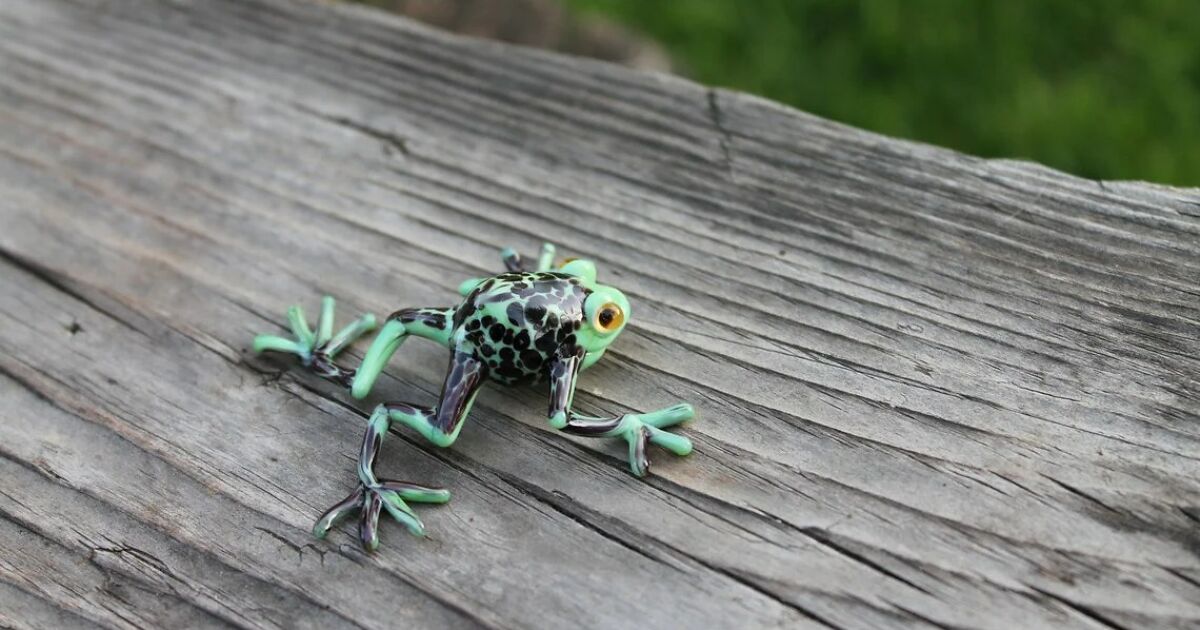
Some people collect stamps. Some people collect sneakers. I apparently looked at a tiny lump of molten glass one day and thought, “You know what the world needs? More toads with personality.” That is how this small selection of lampworked toads came to life: nine little glass figures, each shaped by flame, patience, and a suspicious amount of staring at amphibian faces.
Lampworking, also called flameworking, is a glassmaking technique where rods or tubes of glass are heated in a focused torch flame until they become soft enough to shape by hand tools, gravity, breath, and timing. It is an old craft with a modern studio personality: part sculpture, part science, part tiny circus performed at very high heat. For these handmade glass toads, I wanted to capture the charm of real toadsthe chunky bodies, sleepy expressions, bumpy skin, and “I own this garden” posturewithout making them too realistic. After all, a glass toad should look magical enough to guard a bookshelf and silly enough to make you smile on a Tuesday.
Why Toads Make Such Good Glass Figures
Toads are wonderfully sculptural creatures. Unlike the sleek frog, a toad usually has a rounder body, shorter legs, drier-looking skin, and a sturdy little stance that seems built for quiet judgment. That shape translates beautifully into lampworked glass because it allows the artist to play with curves, texture, balance, and color in a compact form.
When making lampworked animal figurines, the silhouette matters first. A toad is recognizable even before the details arrive: a low body, wide head, slightly raised eyes, and legs tucked close. Once that basic shape is right, the personality comes from the tiny choicesthe angle of the eyes, the curve of the mouth, the color of the belly, the placement of dots, and whether the toad looks shy, grumpy, royal, or like it just heard a very disappointing garden rumor.
The Magic Behind Lampworked Toads
Each lampworked toad starts as glass rods, not as a ready-made mold. The rod is introduced to the flame, slowly warmed to prevent cracking, and then gathered into a small molten mass. From there, the glass is shaped while it is glowing hot. A graphite paddle may flatten the underside, tweezers may pull a leg into position, and small dots of colored glass can be melted onto the surface to create eyes, spots, toes, or warty texture.
The challenge is that glass remembers everything. Heat one side too long, and a tiny foot begins to sag. Add too much glass to the head, and suddenly the toad looks like it has been studying philosophy for 300 years. Touch the wrong place with a tool, and the smooth belly becomes a mysterious dent. This is why handmade lampwork glass figures are never perfectly identicaland that is exactly the point. Their differences are their charm.
A Selection Of 9 Lampworked Toads
1. The Mossy Green Garden Toad
This toad is inspired by the classic garden visitor: earthy green, slightly speckled, and calm enough to look like it has been meditating under a fern. I used darker glass accents around the back to create depth and a natural, moss-like effect. It is the kind of piece that looks perfect near plant pots, terrariums, or a windowsill where sunlight can pass through the glass and bring the color alive.
2. The Amber Honey Toad
The amber toad has a warm, golden tone that feels almost ediblethough please do not eat the glass amphibian, no matter how much it resembles caramel with eyes. This piece plays with transparency. When held against the light, the body glows softly, making the little figure feel warmer and more animated. Amber glass is especially fun for small sculptures because it gives a sense of depth without needing heavy surface decoration.
3. The Blue Rain Toad
Blue may not be the first color people imagine when they think of toads, but glass does not have to obey pond rules. This blue lampworked toad was designed with a rainy-day mood: cool, calm, and a little mysterious. Small clear accents help the surface catch light like water droplets. It has the look of a tiny creature that might appear after a storm and then vanish before you can ask it for life advice.
4. The Spotted Woodland Toad
This one is all about texture. Real toads are known for their bumpy, glandular-looking skin, and while I did not want to make the piece too literal, I did want to give it a playful spotted surface. Small dots of glass were added one by one, then gently melted until they became part of the body. This technique adds visual rhythm and makes the figure more interesting from every angle.
5. The Tiny Black Toad
A black glass toad has instant drama. It looks elegant, strange, and just a little bit like it knows where the missing socks go. Because darker glass can hide details, the shape must be especially clear. I focused on a strong outline, raised eyes, and a glossy surface. Under direct light, subtle highlights reveal the curves of the body and legs, turning a simple color choice into something surprisingly expressive.
6. The Transparent Crystal Toad
The clear glass toad is the minimalist of the group. No loud colors, no fancy outfit, just pure form. It shows every curve and every small decision in the sculpture. Clear glass can be unforgiving because bubbles, tool marks, and uneven heat become more visible, but it also creates a clean, magical effect. This piece looks especially beautiful on a dark shelf or against natural light.
7. The Red-Eyed Fantasy Toad
This toad leans into imagination. With bright eyes and a more theatrical color palette, it is not trying to imitate a backyard species. It is more like a tiny guardian from a fairy tale, the kind that might sit near a mushroom and demand a password. In lampwork sculpture, fantasy pieces are useful because they let the artist exaggerate features while still keeping the animal recognizable.
8. The Earth Brown Toad
The brown toad may sound simple, but it is one of my favorites because natural tones make the sculpture feel grounded. Layered browns, tans, and subtle spots help suggest soil, bark, and fallen leaves. This piece feels quiet and believable, like it could be hiding beside a garden stone. It also shows how handmade glass animals can be decorative without needing bright colors to stand out.
9. The Cheerful Mini Toad
The final piece is smaller and rounder, with a slightly comic expression. It is the toad equivalent of a pocket-sized good mood. Miniature lampworked figures require extra control because the glass cools quickly and every feature has to be added with precision. A tiny eye dot can change the whole expression. A tiny foot placed too far forward can make the toad look like it is preparing for a dramatic Broadway entrance.
What Makes Handmade Glass Toads Special?
Mass-produced decorations can be beautiful, but handmade glass figures carry the evidence of the maker’s hand. No two lampworked toads come out exactly alike. A slightly different head angle creates a new personality. A color reaction in the flame may produce an unexpected shade. A tiny bubble might appear inside the body like a secret trapped in crystal. These small variations make each figure feel alive.
Glass also has a way of interacting with light that other materials cannot quite copy. A ceramic toad may have charm, and a resin toad may have detail, but glass has glow. Transparent colors shift depending on the background. Opaque colors become richer under bright light. Glossy surfaces reflect the room around them. A lampworked toad is not just a small sculpture; it is a tiny light-catcher with legs.
The Details That Matter Most
Shape And Balance
A good glass toad must sit properly. That sounds obvious until you are holding molten glass in a flame and trying to convince four tiny legs to cooperate. The underside needs to be stable, the body needs to feel balanced, and the head should not pull the whole sculpture forward. A toad that tips over is not charming. It is a very small glass tragedy.
Eyes And Expression
The eyes are usually the moment when the figure becomes a character. Before the eyes, it is a blob with ambition. After the eyes, it has opinions. Lampworked eyes can be made with small dots of colored glass, layered dots, or raised details. Placement is everything. Eyes set too high can look surprised. Too low, and the toad looks sleepy. Slightly wide-set eyes often create that classic amphibian stare that feels both adorable and ancient.
Texture And Spots
Toads are famous for their bumpy skin, but in glass, less is often more. Too many raised dots can make a small piece look crowded. I prefer using texture selectively: a few spots on the back, subtle bumps near the shoulders, and color variation to suggest natural patterning. The goal is to honor the real animal without turning the sculpture into a biology exam with legs.
Decorating With Lampworked Toad Figures
Small glass toads can fit into many spaces. They look wonderful in curio cabinets, on desks, beside houseplants, near aquariums or terrariums, and in miniature collections. Because glass reacts beautifully to light, placing them near a window or under a soft display lamp can make the colors more vivid. A transparent or amber toad may glow warmly, while a green or blue one can look jewel-like.
If you use glass figures near plants, make sure they are placed safely where watering, soil movement, or curious pets will not knock them down. Handmade glass is sturdy in spirit but not invincible. It prefers admiration over gravity experiments.
Care Tips For Small Lampwork Glass Figures
To keep lampworked glass figures looking their best, handle them gently and clean them with a soft cloth. If dust gathers in small details, a clean makeup brush or soft paintbrush works well. Avoid harsh chemicals, sudden temperature changes, and hard surfaces. Even well-annealed glass can chip or break if dropped.
For collectors, display matters. A padded shelf, enclosed cabinet, or stable tray can help protect small pieces. If the toads are part of a larger miniature scene, leave enough space between figures so they do not tap against each other. Glass-on-glass contact can cause tiny scratches or chips over time.
Why I Keep Returning To Animal Figures
Animals make excellent subjects for lampworking because they sit at the intersection of observation and imagination. You can study real anatomy, then stylize it. You can use natural colors, then make a purple toad with golden spots because the flame said yes. This balance keeps the process exciting.
Toads, in particular, are underrated models. They are not glamorous in the obvious way. They do not have the sleek drama of snakes or the instant cuteness of kittens. But they have character. They look patient, ancient, slightly ridiculous, and oddly wise. A toad does not beg for attention. It sits there until you realize it has been the most interesting thing on the shelf the whole time.
My Experience Making These Lampworked Toads
Making this selection of lampworked toads taught me that small sculptures can have big attitudes. The first challenge was choosing proportions. If the body was too long, the figure looked more like a lizard who had made questionable career choices. If the head was too round, it became a frog. If the legs were too thin, the whole piece lost that wonderful toad-like sturdiness. I had to keep reminding myself: toads are compact. Toads are grounded. Toads look like they have already paid off their mortgage.
Color testing was another adventure. Some glass colors behave politely in the flame, while others act like they have a secret agenda. Greens can shift depending on heat. Transparent colors may look pale while hot and become richer after cooling. Some darker tones swallow small details unless they are paired with lighter accents. For the spotted toads, I had to test how much heat the dots needed. Too little heat, and they sat on the surface like candy sprinkles. Too much heat, and they disappeared into the body like shy polka dots leaving the party early.
The eyes were the most entertaining and the most stressful part. A toad’s expression can change completely with a fraction of a millimeter. One figure looked calm and noble until I added the second eye slightly off-center; suddenly it looked like it had seen my browser history. Another toad came out with such a peaceful face that I almost named it “Professor Puddle.” These moments are why I love handmade glass. The material does not simply obey; it collaborates, argues, and occasionally tells jokes.
I also learned to respect cooling time. After shaping, each piece needs to be annealed so internal stress can relax. This step is not glamorous, but it is essential. You can make the cutest toad in the universe, but if the glass has hidden stress, it may crack later. Patience is part of the craft. The kiln is where the little creatures rest after their fiery birth, which sounds dramatic because it is. Lampworking is basically tiny mythology with safety glasses.
Photographing the finished toads was its own mini project. Glass is reflective, transparent, and occasionally determined to show every fingerprint known to humanity. The clear toad wanted a dark background. The amber toad loved warm light. The black toad needed highlights to show its shape. The blue toad looked best near a cool-toned surface. Arranging all nine together made me realize how different they felt, even though they shared the same basic subject. One looked like a garden resident, one like a fantasy sidekick, one like a tiny museum artifact, and one like it was silently judging the entire photo session.
In the end, these lampworked toads reminded me why I enjoy making glass figures in the first place. The process is slow, hot, detailed, and sometimes hilariously unpredictable. But when the finished piece catches the light and suddenly feels alive, all the effort makes sense. A tiny glass toad may not solve world problems, but it can make a shelf more cheerful, a collection more personal, and a maker’s day a little brighter. Honestly, that is a pretty respectable job for something with four little legs and a face smaller than a peanut.
Conclusion
This selection of nine lampworked toads is a celebration of small-scale glass art, amphibian charm, and the joyful weirdness of handmade objects. Each toad begins as a plain glass rod and becomes a tiny character through heat, shaping, color, texture, and patience. Whether you love glass collecting, miniature art, garden-inspired decor, or simply enjoy objects that make people lean closer and say, “Wait, is that a tiny glass toad?” these little figures offer a playful reminder that craft does not have to be enormous to feel magical.
Note: This article is original, written in standard American English, and based on researched knowledge of lampworking, flameworking, handmade glass sculpture, and real toad characteristics.