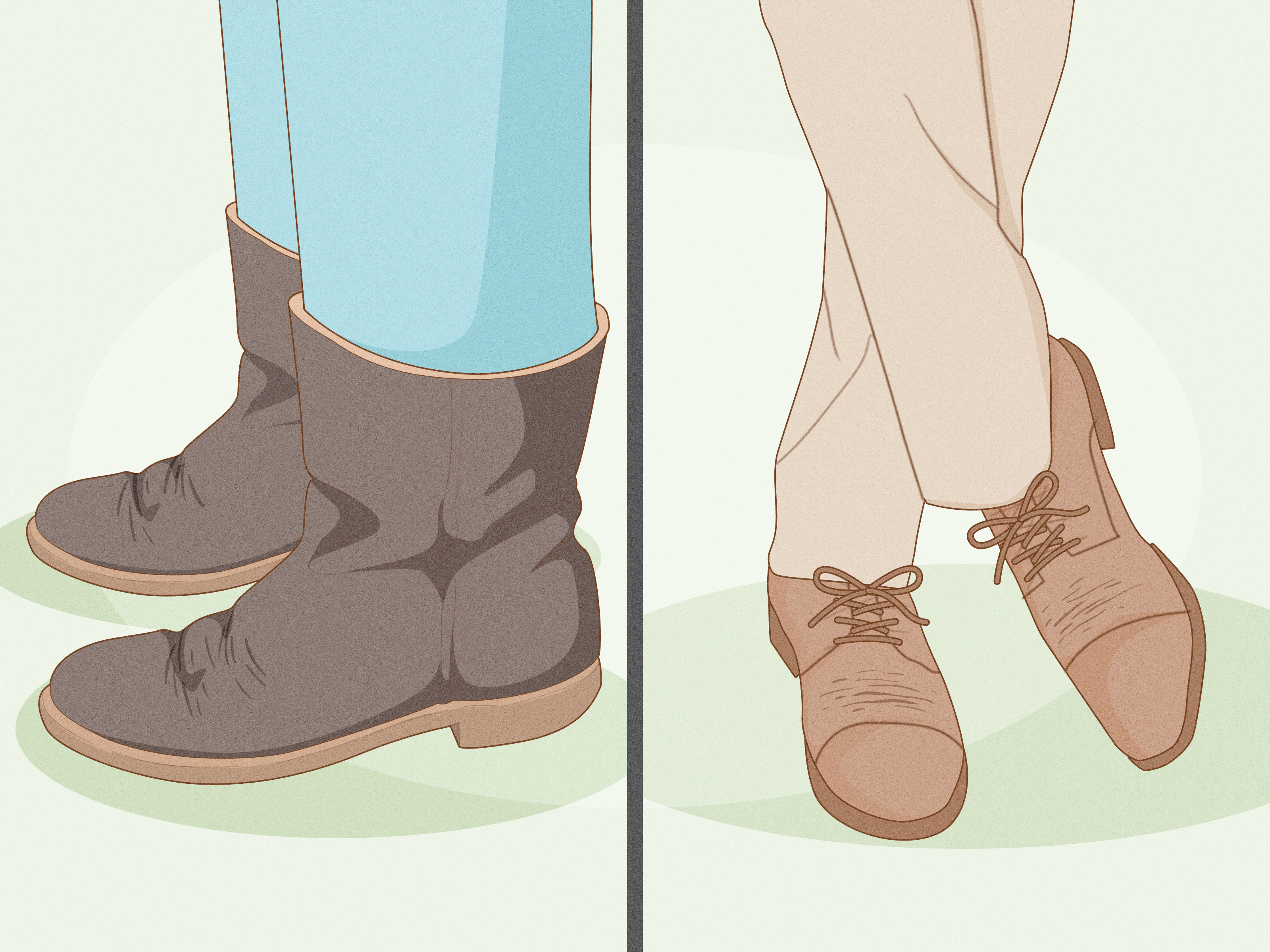
Few things humble a fresh pair of shoes faster than the first toe-box crease. One minute your sneakers look like they just stepped out of a display case; the next, they look like they have been emotionally processing a difficult week. The good news is that creases are normal. Shoes bend because feet bend, and unless you plan to hover everywhere like a stylish ghost, your footwear will eventually show signs of movement.
Still, normal does not mean hopeless. Whether you are trying to uncrease sneakers, remove wrinkles from leather shoes, smooth out dress shoe folds, or rescue a favorite pair before a big night out, there are safe ways to reduce creases at home. The secret is simple: support the shoe from the inside, soften the material carefully, smooth the wrinkle gradually, and protect the finish afterward.
This guide explains how to remove shoe creases using practical methods such as shoe trees, light heat, steam, leather conditioner, and smart storage. It also covers what not to do, because shoes are expensive and “I panicked with an iron” is not a maintenance strategy.
Why Shoes Crease in the First Place
Shoe creases usually form where the upper bends as you walk, especially across the toe box and vamp. Sneakers with leather, synthetic leather, mesh overlays, or patent panels crease differently, but the reason is the same: repeated flexing plus pressure. Leather dress shoes wrinkle because natural leather stretches, softens, and molds to your foot over time. That is part of their charm, like laugh lines for footwear.
Common causes of shoe wrinkles include poor fit, excessive moisture, thin or soft upper materials, lack of shoe trees, rough storage, and wearing the same pair every day without giving it time to dry and recover. A shoe that is too large may crease more because extra material folds when your foot moves. A shoe that is too tight may crease sharply because the upper is under constant stress. In other words, fit is not just about comfort; it is wrinkle prevention with laces.
Before You Start: Check the Material
Not every shoe should be treated the same way. Smooth leather and many leather sneakers can tolerate gentle reshaping. Canvas and knit sneakers may respond better to stuffing and steam. Patent leather needs extra caution because heat can cloud or damage the glossy coating. Suede and nubuck are the divas of the shoe-care world: beautiful, delicate, and easily offended by water, oil, and heat.
Before using any crease-removal method, clean the shoe lightly. Dust, salt, mud, and grime can grind into the surface when you apply heat or pressure. Use a soft brush or microfiber cloth. For leather, a slightly damp cloth is usually enough for surface dirt. Let the shoe dry before moving on. Always test conditioner, steam, or heat on a hidden area first, especially if the shoe is expensive, vintage, dyed, painted, or emotionally important.
The Best Tools for Removing Shoe Creases
You do not need a professional cobbler bench to fix shoe wrinkles, although a professional is the safest choice for rare, luxury, or badly damaged pairs. For home care, gather a few simple items:
- Shoe trees, preferably cedar for leather shoes
- Clean cotton towel or microfiber cloth
- Iron with a low-heat setting
- Hair dryer with low or medium heat
- Leather conditioner or shoe cream for smooth leather
- White tissue paper, socks, or clean rags for stuffing sneakers
- Soft brush for cleaning and finishing
The most important tool is internal support. If the shoe is empty while you heat or massage it, the crease has nowhere to go. A shoe tree, sock bundle, or towel stuffing pushes the upper back into shape while you work.
Method 1: Use Shoe Trees for Light Creases
If your shoes have mild wrinkles, start with the gentlest method: shoe trees. Insert properly sized shoe trees after each wear while the shoe is still slightly warm from your foot. This helps the upper dry in a natural shape instead of collapsing into the same crease pattern overnight.
How to Do It
- Clean the shoes with a soft cloth or brush.
- Insert shoe trees so the toe box is filled but not stretched aggressively.
- Leave them in for at least 24 hours.
- For leather shoes, follow with a light brush and conditioner if the leather feels dry.
Shoe trees will not erase deep creases instantly, but they are excellent for reducing light wrinkles and preventing new ones from becoming permanent. Think of them as posture coaches for your shoes. Annoyingly effective.
Method 2: The Damp Towel and Iron Method for Sneakers
The iron method is popular for uncreasing sneakers because it uses controlled heat and moisture to relax the upper. It works best on leather or synthetic leather toe boxes, especially common basketball and lifestyle sneakers. However, it can damage glue, paint, mesh, plastic coatings, or delicate finishes if you rush.
Steps to Uncrease Sneakers With an Iron
- Remove the laces so you can work cleanly around the toe box.
- Stuff the shoe firmly with socks, towels, or a shoe tree until the creased area is pushed outward.
- Dampen a clean cotton towel. It should be damp, not dripping like it just survived a rainstorm.
- Place the towel directly over the creased area.
- Set the iron to the lowest heat setting.
- Press over the towel in short 5- to 10-second intervals.
- Lift the towel and check progress often.
- Stop once the crease softens and the shoe looks smoother.
- Leave the shoe stuffed until it cools completely.
Do not drag the iron like you are ironing a shirt. Press gently, pause, check, and repeat. Too much heat can melt synthetic materials, loosen glue, flatten texture, or discolor leather. If the shoe starts smelling hot, looking shiny in a bad way, or making you nervous, stop immediately.
Method 3: Hair Dryer Method for Leather Shoes
A hair dryer is useful for removing wrinkles from leather shoes because it gives you more control than an iron. The idea is to warm the leather just enough to make it pliable, then massage and stretch it over a shoe tree.
How to Remove Leather Shoe Wrinkles With a Hair Dryer
- Insert cedar shoe trees or firmly stuff the shoes.
- Clean the leather surface.
- Set the hair dryer to low or medium heat.
- Hold it about 6 to 8 inches from the creased area.
- Warm the leather for 20 to 30 seconds at a time.
- Massage the crease gently with your fingers or a soft cloth.
- Let the shoe cool on the shoe tree.
- Apply leather conditioner afterward if the leather feels dry.
This method is especially helpful for dress shoes, loafers, leather boots, and smooth leather sneakers. Avoid overheating one spot. Keep the dryer moving, and remember that leather is skin. If you would not blast your own hand with that level of heat, do not do it to your oxfords.
Method 4: Steam for Stubborn Wrinkles
Steam can relax stubborn shoe creases, but it must be used carefully. Too much moisture can stain leather, weaken adhesives, or distort suede and nubuck. For smooth leather or durable sneakers, light steam can help soften the upper before reshaping.
How to Steam Shoe Creases Safely
- Stuff the shoe firmly so the creased area is supported.
- Use a garment steamer or steam from hot water, keeping the shoe away from direct soaking.
- Expose the creased area to steam for a few seconds at a time.
- Wipe away any excess moisture with a clean cloth.
- Massage the crease gently while the material is warm.
- Let the shoe dry naturally with shoe trees inside.
Never hold suede or nubuck directly over steam unless you know exactly what you are doing. For those materials, use a suede brush and consult a professional for deep damage. Steam can turn a small crease into a tragic texture experiment.
Method 5: Leather Conditioner for Dry, Wrinkled Shoes
Dry leather wrinkles more sharply and may crack if ignored. A quality leather conditioner can soften the fibers, improve flexibility, and make creases look less harsh. It will not magically erase every line, but it can make leather shoes look healthier and more polished.
How to Condition Creased Leather Shoes
- Brush away dust and dirt.
- Test the conditioner on a hidden area.
- Apply a small amount with a soft cloth.
- Massage it into the entire shoe, not only the crease, to keep the finish even.
- Let it absorb according to product directions.
- Buff with a clean cloth or horsehair brush.
- Insert shoe trees and let the shoes rest overnight.
Use conditioner sparingly. Over-conditioning can make leather limp, dark, or greasy. The goal is “well cared for,” not “marinated.” For dress shoes, follow conditioner with cream polish if you want to restore color and shine.
What About Crease Protectors?
Crease protectors are plastic or foam inserts placed inside sneakers to reduce toe-box bending. They can help keep sneakers looking fresh, especially for people who love crisp toe boxes. They are most useful in casual sneakers with enough room in the front.
However, they are not for everyone. If the shoe already fits snugly, crease protectors may make it uncomfortable. They can also change how the sneaker feels when walking. Use them for special pairs, photo days, or occasional wear, but do not sacrifice your toes in the name of sneaker vanity. Your feet have rights.
How to Prevent Shoe Creases Before They Happen
Prevention is easier than repair. Once a deep crease sets into leather or synthetic material, you can reduce it, but you may not remove it completely. Use these habits to keep sneakers and leather shoes looking better for longer:
- Buy the right size. Extra space in the toe box can fold; tight shoes can stress the upper.
- Use shoe trees after wearing. This is especially important for leather shoes.
- Rotate your shoes. Give each pair time to dry and recover.
- Use a shoe horn. Crushed heel counters make shoes age faster.
- Store shoes properly. Avoid tossing them in a pile where the toe box gets smashed.
- Keep leather conditioned. Dry leather wrinkles and cracks sooner.
- Avoid soaking your shoes. Moisture weakens structure and can set ugly folds.
Common Mistakes That Can Ruin Shoes
The biggest mistake is using too much heat. High heat can melt synthetic uppers, warp soles, loosen glue, and create shiny patches on leather. Another mistake is applying products without testing. Some conditioners darken leather. Some cleaners strip finishes. Some “hacks” belong in the same drawer as expired coupons and bad decisions.
Do not iron directly on the shoe. Do not soak leather. Do not use heavy oils on suede. Do not force oversized shoe trees into a delicate pair. Do not expect patent leather, cracked leather, or peeling synthetic leather to behave like new full-grain leather. If the material is cracked, the damage is structural; smoothing the surface will only do so much.
When to Call a Professional
If the shoes are luxury, vintage, rare sneakers, shell cordovan, exotic leather, or badly misshapen, a cobbler or professional sneaker restorer is a wise investment. Professionals can re-last leather shoes, reshape uppers, clean delicate materials, repaint panels, and reduce deep creases without gambling with household tools.
Professional help is also the better option if your shoes have deep cracks, separated soles, water damage, dye transfer, or fragile old leather. At-home methods are best for cosmetic creases, not major restoration surgery.
Quick Guide: Which Method Should You Use?
| Shoe Type | Best Method | Use Caution With |
|---|---|---|
| Leather sneakers | Damp towel and low-heat iron | Painted panels, glue, synthetic coatings |
| Leather dress shoes | Shoe trees, hair dryer, conditioner | Overheating and over-conditioning |
| Canvas sneakers | Stuffing, light steam, gentle reshaping | Excess water and stains |
| Patent leather | Light stuffing and professional care | Heat, steam, harsh cleaners |
| Suede or nubuck | Suede brush and professional cleaning | Water, oil, direct steam, ironing |
Real-Life Experience: What Actually Works Best
After dealing with creased sneakers and wrinkled leather shoes, one lesson becomes obvious: the boring method usually wins. Shoe trees are not exciting. They do not sizzle, steam, beep, or make dramatic before-and-after videos. But they quietly prevent many problems before they become weekend projects. A pair of cedar shoe trees in leather shoes after each wear can make the difference between soft, natural character and deep folds that look like the shoe is frowning.
For sneakers, stuffing is everything. The first time many people try the iron method, they focus on the heat and forget the shape. That is like trying to smooth a bedsheet while someone is still rolling around in it. The toe box needs firm support from inside. Clean socks, small towels, or a proper sneaker tree help push the crease outward so the heat can relax the material instead of simply warming a folded dent.
The damp towel method works surprisingly well on leather sneakers, but patience matters. Short intervals are safer than one heroic press. A few 10-second rounds with checking in between can soften creases without making the shoe look cooked. The towel should be damp enough to create a buffer, not wet enough to drip into the shoe. When the toe box looks smoother, leaving the stuffing in until the sneaker cools is the step that locks in the improvement.
Leather dress shoes respond better to a slower approach. A hair dryer on low heat, a shoe tree, and a careful hand massage can soften wrinkles without flattening the personality of the leather. Deep creases on quality leather are not always enemies. Some are simply the shoe molding to your stride. The goal is not to make worn shoes look fake-new; it is to make them look cared for, clean, and intentional.
Conditioner is another tool that rewards restraint. A tiny amount can revive dry leather and make wrinkles look smoother. Too much can darken the shoe or leave it feeling heavy. The safest routine is clean, condition lightly, buff, and rest with shoe trees. It is not glamorous, but neither is explaining why your favorite loafers now look like they were dipped in salad dressing.
The biggest surprise is how much daily habit matters. Rotating shoes, loosening laces before removing sneakers, using a shoe horn, and storing pairs neatly can prevent more creasing than any emergency trick. Shoes are built to move, so a few lines are unavoidable. But with the right care, those lines can look like character instead of chaos.
Conclusion
Learning how to uncrease shoes is really learning how to respect the material. Sneakers often benefit from firm stuffing, a damp towel, and careful low heat. Leather shoes usually prefer shoe trees, gentle warming, conditioning, and time. Suede, nubuck, patent leather, and rare pairs need extra caution or professional care.
The best crease-removal routine is not aggressive. It is patient, clean, and controlled. Support the shoe from the inside, soften the upper gently, smooth the wrinkle gradually, and let the shoe cool or dry in the right shape. Then prevent future creases with shoe trees, proper fit, smart storage, and regular rotation.
Note: Always test heat, moisture, cleaners, and conditioners on a hidden area first. If the shoes are rare, expensive, fragile, or already damaged, consult a professional shoe repair expert before trying at-home crease removal.