A dog bite can turn a perfectly normal day into a medical mini-drama faster than you can say, “He’s usually friendly.” Whether the bite came from a neighborhood dog, a frightened pet, or an overly enthusiastic canine who confused your hand with a chew toy, the first few minutes matter. Proper dog bite treatment can reduce the risk of infection, protect the wound, and help you decide when it is time to get professional medical care.
The tricky part? Dog bites do not all look the same. Some are small scrapes. Others are deep punctures, torn skin, crushed tissue, or bites on high-risk areas like the hand, face, foot, or fingers. Even a bite that looks “not too bad” can introduce bacteria under the skin. That is why expert first aid for a dog bite is not about panicking; it is about cleaning, controlling bleeding, covering the wound, and knowing when to call a doctor.
This guide explains how to treat a dog bite step by step, when to seek urgent medical help, how to prevent infection, and what to watch for during the next 24 to 48 hours. Think of it as your calm, sensible first-aid friendthe one who brings soap, bandages, and zero unnecessary drama.
Why Dog Bites Need Quick First Aid
Dog bites can cause more than a visible cut. A dog’s mouth carries bacteria, and a bite can push those germs into skin, fat, muscle, tendons, or joints. Infection risk depends on several factors: how deep the bite is, where it is located, how quickly it is cleaned, the health of the person bitten, and whether the dog’s rabies vaccination status is known.
Hands and fingers deserve special attention because they contain many small tendons, joints, and spaces where bacteria can hide. Puncture wounds are also sneaky. They may look tiny on the surface while carrying germs deeper inside. That is why “it barely bled” is not always reassuring. Sometimes the quiet wounds are the ones plotting a sequel.
Step-by-Step Dog Bite First Aid
1. Get to Safety First
Before treating the wound, move away from the dog. If the dog is loose, aggressive, sick-looking, or acting strangely, do not try to catch it yourself. Protect yourself and others, then contact local animal control or the police if needed. If the dog belongs to someone nearby, ask for the owner’s contact information and the dog’s rabies vaccination records.
2. Wash Your Hands Before Touching the Bite
If possible, wash your hands with soap and water before treating the wound. If soap is not available, use hand sanitizer. This simple step lowers the chance of adding more germs to the injury. Your goal is to clean the bite, not invite every microbe in the zip code to the party.
3. Stop Bleeding With Gentle Pressure
If the dog bite is bleeding, apply direct pressure using a clean cloth, sterile gauze, or a clean towel. Keep steady pressure on the wound. If the bite is on an arm or leg, elevate the area above heart level if you can do so comfortably. Do not repeatedly remove the cloth to check whether bleeding has stopped; that can disturb clotting.
Call emergency services or go to an emergency room if bleeding is heavy, spurting, does not slow after several minutes of firm pressure, or the person feels faint, weak, confused, or short of breath.
4. Rinse the Wound Thoroughly
Once bleeding is controlled, rinse the bite under clean running water. Use mild soap and water to wash around and over the wound. For many minor bites, washing for several minutes is recommended. Do not scrub aggressively because rough scrubbing can bruise tissue and make irritation worse. The goal is thorough cleaning, not sanding a deck.
If there is dirt, saliva, or debris visible, continue rinsing. Do not dig deeply into the wound with tweezers or sharp objects. If something is embedded, let a healthcare professional handle it.
5. Avoid Harsh Chemicals Inside the Wound
Many people reach for hydrogen peroxide, rubbing alcohol, or strong iodine because they feel “serious.” Unfortunately, harsh chemicals can irritate tissue and may slow healing when poured into wounds. Soap and running water are the first-aid heroes here. After cleaning, you may apply a thin layer of over-the-counter antibiotic ointment to a minor wound unless you have been told not to use it or have had a reaction to it before.
6. Cover the Bite With a Clean Bandage
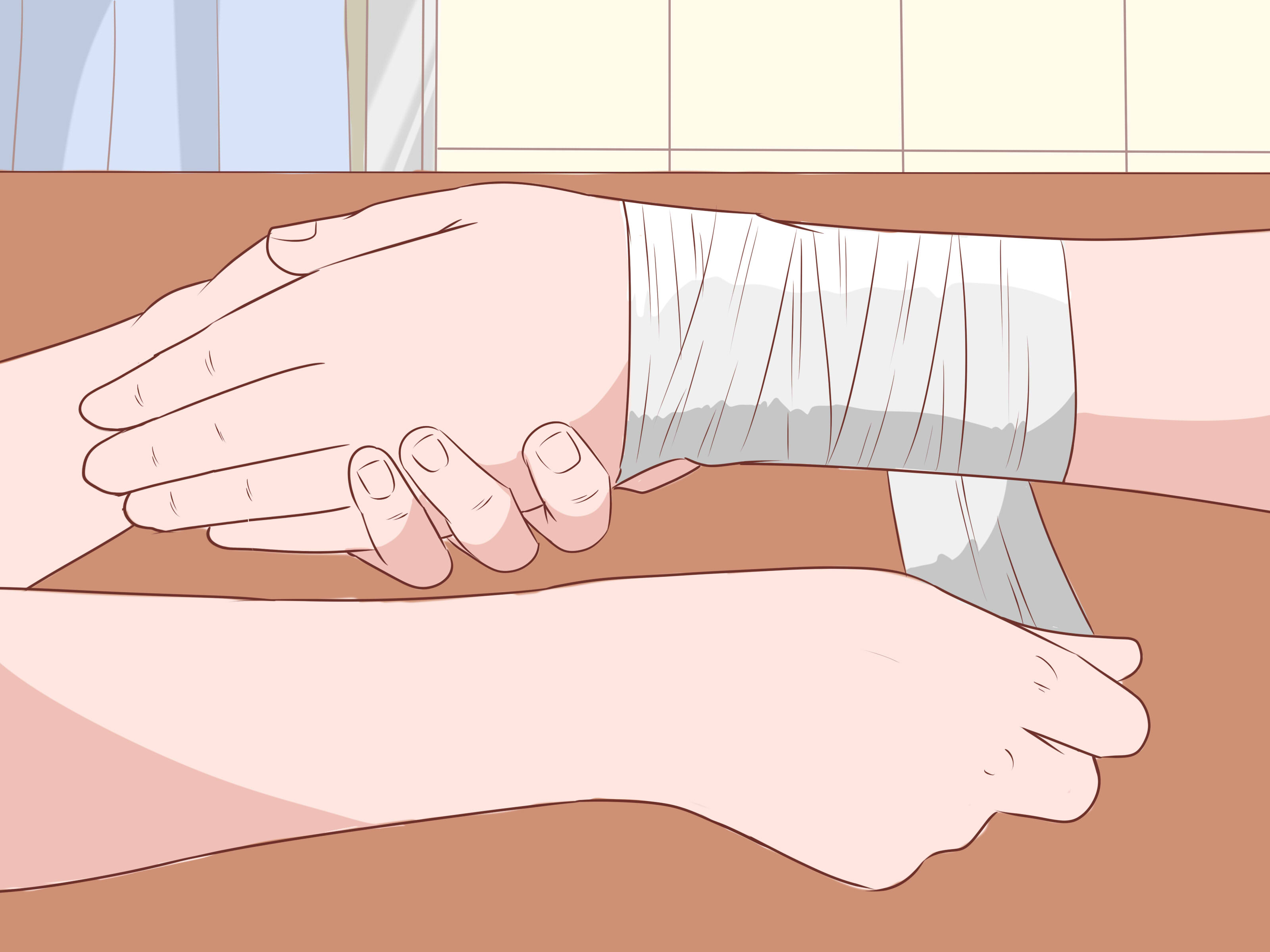
After cleaning the wound, cover it with sterile gauze or a clean nonstick bandage. Change the dressing at least daily or whenever it becomes wet or dirty. Keep the wound clean and dry between dressing changes. If the bandage sticks, moisten it with clean water before removing it instead of yanking it off like you are starting a lawn mower.
7. Do Not Seal a Deep Dog Bite at Home
Do not use tape, glue, or butterfly strips to close a deep puncture or torn bite wound on your own. Closing a contaminated bite too soon can trap bacteria inside. Some wounds may need stitches, especially on the face or when the skin is gaping, but that decision should be made by a healthcare professional after proper cleaning and evaluation.
When to See a Doctor for a Dog Bite
Some dog bites should be checked by a healthcare provider right away. Seek medical care urgently if the bite is deep, bleeding heavily, on the face, neck, hand, fingers, foot, or near a joint, or if you can see fat, muscle, tendon, or bone. Also get medical help if the wound is a puncture bite, the skin is badly torn, the bite came from an unknown dog, or the dog may not be vaccinated against rabies.
You should also contact a doctor if the person bitten is a child, an older adult, pregnant, immunocompromised, diabetic, has liver disease, does not have a functioning spleen, or takes medications that weaken the immune system. These situations can increase the risk of serious infection.
Signs a Dog Bite Is Infected
Watch the wound closely over the next 24 to 48 hours. Infection can develop even after careful first aid. Call a healthcare provider promptly if you notice increasing redness, swelling, warmth, worsening pain, pus or cloudy drainage, red streaks spreading from the bite, swollen lymph nodes, fever, chills, or a general feeling of illness.
Do not ignore rapidly worsening symptoms. A bite that becomes more painful, swollen, or hot should be evaluated. If red streaks appear, fever develops, or the person seems very sick, seek urgent care immediately.
Do You Need Antibiotics for a Dog Bite?
Not every dog bite requires antibiotics, but some do. A clinician may prescribe preventive antibiotics for high-risk bites, including deep punctures, crush injuries, bites to the hand or face, wounds that are hard to clean, bites near joints or tendons, and bites in people with higher infection risk. If infection is already present, antibiotics are more likely to be needed.
Never take leftover antibiotics or someone else’s prescription. The wrong antibiotic, wrong dose, or wrong duration can fail to treat the infection and may cause side effects. If antibiotics are prescribed, take them exactly as directed and finish the course unless your healthcare provider tells you otherwise.
Rabies Concerns After a Dog Bite
Rabies is rare in vaccinated domestic dogs in the United States, but it is serious enough that every dog bite should be taken seriously. Ask whether the dog is current on rabies vaccination. If the dog is unknown, stray, sick, acting strangely, or cannot be observed, contact a healthcare provider and local animal control or public health department.
Rabies prevention after a possible exposure may include wound washing, rabies immune globulin, and a series of rabies vaccines. Decisions depend on the animal, local rabies risk, the circumstances of the bite, and whether the animal can be tested or observed. Do not wait for symptoms. Rabies prevention works before symptoms begin, not after.
Tetanus and Dog Bites
Dog bites are considered contaminated wounds because saliva enters broken skin. If your tetanus vaccination is not up to date, a healthcare provider may recommend a booster. For deep or dirty wounds, a booster may be recommended if it has been more than five years since your last tetanus shot. If you are unsure when you last had one, ask a medical professional. Guessing is fine for jellybean contests, not vaccine history.
Special Care for Children After a Dog Bite
Children are often bitten on the face, head, neck, arms, or hands because of their height and how they interact with dogs. Any dog bite on a child should be taken seriously. Even if the wound looks minor, call the child’s healthcare provider for advice, especially if the bite broke the skin.
After first aid, comfort the child and explain what is happening in simple words. Avoid blaming the child or the dog in the moment. Focus on safety, cleaning, and medical care. Later, when everyone is calm, discuss dog safety rules: ask permission before petting, avoid dogs that are eating or sleeping, do not pull ears or tails, and never put your face close to a dog’s face.
What Information to Collect After a Dog Bite
If it is safe, collect practical details after the bite. Write down the date and time, where it happened, the dog owner’s name and phone number, the dog’s rabies vaccination status, the veterinarian’s contact information, and a description of the dog. Take photos of the wound before and after cleaning if possible. Photos can help track changes and may be useful if medical, insurance, or animal control reports are needed.
Report the bite according to local rules. Many communities ask that dog bites be reported to animal control or public health authorities, especially when rabies vaccination status is unknown.
Common Mistakes to Avoid
Ignoring a Small Puncture
A small puncture can still be risky because bacteria may be pushed deep under the skin. Do not judge the bite only by the size of the opening.
Closing the Wound Too Soon
Deep dog bites should not be sealed at home. Trapping bacteria inside can make infection more likely.
Waiting Too Long to Get Help
If the bite is deep, on the hand or face, from an unknown dog, or showing signs of infection, prompt medical care is the smart move.
Skipping Rabies and Tetanus Questions
Even if the wound seems manageable, vaccination history matters. Confirm the dog’s rabies status and your tetanus status.
How to Help Prevent Dog Bites in the Future
Prevention starts with respecting a dog’s space. Do not approach a dog that is eating, sleeping, nursing puppies, injured, frightened, or behind a fence. Teach children to ask an owner before petting a dog and to let the dog sniff first. Avoid hugging unfamiliar dogs, staring directly into their eyes, or reaching over their heads.
If a dog looks tense, stiff, growly, tucked, cornered, or overly focused, give it room. Dogs often warn before biting, but people miss the signs. A wagging tail does not always mean “come closer.” Sometimes it means, “I am emotionally complicated right now, please respect my boundaries.”
Practical Experiences: What People Often Learn After a Dog Bite
One of the biggest lessons people learn after a dog bite is that speed matters. The bites that heal best are usually the ones cleaned quickly, covered properly, and checked when warning signs appear. People sometimes freeze after a bite because they are embarrassed, shocked, or worried about upsetting the dog’s owner. That delay can make the situation more complicated. A calm response is better: step away, rinse the wound, control bleeding, gather details, and decide whether medical care is needed.
Another common experience is underestimating hand bites. A person may think, “It is just one little tooth mark,” then wake up the next morning with a swollen finger that bends like a rusty hinge. Hands have tight spaces where swelling and infection can become serious quickly. Bites near knuckles, joints, tendons, or the palm deserve extra caution. If a dog bite on the hand becomes red, stiff, warm, or painful, it is not being dramatic; it is asking for professional attention.
People also learn that dog bites can be emotionally awkward. The dog may belong to a friend, neighbor, client, or relative. Nobody wants to turn Thanksgiving into a courtroom episode. Still, collecting vaccination information is not rude; it is responsible. You can be polite and firm: “I know accidents happen, but I need the rabies vaccine record and your veterinarian’s contact information.” That sentence protects everyone, including the dog.
Parents often discover that children need very specific dog safety rules. “Be nice to the dog” is too vague. Better rules sound like this: do not touch a dog while it eats, do not climb on dogs, do not grab collars, do not kiss dogs on the face, and always ask before petting. Children may love dogs with their whole heart and still miss warning signs. Adult supervision is not optional when young kids and dogs share space.
Another real-world tip: keep a small first-aid kit where bites are most likely to happenat home, in the car, or in a hiking bag. Include gauze, nonstick pads, medical tape, clean cloths, disposable gloves, and a small tube of antibiotic ointment. You do not need a hospital supply closet. You just need enough to clean, cover, and protect the wound until you can get help.
Finally, many people learn that “friendly dog” does not mean “impossible to bite.” Dogs may bite when scared, hurt, startled, protecting food, guarding puppies, or overwhelmed by noise and attention. Treating a dog bite well is important, but preventing the next one is even better. Respect canine body language, give dogs space, and teach children that every dog has a personal bubble. Honestly, most humans have one too.
Conclusion
Knowing how to treat a dog bite can help prevent infection and reduce complications. Start by getting to safety, washing your hands, controlling bleeding, cleaning the wound thoroughly with soap and running water, applying a clean bandage, and watching for infection. Seek medical care for deep wounds, punctures, bites on the face or hands, bites from unknown or unvaccinated dogs, heavy bleeding, or any signs of infection.
Dog bites are common, but they should never be shrugged off. A smart first-aid response is simple, quick, and practical. Clean it well, cover it properly, check rabies and tetanus risks, and let a healthcare professional evaluate anything concerning. Your skin is excellent packaging; treat it with respect when a dog has used it as a chew receipt.