Few modern mysteries are more emotionally ridiculous than staring at a silent phone and wondering, “Did they block me, or are they just busy, asleep, in a tunnel, emotionally unavailable, or all of the above?” Phones are supposed to make communication easier. Instead, they sometimes turn us into part-time detectives with full-time anxiety.
The truth is this: there is no guaranteed, official notification that tells you someone blocked your number. Apple, Android, carriers, and messaging apps are designed to protect privacy, so they usually avoid announcing blocks to the person being blocked. That means you have to look for patterns, not a single dramatic clue with a flashing neon sign that says, “You have been banished.”
This guide explains how to tell if someone blocked your number using six common signs, what each sign actually means, and what else could be happening instead. Because yes, sometimes a phone going straight to voicemail means you were blocked. Other times, it means their battery died because they ignored the 5% warning like a brave little chaos goblin.
Can You Know for Sure If Someone Blocked Your Number?
Usually, no. You can suspect it strongly, especially when several signs appear together over multiple days, but you normally cannot prove it from your phone alone. Blocking behavior varies depending on the device, carrier, app, settings, and whether the person is using iPhone, Android, Google Voice, a carrier-level block, Do Not Disturb, spam filtering, or call screening.
For example, on iPhone, blocked callers may still be able to leave voicemail, but the recipient does not get a normal notification. Messages from a blocked number are not delivered, and the sender is not told that they were blocked. On Android, call blocking can behave differently depending on the Phone app, voicemail setup, carrier tools, and whether spam protection is involved.
That is why the smartest approach is to look at the full picture: calls, texts, delivery receipts, voicemail behavior, timing, and whether the pattern continues. One odd call is not evidence. A repeated pattern is more meaningful.
How to Tell If Someone Blocked Your Number: 6 Signs
1. Your Calls Go Straight to Voicemail Every Time
One of the most common signs someone blocked your number is that your calls go straight to voicemail or ring only once before voicemail picks up. This can happen when a person blocks your number at the device level. Their phone may not ring normally, and your call is quietly redirected.
Here is the important part: straight-to-voicemail does not automatically mean you are blocked. It can also happen when the person’s phone is off, out of service, in Airplane Mode, on Do Not Disturb, set to silence unknown callers, or experiencing carrier trouble. In other words, your call may be getting rejected by technology, not by the person’s soul.
Example: If you call once on Tuesday afternoon and it goes straight to voicemail, do not panic. If you call at reasonable times over several days and every call behaves the same way while other people can reach them normally, blocking becomes more likely.
2. You Hear One Ring, Then Voicemail
A single ring followed by voicemail is another classic clue. Many users report that when they are blocked, the call rings once or briefly before being sent away. It can feel like the phone almost considered letting you in and then changed its mind at the velvet rope.
However, this sign also needs context. A single ring can happen if the person manually declines your call, has poor signal, uses call screening, or has a setting that silences certain callers. Some spam-blocking and carrier-filtering services can also send calls to voicemail without a normal ring pattern.
The key is consistency. If one-ring-to-voicemail happens every time you call from your number, but not when the person receives calls from known contacts, your number may be blocked or filtered.
3. Your Text Messages Do Not Show “Delivered” or “Read”
If you use iMessage, RCS, or another messaging service that displays delivery information, missing delivery indicators can be a clue. On iPhone, iMessage supports delivery and read receipts. On Android, RCS messages can also support delivery and read indicators when both people have compatible settings enabled.
If your message used to say “Delivered” and now it never does, that may suggest a problem. But again, do not declare yourself blocked after one lonely bubble. Delivery receipts can disappear for many reasons: the recipient turned off read receipts, lost internet access, switched phones, disabled iMessage or RCS, changed numbers, blocked data, or is temporarily unavailable.
What to watch for: A pattern where your calls go directly to voicemail and your messages stop showing delivery status is more suspicious than either sign alone.
4. Your iMessage Turns Green Instead of Blue
For iPhone users, a message changing from blue to green can feel like digital thunder. Blue bubbles usually mean iMessage. Green bubbles can mean SMS, MMS, or RCS depending on the device and settings. If your messages to someone were always blue and suddenly turn green, you might wonder whether they blocked you.
Sometimes, a green bubble can be connected to blocking. But it is not reliable proof. The person may have turned off iMessage, lost internet connection, changed to an Android phone, removed their phone number from iMessage, traveled internationally, or had temporary Apple ID issues. In 2026, green messages can also involve RCS support in some cases, so the old “green equals bad news” rule is even less useful than people think.
Use this sign as a clue, not a conclusion. If the message turns green, fails to deliver, calls go to voicemail, and this continues for several days, then you have a stronger reason to suspect a block.
5. You Get an Unusual Automated Message When Calling
Sometimes, calling a number produces an automated message such as “the number is not accepting calls,” “the person is unavailable,” “the call cannot be completed,” or “the number is not in service.” Certain services, including Google Voice-style blocking, may give callers a message suggesting the number is not in service.
This can be one of the stronger signs, especially if the message appears only when you call from your number. Still, automated messages are not always about personal blocking. They can be caused by disconnected service, unpaid bills, carrier outages, temporary account problems, network congestion, roaming issues, spam filters, or call-blocking tools.
Example: If you hear “number not in service” once, wait. If you hear it repeatedly for days while you know the person is actively using that number, your number may have been blocked through an app or service.
6. The Pattern Continues Across Calls, Texts, and Time
The strongest sign is not one symptom. It is a pattern. If your calls repeatedly go straight to voicemail, your texts stop showing delivery indicators, your iMessages behave differently, and nothing changes over several days, there may be a block in place.
Think of it like weather forecasting. One cloud does not mean a storm. Several dark clouds, thunder, wind, and your neighbor’s patio umbrella flying past the window? That is a pattern. Similarly, one failed call means almost nothing. A week of consistent failed contact across multiple channels says more.
Still, even a strong pattern does not give you permission to repeatedly call, use hidden caller ID, contact them through new numbers, or involve friends as human carrier pigeons. If someone does not want communication, the respectful response is to stop trying and give them space.
What Else Could Be Happening Besides Being Blocked?
Before assuming the worst, consider the normal technical explanations. Phones are surprisingly good at making ordinary situations look personal.
Their Phone Is Off or Dead
A dead battery can send calls to voicemail and prevent messages from showing as delivered. This is common, especially if the person is traveling, working long hours, or living dangerously without a charger.
They Are Using Do Not Disturb or Focus Mode
Modern smartphones allow users to silence calls and notifications during sleep, work, driving, workouts, meetings, or personal downtime. Your call may be silenced even if you are not blocked.
They Have Poor Signal
Bad coverage, rural areas, elevators, basements, stadiums, hospitals, and large events can interfere with calls and texts. A network hiccup can easily look like rejection.
They Changed Phones, Carriers, or Messaging Settings
Switching from iPhone to Android, disabling iMessage, changing carriers, or resetting a phone can affect delivery receipts, bubble colors, and message behavior.
Your Number Was Flagged as Spam
Carriers and spam-blocking tools may label or filter calls automatically. Sometimes legitimate numbers get caught in the net. If your calls are being marked as potential spam, the person may never see them normally.
What You Should Do If You Think Someone Blocked You
First, pause. Seriously. Put the phone down like it is a tiny rectangle-shaped drama machine. If the situation matters, give it time. One unanswered call or message does not require a courtroom-level investigation.
If the relationship is appropriate and there is no safety concern, you can send one calm message such as, “Hey, I haven’t been able to reach you. I hope everything is okay.” Then stop. That message is clear, respectful, and not emotionally wearing a cape.
If you share a practical responsibility, such as a bill, work matter, school pickup, lease issue, or family emergency, use an appropriate official channel. For example, email, workplace communication, or a mutual administrative contact may be reasonable. But do not use alternate numbers or private caller ID to push past someone’s boundary.
If the silence is personal, accept the possibility that the person needs distance. A block can feel hurtful, but it is also a boundary. Chasing that boundary usually makes things worse.
How Blocking Works on iPhone, Android, and Carriers
iPhone Blocking
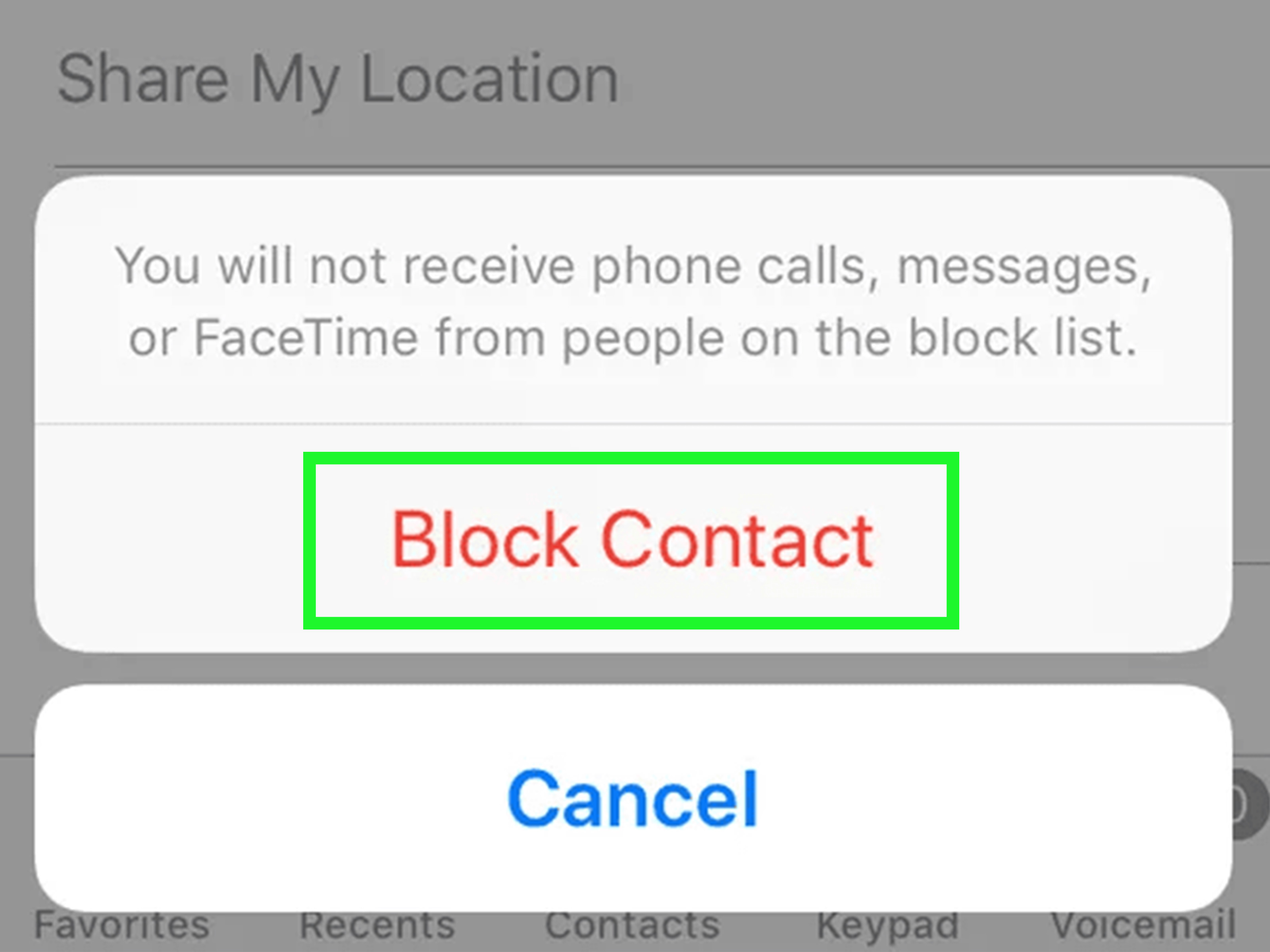
On iPhone, a user can block a number from the Phone, FaceTime, or Messages app. When a contact is blocked, messages from that person are not delivered, and the sender does not receive a notification saying they were blocked. Blocked callers may still be able to leave voicemail, but the recipient is not alerted in the usual way.
Android Blocking
Android blocking depends on the device and app. In Google’s Phone app, users can block or report numbers as spam. In Google Messages, blocked conversations can appear in a spam or blocked section. Some Android setups prevent blocked callers from leaving voicemail if visual voicemail is enabled, while other carrier setups may still allow voicemail.
Carrier-Level Blocking
Carriers such as AT&T, Verizon, and T-Mobile offer call-blocking, spam-filtering, and scam-protection tools. Carrier-level blocking can behave differently from device-level blocking. In some cases, calls may be intercepted before they ever reach the recipient’s phone. In other cases, calls may be silenced, labeled, or sent to voicemail.
Quick Checklist: Blocked or Just Unavailable?
Use this simple checklist before jumping to conclusions:
- Your calls go straight to voicemail for several days.
- Your calls ring once, then go to voicemail every time.
- Your texts no longer show delivery indicators.
- Your iMessages suddenly behave differently, such as turning green.
- You hear an unusual automated message when calling.
- The same pattern continues across calls, texts, and time.
If you notice only one of these signs, it may be a technical issue. If you notice several signs together, especially over multiple days, your number may have been blocked.
Common Myths About Being Blocked
Myth 1: A Green Text Always Means You Are Blocked
Nope. A green text can mean SMS, MMS, RCS, no internet, iMessage disabled, or a device change. It is a clue, not a verdict.
Myth 2: No “Read” Receipt Means You Are Blocked
Not necessarily. The person may have turned off read receipts. Many people do this because they enjoy peace, privacy, and not being emotionally audited by a timestamp.
Myth 3: Voicemail Means You Are Not Blocked
Also false. Some blocked callers can still leave voicemail depending on the device and carrier. The recipient may not get a normal notification.
Myth 4: You Should Call From Another Number to Test It
Do not do this unless there is a legitimate emergency or practical reason. Calling from another number just to see if someone answers can cross a boundary and may make the situation worse.
Experience-Based Tips: What It Feels Like and How to Handle It
In real life, suspecting that someone blocked your number rarely feels like a clean technical question. It feels personal. You might replay the last conversation, check old messages, wonder whether you said something wrong, and suddenly become an unpaid analyst for your own call history. That is normal. Most people do not wonder about being blocked because they love telecom diagnostics. They wonder because they care.
One common experience is the “one more try” spiral. You call once, it goes to voicemail. You wait ten minutes, call again, same result. Then you send a text. No delivery status. Then you start testing bubble colors like you are decoding ancient ruins. The problem is that anxiety wants certainty, but phone behavior only gives hints. The more you chase certainty, the worse you may feel.
A healthier approach is to set a small rule for yourself. For example: send one respectful message, wait, and do not keep checking. Something simple like, “Hey, I tried reaching you. Hope you’re okay,” is enough. It communicates concern without pressure. After that, the next move belongs to them. That may feel uncomfortable, but it protects your dignity and their space.
Another real-world lesson: timing matters. People go quiet for reasons that have nothing to do with you. They may be overwhelmed, grieving, sick, traveling, changing phones, dealing with family issues, or simply taking a break from communication. A block is possible, but it is not the only explanation. If you assume rejection immediately, you may turn a temporary silence into a full emotional weather event.
It also helps to separate practical matters from emotional ones. If you need to discuss rent, parenting, work, shared property, or safety, use the most appropriate official channel and keep the message factual. If the issue is purely personal, avoid sending long paragraphs, apologies, accusations, or dramatic farewell speeches. The phone is not a courtroom, and your thumbs are not licensed attorneys.
Finally, remember that being blocked, if it happened, is information. Painful information, yes, but still information. It tells you that the other person either needs distance or does not want contact right now. You do not have to like it, but respecting it is usually the wisest move. Give yourself permission to feel disappointed without turning the situation into a mission. Sometimes the best response to silence is not more noise. It is stepping back, breathing, and letting the unanswered call remain unanswered.
Conclusion
Figuring out how to tell if someone blocked your number is less about finding one perfect sign and more about noticing a pattern. Calls that go straight to voicemail, one-ring behavior, missing delivery receipts, green messages, strange automated recordings, and repeated silence can all suggest blocking. But none of them proves it alone.
The most accurate answer is also the most mature one: your number may be blocked if several signs happen consistently, but technical issues can look very similar. Give it time, send one respectful message if appropriate, and avoid trying to bypass someone’s boundary. Your peace is worth more than solving every mystery your phone creates.
Note: This article synthesizes current guidance from major phone platforms, messaging services, wireless carrier support resources, and consumer telecom safety information. Exact blocking behavior can vary by device, carrier, app version, country, and user settings.