Foie gras has a reputation for being intimidating, mostly because it sounds like something that arrives wearing a tuxedo and judging your silverware. In reality, serving foie gras well comes down to a few simple ideas: keep it cold when it should be cold, cook it fast when it should be hot, pair it with the right contrast, and avoid treating it like a mystery object from a French culinary museum.
Whether you are serving foie gras terrine, torchon, mousse, pâté, or pan-seared slices, the goal is the same: let its rich, buttery flavor shine without burying it under a circus of sauces. Foie gras is luxurious, yes, but it is also delicate. Too much heat melts it away. Too much bread turns it into a snack board. Too much sweet jam makes it taste like dessert took a wrong turn.
This guide explains how to serve foie gras in 13 practical steps, with tips on temperature, slicing, bread, wine pairings, garnishes, plating, portions, etiquette, and real hosting experience. Think of it as the calm friend in the kitchen who says, “Relax. Put down the giant knife. We can fix this.”
What Is Foie Gras?
Foie gras is the fattened liver of a duck or goose. It is prized for its silky texture, deep savory flavor, and unusually rich mouthfeel. In American kitchens and restaurants, duck foie gras is more common than goose foie gras. Duck foie gras tends to be more robust and earthy, while goose foie gras is often described as milder and more refined.
Foie gras is commonly sold in several forms. Fresh raw foie gras is usually sliced and seared. Terrine and torchon are cooked, chilled preparations served cold or cool. Mousse and pâté are softer, spreadable versions that are often served with toast, fruit preserves, or small crackers. Knowing which type you have is the first step to serving it properly.
How to Serve Foie Gras: 13 Steps
Step 1: Know the Type of Foie Gras You Are Serving
Before you start slicing, searing, or dramatically reaching for the brioche, identify the product. Fresh raw foie gras needs quick, high-heat cooking. Foie gras terrine or torchon is already cooked and should usually be served chilled or slightly cool. Foie gras mousse and pâté are ready-to-serve spreads.
This matters because each style behaves differently. Raw foie gras melts rapidly in a hot pan. Terrine can crumble if it is too cold or too warm. Mousse spreads beautifully but can look messy if handled like a cheese ball at a backyard party.
Step 2: Check Local Rules and Guest Preferences
Foie gras is controversial because of animal-welfare concerns related to traditional production methods. Laws and restaurant rules vary by location, so check local regulations before buying, serving, or publishing a menu that includes foie gras. Some guests may also avoid it for ethical reasons. A thoughtful host does not need to turn dinner into a courtroom debate; simply offer a respectful alternative such as duck pâté, mushroom pâté, chicken liver mousse, or a rich nut-based spread.
Good hospitality is not about proving a point. It is about making everyone at the table feel considered, even the person who asks, “Is there a vegetarian version?” while standing next to a platter of duck liver.
Step 3: Keep It Properly Chilled Before Serving
Cold preparations such as foie gras terrine, torchon, mousse, and pâté should stay refrigerated until shortly before serving. Remove them just long enough to soften slightly, usually 10 to 20 minutes depending on the room temperature and the size of the piece. The texture should become creamy, not droopy.
If the foie gras is raw and meant for searing, keep it very cold until it hits the pan. Cold foie gras holds its shape better and is less likely to release too much fat before a good crust forms. Warm raw foie gras in a hot pan is basically expensive butter with stage fright.
Step 4: Use the Right Knife and Warm It for Clean Slices
For terrine or torchon, use a thin, sharp knife. Dip the blade in hot water, wipe it dry, and slice gently. Repeat between cuts. This small ritual prevents smearing and gives each slice a clean edge. Dental floss or a cheese wire can also work for very delicate torchon.
Aim for slices about 1/4 to 1/2 inch thick for cold foie gras. Thin slices feel elegant and allow the richness to stay balanced. Thick slabs can overwhelm the palate and make guests wonder whether they are eating an appetizer or applying for membership in a butter appreciation society.
Step 5: Portion It Modestly
Foie gras is rich, so a little goes a long way. As an appetizer, plan for about 1 to 2 ounces per person. For a tasting menu, even less may be enough. If you are serving it as part of a charcuterie board, use smaller portions because guests will also be eating bread, cheese, cured meats, fruit, and other accompaniments.
The best foie gras experience leaves people wanting one more bite, not quietly negotiating with their digestive system. Think luxury accent, not main-course mountain.
Step 6: Choose the Right Bread
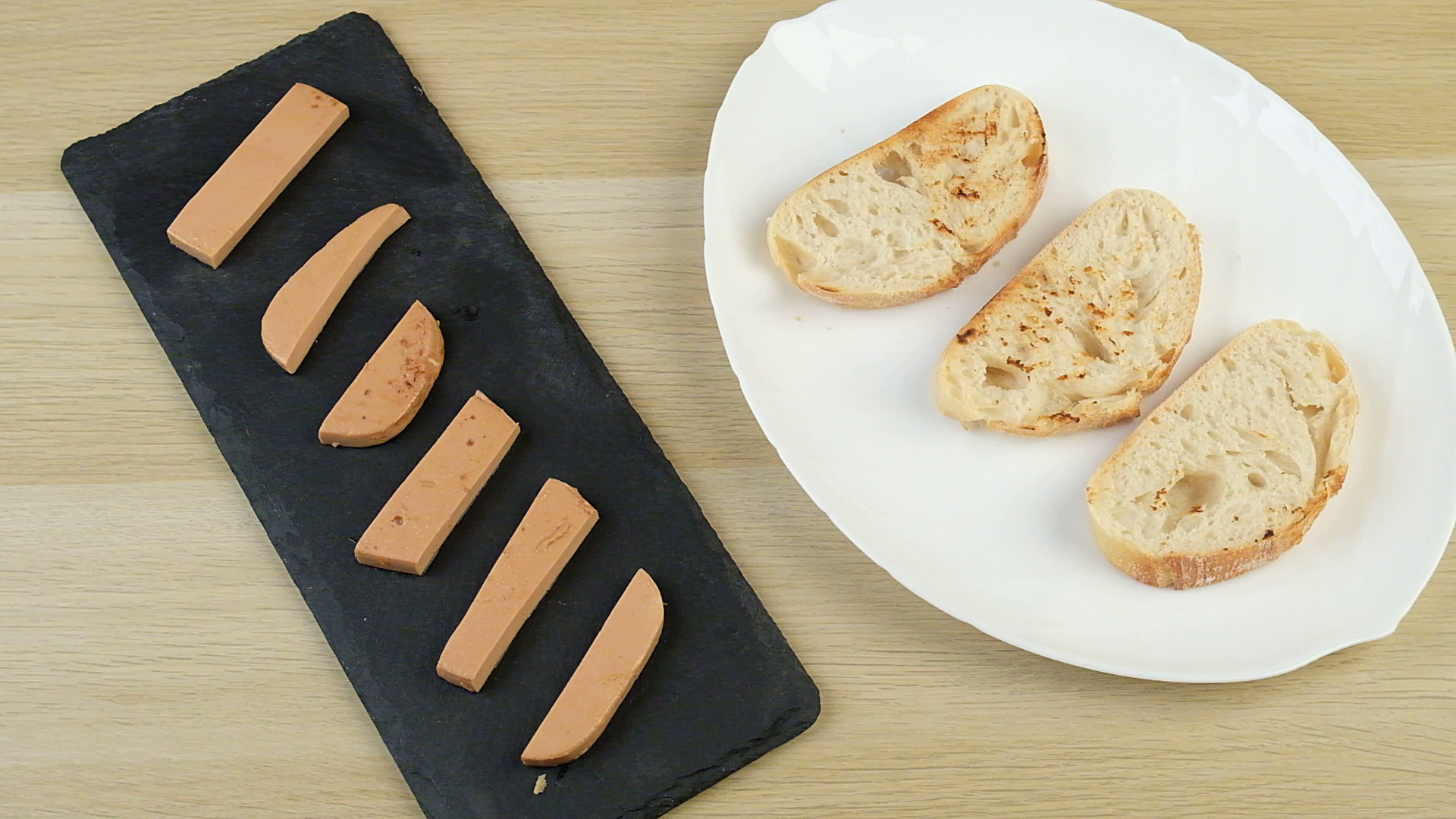
Bread is not just a vehicle; it is the stage. For cold foie gras, toasted brioche is a classic choice because its light sweetness and buttery crumb echo the richness of the liver. Toast points, baguette slices, pain de campagne, and thin crackers also work well.
For seared foie gras, choose something sturdy enough to catch the juices and rendered fat. A crisp brioche round, toasted sourdough, or small piece of waffle can be excellent. Avoid heavily flavored breads with garlic, strong herbs, or too much sweetness. Foie gras is already the lead singer. The bread should not grab the microphone.
Step 7: Add Acid, Fruit, or Sweetness for Balance
Foie gras is high in fat, so it benefits from contrast. Fruit preserves, poached pears, apple compote, fig jam, cherry gastrique, citrus marmalade, pomegranate reduction, or pickled grapes can all work beautifully. The key is restraint. You want brightness and lift, not a jam avalanche.
Acid is especially important. A small amount of balsamic reduction, sherry vinegar glaze, verjus, or pickled shallot can cut through the richness and refresh the palate. This is why fruit and foie gras are such a classic match: sweetness flatters it, while acidity keeps it from feeling heavy.
Step 8: Season Simply
Foie gras does not need a spice cabinet meeting. For terrine or torchon, a sprinkle of flaky sea salt just before serving can wake up the flavor. For seared foie gras, season both sides with salt and freshly ground black pepper immediately before cooking.
Avoid aggressive seasoning blends unless the entire dish is designed around them. Warm spices such as cinnamon, allspice, clove, and nutmeg can work in tiny amounts, especially with fruit sauces, but they should whisper rather than shout.
Step 9: Sear Fresh Foie Gras Quickly
If you are serving fresh foie gras, cut it into even slices about 1/2 to 3/4 inch thick. Keep the slices cold. Score them lightly in a shallow crosshatch pattern if desired, then season with salt and pepper.
Heat a dry skillet over high heat until very hot. Do not add oil or butter; foie gras contains plenty of fat. Sear the slices quickly, usually about 30 seconds to 1 minute per side, depending on thickness. The outside should become deeply browned and crisp, while the center stays tender and just warmed through. Remove immediately and drain briefly on paper towels.
Overcooking is the fastest way to lose foie gras to the pan. It will melt, shrink, and leave you staring at a puddle of luxury. Delicious luxury, yes, but still a puddle.
Step 10: Serve Seared Foie Gras Immediately
Seared foie gras waits for no one. Plate it the moment it comes out of the pan. A good setup helps: have the toast ready, sauce warm, plates nearby, garnishes prepared, and guests seated. This is not the time to discover that your cousin has gone outside to take a phone call.
Classic pairings for seared foie gras include figs, apples, pears, cherries, blackberries, pomegranate, quince, and Sauternes-style sauces. For a savory direction, try it with lentils, mushrooms, roasted root vegetables, or a small bitter salad.
Step 11: Pair It with the Right Wine or Beverage
Sauternes is the famous pairing for foie gras, and for good reason. Its sweetness, acidity, and honeyed complexity balance the richness of the liver. Other excellent choices include Barsac, late-harvest Riesling, Tokaji, demi-sec Champagne, off-dry Chenin Blanc, and aromatic white wines with enough acidity.
If you prefer dry wine, try Champagne, sparkling wine, dry Riesling, or a bright white Burgundy. Bubbles and acidity are your friends because they refresh the palate between bites. For nonalcoholic options, sparkling apple cider, verjus spritz, unsweetened iced tea with lemon, or a tart grape-based mocktail can work well.
Step 12: Plate with Space and Confidence
Foie gras looks best when the plate is not crowded. For a cold terrine, place one or two slices slightly off-center, add a small spoonful of fruit compote, a few grains of flaky salt, and two toast points. For seared foie gras, place the slice on toast or beside a small garnish, then spoon the sauce around it rather than drowning it.
Use negative space. A white plate, a clean slice, and one glossy streak of sauce can look more elegant than a plate covered in edible confetti. Remember: fine dining plating is often just the art of not panicking.
Step 13: Serve It at the Right Moment in the Meal
Foie gras is usually served as an appetizer, hors d’oeuvre, or small tasting-course item. Cold terrine works beautifully at the beginning of a meal, especially with Champagne or sweet wine. Seared foie gras can appear as a luxurious first course or as a garnish for steak, duck breast, or even a special burger.
Because it is rich, avoid placing it after several heavy courses. Foie gras shines when the palate is awake and curious, not when guests are already wondering whether dessert can legally be postponed until tomorrow.
Best Accompaniments for Foie Gras
Fruit Pairings
Fruit is one of the most reliable partners for foie gras. Figs, apples, pears, cherries, apricots, grapes, and berries all bring sweetness and acidity. For fall or winter, try apple compote with cider vinegar, roasted pears with thyme, or fig jam with black pepper. For spring or summer, use cherry gastrique, pickled grapes, or a bright berry sauce.
Bread and Crunch
Brioche, baguette, sourdough, walnut bread, rye crisps, and delicate crackers can all work. The bread should be toasted enough to provide structure but not so hard that it shatters across the table. A tiny bit of crunch makes the soft texture of foie gras feel even more luxurious.
Savory Garnishes
Foie gras does not always need sweetness. Try pickled shallots, bitter greens, toasted hazelnuts, pistachios, lentils, mushrooms, duck jus, or aged balsamic. A small salad of frisée or arugula with a sharp vinaigrette can be especially good because bitterness and acidity balance the fat.
Common Mistakes to Avoid
Serving It Too Cold
Terrine straight from the refrigerator can taste muted and waxy. Let it rest briefly before serving so the texture softens and the aroma opens. The goal is cool and creamy, not icy.
Using Too Much Sweet Sauce
Sweetness helps, but too much turns the dish into liver dessert. Use fruit preserves and reductions sparingly. A teaspoon can be perfect; a ladle is a warning sign.
Overcooking Fresh Foie Gras
Fresh foie gras should be seared quickly over high heat. If the pan is not hot enough, the foie gras melts before browning. If it cooks too long, it loses volume and texture. Prepare everything before cooking so you can move fast.
Serving Huge Portions
Foie gras is intense. Large portions can feel heavy rather than luxurious. Smaller servings create a better experience and make the dish feel special instead of overwhelming.
Example Serving Ideas
Classic Cold Foie Gras Terrine
Serve one slice of foie gras terrine with toasted brioche, flaky sea salt, fig jam, and a glass of Sauternes or demi-sec Champagne. This is the timeless version: elegant, balanced, and almost suspiciously easy.
Pan-Seared Foie Gras with Apples
Sear foie gras quickly and serve it over toasted brioche with caramelized apples and a splash of cider vinegar reduction. The apples bring sweetness, the vinegar brings brightness, and the foie gras brings the reason everyone suddenly stops talking.
Foie Gras Mousse Canapés
Pipe foie gras mousse onto small toast rounds or crisp crackers. Top each with a dot of cherry preserves, a tiny herb leaf, and a few grains of flaky salt. This is ideal for cocktail parties because guests can eat it in one bite without needing a fork, a chair, or a philosophical explanation.
Food Safety Tips for Serving Foie Gras
Handle raw foie gras carefully, as you would other raw poultry products. Keep it refrigerated, prevent cross-contamination, wash hands and utensils, and follow local food-safety guidance. If serving prepared foie gras such as terrine, torchon, mousse, or pâté, keep it chilled until serving time and return leftovers to the refrigerator promptly.
When hosting, do not leave foie gras sitting out for hours on a warm buffet. It is rich, delicate, and perishable. Give it the respect it deserves: a cool plate, a short service window, and a safe trip back to the fridge if there are leftovers.
Personal Experience: What Serving Foie Gras Teaches You
The first lesson of serving foie gras is humility. You can read every guide, sharpen every knife, polish every plate, and still discover that the most important skill is staying calm. Foie gras has a way of making home cooks act as if a tiny French chef is standing behind them with a clipboard. The truth is simpler: treat the ingredient gently, prepare the details in advance, and do not overcomplicate the plate.
One of the best experiences with foie gras is serving it as a small first course at a dinner party. The portion is modest, the presentation is clean, and the table immediately feels more special. A slice of terrine with brioche and fig jam can create the same dramatic pause as a much more complicated dish. Guests often take the first bite, look confused for half a second, and then become very quiet. That silence is usually a compliment.
Another practical lesson is that contrast matters more than quantity. A small piece of foie gras with something acidic is better than a large piece with nothing to balance it. Apple, pear, cherry, or fig works well, but the real magic comes when sweetness meets acidity. A spoonful of apple compote with a little cider vinegar can outperform a very expensive jar of jam if it brings freshness to the plate.
Seared foie gras is more dramatic but less forgiving. The pan must be hot, the slices must be cold, and the rest of the dish must already be ready. Once the foie gras hits the skillet, dinner moves at restaurant speed. There is no time to start slicing bread, looking for plates, or asking whether anyone wants sparkling water. The best strategy is to set up like a professional: plates lined up, toast ready, sauce warm, paper towels nearby, garnish finished, guests warned.
Cold foie gras, on the other hand, rewards patience. Letting terrine sit briefly before serving improves texture and flavor. A warm knife makes cleaner slices. A restrained garnish looks more elegant. These small steps make a visible difference, even if guests do not know why the plate looks polished. They simply feel that someone knew what they were doing.
Wine pairing is another place where experience helps. Sauternes is classic, but it is not the only option. Champagne can be wonderful because the bubbles cut through the richness. Off-dry Riesling works with fruit garnishes. Sparkling cider is surprisingly good for guests who do not drink alcohol. The pairing should refresh the mouth, not make the dish heavier.
The final experience-based tip is to serve foie gras with confidence but not arrogance. Some people love it. Some are curious. Some will avoid it for ethical reasons. A gracious host explains what it is, serves it beautifully, and provides alternatives without making anyone feel awkward. Luxury food is only enjoyable when the mood at the table is relaxed. Foie gras may be fancy, but dinner should still feel human.
Conclusion
Learning how to serve foie gras is less about mastering a secret French ceremony and more about understanding balance. Keep cold preparations cool but not icy. Sear fresh foie gras quickly and serve it immediately. Use bread for texture, fruit for contrast, acid for brightness, and salt for focus. Most importantly, keep portions small and the plate uncluttered.
Foie gras is rich, memorable, and undeniably dramatic, but it does not need to be difficult. With the right temperature, a sharp knife, thoughtful pairings, and a little restraint, you can serve it in a way that feels elegant rather than intimidating. And if anyone at the table asks how you made it look so effortless, just smile modestly and hide the paper towels.