Maple trees are the overachievers of the plant world. They shade patios, feed wildlife, produce valuable lumber, brighten autumn landscapes, andwhen the right species meets the right weatherprovide the raw material for real maple syrup. Meanwhile, most of us merely manage to answer email before lunch.
The many uses for maple trees extend far beyond pancakes and fall foliage. Different maple species contribute to furniture making, flooring, musical instruments, specialty crafts, erosion control, urban cooling, wildlife habitat, tourism, education, and forest-based businesses. Even maple trees that are not suitable for premium lumber can become pulp, pallets, firewood, or useful habitat.
However, not every maple is interchangeable. Sugar maple is famous for sweet sap and exceptionally hard wood, while red maple, silver maple, bigleaf maple, boxelder, and ornamental Japanese maples have different strengths. Understanding those differences helps homeowners, gardeners, woodworkers, and woodland owners get the greatest value from these versatile trees.
1. Producing Maple Syrup and Other Maple Foods
The best-known use of maple trees is collecting sap and concentrating it into maple syrup. Sugar maple is generally preferred because its sap tends to contain more sugar than the sap of many other maples. A higher sugar concentration means less water must be boiled away, saving fuel, labor, and several hours of staring into a steaming pan while pretending this was a relaxing weekend project.
Red maple, silver maple, black maple, and boxelder can also produce usable sap. The finished flavor and the amount of boiling required may vary according to the species, local climate, soil conditions, season, and individual tree. University of Minnesota guidance confirms that sugar, red, silver, and boxelder maples may all be tapped for home syrup production.
Products Made From Maple Sap
Maple sap is useful for more than making the familiar bottle of amber syrup. Producers can continue removing water to create maple sugar, maple candy, maple cream, and granulated maple sweetener. Syrup may also be used in sauces, glazes, baked goods, beverages, marinades, salad dressings, and savory dishes.
Fresh, properly handled sap can be used as a lightly sweet beverage, although it is highly perishable and must be collected with clean equipment and refrigerated promptly. Historically, maple-derived sweeteners were important foods and trade items for Indigenous peoples long before commercial syrup production developed in North America.
Maple Syrup as a Small-Business Opportunity
A healthy stand of mature maples can support a seasonal operation selling syrup and related products. Small producers may add value through farm tours, demonstrations, gift boxes, cooking classes, festivals, and direct-to-consumer sales.
Success depends on more than owning trees and purchasing a shiny evaporator. Producers must identify suitable species, protect tree health, use food-safe equipment, follow applicable processing rules, and calculate fuel and labor costs. A few backyard maples can supply an enjoyable household project, while a commercial sugarbush requires organized collection systems and long-term woodland management.
2. Maple Wood for Furniture and Cabinetry
Maple is a major North American hardwood valued for its pale color, strength, relatively even texture, and ability to accept a smooth finish. Sugar maple lumberoften sold as hard mapleis especially useful where durability and a clean appearance are required.
Common maple furniture products include tables, chairs, desks, dressers, bed frames, shelving, cabinets, doors, and architectural millwork. Its understated grain works well in modern interiors, but it can also be stained to create warmer, more traditional designs.
Red maple, sometimes marketed as soft maple, is less dense than sugar maple but remains useful for furniture parts, cabinetry, painted furniture, millwork, containers, and pallets. “Soft” is a comparative label; it does not mean the wood has the structural personality of mashed potatoes.
Figured Maple for Decorative Woodworking
Certain maple boards develop distinctive grain patterns described as curly, flame, tiger, quilted, spalted, or bird’s-eye figure. These visual effects can make the lumber especially desirable for fine furniture, cabinetry, veneer, instrument components, bowls, boxes, and decorative panels.
Figured grain is not guaranteed simply because a tree belongs to a particular species. It develops through combinations of genetics, growth patterns, environmental conditions, and sometimes insect or fungal activity. For example, ambrosia beetles can introduce streaked coloration into maple wood. Although the discoloration may reduce value in conventional lumber markets, woodworkers often prize it as “ambrosia maple” because every board has a one-of-a-kind pattern.
3. Durable Flooring, Work Surfaces, and Sports Equipment
Hard maple performs exceptionally well in applications exposed to repeated impact and foot traffic. It is widely used for residential flooring, gymnasium floors, basketball courts, dance floors, bowling lanes, butcher blocks, workbenches, and stair components.
Its hardness and uniform texture allow manufacturers to create a smooth, durable surface. Maple flooring also reflects light well, helping rooms and athletic facilities feel brighter. Regular cleaning and a suitable finish are still essential; even hard maple cannot defeat gravel, water damage, or a determined office chair with one broken wheel.
Maple has also been used for bowling pins, billiard cues, croquet equipment, tool handles, cutting surfaces, toys, and sporting goods. Purdue and University of New Hampshire forestry resources identify hard maple as an important material for flooring, cabinetry, millwork, athletic surfaces, and other products requiring strong, wear-resistant wood.
4. Musical Instruments and Specialty Products
Instrument makers use selected maple because it combines strength, attractive figure, dimensional stability, and useful acoustic properties. Depending on the species and grade, maple may appear in guitar necks and bodies, violin backs and sides, drum shells, piano components, woodwind parts, and decorative instrument veneers.
Bigleaf maple from the Pacific Northwest is particularly associated with figured wood. Its lumber has been used for furniture and piano frames, while highly figured pieces may command attention from guitar builders and specialty woodworkers.
Smaller pieces and offcuts are useful for turned bowls, pens, handles, jewelry, cutting boards, serving trays, chess pieces, wooden utensils, picture frames, and carved decorations. This allows craftspeople to use material that might be too short, narrow, or visually unusual for conventional furniture production.
5. Shade, Cooling, and Energy Conservation
One of the most practical uses for maple trees is also the simplest: standing outside and being a tree. A broad maple canopy can shade homes, sidewalks, patios, parking areas, and playgrounds. That shade improves outdoor comfort and can reduce solar heat gain when trees are positioned appropriately around a building.
Maples are frequently planted as lawn, park, campus, and street trees because many species develop attractive crowns and provide strong seasonal interest. Sugar maple is widely valued as a shade and ornamental tree, while bigleaf maple can create an especially substantial canopy where adequate room is available.
Tree placement matters. Large maples should not be squeezed beneath utility lines or planted against foundations, pavement, drainage systems, or small structures. Their future height, crown spread, root zone, soil needs, and resistance to local pests should be considered before planting. A tiny nursery tree may look harmless, but so does a puppy until it learns to open the refrigerator.
6. Ornamental Landscaping and Fall Color
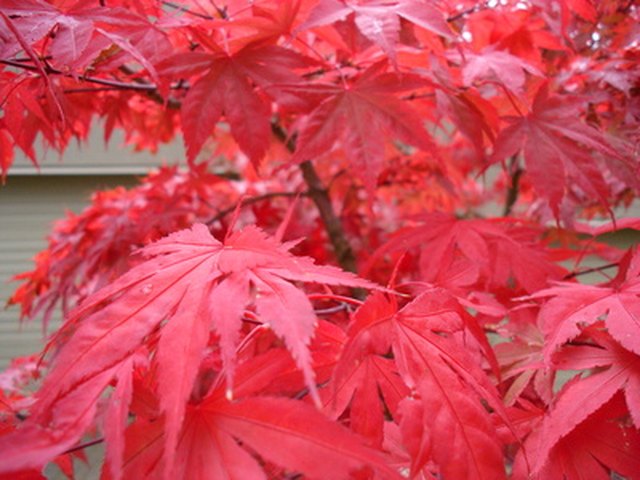
Maples are among the most recognizable ornamental trees in American landscapes. Their appeal may include colorful flowers, winged seeds, interesting bark, elegant branching, compact forms, and dramatic fall foliage ranging from yellow and gold to orange, scarlet, burgundy, and purple.
Large species can serve as shade trees or focal points, while smaller Japanese maple cultivars are commonly used in courtyards, entry gardens, containers, woodland borders, and spaces where a full-size shade tree would be overwhelming.
Landscape Roles for Maple Trees
Depending on the species and cultivar, maples can be used as:
- Specimen trees in front yards and public gardens
- Shade trees near patios and recreation areas
- Street trees where site conditions are suitable
- Naturalized woodland-border trees
- Seasonal focal points in fall-color gardens
- Visual screens or components of mixed windbreaks
- Small ornamental trees in courtyards and containers
Choosing a diverse mix of tree species is generally wiser than planting an entire property with one maple variety. Diversity reduces the risk that a single pest, disease, or weather event will damage every tree simultaneously. It also creates a more interesting landscape than repeating the same tree until the yard resembles a botanical copy-and-paste error.
7. Wildlife Food, Shelter, and Nesting Habitat
Maple trees provide ecological benefits throughout their lives. Buds, flowers, seeds, leaves, twigs, bark, and associated insects may support birds, mammals, and invertebrates. Dense crowns offer nesting and escape cover, while large trunks and branches provide perching sites.
Red maple is browsed by animals such as white-tailed deer, moose, elk, and snowshoe hares in parts of its range. Silver maple buds can provide food for squirrels during the difficult transition from winter to spring. As silver maples age, cavities in their relatively soft wood may shelter ducks, squirrels, raccoons, opossums, owls, and woodpeckers.
Bigleaf maple communities also provide cover, nesting areas, and foraging habitat for birds, insects, rodents, and larger wildlife. In humid environments, the bark and branches may support rich communities of mosses, lichens, and other organisms.
A declining maple is not automatically useless. When it can be retained without creating a safety hazard, a dead trunk or large cavity tree may continue functioning as wildlife habitat. Trees near buildings, roads, play areas, and frequently used paths should be inspected by a qualified arborist before being retained for habitat purposes.
8. Soil Protection, Water Management, and Restoration
Maple roots help hold soil, support infiltration, and cycle nutrients through the landscape. Fallen leaves eventually decompose and return organic material to the soil, feeding fungi, microorganisms, and other members of the underground workforce that never receive employee-of-the-month parking.
Some maples are especially useful in moist sites. Silver maple naturally occurs along streams and floodplains and can contribute to riparian vegetation where the species is ecologically appropriate. Fast growth and an extensive root system may help stabilize disturbed streamside soils, although the tree’s weaker wood and tendency to form large limbs make it a questionable choice beside houses or parking areas.
Maples may also be included in stormwater plantings, woodland restoration projects, shelterbelts, and mixed buffers. The best species depends on regional climate, soil moisture, drainage, available space, and restoration goals. A maple suited to a humid eastern floodplain may perform poorly in a dry western landscape without supplemental irrigation.
9. Pulpwood, Pallets, Firewood, and Utility Products
Not every maple log becomes a polished dining table. Lower-grade material can still serve practical purposes. Red maple is used for sawtimber and pulpwood, as well as pallets, plywood, crates, containers, barrels, railroad ties, and furniture components.
Maple can also be burned as firewood when it is properly seasoned. Dense hard maple generally provides good heat, while softer maple species may burn faster. Local firewood should be sourced responsibly and transported only in accordance with regional pest-control rules, since moving firewood can spread destructive insects and diseases.
Sawdust, bark, chips, and manufacturing scraps may be used for biomass fuel, mulch where appropriate, composite products, animal bedding, or other secondary purposes. Efficient mills attempt to recover value from as much of each log as possible rather than turning half the tree into an expensive pile of sweepings.
10. Education, Recreation, Culture, and Tourism
Maple trees are valuable outdoor classrooms. Students can use them to study tree identification, seasonal change, plant physiology, forest ecology, wildlife relationships, woodworking, food production, and local history. A syrup demonstration can connect biology, chemistry, weather, mathematics, and cooking in one gloriously sticky lesson.
Fall foliage generated by maples also supports recreation and tourism. Scenic drives, hiking trails, festivals, photography outings, and public-garden events attract visitors to regions known for colorful deciduous forests. National Park Service resources frequently highlight maples as important contributors to autumn scenery in eastern forests and high-elevation western habitats.
Maple leaves and trees also appear in regional symbols, artwork, crafts, school projects, and community traditions. For many people, the annual color change marks the arrival of fall as reliably as pumpkin-flavored products suddenly occupying every shelf in the grocery store.
Choosing a Maple for Its Intended Use
The best maple depends on what the tree is expected to do. A species chosen for syrup production may not be ideal for a narrow city lot, while a compact ornamental cultivar will not produce furniture-sized logs or shade an entire house.
Sugar Maple
Sugar maple is a leading choice for syrup production, premium hard lumber, flooring, furniture, shade, and brilliant fall color. It generally performs best in fertile, well-drained soil and may struggle with severe heat, salt exposure, compacted soil, and difficult urban sites.
Red Maple
Red maple is widely used for landscaping, fall color, lumber, pulpwood, furniture, crafts, and limited syrup production. It adapts to a broad range of conditions, although cultivar selection and site matching remain important.
Silver Maple
Silver maple offers rapid growth, shade, riparian value, wildlife cavities, lumber, and sap. Its weaker branch structure and large mature size mean it should be planted well away from buildings and other targets.
Bigleaf Maple
Bigleaf maple is useful for shade, furniture, specialty figured wood, instruments, habitat, and syrup production in portions of the Pacific Northwest.
Japanese Maple
Japanese maples are primarily ornamental. They are valued for refined form, colorful foliage, compact cultivars, and suitability for smaller gardens. Their purpose is less “build a bowling alley” and more “make the patio look as though a landscape architect lives here.”
Norway Maple
Norway maple was historically planted as an urban shade tree, but it has escaped cultivation and become invasive in parts of North America. It can form dense shade, spread into natural areas, and interfere with native forest regeneration. Homeowners should consult regional invasive-species guidance before planting it and consider a locally appropriate native alternative.
Responsible Ways to Use Maple Trees
Using a maple responsibly means considering the whole tree rather than focusing on a single product. Excessive tapping, careless pruning, root damage, soil compaction, and poor harvesting practices can reduce tree health and future value.
Before tapping, confirm the species, measure the trunk, inspect overall health, and follow current local extension recommendations. Do not tap small, severely stressed, declining, or recently damaged trees. Use clean equipment and avoid enlarging old tap holes.
Before removing a mature maple for lumber, evaluate whether its shade, landscape value, habitat, and future growth are worth more than the immediate log. When removal is necessary, the trunk may still be milled into boards, while branches can become firewood, chips, habitat structures, or craft material.
For landscape planting, select a species suited to the region and provide enough room for its mature canopy and roots. Professional advice is especially valuable when trees are close to buildings, utilities, roads, or drainage infrastructure.
Experiences and Practical Lessons From Using Maple Trees
The following section combines common experiences reported by homeowners, syrup hobbyists, gardeners, woodland owners, and woodworkers. It is presented as a practical composite rather than as one person’s diary.
The Backyard Syrup Experiment
A typical first syrup season begins with someone noticing two mature maples in the yard and thinking, “Free syrup!” Technically, the sap may be free. The buckets, tubing, drill bit, filters, storage containers, fuel, thermometer, finishing equipment, and alarming amount of boiling are less free.
The most important early lesson is that sap looks and tastes more like slightly sweet water than finished syrup. Collecting several containers can create the illusion that the household is about to enter the breakfast-topping business. After hours of evaporation, however, that impressive volume becomes a modest jar.
Yet the small yield often feels remarkably valuable. Families learn how freezing nights and warmer days affect sap flow. Children become interested in identifying buds, bark, and branching patterns. Everyone watches steam roll from the pan, and the first taste of warm syrup makes the process feel less like unpaid labor and more like a seasonal tradition.
Cleanliness becomes another memorable lesson. Sap can spoil quickly during warm weather, and leaves, bark, insects, and rainwater have an uncanny ability to enter any uncovered container. Successful hobbyists establish a routine: collect frequently, keep equipment clean, filter carefully, and process the sap promptly.
Living With a Large Shade Maple
A well-placed maple can transform a yard. During summer, the canopy creates a cooler place for chairs, pets, children, and outdoor meals. Rooms facing the tree may receive softer afternoon light, and the landscape gains a sense of permanence that cannot be purchased in a flat-pack box.
The trade-off arrives in autumn. A mature maple can drop an astonishing quantity of leaves, followed by twigs, seeds, and the occasional branch. New owners sometimes complain about the cleanup until they experience a hot day in a neighboring yard with no shade. At that point, the rake begins to look less like an enemy and more like a membership fee.
Homeowners also learn that tree health depends heavily on what happens below the canopy. Parking vehicles over roots, piling soil around the trunk, cutting roots for construction, or repeatedly striking the bark with lawn equipment can cause long-term damage. Mulch helps conserve soil moisture, but it should be spread in a broad, shallow layer rather than stacked against the trunk like a wooden volcano.
Turning a Removed Maple Into Useful Wood
When a storm-damaged or hazardous maple must be removed, milling part of the trunk can preserve its story. A local sawyer may convert suitable logs into slabs or boards for a table, bench, shelf, mantel, or set of keepsake boxes.
The process requires patience. Fresh boards contain substantial moisture and must be dried correctly to reduce checking, warping, staining, and fungal damage. Woodworkers often discover unexpected figure after sawinga curl, streak, spalting pattern, or color variation invisible from the outside of the log.
Not every piece becomes fine furniture. Short sections may turn into bowls or cutting boards. Straight branches may become handles or rustic rails. Remaining wood can be seasoned for fuel, while chips may be used where appropriate in paths or landscape beds. The practical lesson is that a tree does not have to become one perfect product. Thoughtful use often means creating many smaller products from different parts.
The Biggest Lesson: Match the Maple to the Mission
Many disappointing maple experiences begin with choosing a tree by appearance alone. A fast-growing species is planted too close to a house. A sugar maple is placed in compacted roadside soil. A Japanese maple is exposed to harsh afternoon sun and drying wind. The tree is then blamed for behaving exactly as its biology predicted.
The best results come from deciding what is needed firstsyrup, shade, fall color, wildlife value, compact ornamental form, lumber, or streamside restorationand selecting a suitable species second. Giving the tree adequate space and care may not provide instant gratification, but it creates decades of usefulness.
Conclusion
The uses for maple trees reach from the breakfast table to the basketball court. Their sap becomes syrup and sugar; their wood becomes furniture, flooring, instruments, utensils, and crafts; and their living canopies provide shade, beauty, habitat, soil protection, and memorable autumn color.
The greatest value often comes from combining several uses. A healthy maple may cool a home, shelter wildlife, provide educational opportunities, produce seasonal sap, and eventually supply usable wood. Choosing the correct species, protecting tree health, and using harvested material efficiently allow that value to continue for generations.
Note: Maple suitability, tapping practices, invasive-species rules, and planting recommendations vary by region. Consult a local Cooperative Extension office, forestry professional, or certified arborist before tapping, planting, pruning, or removing a tree. This article was synthesized from U.S. Forest Service resources and research-based materials published by American universities, extension programs, arboreta, and public-land agencies.