Note: This article is written for web publishing and synthesizes practical stain-removal guidance from reputable U.S. cleaning, laundry, home-care, and fabric-care sources.
Red wine has a flair for drama. It waits until the table is beautifully set, the conversation is finally interesting, and someone is wearing a white shirt that absolutely did not volunteer for danger. Thensplash. Suddenly your linen napkin, cotton dress, sofa cushion, or tablecloth looks like it has joined a crime scene documentary.
The good news? A red wine stain is not an automatic fabric funeral. The bad news? Time matters. Red wine contains deeply colored pigments and tannins that love to cling to fibers, especially absorbent fabrics like cotton, linen, and upholstery. The sooner you respond, the better your chances of lifting the stain without leaving a shadowy purple reminder of “that one dinner.”
This in-depth guide explains how to remove red wine from fabric using expert-backed methods, household ingredients, laundry products, and fabric-safe techniques. You will learn what to do first, what not to do, how to treat fresh and dried stains, and how to handle different fabrics without making the situation worse.
Why Red Wine Stains Fabric So Fast
Red wine stains are stubborn because they bring several troublemakers to the party. First, red wine contains natural pigments called anthocyanins, which give grapes and wine their rich color. Second, it contains tannins, plant-based compounds that can bind to fabric fibers. Third, wine is liquid, so it spreads quickly through woven material before you can say, “Who bumped the table?”
Absorbent fabrics such as cotton, linen, rayon, and many upholstery blends pull wine inward. That means the stain is not just sitting politely on top of the fabric. It is moving into the fibers, where heat, friction, and drying can make it harder to remove.
The goal is simple: dilute the wine, lift the pigment, and prevent it from bonding deeper into the fabric.
What to Do Immediately After a Red Wine Spill
The first few minutes matter most. A calm response works better than a dramatic gasp followed by aggressive scrubbing. Here is the correct emergency routine.
1. Blot, Do Not Rub
Use a clean white cloth, paper towel, or napkin to blot the stain gently. Press down and lift. Repeat with a clean section of the cloth. Do not rub in circles, scrub back and forth, or attack the stain like it owes you money. Rubbing can push the wine deeper and spread the stain wider.
2. Work from the Outside In
If the stain is spreading, blot from the outer edge toward the center. This helps prevent the red wine from creating a larger ring. Think of it as stain containment, but with less paperwork.
3. Flush with Cold Water When Possible
For washable clothing, hold the stained area under cold running water from the back of the fabric. This pushes wine out the way it came in instead of driving it deeper. Cold water is usually the safest first rinse because heat can help some stains settle into fibers.
4. Keep the Fabric Damp Until You Can Treat It
If you cannot wash the item immediately, keep the stained area slightly damp with cool water or club soda. Letting a red wine stain dry completely can make removal more difficult.
Best Methods to Remove Red Wine from Fabric
There is no single magic trick for every fabric, but several reliable methods work well when used correctly. Always test any cleaner on a hidden area first, especially on colored, delicate, vintage, or expensive fabric.
Method 1: Cold Water and Liquid Laundry Detergent
This is one of the safest starting points for washable fabrics such as cotton, polyester, denim, and many blends.
- Blot up as much wine as possible.
- Rinse the stain from the back with cold water.
- Apply a small amount of liquid laundry detergent directly to the stain.
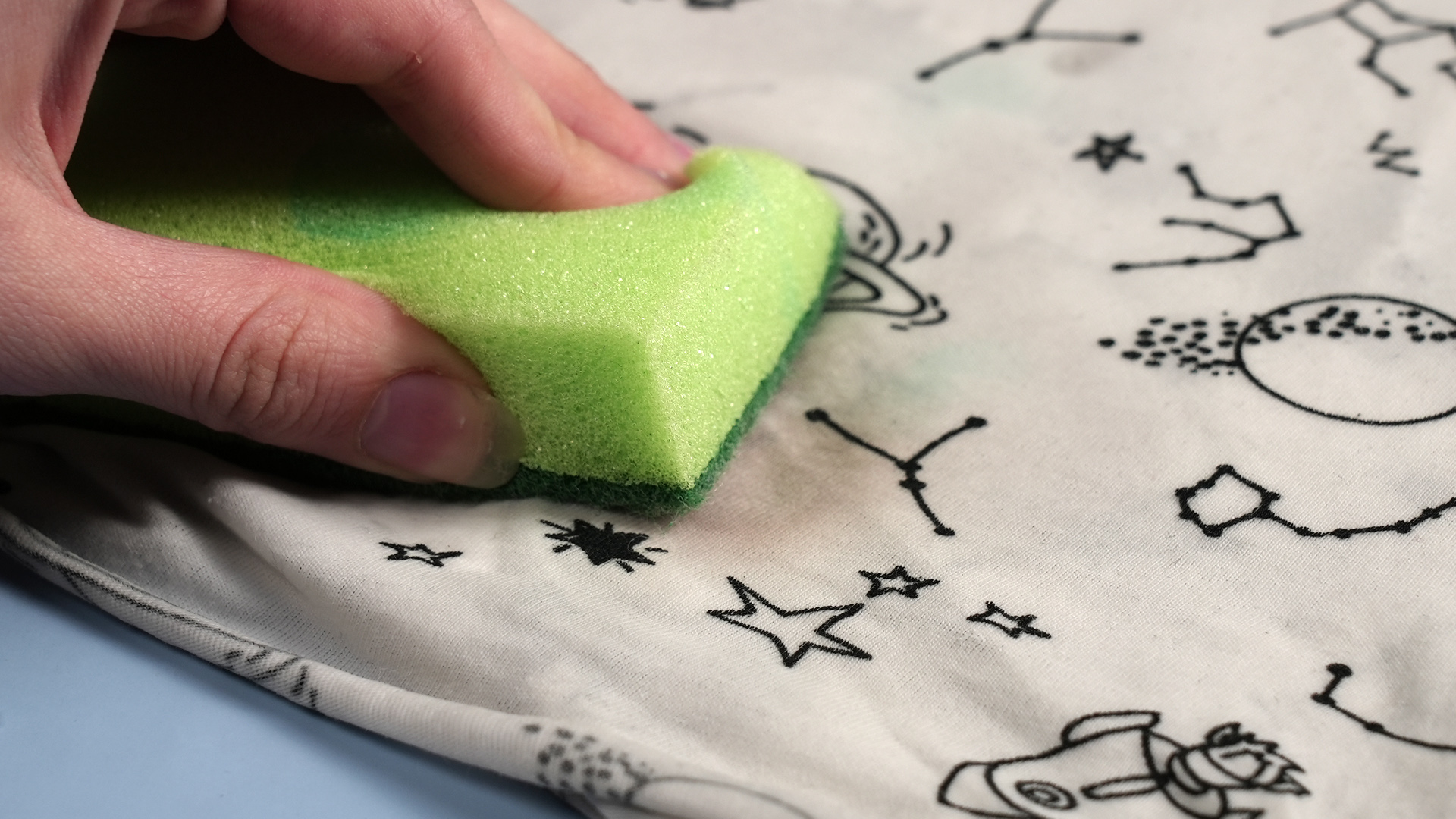
- Gently work it in with your fingers or a soft brush.
- Let it sit for 5 to 15 minutes.
- Wash according to the care label.
- Check the stain before drying.
This method works because detergent helps break the bond between the stain and fabric fibers. For best results, use an enzyme-based or stain-fighting detergent if the care label allows it.
Method 2: Club Soda for Fresh Wine Stains
Club soda is popular because it is often available at parties, restaurants, and homes where red wine is being enjoyed with dangerous enthusiasm. It can help dilute the stain and lift some pigment before it settles.
- Blot the spill first.
- Pour a small amount of club soda over the stained area.
- Blot again with a clean white cloth.
- Repeat until the cloth no longer picks up much color.
- Follow with detergent treatment and laundering if the fabric is washable.
Club soda is not a guaranteed cure, but it is a useful first-aid step. It is especially helpful when you are away from your laundry room and need to prevent the stain from setting.
Method 3: White Vinegar and Laundry Detergent
Distilled white vinegar can help loosen wine pigments, while detergent helps wash them away. This method is useful for many washable fabrics, but avoid vinegar on delicate materials unless the care label permits it.
- Blot and rinse the stain with cold water.
- Apply distilled white vinegar to the stained area.
- Add a few drops of liquid laundry detergent.
- Gently rub the fabric against itself or use a soft brush.
- Let it sit for 15 to 30 minutes.
- Rinse and launder as directed.
For larger fabric items, such as tablecloths or napkins, you can soak the stained section in a mixture of cool water and white vinegar before washing.
Method 4: Salt for Fresh Spills
Salt is not a complete stain remover, but it can absorb liquid from a very fresh spill. It works best on table linens, napkins, and sturdy fabrics where you can cover the stain quickly.
- Blot the wine first.
- Cover the damp stain with a generous layer of table salt.
- Let it sit for several minutes so it can absorb moisture.
- Brush off the salt carefully.
- Rinse and treat with detergent before washing.
Do not leave salt sitting on fabric for too long. Salt can leave residue, and on some delicate fabrics it may cause texture or color issues. Use it as a quick absorber, not a permanent solution.
Method 5: Baking Soda Paste
Baking soda can help absorb wine and gently lift color from fabric. It is especially useful after blotting a fresh stain.
- Mix baking soda with a small amount of water to form a paste.
- Apply the paste over the stained area.
- Let it dry completely.
- Brush or vacuum away the dried paste.
- Rinse and launder if the item is washable.
This method is mild, affordable, and easy to try. However, it may not fully remove older or darker stains on its own.
Method 6: Hydrogen Peroxide and Dish Soap for White Fabrics
Hydrogen peroxide can help break down red wine color, but it may lighten or bleach colored fabrics. Use this method only on white or colorfast fabrics after testing first.
- Mix two parts hydrogen peroxide with one part mild dish soap.
- Apply the mixture to the stain.
- Let it sit for a few minutes.
- Blot gently with a clean cloth.
- Rinse thoroughly.
- Launder according to the care label.
This is a powerful option for white cotton napkins, white tablecloths, and sturdy white shirts. It is not the first choice for silk, wool, leather, suede, or richly dyed fabrics.
Method 7: Oxygen Bleach Soak
Oxygen bleach is often safer for colors than chlorine bleach, but you still need to read the product label and fabric care tag. It can be helpful for stubborn red wine stains on washable fabrics.
- Mix oxygen bleach with water according to the product directions.
- Submerge the stained fabric if the care label allows soaking.
- Let it soak for the recommended time.
- Wash normally.
- Air-dry only after confirming the stain is gone.
Never use oxygen bleach on fabrics that specifically warn against bleach or soaking. Also avoid combining cleaning chemicals randomly. Your laundry room is not a chemistry lab, and your blouse does not want to be the experiment.
How to Remove Dried Red Wine Stains
Dried red wine stains are more challenging, but they are not hopeless. The first step is to rehydrate the stain.
- Soak the stained area in cool water for 20 to 30 minutes.
- Apply liquid laundry detergent or a stain remover.
- Gently work it into the fibers.
- Let it sit according to the product instructions.
- Rinse and repeat if needed.
- Wash in the warmest water allowed by the care label.
- Inspect before drying.
If the stain remains, try an oxygen bleach soak if the fabric allows it. For older stains on white cotton, hydrogen peroxide may help, but test first. With dried stains, patience matters. One careful repeat treatment is better than one aggressive scrub session that damages the fabric.
Fabric-by-Fabric Red Wine Stain Guide
Different fabrics need different levels of care. A treatment that works beautifully on a cotton napkin may be disastrous on silk. Use the fabric guide below before choosing a method.
Cotton
Cotton is absorbent, so act quickly. Blot, rinse with cold water, pretreat with detergent, and wash according to the care label. White cotton can often handle oxygen bleach or hydrogen peroxide, but test first.
Linen
Linen absorbs wine fast and can wrinkle dramatically while doing it. Rinse with cool water, use mild detergent, and avoid harsh rubbing. For table linens, a vinegar-and-water soak may help before laundering.
Polyester
Polyester is less absorbent than cotton, so stains may lift more easily. Blot, rinse, pretreat with liquid detergent, and wash. Avoid high dryer heat until the stain is completely gone.
Wool
Wool needs gentle handling. Blot carefully and use cool water with a wool-safe detergent. Do not soak for too long, twist, scrub, or use hot water. If the item is valuable, take it to a professional cleaner.
Silk
Silk is delicate and can water-spot or lose color. Blot immediately with a clean white cloth. Avoid vinegar, peroxide, and aggressive stain removers unless the care label clearly allows them. Professional cleaning is usually the safest choice.
Velvet
Velvet can crush, mat, or show water marks. Blot gently without pressing too hard. Use minimal moisture and avoid rubbing. For expensive velvet upholstery or clothing, call a professional.
Upholstery
Check the upholstery cleaning code before adding any liquid. For water-safe fabric, blot, then apply a small amount of mild dish soap mixed with cool water. Blot again with clean water and dry with towels. Avoid over-wetting cushions because moisture can sink into padding and create odor or mildew issues.
What Not to Do When Removing Red Wine from Fabric
Sometimes the fastest way to ruin a fabric is to try every hack on the internet in five frantic minutes. Avoid these common mistakes.
Do Not Use Hot Water First
Hot water can make some stains harder to remove, especially before you have lifted the pigment. Start with cold water. Later, wash in the warmest water allowed by the garment label after pretreating.
Do Not Put the Item in the Dryer Too Soon
Dryer heat can set a remaining stain. Always inspect the fabric after washing. If you still see pink, purple, brown, or gray discoloration, treat it again before drying.
Do Not Scrub Aggressively
Scrubbing can damage fibers, spread the stain, and create a fuzzy worn patch. Gentle blotting and patient pretreating are more effective.
Do Not Use Chlorine Bleach Without Checking the Label
Chlorine bleach can damage fibers and remove color. It may be appropriate for some white cottons, but it is not a universal solution. Oxygen bleach is often a safer option for many washable fabrics, but even that requires label checking.
Do Not Mix Cleaning Chemicals
Never mix bleach with ammonia, vinegar, or other cleaners. Dangerous fumes are much worse than a stained napkin. Use one method at a time and rinse thoroughly before trying another.
How to Remove Red Wine from a Fabric Couch
A red wine spill on a couch feels personal. Unlike a shirt, you cannot toss the whole sofa into the washing machine unless you live in a cartoon. Here is a safer approach.
- Blot immediately with a clean white cloth.
- Check the upholstery care tag for cleaning codes.
- If water-based cleaning is allowed, mix a small amount of mild dish soap with cool water.
- Dampen a cloth with the solution and blot the stain.
- Use a second cloth dampened with plain water to remove residue.
- Blot dry with towels.
- Let the area air-dry completely.
If the stain remains, try a fabric-safe upholstery cleaner or call a professional. Avoid soaking the cushion. Too much water can leave rings or push the wine deeper into the padding.
How to Remove Red Wine from Tablecloths and Napkins
Table linens are common red wine victims. Fortunately, many are washable and can handle stronger treatment than delicate clothing.
- Blot the stain right away.
- Sprinkle salt over a fresh spill if you cannot wash immediately.
- Rinse with cold water from the back of the stain.
- Apply liquid detergent or a stain remover.
- Soak in cool water if the stain is large.
- Wash according to the care label.
- Air-dry and inspect.
For white table linens, oxygen bleach can be very helpful. For heirloom linens, embroidered pieces, or vintage lace, choose gentle treatment or professional cleaning.
Can White Wine Remove Red Wine?
The white-wine trick is famous, but it is not the best solution. White wine may dilute red wine in a pinch, but it also adds more liquid and can create a larger stain area. Cold water or club soda is usually a better emergency option. Save the white wine for drinking, cooking, or calming the person who spilled the red.
When to Call a Professional Cleaner
Some fabrics deserve expert care. Contact a professional cleaner if the stained item is silk, wool, suede, leather, velvet, vintage, heavily dyed, dry-clean-only, expensive, or emotionally irreplaceable. You should also get help if the stain is large, old, or on upholstery with unknown cleaning codes.
Tell the cleaner exactly what happened and what you applied. This matters because previous treatments can affect professional stain-removal choices.
Expert Tips for Better Results
- Use white cloths only: Colored towels can transfer dye onto the fabric.
- Blot in layers: Keep moving to clean parts of the cloth so you do not reapply wine.
- Treat both sides: For clothing, rinse from the back and pretreat the front.
- Repeat gently: Stubborn stains may need more than one round.
- Air-dry first: Heat is the enemy until the stain is gone.
- Read labels: Fabric care tags and cleaner instructions are there for a reason.
Real-Life Experiences: Lessons from Red Wine Stain Disasters
Anyone who entertains often eventually becomes an amateur stain technician. Red wine has a way of teaching lessons at the worst possible time. One of the most common experiences is the “holiday tablecloth panic.” A guest reaches for the gravy, clips the wine glass, and suddenly a snowy white tablecloth has a burgundy splash right in the center. The best response is not to remove everything from the table in horror. Instead, blot the spot with white paper towels, add a little cool water or club soda, and keep blotting until dinner is over. Afterward, rinse the stain from the back, pretreat with detergent, and soak if needed. Many tablecloths can recover beautifully if they are not thrown into a hot dryer too soon.
Another familiar situation is the red wine shirt stain at a restaurant. In this case, you probably do not have laundry detergent, oxygen bleach, or a stain-removal laboratory in your purse. The practical move is to blot with a clean napkin, ask for club soda or cold water, dab lightly, and avoid using hand soap from the restroom unless you know it is gentle and colorless. Some public restroom soaps contain dyes, fragrance, or harsh ingredients that may complicate the stain. The goal is not full removal at the table; it is stain control until you get home.
Upholstery spills are trickier because people tend to over-wet the cushion. A small red wine spot can turn into a large water ring if you pour too much cleaner onto it. The better experience-based approach is slow and controlled: blot, apply a small amount of cleaning solution to a clothnot directly to the sofaand dab the stain. Then blot with a separate damp cloth and dry with towels. If the cushion cover is removable and washable, check the label before removing it. Some covers shrink or change texture when washed, leaving you with one cushion that looks like it has been through a personal transformation retreat.
There is also the classic mistake of thinking the stain is gone because it looks faint when wet. Wet fabric can hide residue. Once it dries, a pale pink or brown shadow may appear. That is why air-drying is so important. If a stain survives the wash, you can treat it again. If it survives the dryer, it becomes much more stubborn. The dryer is basically a stain’s retirement plan.
Another lesson: not every “hack” deserves your favorite garment. Hydrogen peroxide can be excellent on white cotton, but it can lighten dark or bright fabrics. Vinegar can help with many stains, but it is not ideal for every delicate material. Salt can absorb wine quickly, but it is not a complete cleaner. Baking soda paste is gentle, but it may not remove a deep stain by itself. The best results usually come from matching the method to the fabric rather than using whatever tip sounds most dramatic.
Finally, experience teaches that preparation is underrated. If you host often, keep a small stain kit ready: white cloths, paper towels, liquid detergent, a stain remover, oxygen bleach, and a soft brush. You do not need to fear red wine, but you should respect its ambition. With quick action, careful blotting, and the right fabric-safe treatment, most red wine stains can be reduced or removed before they become permanent party souvenirs.
Frequently Asked Questions
Does red wine come out of fabric completely?
Often, yesespecially if you treat it quickly. Fresh stains on washable fabrics usually respond well to blotting, cold water, detergent, and proper laundering. Older stains may require repeated treatment or oxygen bleach if the fabric allows it.
Is cold water or hot water better for red wine stains?
Start with cold water to flush and dilute the stain. After pretreating, wash in the warmest water recommended on the care label. Do not use dryer heat until the stain is completely gone.
Can vinegar remove red wine stains?
Distilled white vinegar can help loosen red wine pigment on many washable fabrics. It works best when followed by detergent and washing. Always test first on colored or delicate fabric.
Can baking soda remove red wine stains?
Baking soda can absorb moisture and help lift some stain color, especially when used as a paste. It may not fully remove deep or dried red wine stains without detergent or additional treatment.
Should I dry-clean red wine stained fabric?
If the item is labeled dry-clean-only, delicate, expensive, vintage, silk, wool, velvet, suede, or leather, professional cleaning is often the safest option. Blot first, but avoid home experiments that may damage the fabric.
Conclusion
Red wine stains look dramatic, but they do not have to win. The most important rules are simple: act quickly, blot instead of rubbing, use cold water first, choose a fabric-safe treatment, and never put the item in the dryer until the stain is gone. Liquid detergent, club soda, white vinegar, baking soda, salt, hydrogen peroxide, and oxygen bleach can all help in the right situation. The trick is knowing which method fits the fabric.
For everyday washable fabrics, start with cold water and detergent. For white sturdy fabrics, hydrogen peroxide or oxygen bleach may help. For delicate or dry-clean-only items, let a professional handle the rescue mission. With the right steps, your shirt, sofa, napkin, or tablecloth can survive the wine spilland your next dinner party can proceed with only slightly more cautious hand gestures.