Editorial note: This guide is for general educational purposes only and is not legal advice. Traffic laws, court procedures, discovery rules, and evidence standards vary by state, county, and even courthouse. When the stakes are highpoints, license suspension, insurance increases, commercial driving consequences, or a serious chargespeak with a qualified traffic attorney in your jurisdiction.
A police speed radar reading can feel like a courtroom thunderbolt: one number appears on a screen, and suddenly your wallet, driving record, and insurance premium are all staring at you like disappointed relatives at Thanksgiving. But radar is not magic. It is technology, and like all technology, it depends on proper equipment, proper testing, proper operation, and proper interpretation.
That does not mean every radar ticket is wrong. In fact, modern police radar units can be accurate and reliable when they are approved, maintained, tested, and used by a trained officer. The key phrase is when properly operated and maintained. If you want to question the accuracy of police speed radar, your job is not to wave your arms and announce, “Machines lie!” Your job is to ask focused, reasonable questions about whether the radar reading in your specific case was dependable.
This step-by-step guide explains how to evaluate a radar-based speeding ticket, what records to look for, what courtroom issues may matter, and how to present your concerns clearly without sounding like you learned traffic law from a comment section at 2 a.m.
Understanding Police Speed Radar Before You Challenge It
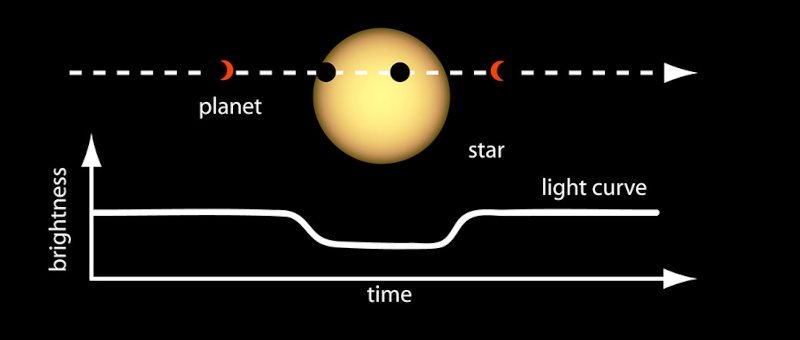
Police radar usually works by sending radio waves toward moving vehicles and measuring the frequency shift of the reflected signal. That shift, often described through the Doppler principle, is used to calculate speed. Radar may be stationary, handheld, dash-mounted, or used while the patrol vehicle is moving. Some tickets are based on radar, while others are based on LIDAR, pacing, aircraft observation, speed cameras, or visual estimation. Do not assume the method. Confirm it.
A strong challenge begins with precision. You are not attacking “police technology” in general. You are questioning whether the prosecution can show that this officer, using this device, at this location, at this time, produced a reliable reading of your vehicle.
How to Question the Accuracy of Police Speed Radar: 15 Steps
Step 1: Read the ticket carefully
Start with the citation itself. Look for the alleged speed, posted speed limit, location, date, time, officer name, agency, statute number, and method of speed measurement. Some tickets clearly say “radar,” “laser,” “LIDAR,” “pace,” or “estimated.” Others are less obvious. Circle anything unclear. If the ticket does not identify the method, that does not automatically mean dismissal, but it gives you a practical question to ask later.
Step 2: Confirm whether it was radar or LIDAR
Radar and LIDAR are often casually lumped together, but they are different tools. Radar uses radio waves and can cover a wider area. LIDAR uses a laser beam and is more target-specific when properly aimed. The defenses can differ. A radar challenge may focus on target identification, moving-mode operation, antenna alignment, interference, or tuning fork tests. A LIDAR challenge may focus more on aiming, distance, beam spread, weather, and device-specific testing.
Step 3: Learn your court deadline
Traffic tickets come with deadlines. You may need to respond, request a hearing, plead not guilty, post bail, request a trial, or ask for a trial by written declaration, depending on your state. Missing a deadline can turn a manageable ticket into a bigger problem. Before building your radar argument, protect your procedural position. Courts are not fond of “I was researching Doppler shift and forgot the appearance date.”
Step 4: Request the officer’s notes
The officer’s notes may show the device used, the radar mode, the patrol position, weather, traffic conditions, lane information, visual speed estimate, and whether the officer performed required tests. In some jurisdictions, you can obtain notes through discovery. In others, the process is more limited or informal. Ask the clerk, court website, or local rules how discovery works for traffic infractions.
Step 5: Ask for radar calibration and accuracy records
One of the most common radar accuracy questions is whether the device had current calibration or certification records. A radar unit may have a periodic calibration certificate, maintenance history, or inspection log. Do not simply ask, “Was it calibrated?” Ask for the record that proves it. A neat certificate with the correct device serial number is stronger evidence than a vague statement that “the unit is always fine.”
Step 6: Identify the radar unit by serial number
If the agency used multiple radar devices, the records must match the actual unit used in your stop. Ask for the make, model, serial number, antenna information if relevant, and patrol vehicle assignment if it was a dash-mounted unit. A calibration certificate for a different radar unit is about as helpful as a gym membership card when you are trying to prove you ran a marathon.
Step 7: Ask about tuning fork tests
Many radar units are checked with tuning forks designed to simulate specific speeds. Officers may test the unit before and after a shift, before and after a stop, or according to department policy and manufacturer guidance. The key questions are: Were tuning fork tests performed? When? By whom? Were the tuning forks themselves certified? Did the displayed speeds match the expected speeds? If the officer cannot answer clearly, the reliability of the reading may become a fair issue.
Step 8: Check the officer’s training and certification
Radar accuracy is not only about the machine. The operator matters. A trained radar operator should understand target identification, visual speed estimation, audio tracking, antenna alignment, moving radar issues, and common sources of error. Ask whether the officer was trained to use the specific type of radar involved. Training from years ago may still be valid in some places, but if the officer used a different device or mode than the one covered in training, that can be worth exploring.
Step 9: Examine traffic conditions
Radar can detect moving objects within its beam. In busy traffic, the question becomes whether the officer correctly identified your vehicle as the source of the reading. Were there larger vehicles nearby? Was another car passing you? Were you in a cluster of traffic? Was the officer positioned at an angle? A radar number is only useful if the officer can connect that number to the correct target vehicle.
Step 10: Question visual tracking history
Many radar training materials emphasize “tracking history,” meaning the officer does not rely only on a sudden number. A proper tracking history may include a visual estimate of excessive speed, a consistent radar reading, audio confirmation from the Doppler tone, and continued observation of the target. If the officer did not visually estimate your speed before looking at the radar, or cannot explain how your vehicle was isolated, that may weaken the evidence.
Step 11: Consider cosine angle issues
Radar readings can be affected by the angle between the radar beam and the vehicle’s path. In many ordinary roadside setups, cosine error tends to show a speed lower than the vehicle’s actual speed, not higher. However, angle and alignment still matter because they relate to proper setup and operator competence. If the patrol car was oddly positioned, hidden behind objects, or shooting across multiple lanes at a steep angle, ask how the officer accounted for alignment and target identification.
Step 12: Look at moving radar complications
Moving radar is more complicated than stationary radar because the device must account for the patrol car’s speed as well as the target vehicle’s speed. That often requires comparison between the radar’s patrol-speed reading and the patrol vehicle’s certified speedometer. If the officer was accelerating, braking, turning, or moving among traffic, ask how the officer verified patrol speed and avoided errors caused by changing speeds or wrong target selection.
Step 13: Check weather, terrain, and environment
Weather alone does not automatically defeat a radar reading. Rain, fog, wind, hills, curves, signs, guardrails, and heavy traffic may or may not matter depending on the device and circumstances. Still, environmental details can support a reasonable challenge if they affected visibility, target identification, or the officer’s ability to maintain a clear tracking history. Take photos of the road, signs, lanes, curves, and sight lines as soon as safely possible.
Step 14: Prepare focused courtroom questions
In court, calm questions beat dramatic speeches. Ask short, factual questions: What device was used? What was the serial number? When was it last externally calibrated? Did you test it before and after your shift? What tuning forks were used? Were the tuning forks certified? Did you visually estimate my speed before activating or reading the radar? What other vehicles were in the radar beam? How did you identify my vehicle as the target?
Step 15: Present your argument respectfully
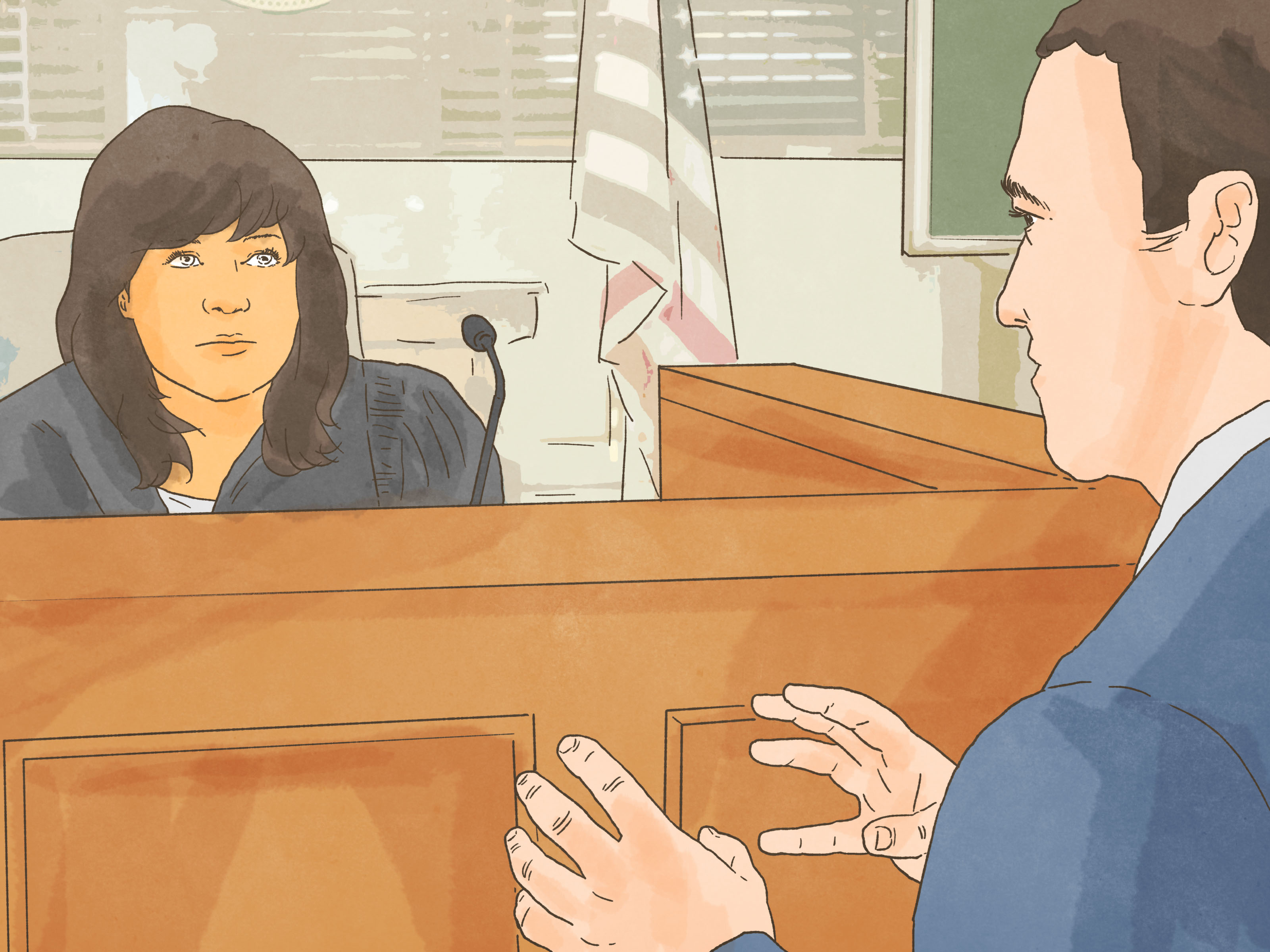
Judges hear many traffic cases. The best presentation is organized, brief, and respectful. Bring copies of your photos, discovery requests, calibration records, notes, and timeline. Do not accuse the officer of lying unless you have serious evidence. Instead, argue that the state has not shown the radar reading was reliable enough in your specific case. A good radar challenge sounds less like a conspiracy theory and more like quality control.
Common Radar Accuracy Issues to Review
Calibration gaps
If there is no current calibration certificate, no maintenance record, or no evidence that the radar unit was checked according to required procedures, you may argue that the reading lacks foundation. The importance of that issue depends on local law. Some courts require detailed proof; others accept officer testimony if it is specific and credible.
Wrong target identification
Radar may return a speed reading from a vehicle within its beam, and larger or closer vehicles can sometimes dominate the signal. If you were near a truck, bus, SUV, or another faster-moving vehicle, target identification becomes important. Your argument should explain why the officer may have attributed the reading to the wrong vehicle.
Lack of visual estimate
A visual estimate is not always legally required in the same way everywhere, but it is often part of good radar practice. If the officer only saw a number and then looked for a car to match it, that is weaker than observing a specific vehicle, estimating speed, confirming by radar, and maintaining visual contact.
Officer training problems
Radar equipment may be reliable in trained hands and questionable in careless hands. Ask about the officer’s training date, course, certification, refresher training, and experience with that exact model. If the device has different modes, ask whether the officer was trained in the mode used during your stop.
Testing procedure problems
If a tuning fork test was performed incorrectly, if the tuning forks were not certified, or if the officer cannot remember whether the device passed testing, the radar reading may be less persuasive. Courts often care about whether the equipment was shown to be working before and after use.
What Not to Do When Challenging Police Radar
Do not lie, fake evidence, alter photos, or claim mechanical impossibilities. Do not use radar jammers or any device intended to interfere with police radar; that can create legal trouble far worse than the ticket. Do not walk into court with a 40-page lecture on physics unless the judge asked for a college seminar. And do not assume that saying “calibration” three times will make the ticket vanish like a legal magic trick.
Also, be realistic. A clean radar record, a trained officer, clear traffic conditions, and consistent testimony can make a radar ticket difficult to beat. In that situation, you may still ask about traffic school, reduced fines, deferred disposition, or a negotiated outcome where allowed. Fighting a ticket is not only about winning; sometimes it is about minimizing damage.
Practical Example: A Stronger Radar Challenge
Imagine you were cited for driving 72 mph in a 55 mph zone. The officer was parked on the shoulder near a curve, traffic was moderate, and a large pickup was passing you in the left lane. You request discovery and receive the ticket, officer notes, and a calibration certificate. The certificate is current, but it lists a radar unit with a different serial number than the one in the officer’s notes. The notes do not mention a visual estimate, traffic conditions, or tuning fork tests.
That does not guarantee dismissal, but it gives you specific questions. You can ask which device was actually used, whether the certificate applies to that unit, whether the unit was tested before and after the stop, whether the officer visually estimated your speed, and how the officer ruled out the passing pickup. This is far stronger than saying, “Radar is inaccurate,” because it targets the foundation of the evidence.
Practical Example: A Weaker Radar Challenge
Now imagine the officer has a current calibration certificate, records of successful tuning fork checks before and after the shift, training records, a clear visual estimate, light traffic, and body-camera or dash-camera evidence showing your vehicle alone in the lane. In that case, arguing radar accuracy may not be your best path. You may want to focus on mitigation, traffic school eligibility, or whether the posted speed limit and signage were proper.
Documents Worth Requesting
Depending on your jurisdiction, consider requesting the radar unit make, model, and serial number; calibration certificate; maintenance history; tuning fork certificates; officer training records; officer notes; citation copy; dash-camera or body-camera footage; patrol vehicle speedometer certification for moving radar; department radar policy; and any relevant dispatch or stop records. Ask politely, keep copies, and follow local rules for where and when requests must be sent.
How to Organize Your Court Presentation
Create a simple folder. Put your ticket first, then your timeline, discovery requests, responses, photos, maps, device records, and questions. Highlight inconsistencies. Prepare a one-minute summary of your argument. For example: “Your Honor, I am not arguing that radar never works. I am arguing that in this case, the state has not established that this particular radar reading was reliable because the device records do not match the unit identified in the officer’s notes, and the officer did not document a visual tracking history in moderate traffic.”
That kind of statement is clear, respectful, and tied to evidence. Judges appreciate clarity. They do not appreciate interpretive dance, even if your performance is emotionally sincere.
Experience-Based Tips for Questioning Police Radar Accuracy
People who handle radar-based speeding tickets often learn the same lesson the hard way: the courtroom is not impressed by internet “gotchas.” The strongest approach is patient, organized, and boring in the best possible way. Bring facts. Bring records. Bring questions. Leave the dramatic monologue in the car, preferably under the floor mat next to old receipts and one fossilized french fry.
One common experience is that drivers remember the stop emotionally but not technically. They remember feeling surprised, frustrated, or certain they were not going “that fast.” But the court needs more than feelings. Immediately after the stop, write down details: where the officer was parked, how many lanes existed, whether other vehicles were nearby, the weather, the road shape, the traffic density, and whether the officer said “radar,” “laser,” or something else. Small details fade quickly. Your memory is not a cloud backup; it is more like a browser tab you accidentally close.
Another useful experience is to visit the location again, safely and legally. Do not stop in a dangerous area or interfere with traffic. But if you can take photos from a sidewalk, parking lot, or public area, document the scene. Capture speed limit signs, curves, hills, lane merges, overpasses, guardrails, and the likely patrol position. A photo of a crowded multi-lane roadway near a curve may help explain why target identification mattered. A photo of a wide-open straight road with perfect visibility may not help your case, but it will at least keep you honest.
Drivers also discover that paperwork matters. A missing record is not automatically a golden ticket, but mismatched paperwork can raise serious questions. If the officer’s notes identify Radar Unit A and the calibration certificate identifies Radar Unit B, that is worth asking about. If the tuning fork certificate expired before the stop, that may matter. If the officer cannot remember whether the device was tested, ask calmly and let the answer sit. Silence is sometimes more effective than arguing.
Many people are surprised by how local traffic court feels. Some courts are formal; others move quickly. Some allow broad discovery; others limit it. Some judges ask many questions; others expect you to present your case efficiently. Watch a session before your hearing if allowed. You will learn the rhythm of the room, where to stand, how cases are called, and how much time defendants usually get. That alone can reduce anxiety.
The best practical advice is to build a theory of the case. Do not throw every possible radar issue into the air and hope one lands. Choose the two or three strongest points. Maybe your theory is wrong target identification in heavy traffic. Maybe it is lack of proof that the radar unit was tested. Maybe it is moving radar without patrol-speed verification. A focused argument is easier for the judge to follow and harder for the prosecution to brush aside.
Finally, stay polite. The officer may be mistaken without being dishonest. The judge may disagree without being unfair. Your goal is to create reasonable doubt or show insufficient proof under the standard used in your court. Courtesy will not guarantee victory, but rudeness can lose a close case faster than you can say “Doppler principle.”
Conclusion
Questioning the accuracy of police speed radar is not about pretending radar is junk science. It is about checking whether the evidence in your specific case meets the required standard. A reliable radar case usually includes a properly approved device, current calibration or certification, correct testing, a trained officer, clear target identification, and a coherent tracking history. If one or more of those pieces is missing, unclear, or inconsistent, you may have a legitimate issue to raise.
The smartest strategy is simple: act before deadlines, gather records, study the location, prepare focused questions, and present your argument respectfully. Whether you win, negotiate a better outcome, or simply understand the process more clearly, you will be far better prepared than someone who walks into court armed only with confidence and a rumor from a cousin named Kyle.