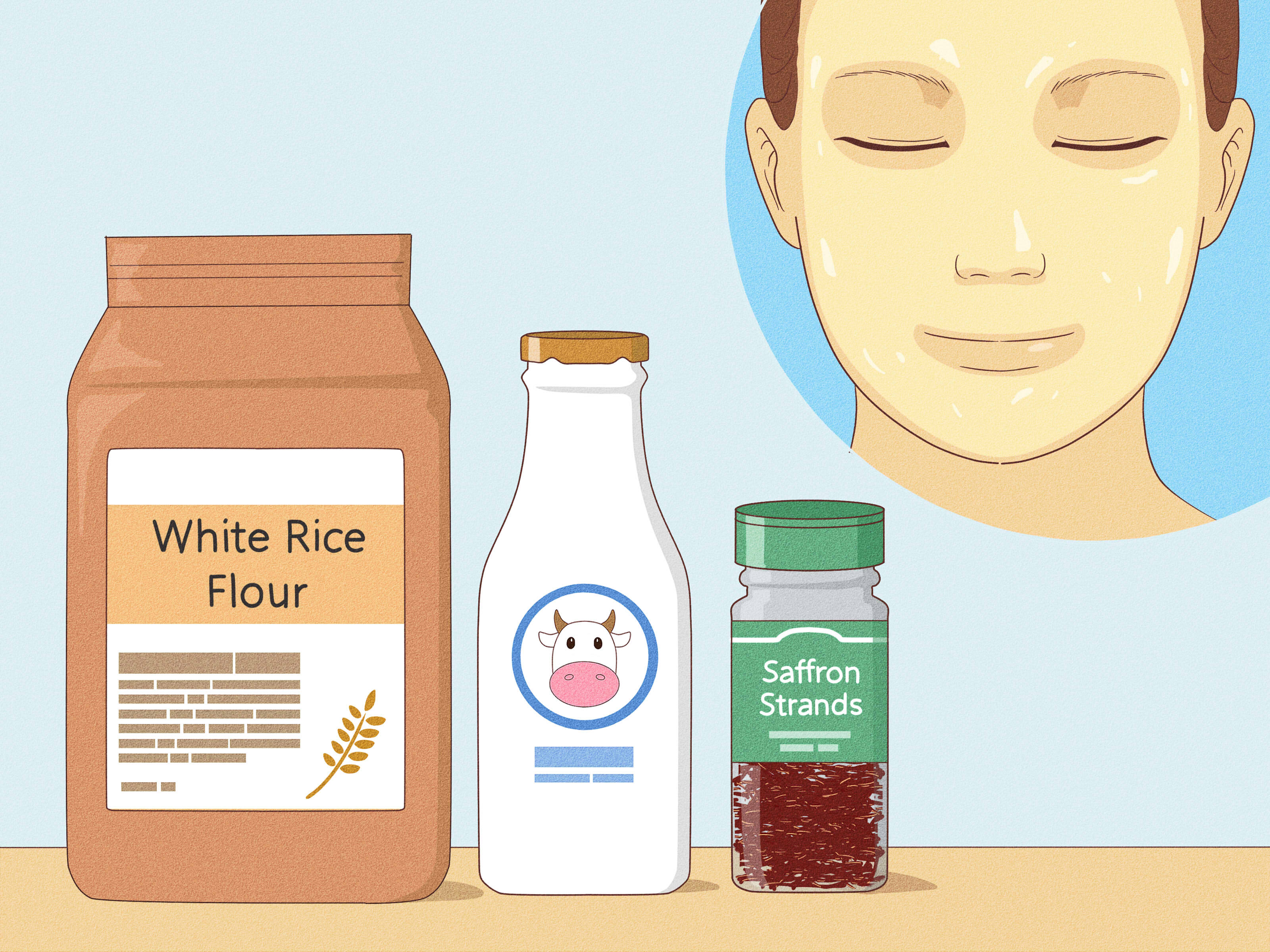
Let’s clear up one thing before we raid the kitchen like a beauty-obsessed raccoon: “whitening skin” should never mean erasing your natural skin tone. Healthy skin is not a paint swatch that needs upgrading. What most people actually want is brighter, smoother, more even-looking skinless dullness, fewer dark spots, softer sun tan lines, and a glow that says, “I sleep eight hours,” even if your phone history says otherwise.
At-home skin brightening works best when it focuses on three goals: protecting skin from new discoloration, calming inflammation, and gently supporting the skin barrier. Hyperpigmentation can appear after sun exposure, acne, irritation, hormones, or small injuries. That means the best natural remedies are not aggressive scrubs or dramatic “overnight whitening” tricks. They are consistent, gentle habits that help your skin behave like skinnot like a science fair volcano.
Below are 11 DIY and at-home remedies for naturally brighter-looking skin, plus practical safety tips, examples, and a realistic experience section so you know what to expect.
First: What Does “Naturally Whiten Skin” Really Mean?
In beauty search terms, people often use phrases like “naturally whiten skin,” “skin lightening at home,” or “DIY remedies for fair skin.” In real skin-care language, the safer and more accurate goal is brightening uneven skin tone. This means reducing the look of dark spots, post-acne marks, sun-related dullness, and patchy discoloration while keeping your natural complexion healthy.
Skin gets its color from melanin, a protective pigment. Melanin is not the villain. In fact, it helps defend your skin against ultraviolet damage. Trouble begins when melanin is produced unevenly, leaving dark patches, spots, or a dull surface. The mission is not to “delete” melanin. The mission is to help skin renew calmly, protect it from excess sun exposure, and avoid ingredients that cause irritation, because irritation can make discoloration worse.
Safety Rules Before Trying DIY Skin Brightening Remedies
Patch test like your face depends on itbecause it does
Before applying any home remedy to your face, test it on a small area near your jawline or inner arm. Wait 24 hours. If you notice burning, itching, swelling, rash, or angry redness, skip it. Your skin has spoken, and it is not accepting negotiations.
Avoid harsh “natural” ingredients
Natural does not always mean gentle. Lemon juice, baking soda, toothpaste, undiluted essential oils, hydrogen peroxide, and harsh sugar scrubs can irritate the skin. Lemon juice is especially popular online, but it can increase sensitivity and trigger irritation or sun reactions. If a remedy makes your face feel like it is auditioning for a hot sauce commercial, rinse it off immediately.
Never use unregulated bleaching creams
Some illegal or unapproved skin-lightening products may contain mercury, high-strength hydroquinone, or strong steroids. These can cause serious skin and health problems. If a product promises dramatic whitening in three days, treat it like a suspicious email from a “royal prince” asking for your bank details.
How to Naturally Whiten Skin at Home: 11 DIY Remedies
1. Daily Sunscreen: The Non-Negotiable Brightening Remedy
If you do only one thing for brighter skin, make it sunscreen. Sun exposure can deepen dark spots, worsen melasma, and undo weeks of careful skin care. Apply a broad-spectrum SPF 30 or higher every morning to your face, neck, ears, and any exposed skin. Reapply when outdoors, sweating, or swimming.
How to use it: Apply sunscreen as the last step of your morning routine. Use enough product to cover evenly, not a polite little dot that disappears before it reaches your forehead.
Why it helps: Sunscreen prevents new discoloration and protects fading marks from becoming darker. For pigment-prone skin, tinted mineral sunscreen with iron oxides may be especially helpful because it can also reduce visible-light effects that contribute to discoloration.
2. Aloe Vera Gel for Calm, Hydrated Skin
Aloe vera is a classic soothing ingredient because it hydrates, cools, and helps reduce the look of redness. It will not magically erase sun damage, but it can support a calmer skin barrier. Calm skin is important because irritated skin is more likely to develop post-inflammatory dark marks.
DIY method: Use pure aloe vera gel from a reputable product or carefully cleaned fresh aloe. Apply a thin layer to clean skin for 10 to 15 minutes, then rinse or leave on if your skin tolerates it well.
Best for: Dull, dry, slightly irritated, or sun-stressed skin.
Be careful: Fresh aloe can irritate some people. Patch test first, and avoid applying it to deep wounds or infected skin.
3. Oatmeal and Honey Soothing Mask
Oatmeal is famous for comforting dry, itchy skin, while honey has humectant properties, meaning it helps draw moisture to the skin. Together, they make a gentle mask for skin that looks dull because it is dry, flaky, or stressed.
DIY recipe: Mix 1 tablespoon finely ground oatmeal with 1 teaspoon honey and enough water to make a soft paste. Apply for 10 minutes, then rinse gently with lukewarm water.
Why it helps: Hydrated skin reflects light better, so it often looks brighter even before dark spots fade. Think of it as polishing a windownot replacing the whole house.
Best for: Dry, sensitive, or rough-textured skin.
4. Plain Yogurt Mask for Mild Exfoliation
Plain yogurt contains lactic acid, a gentle alpha hydroxy acid that can help loosen dead skin cells on the surface. When dead cells build up, the face can look gray, uneven, or tired. A mild yogurt mask can give skin a smoother, fresher appearance.
DIY recipe: Apply a thin layer of plain, unsweetened yogurt to clean skin for 5 to 8 minutes. Rinse well and moisturize.
Best for: Dull skin, rough texture, and mild uneven tone.
Be careful: Do not use flavored yogurt, sugary yogurt, or yogurt with fruit chunks. Your skin does not need a parfait. Avoid this mask if you are allergic or very sensitive to dairy.
5. Green Tea Compress for Antioxidant Support
Green tea contains polyphenols, which are antioxidant compounds studied for their skin-protective and soothing properties. A cooled green tea compress can help skin feel refreshed, especially after sun exposure or a long day outdoors.
DIY method: Brew one cup of green tea, let it cool completely, then soak a clean cotton pad or soft cloth in the tea. Press it gently onto the skin for 5 to 10 minutes.
Why it helps: Antioxidants support skin exposed to pollution, sunlight, and environmental stress. Green tea will not bleach skin, but it may help skin look calmer and less tired.
Best for: Oily, combination, or redness-prone skin.
6. Turmeric Brightening MaskUsed Carefully
Turmeric contains curcumin, a compound known for antioxidant and anti-inflammatory properties. It is often used in traditional beauty routines to create a brighter-looking complexion. The catch? Turmeric can stain. Your goal is glow, not “accidentally became a highlighter pen.”
DIY recipe: Mix a tiny pinch of turmeric with 1 tablespoon plain yogurt or honey. Apply for 5 minutes only, then rinse thoroughly. Use once a week at most.
Best for: Dullness and uneven tone in skin that is not easily irritated.
Be careful: Patch test first. Avoid turmeric masks before an important event unless you enjoy explaining why your face is slightly golden during dinner.
7. Rice Water Rinse for a Soft, Fresh Finish
Rice water is used in many traditional beauty routines for a smoother, softer feel. While it should not be treated as a miracle whitening solution, it can be a gentle rinse that leaves skin feeling refreshed.
DIY method: Rinse uncooked rice, then soak 2 tablespoons of clean rice in 1 cup of water for 30 minutes. Strain the water and apply it with a cotton pad after cleansing. Rinse after 10 minutes.
Best for: Normal to oily skin that tolerates light, watery treatments.
Be careful: Make fresh rice water each time or store it in the refrigerator for no more than 24 hours. If it smells sour or strange, throw it away. Your face is not a fermentation experiment.
8. Cucumber and Aloe Cooling Gel
Cucumber is mostly water, which makes it cooling and refreshing. Combined with aloe vera, it can help skin feel hydrated and soothed. This remedy is less about changing pigment and more about reducing the dull, tired look that comes from dryness and heat.
DIY recipe: Blend a few slices of peeled cucumber, strain the juice, and mix it with 1 teaspoon aloe vera gel. Apply for 10 minutes, then rinse.
Best for: Puffy, warm, tired-looking skin.
Extra tip: Keep the mixture cool, not frozen. Frozen skin care may feel dramatic, but your skin barrier prefers kindness over theatrics.
9. Licorice Root Toner for Dark-Spot Care
Licorice extract is one of the more promising botanical ingredients used in brightening products. It is often included in formulas designed for uneven tone and dark spots. At home, you can use an alcohol-free licorice-root skin product or a very mild cooled licorice tea compress.
DIY method: Brew licorice root tea, cool it fully, and apply a small amount with a cotton pad. Leave on for 5 minutes the first time, then rinse. Use only if your skin tolerates it.
Best for: Uneven tone and post-acne marks.
Be careful: Do not use sticky, sugary licorice candy or fragranced extracts. This is skin care, not dessert diplomacy.
10. Soy Milk Compress for Gentle Tone Support
Soy-derived ingredients are used in some skin-care products for uneven tone. A simple unsweetened soy milk compress may offer a gentle, hydrating option, although formulated products are more reliable than kitchen versions.
DIY method: Soak a cotton pad in plain, unsweetened soy milk. Apply to clean skin for 5 to 10 minutes, then rinse.
Best for: Normal or dry skin with mild dullness.
Be careful: Avoid this remedy if you have a soy allergy. Always rinse afterward and moisturize.
11. Vitamin C the Smart Way: Food Plus Skin-Safe Products
Vitamin C is strongly associated with brighter-looking skin because it supports collagen and helps improve the appearance of uneven tone. However, rubbing citrus juice on your face is not the smart way to get it. Lemon juice can irritate skin and increase sun sensitivity.
At-home method: Eat vitamin C-rich foods such as oranges, strawberries, kiwi, bell peppers, and broccoli. For topical use, choose a properly formulated vitamin C serum rather than homemade citrus mixtures.
Best for: Dullness, early signs of sun damage, and uneven-looking tone.
Be careful: Vitamin C serums can sting sensitive skin. Start slowly, use sunscreen every morning, and stop if irritation continues.
A Simple Weekly DIY Brightening Routine
Morning routine
Cleanse gently, apply a lightweight moisturizer if needed, then use broad-spectrum sunscreen. If your skin tolerates vitamin C serum, apply it before moisturizer and sunscreen. The sunscreen step is the boss. Everything else is staff.
Evening routine
Cleanse, moisturize, and use one gentle remedy two or three nights per week. For example, try aloe on Monday, oatmeal-honey on Wednesday, and green tea on Friday. Do not stack five masks in one night. Your skin is not a buffet plate.
Weekly treatment idea
Use the yogurt mask or turmeric mask once weekly, not daily. Overdoing exfoliating or brightening remedies can cause irritation, and irritation can lead to more dark marksthe exact opposite of the plan.
Ingredients to Avoid for Skin Whitening at Home
Some viral remedies are popular because they sound cheap and dramatic. Unfortunately, dramatic skin care often comes with dramatic regret. Avoid lemon juice, lime juice, baking soda, toothpaste, bleach, hydrogen peroxide, undiluted apple cider vinegar, and abrasive scrubs. These can damage the skin barrier, cause burns, worsen sensitivity, or trigger more pigmentation.
Also avoid any cream that hides its ingredient list, promises instant whitening, or is sold as a secret imported formula with no safety information. Skin brightening should be slow, boring, and safe. If the product sounds like it was marketed by a magician in a trench coat, step away.
How Long Do Natural Remedies Take to Work?
Natural skin brightening takes patience. Hydration and smoothness may improve within a few days, but dark spots usually take weeks to months to fade. Post-acne marks, sun spots, and melasma can be stubborn. Consistent sunscreen is what keeps your progress from sliding backward.
If discoloration is sudden, spreading, painful, itchy, or changing shape, see a dermatologist. Also get professional advice if you suspect melasma, deep acne scarring, or pigmentation caused by medication or hormonal changes. Home remedies can support skin, but they cannot diagnose medical conditions.
Experiences: What It Is Really Like to Try Natural Skin Brightening at Home
Most people begin their at-home brightening journey with heroic enthusiasm. Day one usually looks like this: sunscreen, aloe, green tea, oatmeal, yogurt, and a suspicious amount of mirror-checking. By day two, reality enters wearing sweatpants. The skin may feel softer, but the dark spot on the cheek is still there, acting like it pays rent. This is normal.
The first noticeable improvement from DIY remedies is usually not “whiter” skin. It is smoother texture. When the skin barrier is hydrated and calm, the face reflects light more evenly. That fresh look can make the complexion appear brighter before pigmentation actually changes. This is why oatmeal, aloe, honey, and moisturizer can feel surprisingly rewarding. They do not bleach anything; they help the surface look less tired.
Another common experience is discovering that less is more. People often assume that if one mask is good, three masks must be legendary. In practice, too many remedies cause redness, tiny bumps, dryness, or stinging. Once irritation appears, dark marks may look worse. The winning routine is usually boring: gentle cleanser, moisturizer, sunscreen, and one mild treatment a few times a week. Boring skin care is underrated. It is the reliable friend who brings snacks and never starts drama.
For acne marks, patience is everything. A brown or red post-breakout mark may fade slowly, especially on medium to deep skin tones. Sunscreen makes the biggest difference because unprotected sun exposure can keep marks darker for longer. Many people notice that once they apply sunscreen dailynot just at the beach, not just when the weather app says “sunny,” but dailytheir dark spots finally stop getting worse.
DIY masks also teach you what your skin dislikes. Some people love yogurt masks; others find them tingly or irritating. Some enjoy turmeric; others spend the evening trying to remove a yellow tint from their eyebrows. Some people can use green tea compresses daily, while others prefer aloe only. The best remedy is the one your skin tolerates consistently.
A practical experience tip is to take one photo every two weeks in the same lighting. Do not judge progress every hour. Bathroom lighting lies, car mirrors are rude, and front cameras enjoy emotional sabotage. A simple photo record helps you see gradual changes in tone, texture, and brightness.
Finally, the emotional side matters. Wanting even, glowing skin is completely normal. But your natural skin color does not need fixing. The healthiest goal is not to become several shades lighter; it is to have skin that feels comfortable, protected, and cared for. When you treat brightening as skin health instead of skin replacement, the whole routine becomes kinderand much more effective.
Conclusion
Learning how to naturally whiten skin at home is really about learning how to brighten and even your complexion safely. The best DIY remedies are gentle, consistent, and barrier-friendly: sunscreen, aloe vera, oatmeal, honey, yogurt, green tea, turmeric, rice water, cucumber, licorice root, soy, and smart vitamin C habits. None of these should promise instant transformation, and none should burn, sting, or peel your face into submission.
For the best results, protect your skin from the sun every day, patch test every new remedy, moisturize generously, and avoid harsh viral hacks. If dark spots are severe, persistent, or connected to acne, hormones, or melasma, a dermatologist can help you choose safe, evidence-based treatments. Glowing skin is a long gamebut luckily, it is a game you can play at home without turning your kitchen into a questionable chemistry lab.