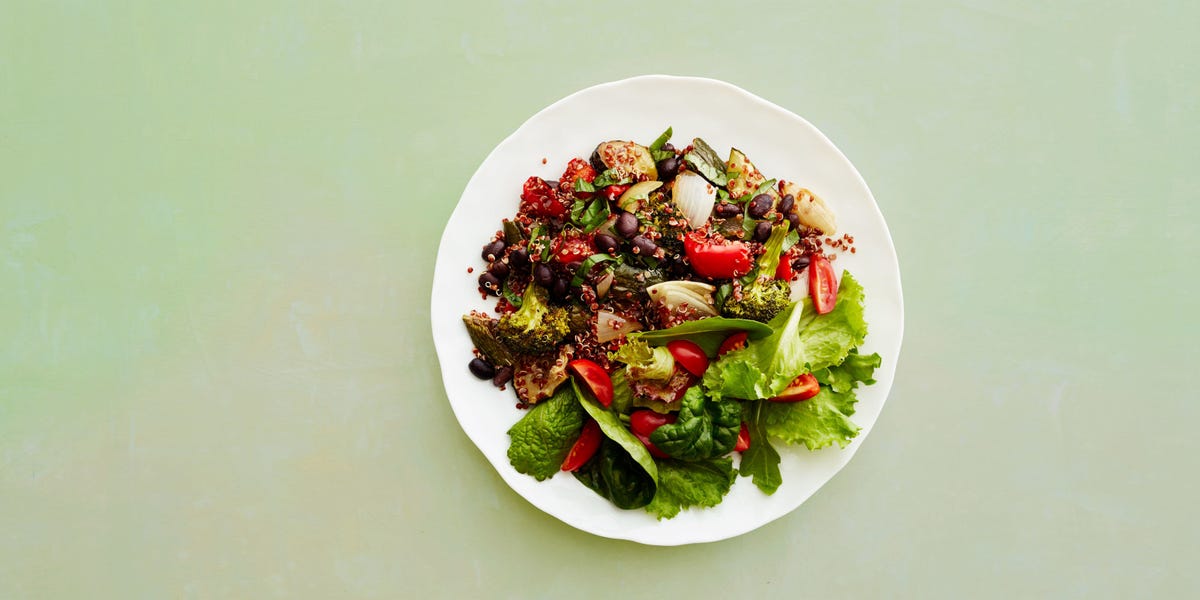
If dinner had a “clean out the fridge but still look impressively put-together” award, quinoa and veggies would walk up to the podium with a tiny crown made of parsley. This colorful, hearty, and surprisingly flexible dish is the kind of meal that works on a Tuesday night, in a meal-prep container, beside grilled chicken, under a fried egg, or straight from the skillet when nobody is watching.
The best quinoa and veggies recipe is simple: cook fluffy quinoa, sauté or roast fresh vegetables, season everything generously, and finish with brightness from lemon, herbs, or a quick sauce. The magic is not in complicated chef tricks. It is in balance: tender grains, crisp-tender vegetables, enough fat to carry flavor, enough acid to wake everything up, and enough seasoning so the quinoa does not taste like it is quietly apologizing for being healthy.
In this guide, you will learn how to make quinoa and veggies from scratch, how to avoid mushy quinoa, which vegetables work best, how to season the dish, and how to store leftovers safely. You will also find practical cooking experience at the end, including real-life tips for fixing bland quinoa, rescuing overcooked vegetables, and turning leftovers into a second meal that does not feel like punishment.
Why Quinoa and Veggies Deserve a Regular Spot on Your Table
Quinoa is often treated like a grain, but it is technically a seed. In the kitchen, however, it behaves like a very cooperative grain: it cooks quickly, absorbs flavor well, and works in warm bowls, cold salads, soups, wraps, and side dishes. It is naturally gluten-free and offers plant-based protein, fiber, and minerals, which makes it a smart foundation for balanced meals.
Vegetables bring the color, crunch, sweetness, and nutritional variety. When you combine quinoa with bell peppers, zucchini, carrots, broccoli, onions, mushrooms, spinach, or tomatoes, you get a dish that is filling without being heavy. It is also endlessly customizable. Mediterranean? Add lemon, cucumber, olives, parsley, and feta. Southwest? Add corn, black beans, lime, cumin, and avocado. Cozy fall bowl? Try roasted sweet potatoes, Brussels sprouts, mushrooms, and thyme.
This recipe is designed as a dependable base. Once you master it, you can remix it more often than a pop song in a grocery store.
Best Quinoa and Veggies Recipe
Recipe Overview
- Prep time: 15 minutes
- Cook time: 25 minutes
- Total time: About 40 minutes
- Servings: 4
- Best for: Healthy dinner, meal prep, lunch bowls, vegetarian side dish
Ingredients
- 1 cup uncooked quinoa, white, red, black, or tricolor
- 2 cups low-sodium vegetable broth or water
- 2 tablespoons olive oil, divided
- 1 small yellow onion, diced
- 2 cloves garlic, minced
- 1 red bell pepper, diced
- 1 medium zucchini, chopped
- 1 cup broccoli florets, cut small
- 1 medium carrot, thinly sliced or diced
- 1 cup cherry tomatoes, halved
- 1 cup baby spinach or chopped kale
- 1 teaspoon kosher salt, divided, plus more to taste
- 1/2 teaspoon black pepper
- 1 teaspoon ground cumin or Italian seasoning
- 1/2 teaspoon smoked paprika, optional
- 1 tablespoon fresh lemon juice
- 1/4 cup chopped parsley, basil, or cilantro
- Optional toppings: feta, avocado, toasted almonds, chickpeas, pumpkin seeds, or a spoonful of hummus
Step 1: Rinse the Quinoa
Place the quinoa in a fine-mesh strainer and rinse it under cool running water for 20 to 30 seconds. Quinoa can have a natural coating called saponin, which may taste bitter or soapy. Many packaged brands are pre-rinsed, but a quick rinse is cheap insurance. Nobody wants dinner with a side of bubble bath energy.
Step 2: Cook the Quinoa Until Fluffy
Add the rinsed quinoa, broth or water, 1/4 teaspoon salt, and 1 teaspoon olive oil to a medium saucepan. Bring to a boil over medium-high heat. Once boiling, reduce the heat to low, cover, and simmer for 15 minutes, or until the liquid is absorbed.
Remove the pan from the heat and let the quinoa rest, covered, for 5 minutes. Then fluff it with a fork. This resting step matters because it allows the grains to finish steaming and separate beautifully. Skip it, and the quinoa may clump like it is trying to form a tiny grain union.
Step 3: Sauté the Vegetables
While the quinoa cooks, heat the remaining olive oil in a large skillet over medium heat. Add the onion and carrot first because they need a little more time. Cook for 3 to 4 minutes, stirring occasionally, until the onion begins to soften.
Add the garlic, bell pepper, broccoli, zucchini, black pepper, cumin or Italian seasoning, smoked paprika, and remaining salt. Cook for 6 to 8 minutes, stirring often, until the vegetables are crisp-tender. They should still have personality, not surrender completely into mush.
Step 4: Add Tomatoes and Greens
Stir in the cherry tomatoes and spinach or kale. Cook for 2 to 3 minutes, just until the tomatoes soften slightly and the greens wilt. If the skillet looks dry, add a splash of broth or water to help everything come together.
Step 5: Combine, Brighten, and Serve
Add the cooked quinoa to the skillet and toss gently with the vegetables. Stir in lemon juice and fresh herbs. Taste and adjust the seasoning. You may need another pinch of salt, more lemon, a drizzle of olive oil, or a little extra pepper.
Serve warm as a main dish or side. For a more filling quinoa veggie bowl, top it with chickpeas, grilled chicken, salmon, tofu, feta, avocado, or toasted nuts. The bowl is yours. Decorate it like you pay rent there.
How to Make Quinoa Taste Better
Quinoa has a mild, earthy flavor, which is both a gift and a challenge. It will not overpower your vegetables, but it also needs help. Cooking quinoa in vegetable broth instead of plain water instantly adds depth. Toasting dry quinoa in a saucepan for 2 to 3 minutes before adding liquid can create a nuttier flavor. Just keep the heat moderate and stir often so it does not burn.
Seasoning also matters. Salt the cooking liquid, then season again after combining the quinoa with vegetables. Finish with lemon juice, vinegar, herbs, or a creamy sauce. Healthy food should not taste like homework. A final splash of acid is often the difference between “pretty good” and “wait, who made this?”
Best Vegetables for Quinoa
The best vegetables for quinoa are the ones that offer contrast. Soft zucchini pairs well with crunchy carrots. Sweet bell peppers balance earthy broccoli. Juicy tomatoes brighten the dish, while spinach folds in easily at the end. You can also use mushrooms for savory depth, corn for sweetness, cauliflower for bulk, asparagus for spring flavor, or roasted sweet potatoes for a heartier bowl.
Quick-Cooking Vegetables
Use zucchini, spinach, kale, cherry tomatoes, peas, corn, asparagus, mushrooms, or bell peppers when you want a fast stovetop quinoa and veggies recipe. These cook quickly and do not require the oven.
Best Roasted Vegetables
For deeper flavor, roast vegetables at 425 degrees Fahrenheit. Broccoli, cauliflower, carrots, Brussels sprouts, sweet potatoes, red onion, and butternut squash all roast beautifully. Cut the vegetables into similar-sized pieces, toss with oil and seasoning, spread them in a single layer, and roast until browned and tender. Crowding the pan traps steam, and steamed vegetables are fine, but roasted vegetables are where the applause happens.
Flavor Variations for Quinoa and Veggies
Mediterranean Quinoa and Veggies
Use cucumber, tomato, spinach, red onion, chickpeas, parsley, lemon juice, olive oil, olives, and feta. Add a spoonful of hummus or Greek yogurt sauce for a creamy finish.
Southwest Quinoa and Veggies
Use bell peppers, corn, black beans, tomatoes, avocado, cilantro, lime juice, cumin, chili powder, and smoked paprika. Top with salsa or a drizzle of chipotle yogurt sauce.
Asian-Inspired Quinoa and Veggies
Use broccoli, carrots, edamame, mushrooms, cabbage, scallions, ginger, garlic, sesame oil, and a small splash of low-sodium soy sauce or tamari. Finish with sesame seeds and lime.
Fall Harvest Quinoa Bowl
Use roasted sweet potatoes, Brussels sprouts, mushrooms, kale, cranberries, pecans, thyme, and a maple-Dijon dressing. This version tastes like sweater weather decided to become dinner.
Common Mistakes to Avoid
Using Too Much Water
A common reason quinoa turns mushy is too much liquid. The classic stovetop ratio is 1 cup quinoa to 2 cups water or broth. After cooking, let it rest off the heat and fluff it with a fork instead of stirring aggressively.
Skipping the Seasoning
Quinoa needs seasoning at more than one stage. Salt the liquid, season the vegetables, and taste again after combining. Layers of flavor make the dish feel complete.
Overcooking the Vegetables
Vegetables should be tender but not limp. Add firmer vegetables first and quick-cooking vegetables later. Spinach, herbs, and fresh tomatoes should go in near the end.
Forgetting Acid
Lemon juice, lime juice, or vinegar makes quinoa and vegetables taste brighter. Without acid, the dish can feel flat, even if it is technically seasoned.
How to Store and Reheat Quinoa and Veggies
Let leftovers cool, then transfer them to airtight containers. Store in the refrigerator for up to 3 to 4 days. For best texture, keep creamy sauces, avocado, and delicate herbs separate until serving.
To reheat, add the quinoa and veggies to a skillet with a splash of water or broth. Warm over medium heat, stirring gently. You can also microwave it in 30-second intervals, stirring between rounds. Add fresh lemon juice or herbs after reheating to revive the flavor.
You can freeze quinoa and cooked vegetables, but softer vegetables like zucchini may become watery after thawing. For freezer-friendly meal prep, use sturdier vegetables such as carrots, broccoli, cauliflower, corn, peas, or roasted sweet potatoes.
What to Serve with Quinoa and Veggies
This dish can stand alone, but it also plays well with others. Serve it with grilled chicken, baked salmon, turkey meatballs, tofu, shrimp, fried eggs, or roasted chickpeas. For a vegetarian dinner, add beans, lentils, edamame, feta, nuts, or seeds for extra protein and texture.
If you want a lighter meal, serve quinoa and veggies over greens with a lemon vinaigrette. If you want comfort, add a creamy tahini sauce, pesto, or a little shredded cheese. For lunch boxes, pack it with hummus, cucumber slices, and pita wedges.
Nutrition Benefits of Quinoa and Vegetables
Quinoa offers plant-based protein and fiber, while vegetables add vitamins, minerals, antioxidants, water, and volume. Together, they create a meal that is satisfying without relying on heavy ingredients. Because quinoa is naturally gluten-free, it can also be useful for people who avoid gluten, as long as all added ingredients are gluten-free as well.
Another advantage is flexibility. You can reduce sodium by using low-sodium broth, increase protein with beans or tofu, add healthy fats with avocado or olive oil, or boost fiber with extra vegetables. This is not one of those recipes that panics when you make substitutions. It adapts politely.
of Cooking Experience: Real-Life Tips for Better Quinoa and Veggies
After making quinoa and veggies many different ways, the biggest lesson is simple: the recipe improves when you stop treating quinoa like a background ingredient. Plain quinoa can be bland, but well-cooked quinoa is like a good supporting actor. It does not steal the scene, but it makes everything around it better. The first trick is cooking it in broth. Water works, but broth gives the quinoa a savory base before the vegetables even enter the skillet.
The second lesson is to respect timing. Not all vegetables cook at the same speed. Carrots, onions, broccoli, cauliflower, and sweet potatoes need more time. Zucchini, spinach, tomatoes, peas, and herbs need less. If you throw everything into the pan at once, the delicate vegetables collapse before the firm ones are ready. It is the culinary version of inviting sprinters and marathon runners to the same race and acting surprised when chaos happens.
For stovetop quinoa and veggies, I like starting with onion and carrot because they build sweetness. Then I add garlic, spices, and the vegetables that need moderate cooking, such as broccoli, bell pepper, mushrooms, or zucchini. Greens go in last. This order keeps the dish colorful and prevents the skillet from becoming a soft vegetable blanket.
Another useful experience: do not be shy with finishing ingredients. A bowl of quinoa and vegetables can taste “healthy” in a boring way until you add lemon juice, herbs, toasted nuts, feta, avocado, or a good sauce. Lemon makes the flavors sharper. Herbs make everything fresher. Toasted seeds or nuts add crunch. Feta adds salt and creaminess. A tahini dressing turns the whole thing into a restaurant-style bowl with almost no effort.
If your quinoa turns out mushy, spread it on a plate or baking sheet for a few minutes so steam can escape. Then fold it into the vegetables gently instead of stirring hard. If it tastes bland, add salt, lemon, and a drizzle of olive oil. If the vegetables are overcooked, rescue the texture with something crisp, such as chopped cucumber, toasted almonds, pumpkin seeds, or fresh cabbage.
For meal prep, quinoa and veggies are especially useful because they can become several meals. On day one, serve them warm with chicken or tofu. On day two, eat them cold as a salad with extra lemon dressing. On day three, stuff them into a wrap with hummus and greens. You can also add an egg on top and call it breakfast. Quinoa is not judgmental.
The final experience is that the best quinoa and veggies recipe is not one fixed formula. It is a method. Cook the quinoa well, prepare the vegetables with attention, season in layers, finish with brightness, and add texture. Once you understand that rhythm, you can make the dish with whatever is in season, whatever is in the fridge, or whatever vegetable is currently staring at you from the crisper drawer asking for purpose.
Conclusion
Learning how to make quinoa and veggies gives you a reliable, healthy, and flexible recipe you can use all year. Start with fluffy quinoa, add colorful vegetables, season generously, and finish with lemon and herbs. From Mediterranean bowls to Southwest meal prep, this dish can shift flavors easily while staying simple enough for a weeknight dinner.
The best quinoa and veggies recipe is not complicated. It is practical, nourishing, and forgiving. It lets you use what you have, eat more vegetables, and still enjoy a meal that tastes bright and satisfying. In other words, it is the rare healthy recipe that does not act like fun has been banned from the kitchen.
Note: This article is based on widely accepted cooking practices, nutrition guidance, and food safety recommendations from reputable U.S. culinary, health, and government resources. It is written for general informational and recipe purposes.