Getting your nose pierced can feel like a tiny rite of passage: one small sparkle, one big personality upgrade, and suddenly your mirror selfies have more plot. But before you march into the nearest studio and point confidently at your nostril, it helps to know what actually happens, how to choose a safe piercer, what jewelry to pick, and how to avoid turning your cute new piercing into a grumpy red drama queen.
This guide explains how to get your nose pierced the smart wayfrom choosing between a nostril, septum, or high nostril piercing to understanding pain, healing time, aftercare, risks, and real-life lessons. The goal is not to scare you. It is to make sure your new nose piercing heals beautifully, looks intentional, and does not become the reason you suddenly learn five new words for “infection.”
What Is a Nose Piercing?
A nose piercing is a body piercing placed through part of the nose, most commonly the nostril or septum. It is done by a professional piercer using sterile, single-use equipment and body-safe jewelry. Unlike a clip-on ring or fake stud, a real nose piercing creates a channel through tissue, so it needs careful aftercare while your body heals around the jewelry.
The most popular option is the nostril piercing, usually placed on the side of the nose where jewelry sits comfortably and flatters the face. Septum piercings go through the soft tissue below the cartilage between the nostrils. High nostril piercings sit higher on the nose and often require more precise placement and longer healing patience.
Step 1: Decide Which Nose Piercing You Want
Nostril Piercing
A nostril piercing is the classic choice. It works with small studs, flat-back labrets, nose screws, and, after healing, hoops. It is usually beginner-friendly because the placement is visible, stylish, and relatively easy to clean.
Septum Piercing
A septum piercing is placed through the “sweet spot,” the thin tissue beneath the septum cartilage. When done correctly, it should not go through thick cartilage. Septum jewelry can be bold or subtle, and some retainers can be flipped up once the piercing is healed enough and your piercer says it is safe.
High Nostril Piercing
High nostril piercings look elegant and editorial, but they can be trickier. They may be harder to clean, more difficult to change, and slower to calm down if irritated. If this is your first piercing, ask your piercer whether your anatomy and lifestyle make it a good choice.
Step 2: Choose a Professional Piercing Studio
The most important part of getting your nose pierced is choosing the right piercer. A pretty Instagram portfolio is nice, but sterile technique matters more than moody lighting and a velvet couch in the waiting room. Look for a clean, licensed studio with a piercer who answers questions clearly and does not rush you.
A good studio should use sterile, single-use needles, sterile jewelry, gloves, and proper sharps disposal. The piercer should wash their hands, put on gloves, open sterile packages in front of you, and change gloves if they touch non-sterile surfaces. If the setup looks casual in the “we found this needle in a drawer” kind of way, leave. Your nose deserves better.
Before booking, ask these questions:
- Are you licensed according to local requirements?
- Do you use sterile single-use needles?
- Is the jewelry implant-grade titanium, solid gold, niobium, or another safe material for initial piercings?
- Can you explain the placement and aftercare?
- What should I do if swelling, bumps, or irritation happen?
If the piercer seems annoyed by basic safety questions, that is your answer. A professional piercer should welcome informed clients. The best piercers know that trust is part of the service.
Step 3: Understand Age, ID, and Consent Rules
Nose piercing rules vary by state, city, and studio. In many parts of the United States, minors need a parent or legal guardian present, written consent, and valid identification for both the minor and guardian. Some studios set stricter rules than local law, especially for facial piercings.
Adults should bring a government-issued photo ID. Minors should contact the studio before showing up, because requirements may include birth certificates, guardianship documents, notarized forms, or specific age minimums. Nothing kills the piercing-day vibe faster than arriving excited and leaving because the paperwork was not paperworking.
Step 4: Pick Safe Starter Jewelry
Starter jewelry matters because your piercing is healing around it. The wrong material, shape, or size can cause irritation, swelling, bumps, allergic reactions, or migration. For a fresh nose piercing, many professionals recommend implant-grade titanium because it is lightweight, durable, and widely tolerated. Other appropriate options may include niobium, platinum, or solid 14k or 18k gold that is suitable for body jewelry.
Avoid cheap mystery metal, gold-plated jewelry, sterling silver, and anything with rough edges or questionable coatings. Nickel is a common trigger for allergic reactions, and plated jewelry can wear down, exposing irritating base metals underneath. Your nose is not the place to test a bargain-bin sparkle experiment.
For new nostril piercings, a flat-back labret stud is often a comfortable starter option because it sits securely and reduces movement. Hoops are popular, but many piercers prefer to wait until the piercing is healed before switching to a ring, because hoops move more and can create irritation during healing.
Step 5: Prepare Before Your Appointment
Preparation is simple but important. Eat a real meal beforehand so you do not arrive lightheaded. Drink water. Avoid alcohol or recreational substances before your appointment; a reputable piercer should not pierce anyone who appears intoxicated. Wear comfortable clothing and avoid heavy makeup around the nose if possible.
If you have health conditions that affect healing, such as uncontrolled diabetes, immune suppression, bleeding disorders, or a history of keloids, talk with a healthcare professional before getting pierced. If you have a known metal allergy, tell your piercer before choosing jewelry.
Step 6: Know What Happens During the Nose Piercing
At the appointment, your piercer will usually discuss placement, check your anatomy, clean the area, mark the spot, and let you approve the placement in a mirror. Take your time here. A millimeter can change the look, especially with nostril piercings. If the dot looks too high, too low, or too far forward, say something before the needle appears.
Once you approve the mark, the piercer will prepare sterile tools and jewelry. The piercing itself is quick. You may feel pressure, a sharp pinch, watery eyes, or the dramatic betrayal of one single nostril tear. That tear is normal; it does not mean you are emotionally devastated. Your nose simply has opinions.
After the needle passes through, the piercer inserts the jewelry, checks placement, cleans the area again, and explains aftercare. Do not leave without written or digital aftercare instructions. You want clear guidance for cleaning, swelling, downsizing, and warning signs.
Does Getting Your Nose Pierced Hurt?
Yes, but usually briefly. Most people describe a nostril piercing as a quick pinch with pressure. Septum pain varies depending on whether the piercer hits the correct sweet spot. A well-placed septum piercing is often less painful than expected, while an incorrectly placed one can be much more uncomfortable.
Pain depends on your anatomy, stress level, sleep, hydration, and pain tolerance. The good news is that the intense part usually lasts seconds. The longer challenge is healing, not the piercing moment itself.
How Long Does a Nose Piercing Take to Heal?
Healing time varies, but general estimates are useful:
- Nostril piercing: often several months, commonly around 4 to 6 months.
- Septum piercing: often around 2 to 3 months for initial healing, though complete settling can take longer.
- High nostril piercing: often longer, sometimes 6 months or more.
Remember that a piercing can look healed before it is actually healed. The outside may appear calm while the inside channel is still fragile. Do not change jewelry early just because the piercing looks cute and cooperative for one week. Piercings are sneaky like that.
Nose Piercing Aftercare: How to Clean It Properly
Good aftercare is mostly about being clean, gentle, and consistent. Wash your hands before touching the piercing. Clean it with sterile saline solution, usually twice a day, unless your piercer gives different instructions. Look for a simple sterile saline spray with 0.9% sodium chloride and purified water only.
Spray the piercing, let crust soften, and gently dry with clean gauze or a disposable paper product. Avoid cotton fibers that may snag. Do not twist, spin, or rotate the jewelry. That old advice refuses to retire, but modern piercing aftercare generally recommends leaving the jewelry alone unless cleaning requires light handling.
What Not to Use on a New Nose Piercing
Avoid rubbing alcohol, hydrogen peroxide, harsh antibacterial soaps, iodine, strong homemade salt mixtures, ointments unless recommended by a healthcare professional, and random internet potions. Too much cleaning can irritate the piercing and slow healing. Your goal is not to disinfect your nose into another dimension; it is to support normal wound healing.
What to Avoid While Your Nose Piercing Heals
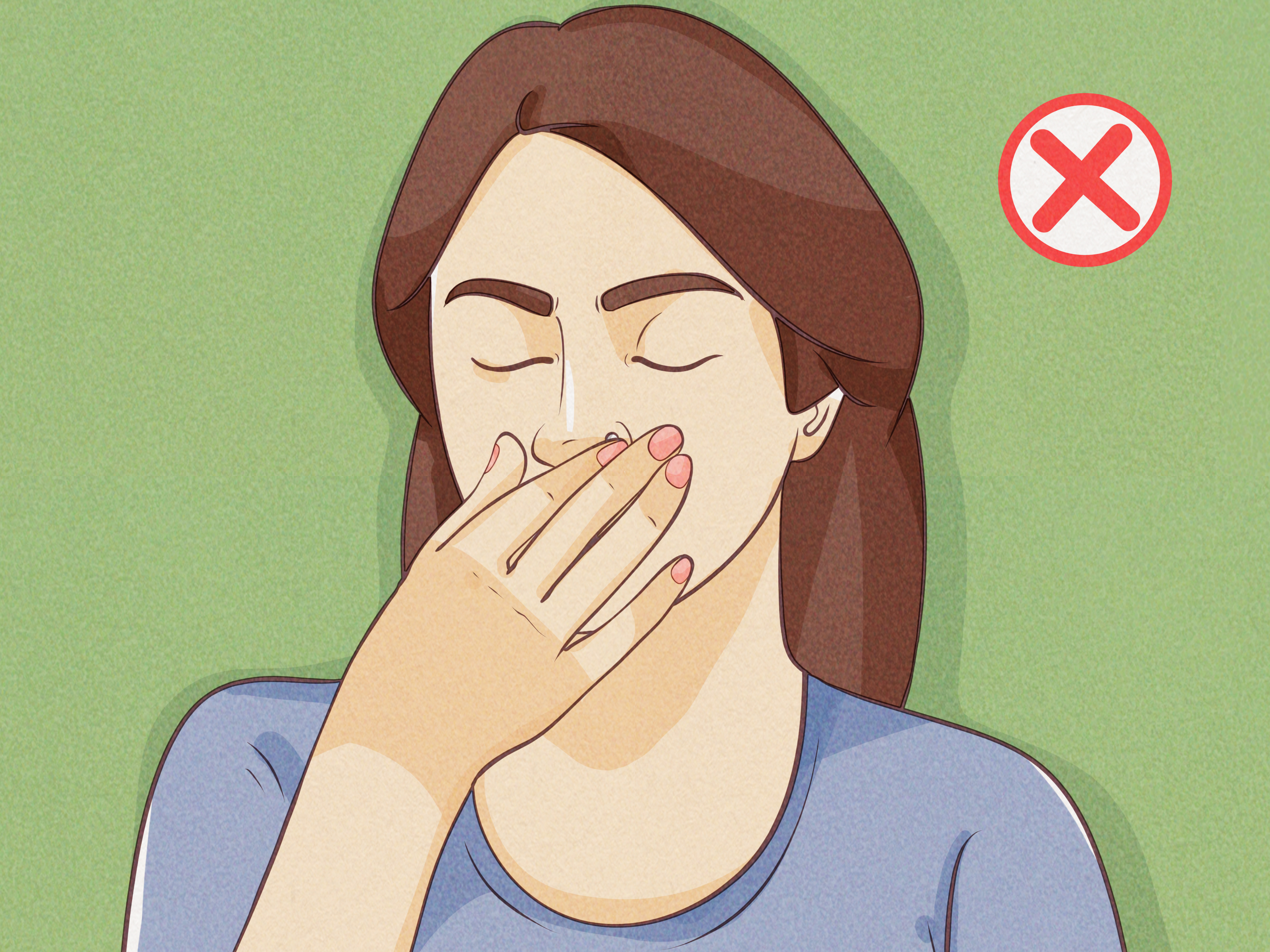
During healing, avoid touching the piercing with unwashed hands, sleeping directly on it, snagging it on towels, applying makeup over it, or changing jewelry too soon. Be careful with face wash, sunscreen, foundation, masks, and skincare products. Keep hair products and sprays away from the area.
Swimming is another concern. Pools, hot tubs, lakes, oceans, and rivers can expose a fresh piercing to bacteria. If you are planning a beach vacation, get pierced after the trip, not two days before it. A new piercing plus saltwater, sunscreen, sweat, and vacation chaos is not the relaxing aesthetic you think it is.
Common Nose Piercing Problems
Swelling and Tenderness
Some swelling, redness, tenderness, and clear fluid are normal early on. These symptoms should gradually improve. If swelling increases, becomes hot, or is paired with worsening pain, it may be time to contact your piercer or a healthcare provider.
Piercing Bumps
Nose piercing bumps are common and often caused by irritation, movement, pressure, jewelry angle, poor jewelry quality, or over-cleaning. Do not pick at bumps or attack them with harsh products. Instead, return to simple saline care and ask a professional piercer to evaluate jewelry fit and placement.
Infection
Signs of infection may include increasing redness, warmth, swelling, pain, thick yellow or green discharge, or symptoms that improve and then suddenly worsen. If you suspect infection, contact a healthcare provider. Do not remove the jewelry unless a medical professional tells you to do so, because removing it too soon can trap infection inside.
Allergic Reaction
Allergic reactions can look itchy, rashy, red, or irritated. Nickel is a common culprit. If the problem is jewelry-related, switching to a body-safe material may help, but let a professional evaluate it first.
When Should You Go Back to the Piercer?
You should return to your piercer if the jewelry feels too tight, the post is sinking into the skin, the angle looks strange, a bump appears, or you want to change jewelry before the piercing is fully healed. Many nostril piercings need downsizing after initial swelling goes down. Downsizing means switching to a shorter post so the jewelry fits better and moves less.
Do not try to force jewelry in or out at home during healing. Nose piercing channels can close quickly, and rough handling can tear tissue. If your jewelry falls out, contact your piercer quickly for help.
How Much Does a Nose Piercing Cost?
Prices vary by studio, city, jewelry quality, and piercing type. A basic nostril piercing with safe starter jewelry may cost less than a more complex high nostril or custom jewelry setup. Do not choose the cheapest option just because it saves a few dollars. With body piercing, the price should reflect sterile equipment, professional training, safe jewelry, and proper aftercare support.
If one studio is dramatically cheaper than every reputable studio nearby, ask why. Your nose is front-and-center real estate. Treat it like a luxury apartment, not a storage shed.
Can You Pierce Your Nose at Home?
No, you should not pierce your nose at home. DIY piercing increases the risk of infection, poor placement, scarring, jewelry problems, and unnecessary pain. Sewing needles, piercing kits, safety pins, and “my friend watched a video” energy are not substitutes for professional sterile technique.
A professional piercer understands anatomy, jewelry sizing, sterile setup, and how to reduce trauma. If you want a nose piercing, book a reputable studio. It is safer, cleaner, and far less likely to become a cautionary tale in a group chat.
Real-Life Experiences and Practical Tips for Getting Your Nose Pierced
Most people who get a nose piercing say the anticipation is worse than the actual piercing. You sit in the chair, stare at the ceiling, question every decision since middle school, and thenpinchit is done. The eyes water automatically, the piercer hands you a mirror, and suddenly you are admiring a tiny piece of jewelry like it just graduated from college.
One of the biggest lessons from real piercing experiences is that placement matters more than people expect. A nostril stud that looks perfect on one person may sit awkwardly on another because noses are wonderfully individual. Bring inspiration photos, but stay open to your piercer’s advice. A good piercer will consider nostril shape, crease, facial balance, future hoop plans, and whether the jewelry will sit comfortably.
Another common experience is the “I forgot it was there” phase. During the first week, you may accidentally bump the piercing while washing your face, drying with a towel, changing clothes, or hugging someone who has the spatial awareness of a golden retriever. Move slowly. Pat your face dry instead of rubbing. Be careful with sweaters, pillowcases, and makeup brushes.
Sleeping can also be surprisingly important. If you normally sleep face-down or on the pierced side, your piercing may get irritated from pressure. Try sleeping on the opposite side or using a travel pillow to keep pressure off your nose. It may feel silly, but so does explaining to your piercer that your pillow started a fight and won.
Cleaning is where many people overdo it. The instinct is understandable: new hole in face, must clean aggressively. But over-cleaning can cause dryness, redness, and irritation. Simple sterile saline, clean hands, and patience usually work better than a complicated routine. If crust forms, soften it with saline and let it release naturally. Picking crust is tempting, but your piercing is not a snack.
Jewelry changes are another lesson in patience. Many people want to switch to a hoop as soon as possible, especially if that was the dream look. But changing too early can restart irritation, cause bumps, or make the piercing angry. Let your piercer confirm when it is ready. A few extra weeks of patience can save months of troubleshooting.
People with active lifestyles should plan around sports, workouts, and swimming. Exercise is usually fine if you keep the area clean and avoid impact, but contact sports can be risky. Sweat itself is not evil, but gym equipment, towels, and mats can carry bacteria. Clean gently after heavy sweating and avoid touching the piercing mid-workout.
Finally, the best experience usually comes from choosing a studio where you feel comfortable asking “silly” questions. They are not silly. You are trusting someone with your face. Ask about healing, jewelry, swelling, downsizing, and what to do if something feels wrong. A professional piercer will not shame you for wanting to understand the process. In fact, they will probably be relieved that you care.
Conclusion
Getting your nose pierced is a fun, stylish way to express yourself, but it is still a small wound that needs real care. Choose a qualified piercer, insist on sterile equipment, pick safe starter jewelry, follow simple aftercare, and resist the urge to touch, twist, or change your jewelry too soon. The piercing moment is quick; the healing journey is where your good habits matter.
If you treat your new nose piercing gently, keep it clean, and ask for help when something seems off, you give it the best chance to heal comfortably and look exactly how you imagined. Tiny jewelry, big confidencethat is the dream.