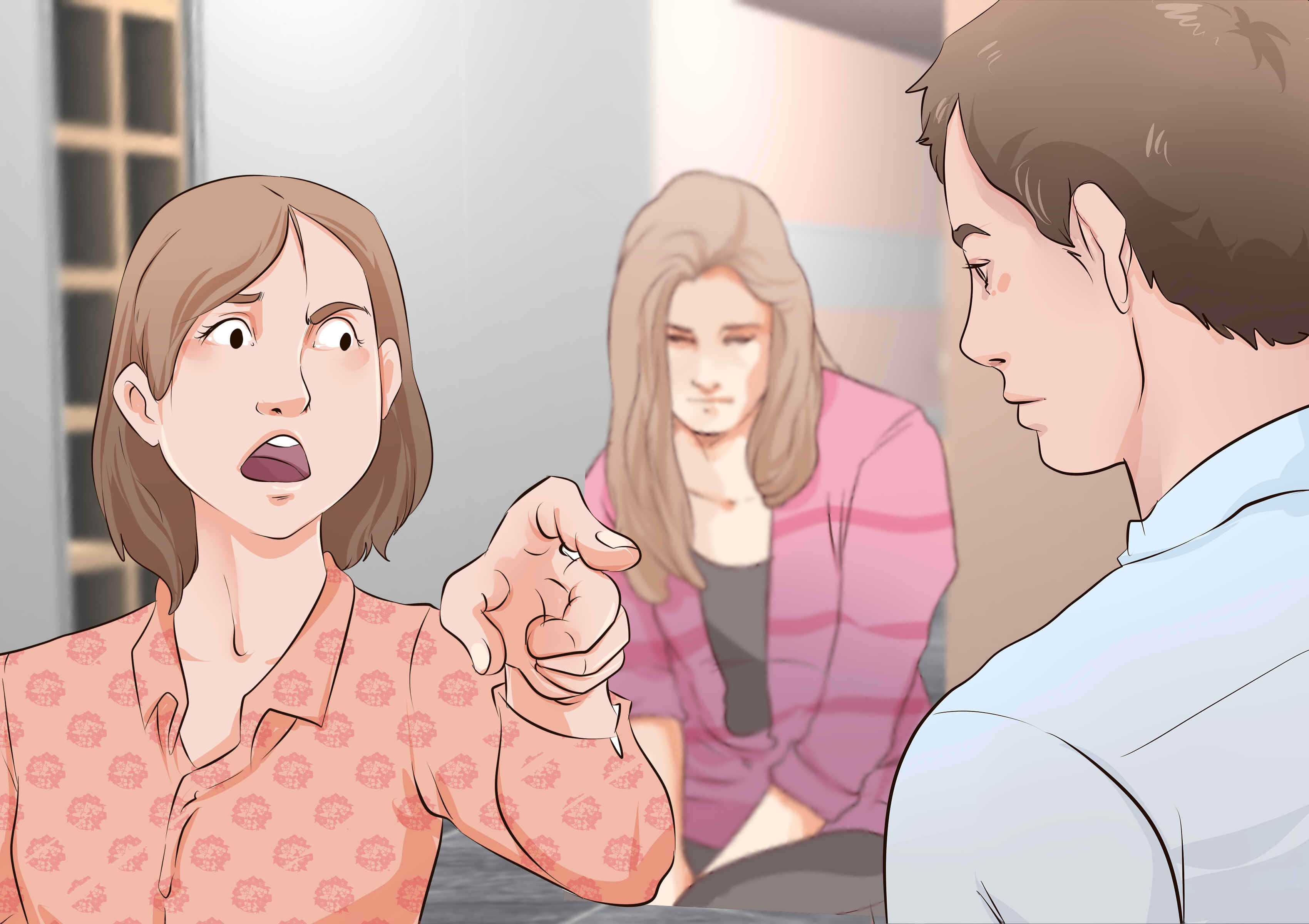
Getting a boyfriend to move out is one of those life tasks nobody puts on a vision board. It is part breakup, part housing issue, part emotional obstacle course, and part administrative paperwork marathon. In other words, it is not exactly candlelight-and-string-quartet territory.
Still, it can be done in a calm, respectful, and legally smart way. The key is understanding one very important truth: asking someone to move out is not just a relationship conversation. It is also a housing conversation. That means feelings matter, but so do leases, bills, keys, deadlines, and local laws.
If you are trying to figure out how to get your boyfriend to move out, the goal is not to win an Oscar for dramatic speeches. The goal is to create a clear plan, protect your peace, and move from “this is not working” to “here is the move-out timeline” without making the situation messier than it already is.
Start With the Real Question
Before you say a word to him, get honest with yourself. Do you want more space, or do you want the living arrangement to end? Those are not the same thing.
A lot of people stall out because they say vague things like, “I think we need a break,” when what they actually mean is, “I do not want to live together anymore.” Vague language creates loopholes. Loopholes create arguments. Arguments create chaos. Chaos is how someone is still on your couch three months later, eating your cereal and calling it “figuring things out.”
Be specific with yourself first. If the relationship is over, say so. If the relationship is not over but cohabitation is, say that. If you need a temporary separation with a firm timeline, decide what that means before the conversation starts.
Check the Housing Situation Before You Talk
This step is not glamorous, but it may be the most important one in the entire process. Look at the paperwork before you look at his face.
If only your name is on the lease or deed
You may have more control over the home, but that does not automatically mean you can legally force him out overnight. In many places, a person who has been living there with permission may still have occupancy rights, especially if there was an oral agreement or he has been contributing to rent or household expenses. That is why “my place, my rules” is emotionally satisfying but not always legally complete.
If both of your names are on the lease
This is more complicated. If both people have equal rights to the property, one partner usually cannot simply kick the other one out by personal decree. In many situations, the landlord, a negotiated agreement, or a formal legal process may be required. Translation: this is not a “pack your bags by Friday” situation unless both people agree.
If there is no written lease
Do not assume that means there are no rights. In many states, an oral agreement can still create a month-to-month or similar tenancy arrangement. If your boyfriend has been living there as more than a casual guest, the law may treat him as an occupant with protections.
If the housing status is murky, talk to local legal aid, a tenant-rights group, or a housing attorney in your state before you act. That one phone call can save you from a wildly expensive mistake.
Have the Conversation Like an Adult, Not a Reality Show Producer
Once you understand the housing setup, it is time for the actual talk. Keep it direct, calm, and short. This is not the moment for a thousand side stories about his laundry habits, the text he sent three months ago, or the spiritual meaning of him never replacing the toilet paper roll.
Use plain language. Something like this works:
I have decided that I do not want us to live together anymore. I need you to move out, and I want us to make a clear plan for that today.
That statement is clear. It is not cruel. It does not invite a debate about whether your feelings are “valid enough.” It communicates a decision, not an open-ended committee meeting.
Try to avoid:
- Long speeches that blur the point
- Mixed messages like “maybe someday” when you mean “no”
- Threats you cannot legally or practically carry out
- Talking in the middle of a fight, after drinking, or late at night
If emotions are likely to run high, have the conversation in a safe, neutral moment. If you are worried about intimidation, manipulation, or retaliation, do not do it alone. Ask a trusted adult, family member, friend, or advocate to be nearby or involved as appropriate.
Offer a Move-Out Plan, Not Just a Move-Out Idea
One reason breakups drag on is that one person announces a decision, but nobody creates a process. A move-out plan turns emotion into logistics, which is exactly what you need.
Your plan should cover:
- The move-out date
- Where he will go, if that is known
- How shared rent or bills will be handled until the date
- Who gets what property
- How keys, garage openers, and access codes will be returned
- What happens to items left behind
- Whether either of you will need the landlord involved
The more specific the plan, the less room there is for “I thought we were still discussing it” confusion. A written move-out agreement can be especially helpful because it makes expectations concrete. It can also reduce the odds of an ugly court battle later.
If appropriate, a little flexibility can help. For example, if he needs a short, reasonable amount of time to arrange transportation or housing, a firm but realistic deadline may be more effective than an impossible one. The goal is progress, not theatrical ultimatums that collapse by Tuesday.
Separate Money Fast
Money is where a lot of cohabitation breakups turn from sad to chaotic. The emotional relationship may be over, but the autopay settings are still in love.
Start by listing every shared financial tie:
- Joint checking or savings accounts
- Rent payments
- Utilities
- Streaming subscriptions
- Phone plans
- Internet bills
- Shared credit cards or authorized users
- Insurance policies
- Delivery apps and online accounts with saved payment methods
This matters because joint account holders can often legally withdraw funds, depending on the account agreement and state law. That means waiting around in the name of politeness can backfire. Once the breakup and move-out conversation happens, deal with shared accounts quickly and carefully. Open a separate account if needed, reroute direct deposit, update passwords, and remove stored payment methods from shared apps.
Think of it this way: emotional closure is lovely, but financial closure pays the electric bill.
Put the Agreement in Writing
Even if you are on decent terms, write everything down. Memory gets selective during breakups. Suddenly nobody remembers who said what, what date was agreed on, or why there is still a lamp and three mystery boxes in the hallway.
A simple written agreement can include:
- The full names of both people
- The property address
- The agreed move-out date
- Any payment arrangement through that date
- How property will be divided
- What happens to abandoned belongings
- When keys and access items must be returned
If you rent, notify the landlord when needed. If both people are on the lease, ask what must happen for one person to be removed, whether a new lease is required, or whether a sublease or lease termination makes more sense.
What Not to Do
There are several things that feel satisfying in the moment and are terrible in practice.
Do not change the locks without knowing the law
If your boyfriend has legal occupancy rights, changing the locks on your own may count as an illegal lockout in some places. That can create serious legal trouble. The same goes for shutting off utilities, tossing belongings outside, or trying to force a “self-help eviction.”
Do not throw away his stuff out of anger
Broken trust is one thing. Destroyed property is another. Keep the process boring, documented, and lawful. Boring is underrated. Boring is how adults avoid court.
Do not blur the breakup with physical intimacy
Mixed signals can derail the whole move-out process. If the relationship is ending, keep the boundaries consistent. A breakup cannot be clear in the morning and emotionally foggy by midnight.
Do not recruit the entire internet
Public shaming rarely helps a housing dispute. Posting vague quotes, subtweets, screenshots, or angry social media essays may feel tempting, but it usually makes negotiation harder and can inflame an already unstable situation.
If He Refuses to Leave
This is where many people freeze. They have asked clearly, explained calmly, and created a plan, but he still will not go. At that point, stop treating the issue like a failing conversation and start treating it like a housing problem.
If he refuses to leave, your next step depends on the legal setup:
- If he is not on the lease but may have occupancy rights, you may need formal written notice.
- If both of you are on the lease, you may need the landlord involved or a legal agreement to end or restructure the tenancy.
- If there is property ownership, children, or serious financial entanglement, professional legal help becomes even more important.
Local legal aid can help you understand whether notice is required, what kind of notice applies, and whether court action may be necessary. It is far better to do this correctly than to improvise your way into a bigger problem.
If You Feel Unsafe, Make Safety the First Priority
Not every breakup is dangerous, but some are. If your boyfriend has threatened you, controlled your money, monitored your phone, stalked you, broken your belongings, blocked exits, or made you afraid to say no, this is no longer just about moving boxes and forwarding mail.
In situations involving intimidation, abuse, or escalation, the safest breakup plan may be different from the most polite one. You may need help from a trusted adult, domestic violence advocate, local legal aid office, counselor, or law enforcement, depending on the circumstances.
Safety planning can include practical steps such as:
- Gathering important documents
- Keeping emergency contacts handy
- Saving money in an account only you control
- Planning where you can go if the conversation goes badly
- Letting trusted people know what is happening
- Documenting threats or harassment when appropriate
If you are afraid of his reaction, do not prioritize politeness over safety. Peaceful is ideal. Safe is non-negotiable.
A Simple Script That Actually Helps
If words tend to evaporate when emotions rise, use a script. You do not need poetry. You need clarity.
I have thought this through carefully, and I do not want us to live together anymore. I need this living arrangement to end. I want us to agree on a move-out date and the steps to make it happen. I am willing to discuss logistics, but I am not changing my decision.
That script does three useful things. It states the decision, invites logistics, and closes the door to endless renegotiation. That is exactly what a good move-out conversation should do.
Common Mistakes That Keep a Boyfriend From Moving Out
- Using soft language when you have made a firm decision
- Delaying the talk because you feel guilty
- Ignoring the lease, deed, or bill setup
- Failing to put the move-out terms in writing
- Leaving shared money untouched for too long
- Trying to “be nice” in ways that create false hope
- Handling a potentially unsafe situation without support
Kindness is good. Confusion is not. You can be compassionate without becoming unclear.
The Emotional Side No One Warns You About
Even when ending the living arrangement is the right choice, it can still feel awful. That does not mean you are making the wrong decision. It usually means you are a person with a functioning nervous system.
You may feel guilty because he is upset. You may feel lonely because the home changes overnight. You may even miss him while also wanting your peace back immediately. These emotions can coexist. Human beings are wonderfully inconvenient that way.
Try not to interpret temporary sadness as proof that you should reverse course. Sometimes grief is not a sign to go back. Sometimes it is just the emotional processing fee for choosing a healthier future.
Real-World Experiences People Commonly Describe When Asking a Boyfriend to Move Out
In real breakup-and-housing situations, people often say the hardest part is not the first conversation. It is the stretch that comes after it. The decision may be clear on day one, but the emotional weather changes every day after that. One morning both people sound practical and mature. By evening, someone is crying, bargaining, reminiscing, or asking whether the breakup is “really necessary.” That whiplash is common, and it is one reason written plans matter so much.
Another experience people describe is how fast tiny household details become huge. A coffee maker turns into a property dispute. A spare key becomes a trust issue. A shared grocery order somehow becomes evidence in the emotional trial of the century. None of this is really about the toaster. It is about control, grief, routine, and the fact that shared homes store a surprising amount of emotional static.
Many people also report that guilt shows up at inconvenient times. They feel bad if their boyfriend says he has nowhere to go, bad if friends think they are being too harsh, and bad if the apartment suddenly feels empty. But feeling guilty and being wrong are not the same thing. People often look back later and realize the guilt was strongest right before things finally got better. The silence that felt eerie in week one often feels peaceful by week four.
It is also common for the person moving out to drag the process out through “almost done” behavior. There may be one bag left, then one drawer left, then somehow a full jacket collection and two random chargers are still living there like emotional squatters. That is why experienced people often recommend clear deadlines for removing belongings, returning keys, and updating accounts. Without deadlines, “I will get it later” can become a lifestyle.
Some people describe a strange phase where the relationship is over, but the habits are not. They still text each other about dinner. They still watch a show together. They still act like roommates with a tragic backstory. This blurry middle stage can make moving out harder because it softens the urgency without fixing the core problem. People often say progress finally happened when they matched their behavior to their decision.
Another common experience is relief arriving before happiness. First comes relief: less tension, fewer arguments, more room to think. Happiness usually takes a little longer. That delay can make people second-guess themselves. But in many cases, the calmer home, clearer finances, and stronger boundaries end up confirming that the decision was right.
The most practical lesson people tend to learn is simple: clarity beats chemistry when a cohabitation breakup is happening. Love, history, attraction, and nostalgia may all still exist. But none of those things replace a move-out date, a written agreement, and a safe plan. Real life usually gets better when the plan gets clearer.
Final Thoughts
If you want your boyfriend to move out, the healthiest approach is usually the least dramatic one: be clear, know the housing facts, separate the money, put the plan in writing, and protect your safety if needed. You do not need to be icy, cruel, or manipulative. You just need to be direct and consistent.
The end of living together can feel messy, but it does not have to stay messy. A calm decision, backed by practical steps, can turn an emotionally crowded home into a livable future. And honestly, that future may include something wildly luxurious: peace, clean counters, and never again wondering why there are four empty water glasses on the nightstand.
Note: Source-placeholder artifacts have been removed for web publishing.