Threadworms, often called pinworms in the United States, are the tiny uninvited guests nobody wants to discuss at dinner. They are common, contagious, and surprisingly persistentnot because they are mighty villains, but because their eggs spread easily through hands, bedding, clothing, bathroom surfaces, and everyday family life. The good news is that getting rid of threadworms is very doable when you combine the right medicine with strict hygiene for a couple of weeks.
This guide explains how to get rid of threadworms in 12 practical steps, using plain American English, realistic home routines, and a little humor because, frankly, this topic needs all the emotional support it can get. Whether you are a parent dealing with a school-age child, an adult who suspects an infection, or someone trying to stop repeat outbreaks in a household, the winning strategy is simple: treat, clean, repeat, and do not panic.
What Are Threadworms?
Threadworms are small, thin, white parasitic worms that live in the human intestines. In the U.S., they are more commonly known as pinworms. The medical name is Enterobius vermicularis, which sounds like a spell from a wizard school but is really just the scientific name for a very annoying parasite.
They spread when microscopic eggs are swallowed. That can happen after touching contaminated surfaces, scratching the itchy area, handling bedding, or forgetting to wash hands before eating. Children are commonly affected because they share toys, touch everything, and sometimes treat handwashing like an optional side quest. Adults can get threadworms too, especially when living with or caring for someone who is infected.
Common Symptoms of Threadworms
The classic symptom is itching around the anus, especially at night. This happens because female worms come out to lay eggs around the anal area. Some people may also experience restless sleep, irritability, mild stomach discomfort, or no symptoms at all. That last part is what makes threadworms sneaky: a person can spread eggs without realizing they are hosting a tiny parasite party.
Threadworms are usually not dangerous, but they are uncomfortable and easy to spread. Persistent itching, broken skin, recurring infections, symptoms in very young children, pregnancy, breastfeeding, or uncertainty about treatment are all good reasons to contact a healthcare professional.
How to Get Rid of Threadworms: 12 Steps
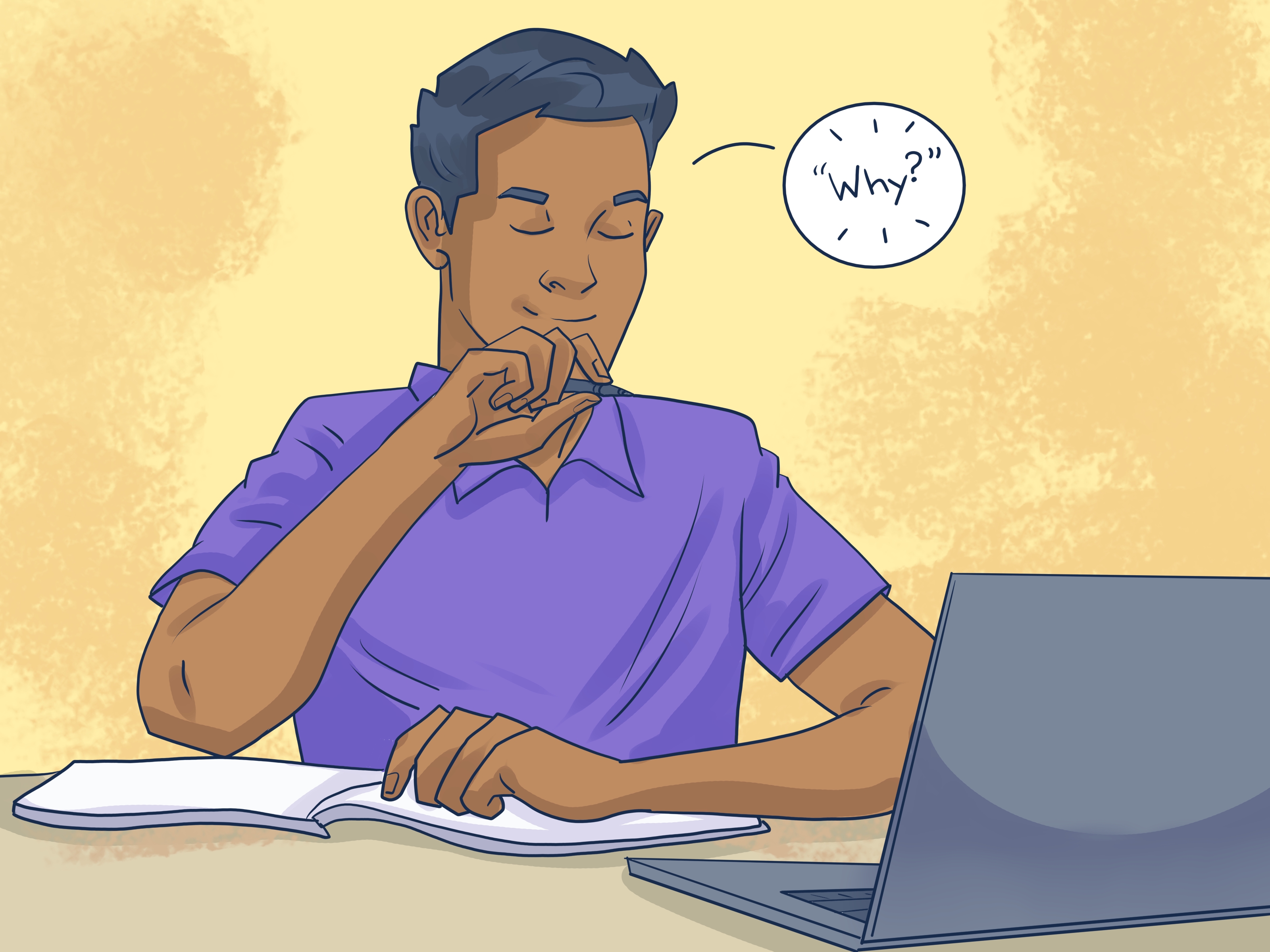
Step 1: Confirm the Signs Before You Panic
Before launching into full laundry-warrior mode, look for the most likely signs. Nighttime itching is the biggest clue. Sometimes threadworms can be seen near the anus at night or in the morning. They look like tiny white threads, which explains the name. You may also notice disturbed sleep, discomfort, or repeated scratching.
One common way to check is the tape test. This involves placing clear tape against the skin around the anus first thing in the morning before bathing or using the bathroom, then having a healthcare provider examine it for eggs. If that sounds awkward, yes, it is. But medicine is full of glamorous moments like this.
Step 2: Talk to a Doctor or Pharmacist When Needed
Many threadworm infections can be treated with over-the-counter medicine, but not every situation is the same. Ask a doctor or pharmacist before treating a child under two, someone who is pregnant or breastfeeding, a person with liver disease, or anyone taking other medications. Also get medical advice if symptoms are severe, keep returning, or do not clearly match threadworms.
This step matters because several conditions can cause itching or irritation, including skin problems, yeast infections, hemorrhoids, or other infections. Treating the wrong problem is like bringing a snow shovel to a beach cleanuplots of effort, not much success.
Step 3: Use the Correct Threadworm Medicine
The most common medicines used for threadworms include pyrantel pamoate, mebendazole, and albendazole. Pyrantel pamoate is available without a prescription in the United States. Mebendazole and albendazole are typically prescription options. These medicines target the worms, helping clear the infection from the body.
Always follow the product label or your healthcare provider’s instructions. Do not guess the dose, especially for children. Medication dosing may depend on weight, age, and health situation. More medicine does not mean faster success; it just increases the chance of side effects. Parasites are annoying, but math still matters.
Step 4: Take the Second Dose Two Weeks Later
This is one of the most important steps. Threadworm medicines kill worms, but they do not reliably kill all eggs. That is why treatment usually requires a second dose about two weeks after the first. The second dose helps kill worms that hatch after the first treatment.
Skipping the second dose is one of the biggest reasons threadworms come back. It is like watching one episode of a mystery show and assuming the case is solved. The eggs are the sequel, and the sequel needs to be handled.
Step 5: Treat the Whole Household at the Same Time
Threadworms spread easily among people who live together. If one person has them, others may be infected even without symptoms. Many health sources recommend treating household members and caregivers at the same time, depending on medical advice and product directions.
This is especially important in families with young children. If only one child is treated while siblings, parents, or caregivers continue carrying eggs, the infection may bounce around the household like a tiny biological ping-pong ball.
Step 6: Wash Hands Like You Mean It
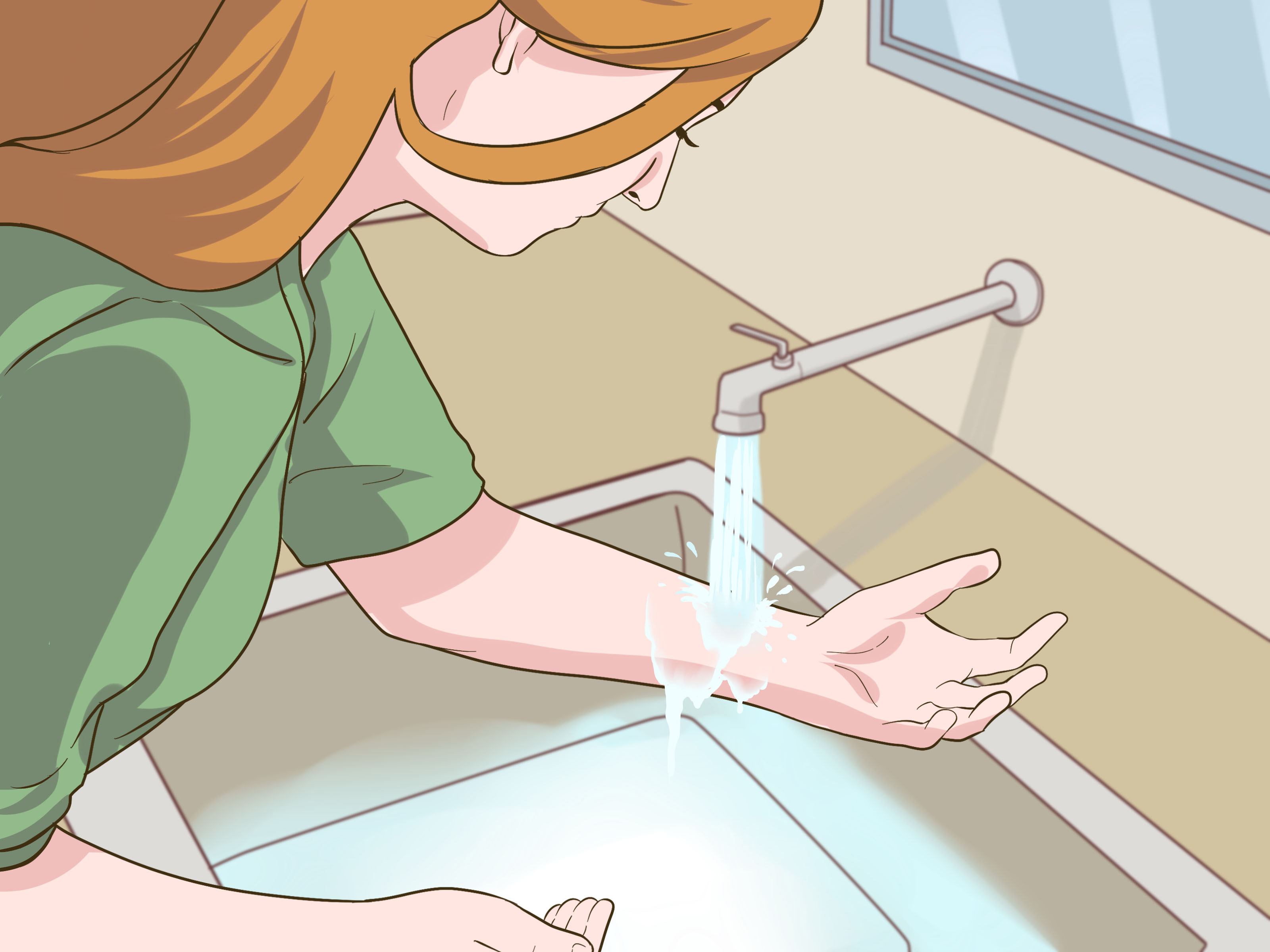
Handwashing is the superstar of threadworm prevention. Wash hands with soap and warm water after using the bathroom, after changing diapers, before eating, before preparing food, and after scratching or helping a child clean up. Children should be taught to scrub under the nails too.
Hand sanitizer is useful in many situations, but soap and water are the better choice when dealing with threadworm eggs. Think of handwashing as the bouncer at the club. If the eggs cannot get past the door, they cannot keep the party going.
Step 7: Keep Fingernails Short and Clean
Threadworm eggs can collect under fingernails after scratching. Short nails make it harder for eggs to hide and easier to clean hands properly. Trim nails, clean them regularly, and discourage nail biting.
If a child bites their nails, this is the time to gently interrupt the habit. No shame, no dramatic speechesjust consistent reminders. You are not trying to become the nail police. You are simply closing one of the parasite’s favorite travel routes.
Step 8: Shower in the Morning
A morning shower can help wash away eggs laid overnight. Bathing is helpful, but showers are often preferred during treatment because bathwater can spread eggs around the body or to shared surfaces. Clean the anal area gently with soap and water, then put on fresh underwear.
For children, make morning washing part of the routine during the treatment period. Keep it calm and normal. A threadworm infection is not a cleanliness failure; it is a common contagious infection. No one needs a guilt parade before breakfast.
Step 9: Change Underwear and Pajamas Daily
Fresh underwear and pajamas every day help reduce exposure to eggs. During active treatment, place used clothing directly into the laundry. Avoid shaking clothes, pajamas, towels, or bedding because shaking can scatter eggs into the air and onto surfaces.
If possible, use snug underwear at night to reduce scratching and limit the spread of eggs to bedding. This is not glamorous advice, but it works. The threadworm battle is won with small, boring habits repeated consistently.
Step 10: Wash Bedding, Towels, and Clothing Properly
Wash sheets, pillowcases, towels, underwear, pajamas, and recently worn clothes in hot water when fabric care labels allow. Dry them thoroughly using heat when appropriate. Heat helps reduce the chance of eggs surviving on laundry.
Focus on the first several days after treatment and continue good laundry habits through the two-dose treatment window. You do not need to turn your home into a sterile laboratory, but you do need to be consistent. Laundry is not exciting, but in this case, your washing machine is basically a superhero wearing a rinse-cycle cape.
Step 11: Clean Bathrooms and High-Touch Surfaces
Clean toilet seats, bathroom counters, faucet handles, doorknobs, light switches, and other high-touch surfaces regularly during treatment. Vacuum floors and avoid sweeping in a way that stirs up dust. Damp cleaning is helpful because it captures particles instead of launching them into the air like confetti at the world’s worst parade.
Pay special attention to shared bathrooms. Children should be reminded to flush carefully, wash hands, and avoid touching surfaces unnecessarily. Again, this is not about blaming anyone. Threadworm eggs are tiny and stubborn; your job is to reduce their opportunities.
Step 12: Prevent Reinfection for at Least Two Weeks
The treatment period is not finished after the first dose. Because eggs can linger in the environment, prevention should continue until after the second dose has had time to work. Keep up handwashing, morning showers, daily underwear changes, nail trimming, and laundry routines.
Reinfection is common, but it does not mean the medicine failed. It often means eggs found their way back into the mouth through hands, surfaces, bedding, or shared household items. The goal is to break the cycle: no swallowed eggs, no new worms, no encore performance.
Home Remedies: What Helps and What Does Not
Many people search for natural remedies for threadworms, including garlic, coconut oil, apple cider vinegar, or special diets. Some of these may be harmless in normal food amounts, but they are not proven replacements for proper threadworm medicine. The most reliable approach is medication plus hygiene.
That said, supportive habits do matter. Eating normally, drinking water, getting enough sleep, and keeping the skin clean can help comfort and recovery. But if someone claims a single spoonful of pantry magic will defeat threadworms overnight, raise an eyebrow. Preferably both eyebrows.
When to See a Healthcare Professional
Contact a healthcare professional if symptoms continue after proper treatment, infections keep coming back, the person is pregnant or breastfeeding, the patient is under two years old, there is significant pain or irritation, or you are unsure whether the problem is really threadworms. Medical guidance is also important for people with ongoing health conditions or those taking regular medications.
You should also get help if a child is extremely uncomfortable, losing sleep repeatedly, or scratching enough to irritate the skin. Threadworms are usually manageable, but persistent symptoms deserve attention.
How Long Does It Take to Get Rid of Threadworms?
Many people feel improvement within a few days of treatment, but the full plan usually takes at least two weeks because of the second dose. During that time, hygiene is just as important as medicine. Without cleaning and prevention, threadworms can return even after the correct medication.
Think of treatment as a two-part mission. The first dose clears current worms. The second dose handles newly hatched worms. The hygiene routine stops eggs from turning your home into their comeback tour venue.
Can Children Go to School With Threadworms?
In many cases, children do not need to miss school once treatment has started and hygiene is being followed, but rules may vary by school, childcare center, or local health policy. Parents should check with the school nurse or pediatrician if unsure.
Teach children to wash hands after using the bathroom and before eating. Also remind them not to scratch and not to share towels or personal clothing. The goal is not to embarrass the child. It is to quietly stop the spread while life continues as normally as possible.
Practical Experience: What Threadworm Treatment Looks Like in Real Life
In real homes, getting rid of threadworms is less like a dramatic medical thriller and more like a two-week household reset. The first experience many families have is confusion. A child wakes up itchy, everyone Googles symptoms, and suddenly the word “pinworm” enters the family vocabulary forever. It feels alarming at first, but once the plan is clear, the process becomes manageable.
A practical approach starts with organization. Pick a treatment day and write down the date for the second dose immediately. Put it on the calendar, phone reminder, refrigerator note, or whatever system your household actually uses. Do not rely on memory. Two weeks later, life will be busy, someone will have soccer practice, the dog may steal a sandwich, and the second dose can easily be forgotten.
Next, simplify laundry. You do not have to wash every curtain, stuffed animal, and decorative pillow in the house on day one. Start with the essentials: underwear, pajamas, sheets, towels, and recently used clothing. Use hot water and heat drying when safe for the fabric. For items that cannot be washed, sealing them away temporarily or cleaning according to care instructions may help reduce exposure.
Parents often find that the hardest part is not medicineit is stopping the scratch-and-spread cycle. Young children scratch without thinking, especially while half asleep. Snug underwear, short nails, morning showers, and bedtime reminders can make a real difference. Some families use soft cotton gloves at night for younger children who scratch a lot, but this should be comfortable and safe, not restrictive.
Bathroom habits also become important. Place soap where children can reach it. Use a step stool if needed. Turn handwashing into a short routine: wet, soap, scrub, rinse, dry. A silly song can help younger kids wash long enough. Yes, you may get tired of hearing the song. That is still better than hosting round two of the worm Olympics.
Adults should avoid turning the infection into a shame event. Threadworms are common, especially around children. They do not mean your home is dirty or your parenting has failed. They mean microscopic eggs are very good at traveling. Calm instructions work better than panic. Children are more likely to cooperate when the adults act like this is a normal health problem with a normal solution.
Another helpful experience-based tip is to reduce clutter during the treatment window. Fewer towels on the bathroom floor, fewer pajamas reused, fewer shared blankets on the couch, and fewer mystery socks under the bed can make cleaning easier. You are not redesigning your lifestyle forever. You are creating a short-term parasite-hostile environment.
Food does not need to become complicated. No special anti-threadworm diet is required. Focus on regular meals, hydration, and avoiding hand-to-mouth habits. The key is not what fancy ingredient someone eats; it is whether clean hands are touching that sandwich.
Finally, expect that itching may not disappear instantly. Irritation can take a little time to settle even after treatment begins. However, symptoms should improve as the cycle is broken. If they do not, or if symptoms return after following the full plan, contact a healthcare professional. Sometimes the issue is reinfection; sometimes the diagnosis needs another look.
The most realistic lesson is this: threadworm treatment works best when everyone in the household participates. Medicine handles the worms. Hygiene handles the eggs. Consistency handles the comeback attempt. Put those three together, and you can get your home back to normalpreferably with fewer late-night flashlight inspections and a lot more peaceful sleep.
Conclusion
Getting rid of threadworms requires a clear plan, not panic. The most effective approach is usually anti-worm medication, a repeat dose about two weeks later, treatment of household members when recommended, and strict hygiene habits that stop eggs from spreading. Handwashing, short nails, daily underwear changes, morning showers, hot laundry, and bathroom cleaning may sound simple, but together they break the threadworm life cycle.
Threadworms are common, treatable, and nothing to be ashamed of. With the right steps, your household can move from “What on earth is happening?” to “We handled it” in a couple of weeks. And yes, you may never look at handwashing reminders the same way again.