Editorial note: This article is for educational purposes only. Xanax is the brand name for alprazolam, a prescription benzodiazepine and controlled substance. The safest “step” is not learning how to persuade a doctor, but learning how to clearly explain your symptoms, discuss treatment options honestly, and follow a licensed clinician’s guidance.
Introduction: Let’s Talk About Xanax Without the Internet Weirdness
Searching “how to get prescribed Xanax” can lead you into some strange corners of the internet. One tab tells you it is a miracle pill. Another makes it sound scarier than a haunted basement. The truth sits in the middle: Xanax can be helpful for certain people with anxiety or panic symptoms, but it also carries serious risks, including sedation, dependence, withdrawal, misuse, and dangerous interactions with alcohol, opioids, and other sedating medications.
That is why the real path to a Xanax prescription is not a magic phrase, a dramatic performance, or a checklist of “symptoms to say.” It is a medical evaluation. A doctor, psychiatrist, psychiatric nurse practitioner, or other qualified prescriber considers your symptoms, health history, medications, substance use history, daily functioning, and safer alternatives before deciding whether alprazolam is appropriate.
This guide explains how to approach that process responsibly. Think of it as a patient-first roadmap: how to prepare for an anxiety appointment, what information to bring, what questions to ask, and what to expect if your clinician recommends Xanax, another medication, therapy, or a combination plan.
What Is Xanax?
Xanax is a brand-name medication containing alprazolam. It belongs to a class of drugs called benzodiazepines, which slow activity in the central nervous system and can reduce intense anxiety, panic, muscle tension, and physical overarousal. Alprazolam is commonly associated with short-term treatment of panic disorder and certain anxiety symptoms.
Because it can cause drowsiness, impaired coordination, tolerance, dependence, and withdrawal, Xanax is not treated like a casual “stress pill.” In the United States, it is classified as a Schedule IV controlled substance. That means it has accepted medical uses but must be prescribed and monitored carefully because of misuse and dependence risk.
How to Discuss Xanax With a Doctor: 14 Safe Steps
1. Start With the Real Problem, Not the Medication Name
Instead of opening with “I need Xanax,” start with what is happening in your life. Are you having panic attacks? Avoiding work, school, driving, social situations, or sleep because of anxiety? Waking up with a racing heart? Feeling like your body hits the fire alarm even when nothing is burning?
Clinicians diagnose and treat conditions, not search terms. Clear symptom descriptions help them determine whether you may have panic disorder, generalized anxiety disorder, social anxiety, trauma-related symptoms, depression, insomnia, thyroid problems, medication side effects, substance-related anxiety, or another issue entirely.
2. Track Your Anxiety Symptoms for One to Two Weeks
Bring notes. They do not need to be fancy. A simple symptom diary can include when anxiety happens, how long it lasts, what it feels like physically, what triggers it, how intense it is from 1 to 10, and what helps.
For example: “Tuesday, 9:30 a.m., grocery store. Sudden chest tightness, sweating, fear I would faint, lasted 12 minutes. Left store. Intensity 9/10.” That is much more useful than “I get anxious sometimes,” which is medically accurate but about as detailed as saying the ocean is damp.
3. Be Honest About Panic Attacks
If you experience panic attacks, describe them directly. Panic attacks often involve sudden waves of intense fear plus physical symptoms such as shortness of breath, chest tightness, trembling, dizziness, nausea, sweating, chills, numbness, or fear of losing control. These symptoms can feel terrifying and very real, even when they are not caused by a heart problem.
Because panic symptoms can overlap with medical conditions, a clinician may want to rule out heart, thyroid, respiratory, medication, or substance-related causes before discussing psychiatric medication.
4. Share Your Medical History Fully
Your prescriber needs to know about liver disease, kidney disease, breathing problems, sleep apnea, pregnancy, plans for pregnancy, history of falls, seizures, depression, suicidal thoughts, and any prior reactions to psychiatric medications.
This is not bureaucracy for fun. It is safety. Benzodiazepines can affect alertness, breathing, coordination, and memory. For some people, the risks outweigh the benefits.
5. List Every Medication and Substance You Use
Tell your clinician about prescription drugs, over-the-counter sleep aids, antihistamines, pain medications, alcohol, cannabis, supplements, and recreational substances. This part matters a lot because combining Xanax with opioids, alcohol, or other central nervous system depressants can be dangerous and may increase the risk of severe sedation, breathing problems, overdose, coma, or death.
Do not hide information because you are worried about being judged. Your clinician is not there to host a courtroom drama. They need accurate details to keep you safe.
6. Explain What You Have Already Tried
Have you tried therapy, breathing techniques, exercise, sleep changes, caffeine reduction, mindfulness, SSRIs, SNRIs, buspirone, hydroxyzine, beta blockers, or other treatments? Did they help? Did they cause side effects? Did you stop because of cost, access, or frustration?
This history helps your clinician decide whether Xanax is worth considering or whether another treatment is more appropriate. Benzodiazepines are often used cautiously, commonly for short-term relief, while longer-term anxiety plans may include therapy and non-benzodiazepine medications.
7. Ask for an Anxiety Evaluation
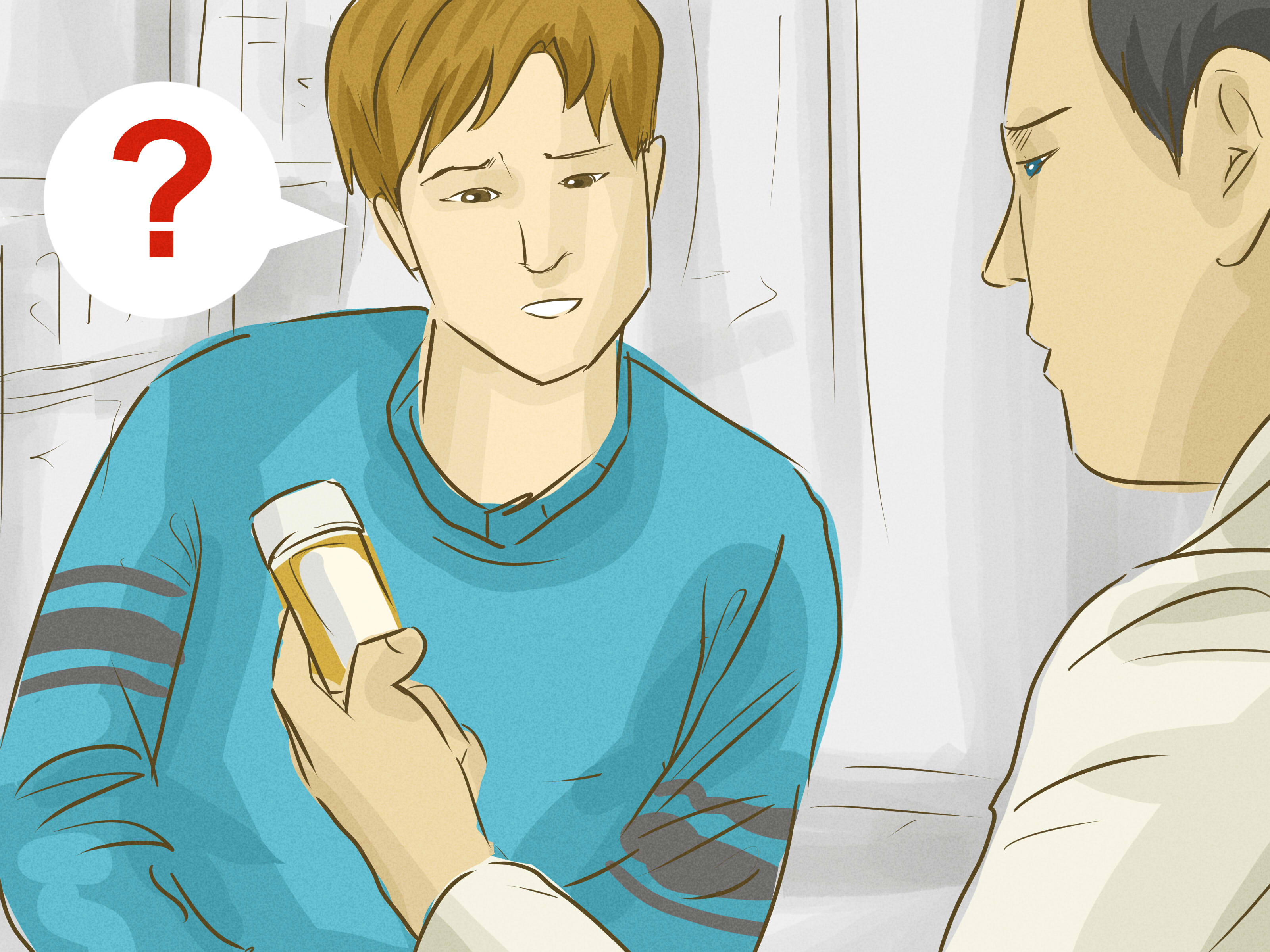
A responsible request sounds like this: “I am having anxiety and panic symptoms that are affecting my daily life. Can we evaluate what is going on and discuss treatment options, including whether medication is appropriate?”
That wording is honest, calm, and medically useful. It does not demand a specific drug. It invites a diagnosis and a treatment plan. Doctors tend to appreciate patients who want relief and safety at the same time.
8. Understand Why a Doctor Might Say No to Xanax
A clinician may decline to prescribe Xanax for many legitimate reasons. You may have a history of substance use disorder, current alcohol or opioid use, untreated sleep apnea, high fall risk, pregnancy concerns, severe depression, medication interactions, or symptoms better treated with therapy or another medication.
A “no” does not mean your anxiety is fake. It may mean the prescriber believes another option is safer or more effective for your situation.
9. Be Open to First-Line Treatments
For many anxiety disorders, treatment often includes cognitive behavioral therapy, exposure-based therapy, lifestyle changes, and medications such as SSRIs or SNRIs. These options may not work as quickly as Xanax, which can be frustrating when your nervous system feels like it is running a fire drill at 2 a.m. But they are often better suited for long-term symptom control.
CBT can help people identify anxiety loops, reduce avoidance, practice gradual exposure, and build coping skills. Medication can also help regulate symptoms over time. The best plan is not always the fastest plan; it is the one that helps without creating a new problem.
10. Ask About Short-Term Versus Long-Term Use
If your clinician does prescribe Xanax, ask how long you are expected to take it. Ask whether it is for a specific situation, a short crisis period, panic attacks, or temporary support while another treatment begins working.
This question is important because the risks of dependence and withdrawal can increase with longer use and higher doses. Abruptly stopping alprazolam after regular use can cause serious withdrawal symptoms, so any discontinuation plan should be supervised by a medical professional.
11. Discuss Side Effects Before You Start
Common concerns with alprazolam include drowsiness, dizziness, slowed reaction time, coordination problems, memory issues, and impaired driving ability. Some people feel emotionally dulled. Others may feel too sedated to work, study, parent, or safely operate equipment.
Ask your prescriber what side effects should prompt a call, what symptoms are emergencies, and whether you should avoid driving until you know how the medication affects you.
12. Follow the Prescription Exactly
If prescribed, take Xanax only as directed. Do not increase your dose, take it more often, mix it with alcohol, share it, or use someone else’s medication. “My friend had extra” is not a treatment plan; it is a bad plot twist.
Also avoid buying alprazolam online or from non-pharmacy sources. Counterfeit pills can contain unexpected and dangerous substances. A legal prescription filled by a licensed pharmacy is the only safe route.
13. Schedule Follow-Up Appointments
Follow-up is part of treatment, not a punishment. Your clinician may check whether symptoms improved, whether side effects occurred, whether you are using the medication as intended, and whether your broader anxiety plan is working.
If Xanax is used, your prescriber may also monitor for tolerance, dependence, escalating use, sedation, or interactions. This is especially important if other medications are added later.
14. Have a Long-Term Anxiety Plan
Even when Xanax is appropriate, it is usually not the entire plan. A stronger long-term approach may include therapy, sleep improvement, reduced caffeine, regular movement, treatment for depression or trauma, stress-management skills, and non-benzodiazepine medications when needed.
The goal is not simply to “get Xanax.” The goal is to get your life back: to drive, work, sleep, study, socialize, travel, and handle normal stress without feeling like your nervous system is being chased by invisible bees.
What to Say at the Appointment
Here is a safe, honest example:
“I have been experiencing intense anxiety and panic symptoms. They are affecting my work and sleep. I tracked them for two weeks and brought notes. I would like an evaluation and want to discuss treatment options. I have heard of Xanax, but I also understand it has risks. What do you recommend for my situation?”
This approach shows maturity and honesty. You are not demanding a controlled substance. You are asking for medical care.
What Not to Do
Do not exaggerate symptoms, fake panic attacks, doctor-shop, hide substance use, request early refills without explanation, claim that “nothing else works” if you have not tried alternatives, or use someone else’s prescription. These behaviors can damage trust and, more importantly, put your health at risk.
It is also not wise to treat Xanax like a productivity hack, party accessory, sleep shortcut, or emotional mute button. Anxiety deserves real treatment, not a risky workaround.
Possible Alternatives to Xanax
Depending on your diagnosis, a clinician may suggest several alternatives. SSRIs and SNRIs are commonly used for long-term anxiety treatment. Buspirone may be considered for generalized anxiety. Hydroxyzine may be used short term for anxiety in some people. Beta blockers may help with physical symptoms of performance anxiety, such as shaking or rapid heartbeat. Therapy, especially CBT, can be highly useful for panic and anxiety disorders.
None of these options is perfect for everyone. The right choice depends on your symptoms, health history, timeline, side effects, and personal goals.
When to Seek Urgent Help
Seek urgent medical care if you have chest pain, fainting, severe breathing problems, confusion, severe allergic symptoms, suicidal thoughts, or symptoms of overdose such as extreme sleepiness, slow breathing, or unresponsiveness. If you are taking Xanax and feel unsafe, overly sedated, or tempted to take more than prescribed, contact a medical professional immediately.
Real-World Experiences: What Patients Often Learn the Hard Way
Many people begin the conversation about Xanax after weeks, months, or years of trying to “tough it out.” They may have told themselves anxiety is just stress, just overthinking, just too much coffee, just a rough season, or just being dramatic. Then one day the symptoms become impossible to ignore: a panic attack in traffic, a canceled work presentation, insomnia that turns the bedroom into a courtroom, or a sudden fear of ordinary errands.
One common experience is surprise. Patients often expect the appointment to be a simple medication request, but the clinician asks about sleep, alcohol, caffeine, trauma, family history, thyroid symptoms, chest pain, depression, work stress, and past medications. At first, that can feel unrelated. In reality, anxiety is rarely a single floating cloud. It is connected to the body, environment, habits, relationships, and medical history.
Another common experience is impatience. People who are suffering want fast relief, and that is completely understandable. Panic symptoms can feel unbearable. But many patients later realize that fast relief and long-term recovery are not the same thing. A medication that quiets panic today may not teach the brain that elevators, meetings, bridges, or grocery stores are safe tomorrow. That is where therapy, exposure practice, sleep repair, and broader treatment planning become important.
Some patients also learn that being honest about alcohol or past substance use does not automatically mean they will be abandoned. It may change the plan, but it can lead to safer care. A clinician might recommend a non-benzodiazepine medication, therapy, closer follow-up, or a specialist referral. That may feel disappointing if the person expected Xanax, but it can prevent dangerous interactions and dependence.
People who do receive Xanax often discover that boundaries matter. Taking it exactly as prescribed, avoiding alcohol, storing it securely, and attending follow-ups are not optional details. They are the difference between treatment and trouble. Some patients find it useful only for rare panic situations. Others find side effects too disruptive. Others transition to longer-term treatments once symptoms stabilize.
The most helpful patient mindset is simple: “I want relief, and I want to be safe.” That sentence changes the whole appointment. It allows the clinician to consider Xanax when appropriate, but it also leaves room for better options. Anxiety treatment is not a vending machine where you press B7 and receive a pill. It is a process of understanding what your nervous system is doing and building a plan that helps you live more freely.
Conclusion
Learning how to get prescribed Xanax really means learning how to seek proper care for anxiety or panic symptoms. Xanax may be appropriate for some patients, but it is not the safest or best choice for everyone. Because alprazolam can cause dependence, withdrawal, sedation, and dangerous interactions, it should only be used under the guidance of a licensed clinician.
The best approach is honest and practical: track your symptoms, bring your medical history, disclose all substances and medications, ask for a full anxiety evaluation, stay open to alternatives, and follow your treatment plan carefully. You do not need to perform, exaggerate, or chase a specific prescription. You need care that actually fits your life.