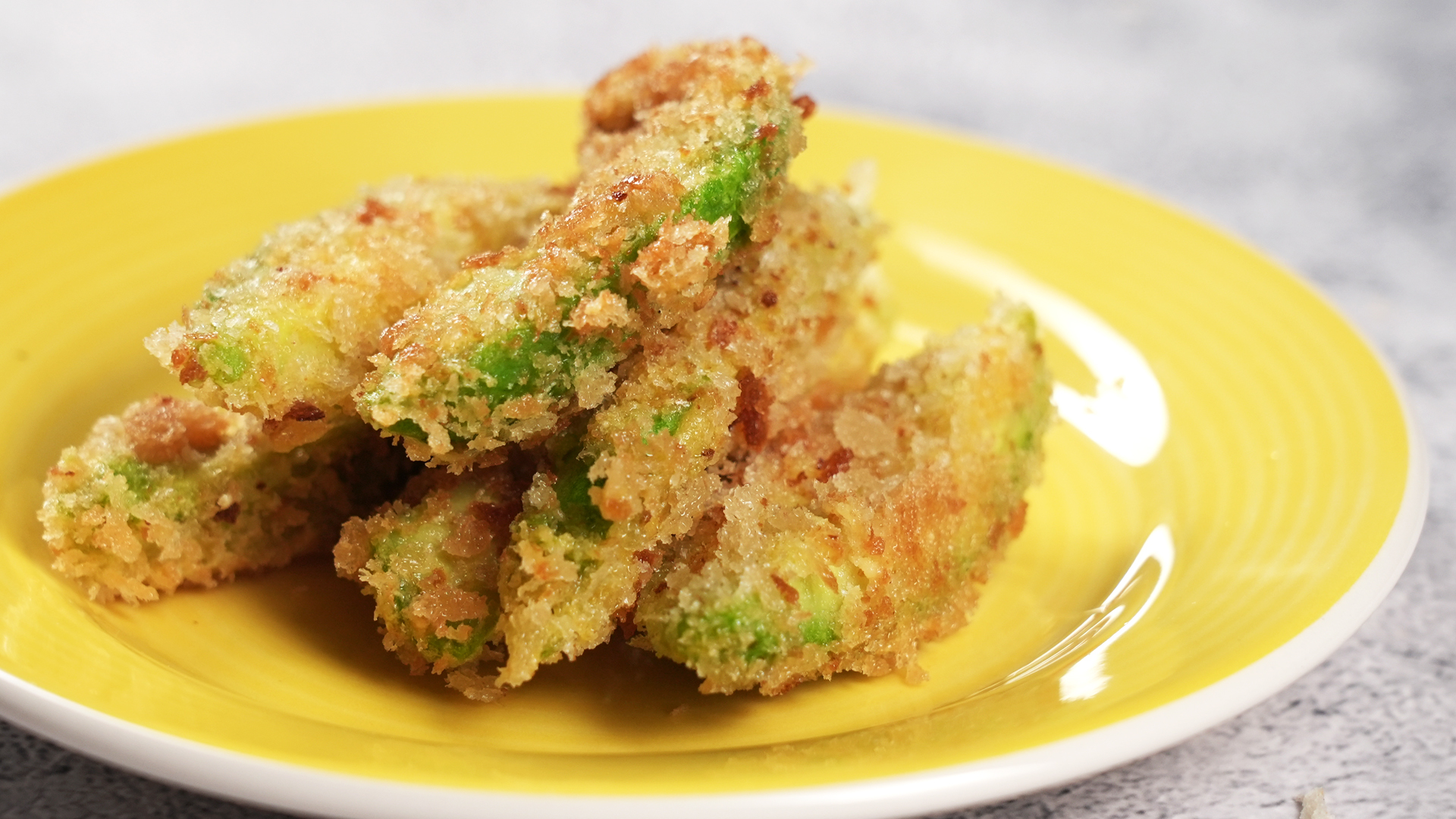
Avocados have spent years being typecast as the soft, green sidekick of toast, salads, and guacamole. But this creamy fruit has more range than a movie actor who suddenly starts releasing jazz albums. You can bake it, grill it, and turn it into crispy frieswithout asking it to become something it is not.
Cooking avocados is less about blasting them with heat until they surrender and more about giving them a quick, strategic glow-up. A little heat can add char, crispness, and savory contrast while preserving the buttery texture that makes avocados so lovable in the first place.
In this guide, you will learn how to cook avocados three easy ways: baked with eggs, coated in crunchy breadcrumbs, and grilled into taco-worthy avocado boats. Along the way, you will also learn how to choose the right avocado, avoid mushy kitchen disasters, and season the fruit so it tastes bright instead of bland.
Can You Really Cook Avocados?
Yes, you can cook avocados. The trick is using the right ripeness level and avoiding long cooking times. Avocados are rich, soft, and naturally creamy, so they do not need the kind of extended roasting that works well for potatoes, carrots, or stubborn Brussels sprouts that seem personally offended by dinner.
For recipes involving breading, grilling, slicing, or stuffing, choose avocados that are ripe but still firm. They should yield slightly when pressed gently, but they should not feel squishy or leave fingerprints like a foam mattress. USDA guidance notes that avocados that yield slightly to gentle pressure are ready to use, while firmer ones can ripen at room temperature.
Very soft avocados are still useful, but they are better saved for guacamole, smoothies, creamy pasta sauces, salad dressings, or mashed avocado toast. Firm-ripe avocados are the heroes of cooked avocado recipes because they hold their shape when sliced, breaded, baked, or grilled.
How to Choose Avocados for Cooking
Use Firm-Ripe Avocados for Heat
For avocado fries and grilled avocado recipes, choose fruit that is slightly firmer than the avocado you would use for guacamole. A super-soft avocado may collapse while you slice it, turn to green pudding in the breading station, or fall through the grill grates in a dramatic but avoidable farewell.
Firm-ripe avocados are especially important for crispy avocado fries. Recipe testing from major cooking publications consistently recommends using firmer avocados so the slices stay intact beneath the crunchy coating.
Wash the Skin Before Cutting
Even though you do not eat avocado skin, wash the whole fruit under running water before slicing it. Your knife can transfer dirt or bacteria from the peel to the edible flesh as it cuts through. The FDA recommends rinsing produce under plain running water before preparing, cutting, or eating it, and advises against using soap or produce wash.
Balance the Richness With Acid and Salt
Avocado has a mild, buttery flavor. That is wonderful, but it also means it benefits from contrast. Lemon juice, lime juice, vinegar, hot sauce, chile flakes, garlic, fresh herbs, and flaky salt all make cooked avocado taste more lively.
Think of avocado as the calm friend at a loud dinner party. It needs something bright, spicy, salty, or smoky nearby to keep the conversation interesting.
Recipe 1: Baked Avocado Eggs With Cheese and Salsa
This baked avocado egg recipe is an easy breakfast, brunch, or “I forgot to grocery shop but somehow still want a real meal” solution. The avocado acts like a tiny edible bowl, while the egg becomes soft and savory in the center.
Ingredients
- 2 firm-ripe avocados
- 4 small eggs
- 1/4 cup shredded cheddar, Monterey Jack, or pepper jack cheese
- 2 tablespoons salsa
- 1 tablespoon chopped cilantro
- 1 teaspoon lime juice
- Salt and black pepper, to taste
- Red pepper flakes or hot sauce, optional
Instructions
- Preheat the oven to 400°F. Line a small baking dish or sheet pan with parchment paper.
- Cut the avocados in half and remove the pits. Scoop out about 1 tablespoon of flesh from each center to create more room for the egg.
- Set the avocado halves in a baking dish. If they wobble, place them in a muffin pan or prop them against crumpled foil so they stay upright.
- Crack one egg into each avocado half. Small eggs work best, but you can crack larger eggs into a bowl first and spoon in as much as fits.
- Season with salt, pepper, and a small pinch of red pepper flakes.
- Bake for 12 to 16 minutes, depending on how runny or firm you like the yolks.
- Remove from the oven and top with cheese, salsa, cilantro, and lime juice.
Why This Recipe Works
The avocado’s creaminess softens the richness of the egg, while salsa and lime prevent the dish from tasting too heavy. The result is somewhere between a breakfast taco filling and a baked brunch plate that looks much more impressive than the effort required.
For a heartier version, serve the baked avocado eggs with toasted sourdough, black beans, roasted potatoes, or warm corn tortillas. For a vegetarian brunch spread, add fruit salad and a big bowl of crunchy greens with citrus dressing.
Easy Variations
- Add cooked crumbled bacon or breakfast sausage before baking.
- Use feta cheese, chopped spinach, and sun-dried tomatoes for a Mediterranean-style version.
- Add black beans, corn, and cotija cheese for a Mexican-inspired breakfast.
- Skip the egg and fill baked avocado halves with scrambled eggs after cooking.
Recipe 2: Crispy Oven-Baked Avocado Fries
Avocado fries are one of those foods that sound suspicious until you take the first bite. Then suddenly you are standing in front of the oven, holding a dipping sauce, wondering why every vegetable has not been given a panko jacket.
These oven-baked avocado fries are crispy outside, creamy inside, and perfect as a snack, appetizer, taco topping, or side dish for burgers and sandwiches.
Ingredients
- 2 firm-ripe avocados
- 1/2 cup all-purpose flour
- 2 eggs
- 1 1/2 cups panko breadcrumbs
- 1/4 cup grated Parmesan cheese
- 1 teaspoon smoked paprika
- 1/2 teaspoon garlic powder
- 1/2 teaspoon ground cumin
- 1/2 teaspoon salt
- Cooking spray or olive oil spray
- Lime wedges, for serving
For the Quick Chipotle Lime Dip
- 1/2 cup Greek yogurt or sour cream
- 1 tablespoon lime juice
- 1 teaspoon chipotle sauce or hot sauce
- Pinch of salt
Instructions
- Preheat the oven to 425°F. Line a baking sheet with parchment paper and lightly coat it with cooking spray.
- Slice each avocado in half, remove the pit, peel it, and cut each half into four thick wedges.
- Set up three shallow bowls: flour in the first bowl, beaten eggs in the second, and panko mixed with Parmesan, smoked paprika, garlic powder, cumin, and salt in the third.
- Coat each avocado slice in flour, then egg, then the seasoned panko mixture. Press gently so the breadcrumbs stick.
- Arrange the avocado slices in a single layer on the prepared baking sheet. Spray the tops lightly with oil.
- Bake for 10 minutes. Carefully flip the slices and bake for another 6 to 8 minutes, until golden and crisp.
- Stir together the dip ingredients. Serve the avocado fries hot with lime wedges and chipotle lime dip.
How to Keep Avocado Fries Crispy
Do not crowd the baking sheet. When avocado fries are packed too closely together, they steam instead of crisp. Give them breathing room, just as you would give your cousin space at a family barbecue after he starts explaining cryptocurrency.
Use panko breadcrumbs rather than standard fine breadcrumbs. Panko creates more craggy, crunchy edges, which is exactly what you want against the soft avocado center. A light coating of oil also helps the breading brown in the oven.
Serve avocado fries immediately. They are at their best when the crust is crisp and the inside is warm, buttery, and just barely soft enough to feel luxurious.
Recipe 3: Grilled Avocado Taco Boats With Black Beans and Corn
Grilling avocado is a fast way to add smoky flavor and dramatic grill marks to an already excellent ingredient. The goal is not to cook the avocado until it becomes hot guacamole. The goal is to lightly char the cut side, warm the fruit, and create a savory base for fresh toppings.
Food writers and test kitchens often recommend very brief contact with a hot grill or cast-iron pan because avocado develops char quickly.
Ingredients
- 3 firm-ripe avocados
- 1 tablespoon olive oil
- 1 cup canned black beans, drained and rinsed
- 1 cup corn kernels, fresh, frozen, or canned
- 1/2 cup diced tomatoes
- 1/4 cup diced red onion
- 1 jalapeño, finely chopped, optional
- 1/4 cup chopped cilantro
- 1 lime, juiced
- 1/2 teaspoon chili powder
- 1/2 teaspoon ground cumin
- Salt and black pepper, to taste
- Crumbled cotija or feta cheese, optional
Instructions
- Preheat a grill, grill pan, or cast-iron skillet over medium-high heat.
- Cut the avocados in half and remove the pits. Brush the cut sides lightly with olive oil.
- Place the avocados cut-side down on the hot grill or skillet for 30 seconds to 2 minutes, until light char marks appear.
- Remove the avocados and let them cool for a few minutes.
- In a bowl, combine black beans, corn, tomatoes, red onion, jalapeño, cilantro, lime juice, chili powder, cumin, salt, and pepper.
- Spoon the bean and corn mixture into the avocado centers.
- Top with cotija cheese, feta, hot sauce, or a spoonful of salsa verde.
Serving Ideas
Serve grilled avocado taco boats as a vegetarian main dish with tortilla chips, rice, and grilled vegetables. You can also use the grilled avocado mixture as a filling for tacos, burrito bowls, or tostadas.
For extra protein, add shredded chicken, grilled shrimp, chopped steak, or crumbled chorizo. For a plant-based meal, use black beans, roasted sweet potatoes, and pumpkin seeds for texture.
Common Mistakes When Cooking Avocados
Using Avocados That Are Too Soft
This is the number-one problem in cooked avocado recipes. Overripe avocados can be delicious in guacamole, but they often fall apart when breaded, grilled, or stuffed. Choose firm-ripe avocados for recipes where appearance and structure matter.
Skipping Acid
Cooked avocado can taste rich and mellow, which is another way of saying it can become a little sleepy. Lime juice, lemon juice, tomatoes, pickled onions, vinegar, or spicy salsa add the brightness that wakes everything up.
Cooking Too Long
Avocado is not a roast chicken. It does not need a long stay in the oven or a lengthy grilling session. Quick cooking is best: enough to crisp the coating, set an egg, or create char marks, but not enough to turn the flesh dull, watery, or overly soft.
Forgetting Texture
Because avocado is naturally creamy, it shines when paired with crisp, crunchy, or chewy ingredients. Think toasted breadcrumbs, tortilla chips, roasted corn, crunchy cabbage, pickled onions, seeds, nuts, or crisp bacon.
Kitchen Notes: Real-World Experiences Cooking Avocados
Cooking avocados changes how you think about them. At first, it can feel slightly rebellious. Most people are used to slicing avocado over toast, mashing it into guacamole, or adding it cold to a salad. The first time you put one near a hot skillet, there may be a tiny voice in your head asking whether you have crossed a culinary line. That voice is overly dramatic. Ignore it.
The biggest lesson is that avocado behaves differently depending on its ripeness. A very soft avocado is wonderful for creamy dishes, but it can become frustrating in hot recipes. It sticks to knives, smears across cutting boards, and tends to break apart when you try to coat it in flour and breadcrumbs. A slightly firm avocado, on the other hand, is far more cooperative. It slices neatly, holds its shape, and survives the journey from cutting board to baking sheet without becoming a green abstract painting.
Another useful discovery is that avocado needs bold friends. On its own, warm avocado can taste pleasant but quiet. Add lime, salt, chile, garlic, cilantro, smoky paprika, or sharp cheese, and suddenly the flavor becomes much more exciting. This is why avocado fries need a dipping sauce and grilled avocado tastes so good with salsa, black beans, corn, and pickled onions. The avocado provides richness; the other ingredients provide personality.
Texture also matters more than expected. A baked avocado with egg is soft, so it benefits from toast, crispy potatoes, or tortilla chips. Avocado fries are creamy inside, so the crispy panko coating is not just decorativeit is essential. Grilled avocado taco boats work because the warm avocado is paired with crunchy corn, juicy tomatoes, and bright lime juice. When every part of the dish has the same soft texture, the meal can feel a little too relaxed, like everyone showed up to dinner wearing pajamas.
Timing is another small but important detail. Avocado fries are best eaten immediately after baking, while the coating is crisp. Baked avocado eggs are best when the yolk is still warm and soft. Grilled avocado should be served soon after cooking because it is meant to have a quick kiss of heat, not a long, complicated relationship with it.
There is also a practical advantage to cooking avocados: it helps turn a simple ingredient into a complete meal. A few avocados, eggs, beans, cheese, breadcrumbs, and pantry spices can become brunch, a snack platter, a taco night centerpiece, or an easy vegetarian dinner. That flexibility makes avocado one of those rare ingredients that can rescue a meal without making you feel like you are eating leftovers disguised as optimism.
The best way to build confidence is to start with one recipe. Make avocado fries for a casual snack, or bake avocado eggs on a quiet weekend morning. Once you see that avocado can handle a little heat, you will start finding more ways to use it: in grilled cheese sandwiches, on burgers, in quesadillas, blended into sauces, or tucked into tacos. The avocado may still be the star of guacamole, but it deserves a few more roles on the menu.
Conclusion
Learning how to cook avocados opens up a surprisingly large number of easy meal ideas. Bake them with eggs for breakfast, turn them into crispy avocado fries for a snack, or grill them and fill them with taco-inspired toppings for dinner.
The secret is simple: choose firm-ripe avocados, cook them briefly, and pair their creamy texture with bright, salty, spicy, or crunchy ingredients. Once you do, avocado stops being just a toast topping and starts becoming one of the most versatile ingredients in your kitchen.
Note: Use very soft avocados for guacamole, smoothies, and sauces; reserve firmer avocados for slicing, breading, baking, stuffing, or grilling.