“Reading the defense” sounds like something you do with a book, a blanket, and a calming cup of tea. Unfortunately, defenses are not calming. They are caffeinated, violent riddles wearing matching jerseysand they lie for fun.
The good news: great quarterbacks aren’t psychic. They’re systematic. They run a repeatable process that shrinks chaos into a few likely answers, then confirms the truth after the snap. This guide breaks that process into 15 steps you can practicefrom youth ball to the NFL-ish levels of complexitywithout turning your brain into burnt toast.
The Quarterback’s Real Job: Reduce the Options
A defense can present 1,000 looks, but your job is to narrow it to: What’s the coverage? Where’s the pressure? Who’s my answer if they blitz? Which matchup or zone void will open first? The best QBs don’t “read everything.” They read the few things that matter most, in the same order, every time.
15 Steps to Read the Defense Like a Quarterback
Step 1: Start With the Situation (Down, Distance, Clock, Field)
Before you even look at helmets, look at context. Third-and-12 invites different coverages than second-and-2. Red zone squeezes vertical space, so windows shift faster. Backed up near your goal line, defenses may heat you up because the offense has fewer route options. This step is the “preview trailer” that tells you what genre the defense is likely to play: pressure thriller, two-high mystery, or man-coverage horror film.
Step 2: Count the Box (Numbers Decide Run/Pass Leverage)
Count defenders who can realistically fit the run: down linemen, walked-up backers, safeties creeping near the box. If the defense loads the box against your run look, you may have a built-in answer (RPO, quick game, play-action shot, or a check to a better run). If the box is light, don’t overthink ithanding the ball off can be the “big-brain” play.
Step 3: Identify the Front and the “Problem” Defender
The front tells you where pressure can come from and how protection must account for it. Is it an even front (four down) or odd front (three down)? Are edges wide or tight? Is a linebacker mugging the A-gap (standing over the center like he wants rent money)? Your “problem” defender is the one who can ruin the play fastestoften a mugged linebacker, a nickel blitz threat, or an edge rusher you can’t leave unchecked.
Step 4: Locate the Safeties (Your Fastest Coverage Clue)
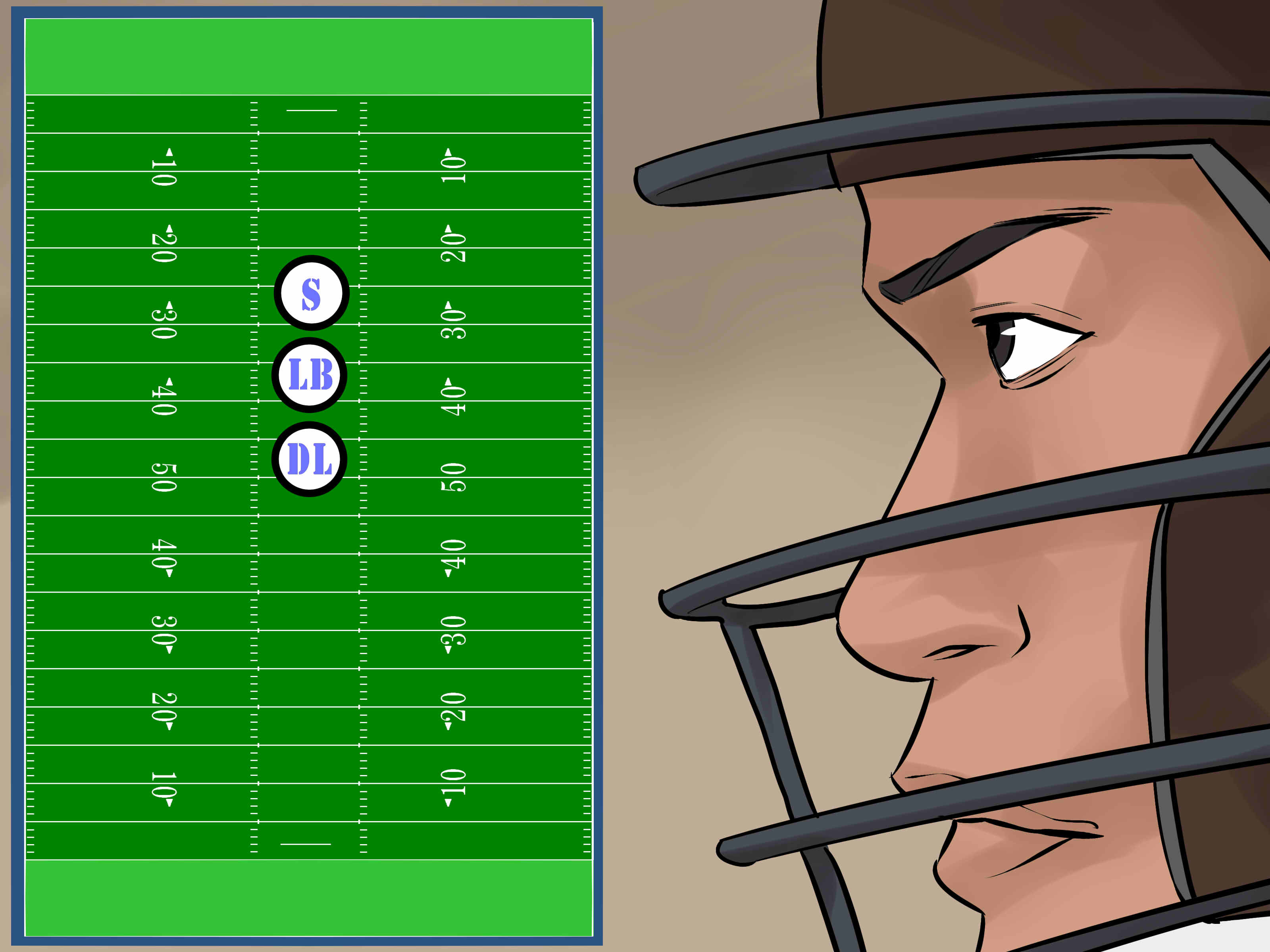
Safeties are the defense’s mood ring. One-high looks often pair with Cover 1 (man) or Cover 3 (zone) families. Two-high shells keep the defense flexibleCover 2, Cover 4 (quarters), Cover 6 (quarter-quarter-half), and a buffet of match coverages. Don’t treat safety depth like trivia; treat it like a GPS pin for where explosive plays are allowed (or forbidden).
Step 5: Check Corner Technique (Press, Off, Bail, or “Trap” Vibes)
Corners tell the truth… accidentally. Press with inside leverage can hint at man or certain match concepts. Soft corners with eyes inside often signal zone. Corners “bailing” at the snap can suggest Cover 3/quarters structures. And if a corner is squatting like he’s waiting to steal your lunch money, watch for trap/robber looks that bait the quick out.
Step 6: Find the Nickel (Because Modern Football Lives in Nickel)
The nickel defender is often the coverage “hinge” and a frequent blitzer. Where is he alignedover the slot, inside shade, apexed between #2 and the box, or walked up like he’s joining the pass rush? If you ignore the nickel, you’ll eventually get introduced to him at full speed. It’s not a fun meet-and-greet.
Step 7: ID the Mike (So Protection Speaks One Language)
“Pointing the Mike” isn’t just a quarterback ritual for TV close-ups. It’s a way to set protection rules and declare who the offensive line is counting from. The Mike declaration can also reveal whether you’re expecting slide protection, man protection, or a check that accounts for overload pressure. You’re basically telling the offense, “Start the math here.”
Step 8: Ask: Where Can Pressure Come FromAnd What’s My Hot Answer?
Pressure is the defense’s favorite shortcut. If they’re threatening six or seven rushers, you need a built-in outlet: a hot route, a quick throw into the blitz void, a sight adjustment, or a protection check that buys time. Your mindset: assume they’re trying to hit you (because they are), and decide before the snap what your immediate answer is if your protection loses.
Step 9: Use Motion or a Shift to Force the Defense to Declare
Motion is like asking the defense a question they must answer in public. If a defender travels with a receiver across the formation, that’s a strong man-coverage indicator. If defenders “zone off” and bump responsibilities, you’re likely seeing zone or match-zone rules. Motion can also reveal blitz intentionssome defenses rotate or tighten when the offense shifts into a look they want to attack.
Step 10: Confirm Leverage Matchups (Who Has Help, Who Doesn’t?)
Not all “one-on-ones” are equal. A corner pressed with no safety help is a different world than a corner pressed with a safety leaning over the top. Likewise, a linebacker walked out over a slot is a potential mismatch… unless the defense is baiting you into throwing where the robber lives. Your job is to spot the matchup and the help structure behind it.
Step 11: Build a Pre-Snap Plan (Primary, Alert, Checkdown)
Great QBs don’t decide the throw pre-snap; they decide the plan. Pick a primary concept based on your best coverage guess, keep an “alert” if you get the look you want (like a single-high shot), and know your checkdown so you’re never stuck holding the ball like it’s a live grenade. This is how you play fast without playing reckless.
Step 12: At the Snap, Read RotationNot Vibes
The defense’s post-snap rotation is the truth serum. Watch the safeties: does one drive down into the hook/curl area? Does a safety roll to the middle? Do corners bail or squat? Many defenses intentionally show a two-high shell, then rotate late to single-high (or vice versa) to steal your first read. Your eyes should confirm: Where did the middle-of-field safety go?
Step 13: Identify the “Conflict Defender” and Make Him Wrong
Most pass concepts are built to stress one defenderoften a hook/curl player, an apex defender, or a flat defender who must choose between two routes. If you can locate that conflict player post-snap, your decision becomes cleaner: throw behind him, outside him, or replace him if he blitzes. This is how offenses create “easy” throws against complex schemes.
Step 14: Work the Progression With Your Feet (Your Base Is Your Brain’s Steering Wheel)
Your progression isn’t just eyesit’s timing and footwork. Hitch and reset to stay in rhythm. If your first window closes, your feet should carry you to the next. If you drift without a plan, you’ll be lateand late throws become defensive highlights. “Read fast” is really “process on time,” and timing lives in your base.
Step 15: Finish the Play Like a Pro (Throw It, Check It Down, or Live to Fight Again)
Sometimes the defense wins. Your win is refusing to donate the ball. If the coverage blankets your concept and pressure arrives, your best play may be a checkdown, a throwaway, a scramble to a safe boundary, or a controlled sack (yes, that’s a thing). A quarterback’s superpower is not the highlight throwit’s the ability to avoid the disaster play.
A Quick Coverage Cheat Sheet (Because Your Brain Likes Shortcuts)
- One-high safety pre-snap: often Cover 1 (man) or Cover 3 (zone/match) familiesconfirm post-snap rotation.
- Two-high shell: could be Cover 2, Cover 4 (quarters), Cover 6, match variations, or a disguise into single-high.
- Corner squat + safety over top: watch for trap concepts that bait the quick out.
- Linebackers mugging A-gaps: pressure threat; have a hot plan and protection answer.
- Nickel walked up: blitz or force player; locate him pre-snap and confirm his first steps post-snap.
Common Traps Defenses Set (So You Don’t Star in Their Highlight Reel)
The “Robber” in the Middle
Some defenses play man outside but drop a lurker (robber) into the intermediate middle to steal crossers and in-breakers. If you stare down a glance route, that robber is already writing his acceptance speech for Defensive Player of the Week. Use your eyes, confirm the middle defender’s depth, and be ready to pivot to outside leverage throws.
The “Trap” Corner Waiting on the Out Route
A corner squats, your out route looks open, and your arm starts dreaming of a completion percentage boost. Then: pick-six. Trap coverages disguise by showing off coverage but driving on short routes. Confirm corner technique at the snapif he’s not gaining depth, don’t gift-wrap the ball.
Simulated Pressure (Looks Like Blitz, Rushes Like Not-Blitz)
Defenses can show six at the line and still rush four, dropping a lineman out and sending an unexpected linebacker. Your pre-snap blitz alarm should trigger a plan, but your post-snap eyes must confirm who actually rushes and who replaces. This is why “count the rush” matters as much as “spot the coverage.”
How to Practice These Reads Without Needing an NFL Defense (or an NFL Chiropractor)
- Film with a checklist: Pause pre-snap, call out shell/front/pressure, then hit play and confirm rotation.
- Route + coverage flash cards: Match concepts (smash, dagger, mesh) to common coverage answers.
- Motion quizzes: On film, predict how the defense will react to motion; see if it travels (man) or bumps (zone/match).
- Two-minute drill reps: Practice fast situational processing: clock, sideline throws, safe decisions.
of Experience-Based “QB Room” Scenarios (So It Feels Real)
Picture this: you jog into the huddle, call a concept you love, and break with that quiet confidence that says, “I am about to complete a pass.” You get to the line, glance up, and the defense is in a clean two-high shellboth safeties deep, corners looking relaxed, linebackers stacked. It feels like a warm blanket. That’s how you know it’s a trap. The experienced move here isn’t to panicit’s to run the process. Count the box. Find the nickel. Identify the Mike. Then you use motion. Your slot goes across the formation, and the nickel follows like a lost puppy. Man indicator. Now your “warm blanket” becomes “okay, who’s my best matchup?”
Next scenario: it’s third-and-6. You think quick game. The defense shows one-high with a safety sitting in the middle like he owns the place. Corners are off. You’re tempted to rip the hitch. But you remember the film note: this team likes a robber on third-and-medium. At the snap, that safety doesn’t pedalhe drives down. Your hitch window evaporates. Instead of forcing it, you reset your feet to your second read: a shallow cross replacing the space the robber vacated. It’s not glamorous, but it’s a chain-mover. On the sideline, the QB coach nods like you just paid your taxes on time.
Then there’s the pressure story everyone learns the hard way. You see double A-gap mugtwo linebackers hovering over the center like they’re deciding what toppings to put on your pain. You set the Mike, slide the protection, and tell your back to scan. The defense still brings heatbut only one of the mugged backers comes, and the other drops under your slant. If you throw the slant on autopilot, that dropping backer is catching your ball. Instead, your eyes count the rush: four come, one drops, and the vacated area is in the flat. Your hot answer becomes a quick out or a running back release. The lesson: pressure looks are often designed to speed up your decision; your job is to speed up your confirmation, not your mistake.
Finally, the most “real QB” moment: nothing’s open. Your first read is capped, your second is squeezed, and your third is staring at bracket coverage like it’s a closed door. You feel the pocket compress. This is where discipline shows up. You take the checkdown for four yards. The crowd groans because crowds love chaos. Your coordinator smiles because coordinators love second-and-6. The drive continues, the defense stays on the field, and eventually they crack. Quarterbacking is a long con: you win by being boring at the exact moments the defense wants you to be reckless.
Conclusion: Read Like a Scientist, Play Like a Competitor
Reading defenses isn’t magicit’s a repeatable checklist that turns confusion into choices. Start with situation, count the box, find the safeties, confirm corners and nickel, set protection, and enter the snap with a plan and a hot answer. After the snap, trust rotation and conflict defenders more than pre-snap “feel.” Do that consistently, and you’ll look like the rare quarterback who makes defenses adjust to you.