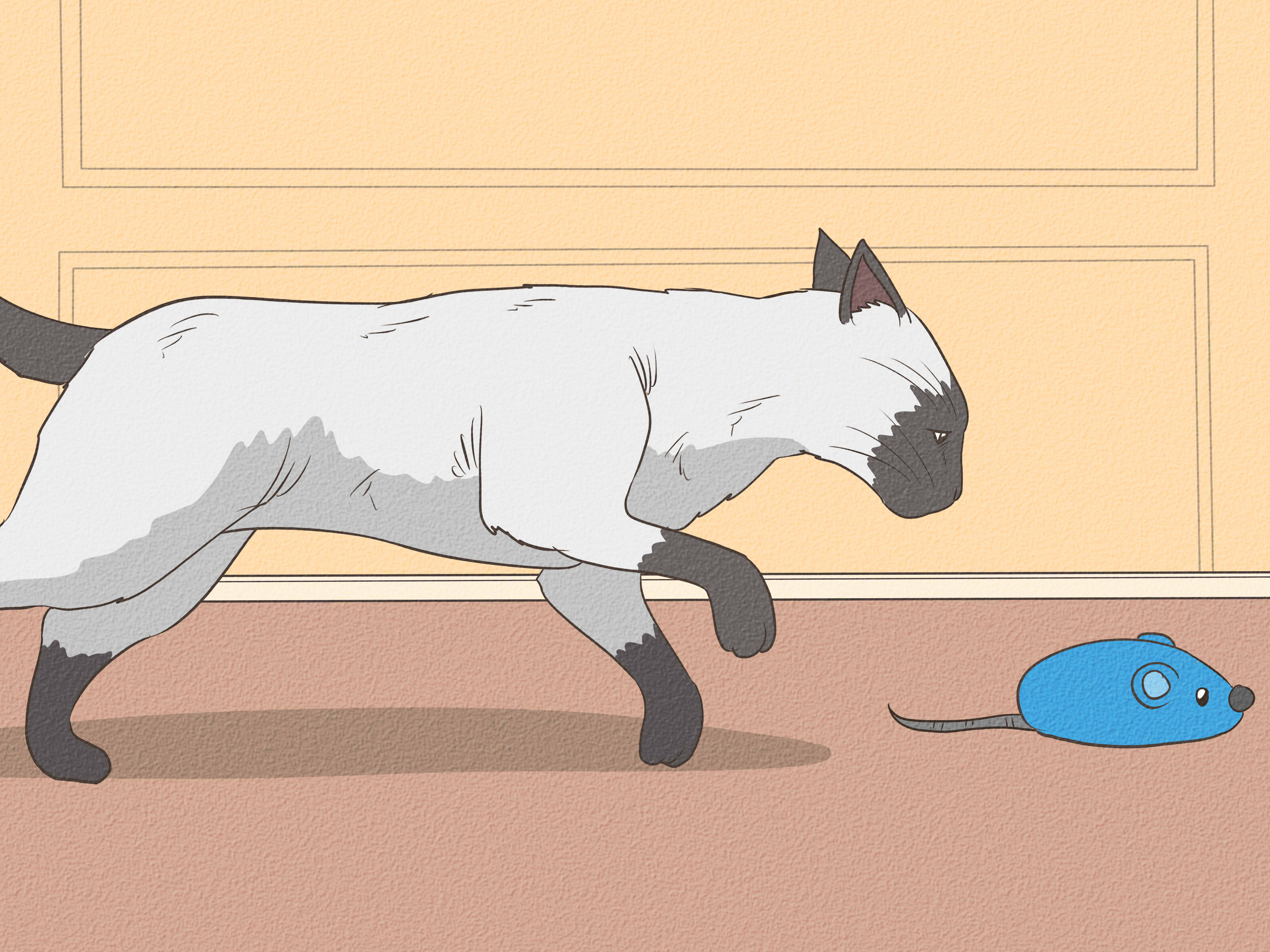
Siamese cats are not the “silent roommate who pays rent in vibes” type of pet. They are elegant, clever, athletic, opinionated, and famously chatty. A Siamese cat may follow you from room to room, supervise your shower, review your snack choices, and deliver a full TED Talk because dinner is three minutes late. In other words, they are not just pets; they are tiny blue-eyed managers in fur coats.
Learning how to care for a Siamese cat means understanding the breed’s special mix of affection, intelligence, energy, and social needs. These cats usually thrive in homes where they receive attention, playtime, mental challenges, routine veterinary care, and a safe environment. Their short coat is low-maintenance, but their emotional life is not. Ignore a Siamese too long and you may receive a complaint department memo in the form of dramatic meowing from the hallway.
This guide breaks Siamese cat care into 11 practical steps, covering food, grooming, litter box habits, enrichment, social bonding, health care, and real-life owner experiences. Whether you just adopted a Siamese kitten, rescued an adult cat, or are considering bringing one home, these tips will help you build a happier, healthier life with your very talkative little shadow.
Step 1: Understand the Siamese Personality Before Anything Else
The first step in Siamese cat care is simple: know what kind of cat you are inviting into your life. Siamese cats are widely loved for their intelligence, curiosity, loyalty, and strong desire for human interaction. They often bond deeply with their people and may become attached to one favorite person while still charming everyone else in the house like a tiny politician running for office.
This breed is also known for being vocal. Some cats meow softly. Siamese cats hold meetings. They may talk when they want food, affection, playtime, access to a closed room, or simply because the sun moved three inches across the floor and someone needed to be informed.
Because they are social, Siamese cats can become bored or lonely if left alone for long periods without stimulation. If your schedule keeps you away from home all day, consider puzzle toys, window perches, rotating play sessions, or even a compatible feline companion. A bored Siamese cat may create its own entertainment, and unfortunately, its idea of “interior design” may involve knocking pens, socks, and small household objects into another dimension.
Step 2: Create a Safe, Cat-Friendly Home
A Siamese cat needs a home that supports climbing, exploring, resting, scratching, and hiding. Think of your house as a small adventure park, not just a place with furniture. Cat trees, wall shelves, sturdy scratching posts, cozy beds, and window perches can help satisfy their need for vertical territory and observation.
Before bringing your cat home, remove hazards such as toxic plants, exposed cords, loose string, small objects that can be swallowed, and open windows without secure screens. Siamese cats are curious and athletic, which is a charming combination until one tries to investigate the top of the refrigerator like a furry mountain climber.
Home setup essentials
Place food and water bowls away from the litter box. Provide a quiet sleeping area. Offer scratching surfaces in areas where your cat naturally wants to stretch. If you have more than one cat, spread resources around the home so nobody has to compete for the same bowl, box, or favorite sunny spot.
Step 3: Feed a High-Quality, Age-Appropriate Diet
Siamese cats are naturally sleek and muscular, but that does not mean they should be underfed or overfed. Their diet should match their age, weight, activity level, and health condition. Kittens need food formulated for growth, adult cats need balanced maintenance nutrition, and senior cats may need food that supports aging joints, digestion, or kidney health depending on veterinary advice.
Choose a complete and balanced cat food that lists animal protein as an important ingredient. Cats are obligate carnivores, meaning their bodies are designed to use nutrients from animal-based foods. Avoid guessing portion sizes based on “vibes.” Use the feeding guide on the food package as a starting point, then adjust with help from your veterinarian based on body condition.
Siamese cats can be active, but indoor cats may still gain weight if they eat too much and move too little. A lean body is healthy; visible ribs, constant hunger, or sudden weight changes are not. If your cat starts looking like a baguette with ears, it is time to review portions and playtime.
Step 4: Keep Fresh Water Available Every Day
Hydration is a basic part of caring for a Siamese cat. Always provide clean, fresh water. Some cats prefer wide bowls that do not rub their whiskers. Others prefer pet fountains because moving water feels fresher and more interesting. Siamese cats, being opinionated little aristocrats, may have strong feelings about bowl shape, water location, and whether the water was changed 12 minutes ago or “in ancient history.”
Wet food can also support hydration because it contains more moisture than dry kibble. This can be helpful for cats that do not drink much on their own. However, diet decisions should be based on your cat’s needs and your veterinarian’s advice, especially if your cat has urinary, kidney, digestive, or weight concerns.
Step 5: Set Up the Litter Box Correctly
A clean litter box is not optional. It is the foundation of indoor cat happiness and household peace. Place the box in a quiet, easy-to-reach area away from loud appliances, food bowls, and heavy foot traffic. Scoop at least once daily and wash the box regularly.
A good rule for multi-cat households is one litter box per cat, plus one extra. Even if your cats are best friends, they may not want to share a bathroom like college roommates in a studio apartment. If your Siamese suddenly avoids the litter box, do not assume they are “being bad.” Litter box changes can be linked to stress, dirty boxes, dislike of litter type, conflict with another pet, or medical issues. A sudden change deserves attention and, when needed, a veterinary visit.
Step 6: Groom the Short Coat Weekly
One of the easy parts of Siamese cat care is grooming. Their short, fine coat usually does not mat easily and does not require complicated maintenance. A weekly brushing session can remove loose hair, spread natural oils, and reduce shedding around the home.
Use a soft brush, grooming mitt, or fine comb. Keep sessions short and pleasant. Siamese cats often enjoy the attention, but they may still prefer grooming to be conducted according to their personal constitution, which they wrote themselves and refuse to show you.
While grooming, check for skin irritation, bald spots, lumps, fleas, scabs, or changes in coat texture. The coat can tell you a lot about overall health. A dull coat, excessive shedding, or overgroomed patches may point to stress, allergies, parasites, pain, or another problem that should be discussed with a veterinarian.
Step 7: Trim Nails and Protect the Furniture
Siamese cats need healthy claws, and your sofa deserves a fighting chance. Trim your cat’s nails every few weeks, depending on how quickly they grow. Use cat nail clippers and remove only the sharp tip, avoiding the pink area called the quick. If you are nervous, ask a veterinarian or groomer to demonstrate.
Scratching is normal cat behavior. It stretches muscles, marks territory, relieves stress, and keeps claws in good condition. Provide vertical and horizontal scratchers made of different materials, such as sisal, cardboard, or carpet. Place them near favorite sleeping areas and beside furniture your cat already targets.
If your Siamese scratches the couch, do not yell. Redirect. Praise and reward use of the scratching post. Cats repeat behaviors that work, especially if treats are involved. A Siamese cat can learn quickly, provided the lesson does not insult their intelligence.
Step 8: Care for Teeth and Gums Early
Dental care is one of the most overlooked parts of cat ownership. Plaque and tartar can contribute to gum disease, bad breath, pain, and tooth loss. Start slowly by getting your Siamese comfortable with gentle mouth handling. Then introduce cat-safe toothpaste and a soft pet toothbrush or finger brush.
Never use human toothpaste on cats. It can contain ingredients that are unsafe for pets. If daily brushing is unrealistic, aim for consistency several times a week and ask your veterinarian about dental diets, treats, rinses, or professional cleanings when appropriate.
Watch for warning signs such as drooling, pawing at the mouth, dropping food, chewing on one side, red gums, bad breath, or reluctance to eat. Cats are masters at hiding discomfort. A Siamese may announce that you moved a chair, but still quietly tolerate dental pain. Regular checkups help catch problems earlier.
Step 9: Provide Daily Play and Mental Stimulation
A Siamese cat needs more than a food bowl and a sunny window. This breed is active and intelligent, so daily enrichment is essential. Use wand toys, feather teasers, puzzle feeders, treat balls, tunnels, climbing towers, and short training sessions. Rotate toys weekly so old toys feel new again.
Two or three play sessions of 10 to 15 minutes can make a big difference. End play by letting your cat “catch” the toy, then offer a small treat or meal. This follows the natural hunt-catch-eat-rest pattern and may reduce nighttime zoomies. No plan removes all zoomies, of course. Some zoomies are simply part of the cat operating system.
Training ideas for Siamese cats
Because Siamese cats are smart and people-oriented, many enjoy clicker training. You can teach simple cues like sit, come, high five, target touch, or walking into a carrier. Training is not about turning your cat into a circus performer. It builds trust, reduces boredom, and gives your cat a polite way to earn rewards without yelling at you from the kitchen counter.
Step 10: Build a Social Routine
Siamese cats thrive on companionship. Create a daily routine that includes greeting your cat, feeding at predictable times, playing, grooming, and relaxing together. These cats often enjoy being included in household life. Let them sit near you while you work, fold laundry, read, or watch TV. They do not need to understand spreadsheets to supervise them.
If your Siamese becomes clingy, vocal, destructive, or restless, consider whether they are getting enough interaction. Social enrichment matters as much as physical exercise. For some cats, a second friendly cat can help, but introductions must be slow and careful. Do not toss two cats together and hope they “work it out.” That is not socialization; that is reality television.
Step 11: Schedule Preventive Veterinary Care
Routine veterinary care helps your Siamese cat live a longer, healthier life. Schedule wellness exams, vaccinations, parasite prevention, dental checks, and weight monitoring based on your veterinarian’s recommendations. Kittens, adults, and seniors have different care needs.
Siamese cats may be associated with certain inherited or breed-related health concerns, so reputable breeders should screen breeding cats and share health information. Whether your cat comes from a breeder, shelter, or rescue, keep a medical file with vaccine history, microchip details, diet notes, medications, and past test results.
Call your veterinarian if you notice sudden weight loss, appetite changes, vomiting, diarrhea, coughing, breathing changes, litter box problems, hiding, limping, excessive thirst, or unusual behavior. You know your cat’s normal routine better than anyone. If your talkative Siamese suddenly goes quiet, or your calm Siamese starts acting frantic, pay attention.
Common Mistakes to Avoid With Siamese Cat Care
One common mistake is underestimating the breed’s need for attention. Siamese cats are not ideal for people who want a decorative pet that quietly appears at dinner. They want connection. Another mistake is skipping enrichment because the cat is indoors. Indoor cats need stimulation, climbing, scratching, and hunting-style play to stay mentally healthy.
Overfeeding is another issue. Because Siamese cats are slender, some owners panic and add too much food. Others free-feed without noticing weight gain. Use body condition, not just the number on the scale, to judge whether your cat is at a healthy size.
Finally, do not ignore vocal changes. A Siamese cat may be naturally loud, but a new type of crying, nighttime distress, or constant meowing can signal stress, pain, cognitive changes, hunger, or illness. When in doubt, check with a veterinarian rather than blaming your cat for being “dramatic.” They may be dramatic, yes, but they may also be telling you something important.
Experiences From Living With a Siamese Cat
Living with a Siamese cat feels less like owning a pet and more like sharing a home with a tiny, elegant roommate who has strong opinions about every household policy. The first thing many owners notice is the conversation. A Siamese does not simply meow once and walk away. They explain. They repeat. They follow up. If you answer back, congratulations: you are now in a relationship with a cat who believes you speak fluent Siamese.
One practical experience many Siamese owners learn quickly is that routine matters. Feed at the same times, clean the litter box consistently, and schedule play sessions before your cat becomes bored enough to invent chaos. A Siamese cat with a routine often feels secure. A Siamese cat without one may become the furry version of a push notification that never stops.
Another lesson is that mental stimulation can prevent many behavior problems. For example, a Siamese who jumps on counters may not be trying to annoy you. They may be seeking height, attention, or something interesting to do. Adding a cat tree near the kitchen, using puzzle feeders, and rewarding good behavior can work better than constant correction. These cats are smart enough to learn rules, but they are also smart enough to test whether the rules apply on weekends.
Grooming is usually easy, but bonding during grooming is valuable. A weekly brushing session can become a calm ritual. Many Siamese cats enjoy the closeness, especially when the brush is introduced gently. The trick is to stop before your cat gets annoyed. Cat grooming is like telling a joke: timing is everything.
Dental care is often the hardest habit to build. Most cats do not wake up one day and request a toothbrush. Start small. Touch the chin, reward. Lift the lip, reward. Let the cat taste pet-safe toothpaste, reward. Over time, the process becomes less dramatic. It may never become glamorous, but neither is paying for dental problems later.
Owners also discover that Siamese cats are emotionally expressive. They may greet visitors, sleep under blankets, sit on laptops, or protest closed doors like tiny civil rights activists. They often want to be near their people, not tucked away in another room. If you work from home, create a cat station beside your desk with a bed, perch, or blanket. Your keyboard will thank you.
One of the best experiences is training. Teaching a Siamese to come when called, touch a target, or enter a carrier voluntarily can make daily life easier. Training also gives the cat a job. This matters because many Siamese cats enjoy being useful, even when their definition of useful includes standing directly between you and the thing you are doing.
The most important experience is learning to listen. A Siamese cat’s voice, posture, appetite, playfulness, and habits all tell a story. When you understand your cat’s normal behavior, you can notice changes early. Good care is not about being perfect. It is about being observant, consistent, affectionate, and willing to adapt. In return, a Siamese cat gives companionship, comedy, loyalty, and enough commentary to fill a podcast.
Conclusion
Caring for a Siamese cat is a joyful responsibility. This breed needs quality food, clean water, a tidy litter box, weekly grooming, dental care, daily play, social bonding, and regular veterinary attention. But beyond the checklist, Siamese cat care is about relationship. These cats want to participate in your life, whether you are cooking dinner, answering emails, or trying to enjoy five quiet minutes without a blue-eyed narrator.
If you provide structure, affection, enrichment, and preventive health care, your Siamese cat can become a lively, loving companion for many years. They may be demanding. They may be loud. They may judge your folding technique. But they will also fill your home with personality, warmth, and the kind of loyalty that makes every meow worth answering.
Note: This article is for educational purposes only. Always consult a licensed veterinarian for medical concerns, diet changes, dental issues, or unusual behavior in your Siamese cat.