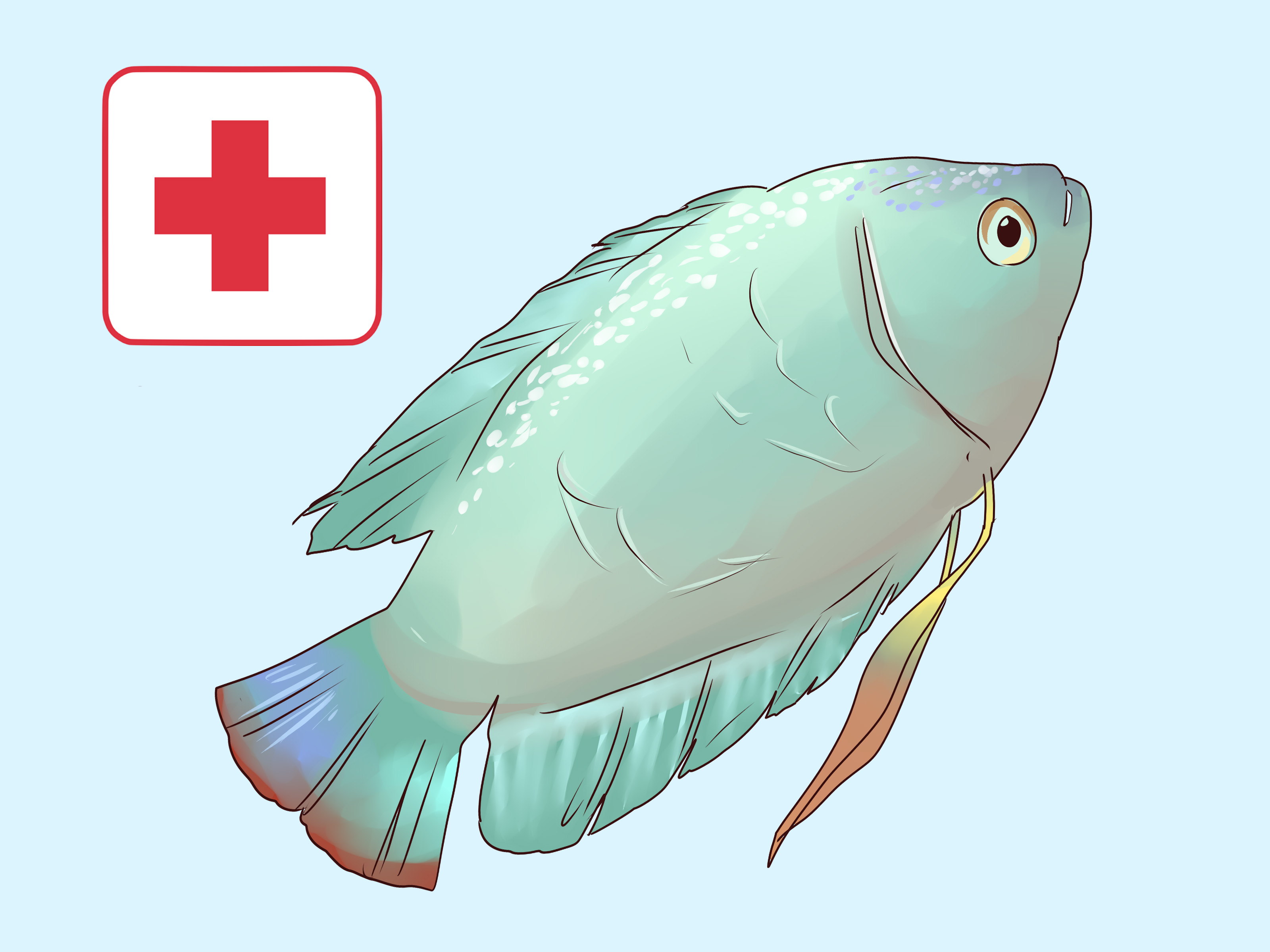
If freshwater aquariums had a tiny celebrity red carpet, the dwarf gourami would absolutely arrive wearing electric blue, flame orange, and the confident expression of a fish who knows the lighting is perfect. Small, colorful, and usually peaceful, the dwarf gourami is one of the most popular centerpiece fish for beginner and intermediate aquarists. But “small” does not mean “maintenance-free,” and “peaceful” does not mean “please throw me into any random glass box with water and vibes.”
Learning how to care for a dwarf gourami means understanding three big things: warm stable water, a calm planted environment, and smart tank mates. Dwarf gouramis are labyrinth fish, which means they can breathe air from the surface. That special ability helps them survive in slow, warm, oxygen-poor waters in nature, but in an aquarium it also means they need easy surface access, gentle filtration, and a secure lid. Think of them as colorful little introverts with snorkels.
This guide breaks dwarf gourami care into 12 practical steps, from choosing the right tank size to feeding, water changes, disease prevention, and everyday observation. Follow these steps and your gourami has a much better chance of becoming the calm, curious, jewel-toned star of your freshwater tank.
Quick Dwarf Gourami Care Overview
- Scientific name: Trichogaster lalius
- Adult size: Usually around 2 to 3 inches
- Temperament: Peaceful, sometimes territorial with other gouramis
- Minimum tank size: 10 gallons for one; 20 gallons or larger is better for a community setup
- Temperature: About 72°F to 82°F, with 76°F to 80°F often ideal
- pH range: About 6.0 to 7.5, though stable water matters more than chasing perfection
- Diet: Omnivore; quality flakes or micro pellets plus frozen, freeze-dried, or live treats
- Best setup: Planted tank, gentle flow, floating plants, open surface access
How to Care for a Dwarf Gourami: 12 Steps
Step 1: Choose a Healthy Dwarf Gourami
Good dwarf gourami care starts before the fish comes home. At the store, look for a fish that swims steadily, reacts to movement, has clear eyes, smooth scales, and fins that are not clamped, torn, or fuzzy. A healthy dwarf gourami should look alert without frantically glass-surfing like it just remembered a deadline.
Avoid fish with bloating, white patches, sores, sunken bellies, unusual lumps, cotton-like growths, rapid breathing, or obvious listlessness. Dwarf gouramis can be prone to health issues, including viral disease in some imported lines, so buying from a reputable store or breeder matters. If every fish in the tank looks tired, pale, or suspiciously “resting,” that is not a bargain bin; it is a warning sign wearing fins.
Step 2: Set Up at Least a 10-Gallon Tank
A single dwarf gourami can live in a 10-gallon aquarium, but a larger tank is easier to stabilize and more forgiving for beginners. If you want a community tank with tetras, rasboras, corydoras, or other peaceful fish, choose 20 gallons or more. Extra water volume gives everyone room to breathe, swim, hide, and avoid unnecessary drama.
Dwarf gouramis are not high-speed athletes. They prefer calm, slow-moving water and do not appreciate being blasted across the tank by a filter that thinks it is a fire hose. Choose a filter rated for your tank size, but adjust the output or use a sponge filter or pre-filter sponge to keep the flow gentle.
Step 3: Cycle the Aquarium Before Adding the Fish
Never add a dwarf gourami to a brand-new, uncycled tank. The aquarium nitrogen cycle is what allows beneficial bacteria to process toxic ammonia from fish waste into nitrite and then into nitrate, which is less toxic and controlled with water changes. Without this bacterial colony, your pretty new aquarium can become a chemistry experiment with terrible customer reviews.
Use a liquid test kit to monitor ammonia, nitrite, nitrate, and pH. In a cycled aquarium, ammonia and nitrite should read 0 ppm. Nitrate should be kept low through regular maintenance, live plants, and partial water changes. Patience at this stage is not optional; it is the invisible equipment that keeps fish alive.
Step 4: Keep the Water Warm and Stable
Dwarf gouramis are tropical freshwater fish, so they need a heater in most homes. Aim for a steady temperature around 76°F to 80°F. They can tolerate a broader range, often listed around 72°F to 82°F, but sudden swings are stressful. Fish do not enjoy surprise weather events in their living room.
Use a reliable aquarium heater and a separate thermometer. Do not rely only on the heater dial, because heater dials occasionally have the accuracy of a fortune cookie. Check the temperature daily, especially during seasonal changes, heat waves, or cold snaps.
Step 5: Maintain Gentle, Clean Water Conditions
The ideal dwarf gourami tank has clean, stable water with a pH around 6.0 to 7.5 and soft to moderately hard water. Many commercially bred dwarf gouramis adapt to slightly different local tap water, so do not obsessively chase one exact pH number. Stability is usually safer than dramatic chemical adjustments.
Perform regular partial water changes, usually 10% to 25% weekly or every other week depending on stocking, feeding, and nitrate levels. Always treat tap water with a conditioner that neutralizes chlorine or chloramine. Match the replacement water temperature closely to the tank. A water change should feel like fresh laundry day, not a polar plunge challenge.
Step 6: Create a Planted, Peaceful Habitat
Dwarf gouramis come from slow-moving, heavily vegetated waters, so they feel most secure in a planted aquarium. Live plants such as Java fern, Anubias, water sprite, Amazon sword, Vallisneria, and floating plants help create cover and reduce stress. Floating plants are especially useful because dwarf gouramis often spend time near the surface.
Leave some open surface space so your fish can breathe air easily. A fully sealed carpet of floating plants may look cozy, but your gourami still needs a front door to the oxygen buffet. Driftwood, smooth stones, and shaded areas can also help the fish feel safe. A darker substrate can make their colors appear richer, which is basically aquarium stage lighting.
Step 7: Use a Lid and Protect Surface Access
Because dwarf gouramis breathe atmospheric air, they regularly visit the surface. Keep the surface accessible and avoid strong agitation that makes the top of the water feel like a washing machine. A lid is also important because gouramis may jump, especially when startled.
A lid also helps keep the air above the water warm and humid. This matters for labyrinth fish because they breathe from the surface. The goal is a calm top layer, not a wind tunnel. Gentle bubbles are fine, but if your floating plants are doing laps, reduce the flow.
Step 8: Choose Peaceful Tank Mates
Dwarf gouramis usually do well with calm, similarly sized fish. Good options may include harlequin rasboras, ember tetras, neon tetras, small danios, corydoras catfish, kuhli loaches, and peaceful livebearers in suitable water conditions. Bottom dwellers are often excellent companions because they occupy different areas of the tank.
Avoid fin nippers such as some tiger barbs, overly aggressive cichlids, large predatory fish, and anything that treats flowing gourami fins like a snack with handles. Also be careful with multiple male dwarf gouramis. Males can become territorial with each other, especially in small tanks. If you want more than one gourami, use a larger aquarium with plenty of cover and research the sex ratio carefully.
Step 9: Feed a Varied Omnivore Diet
Dwarf gouramis are omnivores. A high-quality tropical flake or small floating pellet can be the daily staple, but variety keeps them healthier and more colorful. Offer occasional frozen or freeze-dried foods such as bloodworms, brine shrimp, daphnia, or mysis shrimp. You can also include small portions of vegetable-based foods such as spirulina flakes.
Feed small amounts once or twice per day, only as much as they can eat in about one to two minutes. Overfeeding is one of the easiest ways to ruin water quality. Your fish may act like it has never seen food before, but remember: a dwarf gourami has the stomach of a tiny fish, not a Thanksgiving guest with stretchy pants.
Step 10: Watch Behavior Every Day
Daily observation is one of the most underrated parts of dwarf gourami care. Spend a minute or two watching how your fish swims, eats, breathes, and interacts with tank mates. A healthy dwarf gourami should explore, come to the surface, inspect plants, and respond to food.
Warning signs include refusing food, hiding constantly, rapid breathing, clamped fins, faded color, bloating, sores, fuzzy growths, white spots, rubbing against objects, or swimming awkwardly. These symptoms can point to water-quality problems, parasites, bacterial infections, stress, or other illness. The earlier you notice changes, the better your chances of fixing the problem.
Step 11: Quarantine New Fish and Plants When Possible
A quarantine tank is one of the smartest investments an aquarist can make. New fish can carry parasites or infections even when they look fine. Quarantining new arrivals for two to four weeks helps protect your main aquarium. It also gives the new fish time to recover from shipping, store stress, and the general emotional experience of being moved in a plastic bag.
A simple quarantine setup can include a small cycled tank, heater, sponge filter, hiding place, and bare bottom for easy cleaning. Observe the fish closely before adding it to your display tank. This step is especially valuable with dwarf gouramis because health quality can vary widely depending on breeding and supply chains.
Step 12: Keep a Simple Maintenance Routine
Consistency is the secret sauce of successful dwarf gourami care. Test water regularly, clean the filter gently in old tank water when needed, remove uneaten food, trim plants, and change water on a predictable schedule. Do not replace all filter media at once, because that can remove beneficial bacteria and destabilize the tank.
Use a gravel vacuum to remove debris from the substrate during water changes. Clean algae from the glass as needed, but do not sterilize the aquarium. A healthy tank is not a hospital operating room; it is a living ecosystem with beneficial bacteria doing unpaid but essential labor.
Common Dwarf Gourami Problems and How to Prevent Them
Poor Water Quality
Many fish illnesses begin with poor water quality. High ammonia, nitrite, or nitrate can stress fish and weaken their immune systems. If your dwarf gourami looks unwell, test the water before reaching for medication. Many problems are solved by improving water conditions, adjusting feeding, and performing careful partial water changes.
Stress from Strong Flow
Dwarf gouramis prefer calm water. If your fish avoids open areas, struggles to swim, or hides behind decorations all day, the filter current may be too strong. Baffle the filter output, add plants, or switch to a gentler sponge filter.
Bullying or Territorial Behavior
Although dwarf gouramis are peaceful compared with many fish, males can still become bossy. A male may chase other gouramis or guard a favorite surface area, especially during bubble nest behavior. Add visual barriers with plants and decor, avoid overcrowding, and do not keep multiple males in cramped quarters.
Dwarf Gourami Disease Concerns
Dwarf gourami iridovirus has been reported in the ornamental fish trade and is one reason careful sourcing and quarantine are important. Not every sick dwarf gourami has this virus, and hobbyists should avoid guessing wildly based on one symptom. Still, unexplained wasting, sores, swelling, lethargy, or sudden decline should be taken seriously. Isolate sick fish when possible and consult an aquatic veterinarian or experienced aquarium professional for diagnosis and treatment options.
Can You Breed Dwarf Gouramis?
Yes, dwarf gouramis can breed in aquariums, but breeding requires planning. Males build bubble nests at the surface, often using floating plants as support. A breeding tank is usually shallow, warm, calm, and equipped with a sponge filter. The male cares for the nest at first, while the female is often removed after spawning to prevent stress or egg predation.
Fry are tiny and need very small foods at first, such as infusoria, before moving on to baby brine shrimp or finely prepared fry foods. Breeding can be fascinating, but it is not necessary for enjoying dwarf gouramis. For most hobbyists, keeping one healthy, colorful male in a peaceful planted community tank is already a small aquatic victory parade.
Best Tank Setup Example for One Dwarf Gourami
Here is a practical beginner-friendly setup:
- Tank: 20-gallon long aquarium
- Filter: Sponge filter or adjustable hang-on-back filter with gentle flow
- Heater: Set around 78°F
- Plants: Java fern, Anubias, water sprite, floating frogbit or salvinia
- Substrate: Sand or fine gravel
- Tank mates: 8 harlequin rasboras, 6 small corydoras, and 1 male dwarf gourami
- Maintenance: Weekly water test and 20% water change as needed
This layout gives the gourami the upper level, the rasboras the middle, and corydoras the bottom. Everyone has a lane. No one needs to start a neighborhood association.
Extra Experience: What Caring for a Dwarf Gourami Feels Like in Real Life
The first thing many aquarists notice about a dwarf gourami is that it is not just colorful; it is nosy. Once settled, a healthy dwarf gourami often cruises around the tank like a tiny inspector with whisker-like pelvic fins. It may examine plant leaves, hover near the surface, check out the filter intake, and stare at you during feeding time with the quiet judgment of a restaurant critic.
In real-life care, the biggest lesson is that dwarf gouramis reward calm aquariums. A tank with too much current, too many hyperactive fish, or too little plant cover can make them shy and stressed. But place that same fish in a warm, planted tank with floating cover and peaceful tank mates, and its personality often opens up. It may build bubble nests, patrol a favorite corner, and learn when food is coming. Some even recognize the person who feeds them, or at least recognize the magical human-shaped food dispenser.
Another practical experience is that less food is usually better than more. Dwarf gouramis are eager eaters, but uneaten food quickly turns into water-quality trouble. A tiny pinch of food disappears fast; a “loving” mountain of flakes becomes aquarium confetti and then nitrate. Many keepers find that one small feeding in the morning and one small feeding later in the day works well, with occasional treat foods for variety.
Water changes are also easier when done before problems appear. Waiting until the tank looks dirty is like waiting until your car smokes before checking the oil. A weekly routine keeps the aquarium stable and prevents slow-building issues. During water changes, watch your gourami’s reaction. If it hides briefly and then comes back out, that is normal. If it gasps, darts wildly, or stays stressed for hours, check temperature matching, conditioner use, and water parameters.
Tank mate choice can make or break the experience. Dwarf gouramis do best with neighbors that mind their own business. Peaceful schooling fish create movement without harassment. Bottom dwellers clean up the lower level visually, though they still need their own proper food. Avoid fish that nip fins or compete aggressively at the surface. The dwarf gourami may look fancy, but it is not built for bar fights.
One of the most satisfying parts of keeping dwarf gouramis is watching their color improve as they settle. A stressed fish may look washed out at first. After a few weeks in stable water with good food and plant cover, the blues and reds often become more vibrant. This is not magic; it is husbandry. Good care is the aquarium version of turning on high-definition mode.
The most important experience-based advice is simple: observe before acting. New aquarists sometimes panic and add medication, change all the water, replace the filter media, scrub the tank, and accidentally create five new problems while trying to solve one. If your dwarf gourami seems off, test the water first, check the heater, look for bullying, review feeding, and make careful changes. Calm problem-solving beats dramatic aquarium heroics almost every time.
Finally, enjoy the fish for what it is. A dwarf gourami is not a schooling fish, not a giant show fish, and not a maintenance robot. It is a small, curious, air-breathing freshwater fish that thrives when its environment is stable, planted, warm, and peaceful. Give it those basics, and it can become the little jewel of your aquariumthe kind of fish that makes guests lean closer and say, “Wait, what is that one?” At which point you may proudly answer, “That is my dwarf gourami, and yes, it knows it is fabulous.”
Conclusion
Caring for a dwarf gourami is not difficult, but it does require consistency. Start with a properly cycled tank, keep the water warm and clean, use gentle filtration, provide plants and floating cover, feed a varied diet, and choose peaceful tank mates. Most problems come from rushing the setup, overfeeding, overcrowding, or ignoring early warning signs.
If you want a colorful freshwater fish with personality, beauty, and just a touch of diva energy, the dwarf gourami is a wonderful choice. Treat the tank like a stable ecosystem rather than a decorative bowl, and your gourami will have the best chance to thrive. In return, it will bring color, motion, and a surprising amount of charm to your aquariumno tiny sunglasses required.