Breeding Syrian hamsters sounds simple at first: place two fluffy potatoes together, wait a little while, and suddenly you have a tiny nursery full of squeaking jellybeans. In real life, however, responsible Syrian hamster breeding requires planning, patience, careful timing, and a very serious respect for one important fact: Syrian hamsters are solitary animals. They may look cuddly, but they are not looking for roommates, dinner dates, or “just one weekend together” arrangements unless the female is actually receptive.
This guide explains how to breed Syrian hamsters responsibly, from choosing healthy adults to caring for the mother and pups. It is written for people who want accurate, practical informationnot rushed advice that turns a cute idea into a stressful situation for the animals. Before breeding, remember that every litter needs space, food, care, and future homes. If you cannot confidently provide those things, the kindest breeding plan is no breeding plan at all.
Understanding Syrian Hamsters Before Breeding
The Syrian hamster, also called the golden hamster or teddy bear hamster, is one of the most popular pet hamsters in the United States. Adults are larger than dwarf hamsters, generally easier to handle, and available in many coat colors and textures. That popularity, however, sometimes creates a problem: people assume they are easy to breed because they are easy to find.
Syrian hamsters are territorial. Once mature, they should be housed alone. Keeping two adults together can lead to severe fighting, stress, injury, or death. This is why breeding Syrian hamsters is not the same as keeping a male and female together permanently. A responsible breeder introduces the pair only at the correct time, supervises closely, and separates them immediately after mating.
Should You Breed Syrian Hamsters?
Before asking how to breed Syrian hamsters, ask whether you should. A single litter can produce six to eight pups on average, and sometimes more. Each baby will eventually need its own safe housing plan. Syrian hamsters cannot simply remain together forever like a tiny furry apartment complex.
Responsible reasons to breed
Ethical breeding may make sense if you are improving health, temperament, and genetic quality; if you understand hamster care deeply; and if you already have homes prepared for the pups. Good breeders track parentage, avoid known genetic problems, and choose hamsters with stable temperaments. They also retire breeding animals early and do not treat females like nonstop baby machines.
Bad reasons to breed
Do not breed Syrian hamsters because “babies are cute,” because a child wants to watch birth, because you want quick money, or because you accidentally bought two hamsters and thought, “Well, nature has a plan.” Nature’s plan often includes stress, fighting, surprise vet bills, and a lot of cages you did not budget for.
Choosing Healthy Syrian Hamsters for Breeding
The best breeding pair starts with health. Choose Syrian hamsters that are bright-eyed, active at normal waking times, well-fed but not obese, and free from signs of illness. Avoid breeding hamsters with chronic respiratory symptoms, diarrhea, wetness around the tail, unexplained weight loss, poor teeth, tumors, neurological issues, or aggressive temperaments that go beyond normal fear or poor handling.
Age matters. A female should not be bred too young. Many ethical breeders wait until the female is around four months old, when she is physically more mature. Breeding too early can be hard on her body and may increase the risk of poor maternal behavior. Females should also not be bred repeatedly. A responsible limit is usually only a few litters in her lifetime, with rest between litters and retirement while she is still healthy.
The male should also be healthy, mature, and unrelated to the female. Avoid close relatives unless you have advanced genetics knowledge and a serious breeding program. Inbreeding can increase the risk of hidden health problems showing up in pups. “They look fine” is not a genetic screening strategy; it is wishful thinking wearing a tiny lab coat.
Preparing the Breeding Setup
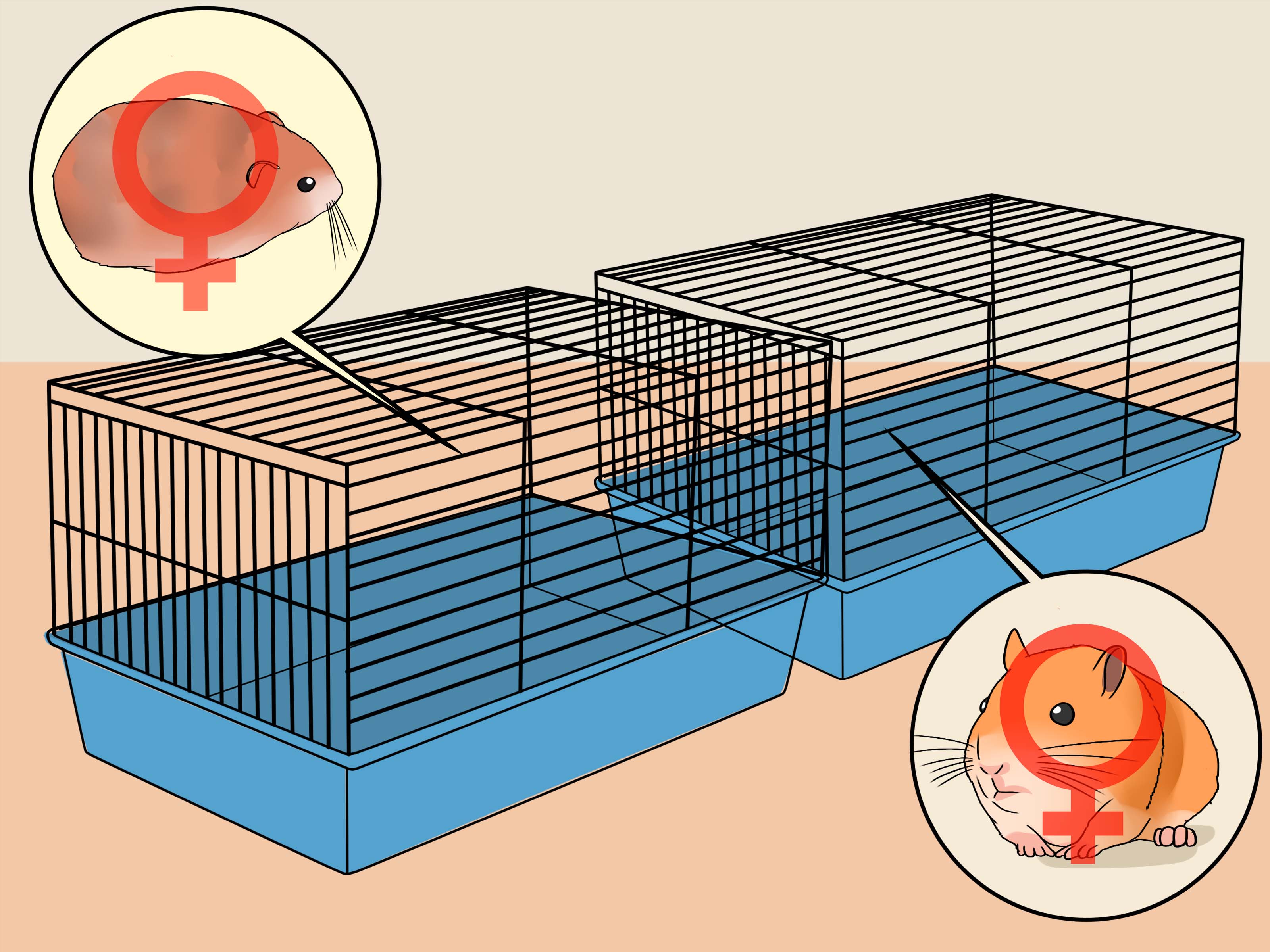
Preparation is the difference between a calm breeding attempt and a chaotic hamster soap opera. You will need separate enclosures for the male and female before breeding, a neutral mating space or the male’s clean territory for introduction, a quiet maternity cage, extra bedding, high-quality food, and enough future cages or homes for the pups.
Housing before breeding
Keep the male and female in separate cages. Each cage should be secure, well-ventilated, escape-proof, and large enough for normal hamster behavior. Provide deep safe bedding, a properly sized solid exercise wheel, chew items, hides, and fresh water. Avoid cedar and pine shavings, which can irritate small animals. Paper-based bedding and safe aspen bedding are common choices.
The maternity cage
The female’s maternity cage should be prepared before birth, not during labor while you panic like a tiny-animal wedding planner. Use a clean enclosure with plenty of soft nesting material such as unscented toilet tissue strips. Keep food and water easy to access. Place the cage in a quiet area away from loud noise, curious pets, and constant human traffic.
Knowing When the Female Is Ready
Female Syrian hamsters come into heat about every four days. The receptive window often occurs in the evening or at night, which matches their natural activity pattern. When she is receptive, she may freeze with her tail area raised when gently stroked along the back. This posture is called lordosis. If she is not receptive, she may attack the male quickly and seriously.
This is where beginners often make the biggest mistake: they introduce the pair randomly and hope romance happens. With Syrian hamsters, hope is not a plan. If the female is not in heat, she may treat the male less like a boyfriend and more like an intruder who owes rent.
How to Introduce Syrian Hamsters for Mating
Introduce the pair only when you believe the female is receptive. Many breeders prefer using a neutral, escape-proof space or bringing the female to the male’s area rather than placing the male into the female’s cage. The female’s cage is her territory, and she may defend it aggressively.
Step-by-step introduction
First, prepare a safe area where you can separate the hamsters quickly. Wear gloves if needed, or keep a flat object such as a piece of cardboard nearby to gently block them if they fight. Second, place both hamsters in the chosen space and watch closely. Third, look for receptive behavior from the female. If she freezes and allows the male to mount, mating may occur. If she chases, bites, rolls, squeals aggressively, or attacks, separate them immediately and try another day.
Never leave Syrian hamsters together unsupervised. Once mating has occurred, separate them. They do not need to cuddle afterward, exchange tiny phone numbers, or build a shared nursery. The female will raise the litter alone.
Pregnancy in Syrian Hamsters
Syrian hamster pregnancy is short, usually around 16 to 17 days. That means there is very little time to prepare once mating has happened. During pregnancy, the female may become rounder, more active in nest-building, more protective, or more sensitive to disturbance. Some females show obvious changes; others keep their secrets until the pups arrive and you suddenly hear tiny squeaks from the nest.
Feeding the pregnant female
A pregnant Syrian hamster needs a balanced diet. Use a high-quality hamster pellet or lab block as the foundation, with limited amounts of safe fresh vegetables and occasional protein-rich foods. Small portions of cooked egg, plain cooked chicken, or mealworms may be used by some keepers, but do not overload her diet with rich treats. Fresh water should always be available.
Avoid sudden diet changes. Pregnancy is not the time to experiment with trendy snacks from the back of the pantry. Keep the food consistent, nutritious, and clean. Remove uneaten fresh food before it spoils.
Birth and the First Week
When birth is near, the female may become restless and spend more time in the nest. Once the pups are born, your job is mostly to leave her alone. This is emotionally difficult because baby hamsters are unbelievably tiny and curiosity is powerful. Resist it anyway.
Do not handle newborn pups. Do not dig through the nest. Do not keep lifting the hide to “check.” Too much disturbance can stress the mother, and stress can lead to neglect or harm to the litter. Keep the room calm, refill food and water quietly, and spot-clean only if absolutely necessary. For the first week, think of yourself as a silent room-service employee in a very exclusive hamster hotel.
Caring for Syrian Hamster Pups
Newborn pups are hairless, blind, and completely dependent on their mother. Over the next two weeks, they develop quickly. Fur begins to appear, their bodies grow rounder, and they start moving around the nest. Around 10 days, soft or moistened solid food may be placed within reach, but the mother’s milk remains essential.
By about three to four weeks, pups are usually ready for weaning. At that stage, they should be separated from the mother and sorted by sex to prevent accidental breeding. This part matters. Hamsters mature quickly, and a “just a few more days together” decision can create another surprise litter before you have finished placing the first one.
Sexing the pups
Sexing young hamsters can be tricky. Males usually have a greater distance between the genital opening and anus, while females have openings closer together. If you are unsure, ask an experienced breeder or exotic-animal veterinarian for help. Guessing is not ideal because one mistake can turn your nursery into a population explosion with bedding.
Finding Homes for Baby Syrian Hamsters
Every pup needs a responsible home. Screen future owners before the babies are ready to leave. Ask whether they understand that Syrian hamsters must live alone, need a properly sized enclosure, require daily water and food, and are active mostly at night. A good home is not simply someone who says, “Aww, cute!” A good home is someone who has already bought the cage, bedding, wheel, food, and water bottle before pickup day.
Do not sell or give away pups too early. Young hamsters need time to wean, eat independently, and develop. Also avoid sending mixed-sex groups to new owners unless each animal is clearly separated. The goal is healthy pets, not a sequel litter.
Common Syrian Hamster Breeding Mistakes
Keeping the pair together
This is the classic mistake. Syrian hamsters should not live as couples. They meet briefly for breeding and then return to separate housing. Permanent pairing can be dangerous.
Breeding unknown pet-store hamsters
Pet-store hamsters may have unknown ages, unknown genetics, and possible accidental pregnancies already in progress. If you want to breed responsibly, start with animals from a reputable breeder who can provide background information.
Handling pups too early
Handling newborns too soon may stress the mother. Wait until the pups are older and the mother is calm before gradually introducing gentle handling.
Not planning enough cages
One litter can require multiple enclosures within a month. If you only own one cage, you are not ready to breed Syrian hamsters. You are ready to shop.
Health Problems to Watch For
Contact an exotic-animal veterinarian if the mother seems extremely weak, has heavy bleeding, refuses food, appears unable to care for the pups, has trouble giving birth, or shows signs of infection. Also seek help if pups are scattered and cold, if the mother abandons the nest, or if the litter is not nursing. Not every emergency can be solved at home, and small animals can decline quickly.
Good breeders also track weights, behavior, and development. A simple notebook can help you record mating date, expected due date, birth date, number of pups, weaning date, sex separation date, and placement information. This sounds less adorable than baby photos, but it is much more useful.
Ethical Breeding Checklist
Before breeding Syrian hamsters, confirm that you can answer “yes” to each of these questions:
- Are both parents healthy, mature, and unrelated?
- Do you understand Syrian hamster genetics well enough to avoid risky pairings?
- Do you have separate cages for the parents?
- Do you have a safe maternity setup ready?
- Can you afford extra food, bedding, supplies, and veterinary care?
- Do you have homes prepared for the pups?
- Can you separate pups by sex at weaning?
- Are you breeding for health and temperament, not just cuteness?
If any answer is “no,” pause. Waiting is not failure. In animal care, waiting is often wisdom wearing practical shoes.
of Real-World Experience: What Responsible Breeding Feels Like
One of the biggest lessons from experienced Syrian hamster keepers is that breeding is mostly preparation, not the dramatic moment of pairing. The actual introduction may last only minutes, but the planning begins weeks or months earlier. The calmest breeders are usually the ones who already know where every pup might go, which cages are ready, what food will be used, and which veterinarian they would call if something goes wrong.
A practical experience many breeders describe is the importance of timing. When the female is truly receptive, the introduction can be surprisingly smooth. She may pause, allow the male to approach, and mating occurs without much drama. When she is not receptive, everything changes. The mood can shift in seconds, and the male may be at risk. This is why supervision is non-negotiable. You cannot place them together and walk away to answer a text, make coffee, or admire your future “hamster grandparent” status.
Another real-world lesson is that the maternity period rewards quiet people. New owners often want to peek into the nest constantly because they are worried. Ironically, too much checking can create more risk. The better approach is boring but effective: provide food, water, warmth, and quiet. Watch from a distance. Listen for normal activity. Let the mother do her job unless there is a clear sign of trouble.
Food planning also becomes more important than expected. A nursing female eats more, hoards more, and appreciates easy access to nutrition. Keep her staple food consistent, add safe extras in small amounts, and remove fresh leftovers before they spoil. Do not turn the cage into a buffet of random treats. A hamster does not need a five-course tasting menu; she needs reliable nutrition.
Weaning week is often the busiest stage. The pups suddenly look like tiny independent hamsters, full of energy and bad ideas. They explore, climb, nibble food, and begin showing individual personalities. This is also when organization matters. You need to separate sexes correctly, prepare temporary housing, and communicate with future owners. A pup that looks “too little to cause trouble” can still mature quickly enough to create problems if left with the wrong group for too long.
The final experience is emotional: not every person who wants a baby hamster is prepared for one. Some people fall in love with the photo but have not researched cage size, bedding depth, diet, or the solitary nature of Syrians. A responsible breeder must be comfortable saying no. The goal is not to move pups quickly; the goal is to place them well. When each young hamster leaves for a prepared home, with an owner who understands the basics, breeding feels less like producing pets and more like completing a careful chain of care.
Conclusion
Learning how to breed Syrian hamsters responsibly means learning when not to rush. Choose healthy, mature parents. Keep adults housed separately. Introduce them only when the female is receptive, supervise the entire meeting, and separate them immediately afterward. Prepare the mother’s cage before birth, keep the environment quiet, avoid handling newborn pups too early, and separate babies by sex at weaning.
Syrian hamster breeding can be rewarding, but it should never be casual. These animals are small, but their needs are not. Responsible breeding is built on health, planning, patience, and respect for the fact that every pup deserves a safe, informed, permanent home.