Hormonal acne has a special talent for showing up at the worst possible time: before a date, before a presentation, or approximately 14 seconds after you finally decide your skin is behaving. It often appears along the chin, jawline, cheeks, neck, chest, or back, and it may flare around menstrual cycles, stress, sleep disruption, or other hormonal changes.
Food is not a magic eraser for acne, and no smoothie has ever marched into a clogged pore wearing a tiny superhero cape. Still, diet can influence blood sugar, insulin signaling, inflammation, and some hormones involved in oil production. A practical hormonal acne diet focuses on steady, nourishing meals rather than fear, fasting, or declaring war on every delicious food in your kitchen.
Can Diet Really Improve Hormonal Acne?
For some people, yes. For others, diet makes only a modest difference. Acne is a complex inflammatory skin condition influenced by genetics, oil production, clogged follicles, bacteria, stress, medications, skincare products, and hormones. That means a balanced eating pattern can support clearer skin, but it cannot always replace acne treatment from a dermatologist.
The strongest nutrition evidence points toward lowering the overall glycemic load of your diet. In plain English, that means eating fewer meals that cause a quick blood sugar spike and more meals built around fiber-rich carbohydrates, protein, and healthy fats. Research reviews have found that high-glycemic diets are associated with more acne and that lower-glycemic eating patterns may reduce acne lesions for some people.
Think of it this way: your skin does not need a punishment diet. It needs fewer blood-sugar roller coasters and more boringly reliable fuel. Fortunately, “boringly reliable” can still include tacos, pasta, and dessert. We are improving the pattern, not turning your refrigerator into a monastery.
What to Eat for Hormonal Acne
1. Choose Lower-Glycemic Carbohydrates More Often
Carbohydrates are not the villain in a tiny black cape. Your brain, muscles, and mood all use them. The key is choosing carbohydrates that digest more slowly and pairing them with protein, fiber, or fat.
Build meals around foods such as:
- Oats, steel-cut oats, and unsweetened whole-grain cereals
- Quinoa, brown rice, wild rice, barley, and farro
- Beans, lentils, chickpeas, and peas
- Sweet potatoes, squash, and corn
- Whole-grain bread or pasta in sensible portions
- Whole fruits such as berries, apples, oranges, peaches, and pears
A bowl of sugary cereal by itself may leave you hungry again before your inbox has loaded. A bowl of oats topped with berries, chia seeds, and eggs on the side is more likely to keep your energy steady. That steadier pattern may be helpful for people whose acne appears sensitive to insulin and blood-sugar swings.
2. Eat Enough Protein at Every Meal
Protein does not directly “cure” hormonal acne, but it can help meals feel more satisfying and reduce the urge to chase a pastry with another pastry because the first pastry opened a portal to chaos. Include protein with breakfast, lunch, dinner, and snacks when possible.
Acne-friendly protein ideas include eggs, fish, chicken, turkey, tofu, tempeh, edamame, lentils, beans, unsweetened Greek yogurt if dairy works for you, and lean cuts of meat. If you regularly use protein shakes, pay attention to the ingredient list. Some people suspect whey protein is a trigger, especially when breakouts cluster around the jawline or cheeks.
Whey is not automatically bad, and it does not cause acne in everyone. But if you drink whey shakes daily and your acne is stubborn, trying a non-whey alternative for several weeks can be a reasonable experiment. Soy, pea, hemp, or blended plant protein powders are possible substitutes.
3. Add Omega-3-Rich Foods for an Anti-Inflammatory Pattern
Omega-3 fatty acids are not a miracle acne treatment, but they fit well into an overall skin-supportive eating pattern. Fatty fish, walnuts, chia seeds, flaxseed, and hemp seeds provide useful fats and replace some highly processed snack foods that do not exactly send thank-you notes to your skin.
Aim to include salmon, sardines, trout, or other oily fish a couple of times per week if you enjoy seafood. Plant-based eaters can add ground flaxseed or chia seeds to oats, smoothies, yogurt alternatives, soups, or salad dressings. A tablespoon of ground flaxseed is not glamorous, but neither is a surprise chin breakout, so we all make sacrifices.
Scientific reviews suggest omega-3 intake may be supportive, but the evidence is still not strong enough to treat fish oil capsules like prescription medicine. Food-first is the sensible starting point.
4. Fill Your Plate With Colorful Plants
Vegetables and fruits do not scrub pores from the inside, but they bring fiber, vitamins, minerals, and protective plant compounds to your diet. A colorful plate also tends to crowd out ultra-processed foods without requiring you to eat plain lettuce while staring sadly at everyone else’s pizza.
Try to include several colors across the day:
- Red and orange: tomatoes, bell peppers, carrots, sweet potatoes, strawberries
- Dark green: spinach, kale, broccoli, arugula, green beans
- Purple and blue: blueberries, blackberries, red cabbage, eggplant
- White and tan: mushrooms, onions, cauliflower, garlic, oats
There is no requirement to eat a rainbow in one sitting. This is not a competitive art project. A more realistic goal is adding one fruit or vegetable to meals that currently have none.
5. Include Zinc-Rich Foods, But Do Not Overdo Supplements
Zinc plays important roles in immune function and wound healing, so it often appears in conversations about acne. Good food sources include oysters, beef, chicken, pumpkin seeds, chickpeas, lentils, yogurt, and fortified cereals.
It is smarter to get zinc from food before jumping into high-dose supplements. Excessive zinc supplements can interfere with copper absorption and may cause other health problems. A dermatologist, pharmacist, or registered dietitian can help you decide whether a supplement makes sense for you.
Foods to Test, Not Automatically Ban
High-Glycemic Foods
Foods that quickly raise blood sugar may be worth reducing if you notice frequent inflammatory breakouts. Common examples include sugary beverages, candy, pastries, white bread, chips, sweetened cereals, large portions of white rice, and highly processed snack foods.
This does not mean you can never eat a cookie again. It means the everyday pattern matters more than one birthday cupcake. Try choosing these foods less often, eating smaller portions, or pairing them with a balanced meal instead of eating them alone on an empty stomach.
Milk, Dairy, and Whey Protein
Dairy is one of the most discussed acne triggers, but the evidence is mixed. Some research links milk, especially skim milk, and whey protein with acne in certain people. Other people consume dairy regularly with no obvious skin issues. Association does not prove that dairy causes acne for everyone.
If you suspect dairy is affecting your skin, do not panic and throw every cheese product into the nearest body of water. Instead, run a structured test. Remove milk and whey protein for six to eight weeks while keeping the rest of your routine stable. Track breakouts, menstrual timing, stress, sleep, and skincare. Then reintroduce one item at a time.
If you reduce dairy, make sure you still get calcium, vitamin D, and protein from foods such as fortified plant milk, tofu made with calcium sulfate, canned salmon with bones, beans, greens, eggs, or other nutrient-rich options.
Chocolate, Fried Foods, and “Acne-Causing” Myths
Chocolate has been unfairly blamed for many breakouts. The bigger issue may be added sugar, milk ingredients, or an overall diet high in refined foods rather than cocoa itself. Dark chocolate with a short ingredient list is not automatically a skin disaster.
Likewise, greasy food does not travel directly from your fries to your pores by secret plumbing. However, a diet packed with highly processed foods, refined carbohydrates, and saturated fats may contribute to inflammation or crowd out more nutrient-dense choices. The goal is not perfection. The goal is building a pattern your skin and body can live with long term.
A Simple Hormonal Acne Meal Formula
For most meals, use this easy template:
- Half the plate: non-starchy vegetables or a mix of vegetables and fruit
- One quarter: protein such as fish, chicken, tofu, beans, eggs, or lentils
- One quarter: high-fiber carbohydrates such as quinoa, beans, sweet potato, oats, or brown rice
- Add: a healthy fat such as avocado, olive oil, nuts, seeds, or tahini
Here is a practical day of eating:
- Breakfast: Oatmeal with berries, chia seeds, cinnamon, and scrambled eggs.
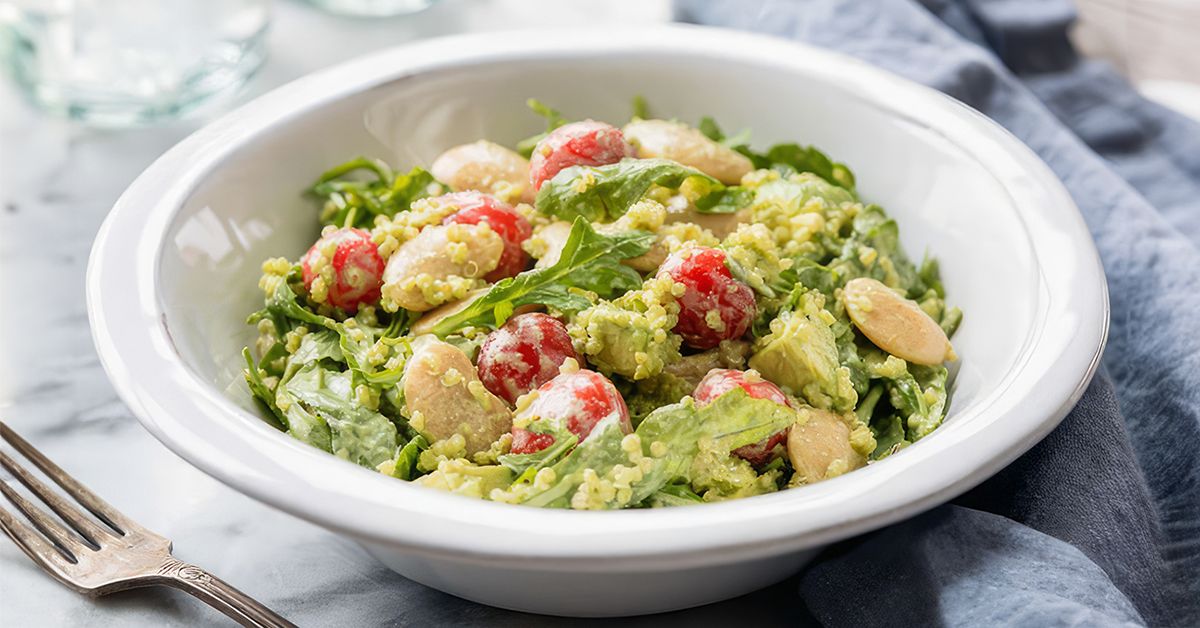
- Lunch: Grain bowl with roasted vegetables, chickpeas, avocado, greens, and lemon-tahini dressing.
- Snack: Apple slices with peanut butter or hummus with bell peppers.
- Dinner: Salmon or tofu, roasted sweet potato, broccoli, and brown rice.
- Dessert: A few squares of dark chocolate, fruit with cinnamon, or a homemade yogurt alternative with berries.
Notice what is missing: starvation, food guilt, and a 47-step ritual involving celery juice at sunrise.
How to Try a Hormonal Acne Diet Without Losing Your Mind
The best acne diet is one you can follow consistently. Start with one or two changes rather than replacing your entire pantry in a single dramatic afternoon.
- Eat a protein-rich breakfast instead of a high-sugar breakfast.
- Replace sweet drinks with water, sparkling water, unsweetened tea, or coffee with less added sugar.
- Add vegetables or fruit to two meals each day.
- Swap one refined snack for nuts, fruit, roasted chickpeas, popcorn, or yogurt if tolerated.
- Try a dairy or whey-free test only if you suspect those foods are affecting your skin.
- Track your acne for at least six weeks before deciding whether the changes helped.
Take simple photos once a week in the same lighting. Acne changes slowly, and your brain is not always a reliable skin historian. On Tuesday you may swear your face looks terrible; by Friday, you may forget that the previous month involved an entire constellation of painful pimples.
When Hormonal Acne Needs Medical Care
Diet can support your skin, but painful cysts, scarring, sudden severe acne, or acne that does not improve with over-the-counter care deserves medical attention. A board-certified dermatologist can recommend topical retinoids, benzoyl peroxide, antibiotics, hormonal treatments, or other options based on your acne type and medical history.
For people who menstruate, acne plus irregular periods, unwanted facial hair, scalp hair thinning, darkened skin patches, or difficulty with weight changes may be worth discussing with a clinician. These can be signs of polycystic ovary syndrome, or PCOS, which is a hormonal condition that may involve insulin resistance and elevated androgen activity.
Note: This article is for general education and should not replace individualized medical advice. Seek professional guidance before using supplements, eliminating major food groups, or changing prescribed acne treatment.
Experience Guide: What a Six-Week Hormonal Acne Diet Experiment Can Feel Like
Week one is usually less glamorous than people expect. You may start with enthusiasm, fill your cart with berries and salmon, and briefly become the kind of person who says “I made chia pudding” without irony. Then Thursday arrives, life gets busy, and you discover that meal planning is less about glamorous glass containers and more about remembering to buy food before you are ravenous.
In the first week, some people notice fewer energy crashes after changing breakfast. Replacing a sweet pastry or sugary cereal with eggs, oats, fruit, or a savory breakfast may help them feel fuller through the morning. That does not mean acne disappears by Tuesday. Skin turnover takes time, and early improvements are often more about steady energy, fewer snack attacks, or less afternoon irritability than immediate changes in breakouts.
By weeks two and three, the useful part is usually pattern recognition. You may notice that late-night sweet snacks line up with more inflammation the next day, or that a daily whey shake seems to coincide with jawline breakouts. You may also discover that a food you blamed for years has nothing to do with your acne. This is why a calm, structured experiment is better than randomly banning gluten, dairy, chocolate, tomatoes, joy, and possibly your best friend’s birthday cake.
Some people trying a lower-glycemic eating pattern report that their skin feels less oily by the middle of the experiment. Others see fewer deep, angry pimples but still get smaller clogged pores. Some notice no skin change at all, which is still valuable information. A diet experiment is not a personal failure when it does not produce flawless skin. It simply tells you that your acne may be driven more strongly by hormones, genetics, skincare products, medications, stress, or another factor.
Weeks four through six are when consistency matters most. You may see fewer new breakouts, faster healing, or less redness around existing acne. Keep your skincare routine stable during this time. Starting three new serums, changing your cleanser, quitting dairy, and taking six supplements in the same week creates a scientific mystery worthy of a detective show. You will not know which change helped, which one irritated your skin, or whether your improvement was simply part of your usual cycle.
The most successful approach often feels surprisingly unexciting. You eat more balanced meals. You drink fewer sugary beverages. You include more vegetables and protein. You stop treating every pimple as proof that you are doomed. You may still eat pizza, dessert, or a restaurant meal without assuming your skin will immediately call the authorities.
At the end of six weeks, review your photos and notes. Ask practical questions: Are painful pimples less frequent? Do breakouts heal faster? Did eliminating whey or reducing milk make a difference? Are your meals easier to maintain? Is your relationship with food still healthy? The best hormonal acne diet is not the strictest plan. It is the one that supports your skin while still allowing you to have a normal, enjoyable life.