A healthy mouth does not require a bathroom cabinet that looks like a dental supply warehouse. In most cases, the habits that protect your teeth and gums are surprisingly simple: brush correctly, clean between your teeth, use fluoride, limit frequent sugar and acid exposure, and see a dentist when something feels wrong.
The confusing part is everything else. Should you rinse after brushing? Is sparkling water harmless? Does mouthwash replace flossing? Can coconut oil whiten teeth? And is chewing ice really that bad, or are dentists simply determined to remove all joy from beverages?
Let’s separate the habits that help from those that hurtand identify the ones that are useful only when used correctly.
What Does a Healthy Mouth Actually Look Like?
Healthy teeth are only one part of the picture. A healthy mouth generally has firm gums, comfortable chewing, manageable breath, adequate saliva, and no unexplained sores, swelling, bleeding, or persistent pain.
Some people assume that white teeth automatically equal healthy teeth. They do not. Natural tooth color varies, and perfectly healthy teeth may appear cream, ivory, or slightly yellow because the darker dentin beneath the enamel affects their appearance. Meanwhile, brilliantly white teeth can still have plaque, cavities, sensitivity, or gum disease.
The most reliable foundation is brushing twice daily for two minutes with fluoride toothpaste, cleaning between the teeth every day, limiting added sugar, and receiving regular professional dental care. Fluoride helps strengthen enamel and can support the repair of early mineral loss before it becomes a full cavity.
Brushing Twice a Day: Helps
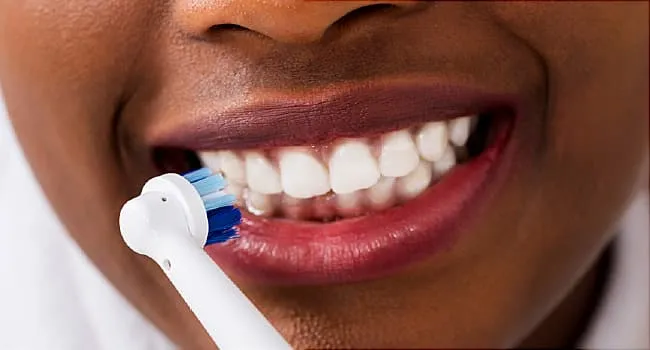
Brushing twice a day is one of the most effective things you can do for oral health. It removes plaque, distributes fluoride over the teeth, freshens the mouth, and helps prevent cavities and gingivitis.
Technique matters more than enthusiasm
Brushing harder does not produce cleaner teeth. Your enamel is not a stained kitchen floor, and your toothbrush is not a wire scrubber. Aggressive brushing can irritate the gums and contribute to abrasion near the gumline, especially when combined with a hard-bristled brush or highly abrasive toothpaste.
Use a soft-bristled toothbrush and gentle, controlled motions. Angle the bristles toward the gumline, clean the outside, inside, and chewing surfaces of every tooth, and give the process approximately two minutes. Replace the brush or brush head when the bristles become worn or splayed.
Manual or electric?
Both can work well. An electric toothbrush may be easier for people with limited hand mobility, orthodontic appliances, or a habit of rushing. Many models include pressure sensors and timers, which are helpful for anyone who brushes as though trying to catch a departing train.
Rinsing With Water Immediately After Brushing: May Hurt
After brushing, many people fill their mouths with water and rinse until no trace of toothpaste remains. It feels tidy, but it may wash away fluoride before it has had enough contact time with the teeth.
A better routine is to spit out the excess toothpaste without vigorously rinsing with water. Avoid eating or drinking for a short period afterward when practical. This allows fluoride to remain on the enamel longer.
Mouthwash should generally be used at another time of day rather than immediately after fluoride toothpaste, unless a dentist has given different instructions.
Flossing or Cleaning Between Teeth: Helps
A toothbrush cleans exposed tooth surfaces well, but its bristles cannot reliably reach every tight contact between neighboring teeth. Plaque and food debris can remain in those spaces, where they may contribute to cavities, bad breath, and gum inflammation.
Clean between your teeth once a day using traditional floss, floss picks, interdental brushes, or a water flosser. The best tool is the one that fits your mouth and that you will actually use consistently.
Does bleeding mean you should stop?
Not necessarily. Gums may bleed when they are inflamed or when a person has recently started flossing. Gentle, consistent cleaning often improves mild inflammation. However, persistent, heavy, or unexplained bleeding should be evaluated by a dentist.
Do not snap floss into the gums. Guide it gently between the teeth, curve it around the side of each tooth in a C shape, and move it slightly below the gumline. Cleaning between teeth alongside brushing is more effective for reducing plaque and gingivitis than brushing alone.
Mouthwash: Helps in the Right Role
Mouthwash can be useful, but it is a supporting actornot the star of the show. Swishing for 30 seconds does not magically remove sticky plaque that requires physical cleaning.
Different rinses serve different purposes. Fluoride mouthwash may help people at increased risk for cavities. Antimicrobial rinses may be recommended for certain gum conditions. Other products primarily provide temporary breath freshening.
People with dry mouth, oral irritation, or burning sensations may prefer an alcohol-free formula. Prescription rinses such as chlorhexidine should be used according to professional instructions because extended or inappropriate use can cause staining, taste changes, or irritation.
Most importantly, mouthwash should not replace brushing, interdental cleaning, or necessary dental treatment.
Brushing Immediately After Acidic Food or Drinks: Hurts
Brushing immediately after orange juice, soda, wine, sour candy, vinegar, or another acidic item may seem responsible. Unfortunately, acid temporarily softens the tooth surface. Brushing during that period may add mechanical wear to enamel that is already under chemical stress.
After consuming something acidic, rinse with plain water and allow saliva time to neutralize the mouth. Waiting about 30 minutes before brushing is a reasonable practical rule.
Frequency matters as much as quantity. Drinking one acidic beverage with a meal is generally less troublesome than sipping it every few minutes all afternoon. Constant sipping repeatedly lowers the mouth’s pH and gives saliva less time to restore balance.
People with frequent acid reflux, repeated vomiting, or an eating disorder may face additional erosion risk and should discuss it with appropriate medical and dental professionals.
Sparkling Water: Usually Helps Hydration, but Check the Label
Plain, unflavored sparkling water is generally much kinder to teeth than soda, energy drinks, or sweetened sports drinks. Its carbonation makes it somewhat acidic, but occasional consumption is unlikely to create the same challenge as beverages containing sugar, citric acid, phosphoric acid, or fruit flavoring.
The risk increases when sparkling water contains added acids, when it is sipped continuously, or when it completely replaces fluoridated tap water. Drink it with meals, avoid swishing it around your teeth, and follow it with plain water when possible.
“Sugar-free” also does not automatically mean “tooth-friendly.” Diet soda may contain little or no sugar while remaining acidic enough to contribute to enamel erosion.
Sugar-Free Gum After Meals: Helps
Chewing sugar-free gum after eating stimulates saliva flow. Saliva helps clear food particles, dilute acids, and supply minerals involved in protecting tooth enamel.
Chewing for approximately 20 minutes after a meal can be useful when brushing is not practical. Select sugar-free gum rather than gum sweetened with ordinary sugar. Products containing xylitol, sorbitol, or similar non-sugar sweeteners do not feed acid-producing oral bacteria in the same way as sucrose.
Gum is still not a toothbrush in disguise. It cannot adequately clean every tooth surface or remove plaque from below the gumline. People with jaw pain, temporomandibular joint problems, or frequent headaches may also need to limit chewing.
Frequent Snacking and Sugary Drinks: Hurt
Oral bacteria use fermentable carbohydrates and sugars, producing acids that remove minerals from enamel. Saliva then works to neutralize those acids and restore minerals. Trouble begins when another cookie, mint, sweet coffee, or sip of soda arrives before the mouth has recovered.
This is why the frequency of sugar exposure matters. Eating dessert with a meal may create a shorter acid challenge than slowly grazing on sweets for several hours.
Sticky foods can be especially troublesome because they remain in grooves and between teeth. Dried fruit may have a wholesome reputation, but when it clings to a molar like it has signed a long-term lease, oral bacteria are delighted.
Choose water most often. When eating sweets or refined carbohydrates, have them with meals, avoid prolonged sipping or grazing, and clean your teeth consistently.
Tongue Scraping: Can Help
The tongue’s textured surface can collect bacteria, dead cells, and food debris. Gentle tongue cleaning may reduce coating and provide short-term improvement in breath for some people.
Use a tongue scraper or toothbrush lightly, moving from the back toward the front without applying painful pressure. Scraping until the tongue is sore, bleeding, or polished like a bowling lane is unnecessary.
Persistent bad breath may be related to gum disease, cavities, dry mouth, tobacco use, tonsil stones, sinus problems, reflux, or other conditions. A tongue scraper can manage surface buildup, but it cannot diagnose or treat the underlying cause of chronic halitosis.
Oil Pulling: Mostly Neutral Unless It Replaces Proven Care
Oil pulling involves swishing coconut, sesame, or another edible oil in the mouth for several minutes. Online claims suggest that it can whiten teeth, remove toxins, reverse decay, or cure gum disease.
Reliable evidence does not support those dramatic promises. Oil pulling should not replace fluoride toothpaste, interdental cleaning, dental examinations, or treatment for an infection.
Someone who enjoys the ritual and can perform it safely may view it as an optional extra, but the oil should be spit into the trash rather than a sink, where it may contribute to plumbing blockages. Swallowing large quantities may upset the stomach, and forceful swishing may fatigue the jaw.
In other words, coconut oil may be excellent in a curry. It is not a licensed dental contractor.
Charcoal Toothpaste and DIY Whitening: Often Hurt
Activated charcoal products are marketed as natural stain magnets, but evidence for safe, meaningful whitening remains limited. Some products may be abrasive, and vigorous long-term use can wear the tooth surface or expose darker dentin beneath the enamelthe opposite of the intended effect.
DIY whitening with lemon juice, vinegar, or acidic fruit is also a poor bargain. Acid can dissolve enamel, and lost enamel does not grow back.
Whitening strips and professionally supervised bleaching can lighten many external and internal stains, but they may cause temporary sensitivity or gum irritation. Follow product directions precisely, avoid stacking multiple whitening products, and consult a dentist before whitening if you have cavities, cracked teeth, exposed roots, gum disease, crowns, veneers, or unexplained discoloration.
Dental restorations do not whiten like natural enamel, so bleaching may create uneven results.
Chewing Ice, Pens, or Fingernails: Hurts
Teeth are designed to chew foodnot to open packages, trim fishing line, crack nutshells, crush ice cubes, or serve as an emergency pair of scissors.
Chewing hard objects can chip enamel, fracture fillings, damage crowns, and create microscopic cracks that later become painful. The habit is particularly risky for teeth weakened by large restorations or previous root canal treatment.
Frequent ice chewing can occasionally be associated with iron deficiency, especially when the craving is intense and persistent. Mention the behavior to a healthcare professional rather than assuming your freezer has simply become unusually delicious.
Using Your Teeth as Tools: Definitely Hurts
Opening bottles or plastic packaging with your teeth creates forces that are unpredictable and concentrated. One successful attempt proves only that the tooth survived that attemptnot that the habit is safe.
Keep scissors, bottle openers, and package cutters available. They are cheaper than crowns and far less likely to require local anesthesia.
Managing Dry Mouth: Helps
Saliva is a major part of the mouth’s defense system. It lubricates tissues, helps with speaking and swallowing, clears sugars, buffers acids, and supports enamel remineralization.
Persistent dry mouth may result from medications, dehydration, tobacco, alcohol, certain medical conditions, cancer treatment, or reduced salivary-gland function. It can increase the risk of cavities, fungal infections, sensitivity, and difficulty eating.
Helpful measures may include drinking water regularly, chewing sugar-free gum, using saliva substitutes, limiting alcohol and tobacco, and discussing medication side effects with a healthcare professional. Do not discontinue a prescribed medication without medical guidance.
A dentist may recommend additional fluoride protection or more frequent monitoring for someone with chronic dry mouth.
Smoking and Smokeless Tobacco: Hurt
Tobacco use increases the risk of gum disease, tooth loss, delayed healing, oral cancer, staining, and persistent bad breath. Smokeless tobacco is not a safe workaround; it can damage gums and is associated with cancers and other diseases of the mouth.
Smoking can also make gum disease harder to notice because nicotine may reduce visible bleeding. A person may therefore have significant periodontal damage without the dramatic bleeding they expect.
Quitting provides benefits to oral and overall health. A dentist or medical professional can help identify evidence-based cessation support rather than relying on willpower alone.
Wearing a Mouthguard: Helps
A properly fitted mouthguard helps protect teeth during contact sports and activities with a risk of facial impact. It may reduce broken teeth, cuts to the lips and cheeks, and other oral injuries.
People who grind or clench their teeth may also benefit from a professionally evaluated night guard. A guard protects tooth surfaces, but it does not automatically cure the underlying bruxism. Stress, sleep problems, medications, caffeine, alcohol, and other factors may need to be considered.
Do not casually use another person’s guard or a poorly fitting appliance. Clean the device as instructed, allow it to dry, and replace it when it becomes damaged or distorted.
Waiting Until a Tooth Hurts to Visit the Dentist: Hurts
Dental problems often develop quietly. Early cavities, mild gum disease, enamel erosion, cracked fillings, and oral lesions may cause little or no pain.
By the time pain becomes intense, treatment may be more complicated. Regular examinations allow a dental professional to evaluate your individual risk, clean hardened deposits that home care cannot remove, and identify changes before they become emergencies.
Visit sooner for persistent pain, swelling, pus, fever associated with a dental problem, a broken tooth, uncontrolled bleeding, facial trauma, difficulty swallowing, or a mouth sore that does not heal within roughly two weeks.
A Practical Healthy-Mouth Experience: What Often Changes in Two Weeks
The following is a composite experience based on common oral-care challenges rather than the story of one specific patient.
Days 1–3: Slowing down reveals missed areas
The first surprise is often how long two minutes actually feels. A person who believes they already brush for two minutes may discover that their usual routine lasts closer to 45 seconds. Using a timer makes the back molars, inside surfaces, and gumline harder to ignore.
Switching from a medium or hard brush to a soft-bristled brush may initially feel less powerful. The mouth does not have the same aggressively “scrubbed” sensation. After a few days, however, the gums may feel less irritated, especially when brushing pressure is reduced.
Daily flossing can be awkward at first. The floss catches, the fingers become tangled, and the bathroom mirror witnesses language unsuitable for a family dental brochure. Floss picks, interdental brushes, or a water flosser may make the routine easier.
Days 4–7: Bleeding may begin to improve
People with mild gum inflammation sometimes notice bleeding during the first several cleaning sessions. With gentle daily care, that bleeding may gradually decrease. This does not mean everyone should ignore bleeding; persistent symptoms still deserve professional evaluation.
Another noticeable change may come from replacing sweet drinks between meals with water. The teeth can feel less coated, and the mouth may remain fresher for longer. Someone who previously sipped sweet coffee from morning until afternoon may realize that the habit created an almost continuous supply of fuel for plaque bacteria.
Using sugar-free gum after lunch can make the mouth feel less dry, particularly in workplaces where brushing is inconvenient. It is not as satisfying as a full cleaning, but it may reduce the stale, acidic feeling that follows a meal.
Days 8–10: The “freshness” myth becomes obvious
Mouthwash creates an immediate blast of mint, but fresh flavor does not necessarily mean plaque has been removed. Once brushing and interdental cleaning become more thorough, mouthwash feels more like an optional finishing product than a rescue operation.
Tongue cleaning may also improve morning breath. The useful lesson is moderation: one or two gentle passes can remove coating, while aggressive scraping causes soreness without providing bonus points.
People who stop rinsing aggressively after brushing may initially dislike the remaining toothpaste flavor. The sensation usually becomes more familiar, especially when only a pea-sized amount of toothpaste is used.
Days 11–14: Habits begin to connect
By the second week, oral health feels less like a collection of products and more like a system. Water supports saliva. Fewer sugary snacks mean fewer acid attacks. Fluoride toothpaste protects enamel. Interdental cleaning reaches places the brush misses. A mouthguard protects teeth from impact or grinding.
The greatest practical improvement is often not buying something new. It is attaching oral care to routines that already exist: flossing before the evening brush, filling a water bottle before work, placing sugar-free gum near the lunch bag, or setting a replacement reminder for the toothbrush head.
There may not be a dramatic movie-montage transformation after 14 days. Teeth do not sparkle with animated stars, and a dentist does not appear to award a trophy. Yet the mouth may feel cleaner, the gums may be calmer, breath may improve, and the routine may finally feel manageable.
The experience also teaches an important lesson: persistent pain, bleeding, sensitivity, dry mouth, or bad breath should not be endlessly covered with stronger products. Symptoms are information. When they continue, a dental examination is more useful than another viral “hack.”
Conclusion: Simple Habits Usually Win
The best healthy-mouth habits are not glamorous, but they are supported by evidence. Brush gently twice a day with fluoride toothpaste, clean between your teeth daily, drink water, manage dry mouth, limit frequent sugar and acid exposure, protect your teeth during sports, and schedule dental care according to your individual needs.
Mouthwash, tongue scraping, sugar-free gum, water flossers, and whitening products can help in the right circumstances. They become harmful when they are overused, used incorrectly, or treated as substitutes for essential care.
Meanwhile, charcoal scrubs, acidic DIY whitening mixtures, tobacco, ice chewing, and opening bottles with your teeth belong firmly in the “please do not make your dentist buy a vacation home” category.