Unwanted hair has a special talent for showing up exactly when you least want it: before a beach day, before a big meeting, or five minutes after you were absolutely certain your legs were smooth. The good news is that modern hair removal options are better than ever. The slightly annoying news? Not every method advertised as “permanent” truly deserves that dramatic little crown.
If you are comparing shaving, waxing, sugaring, threading, depilatory creams, laser hair removal, IPL, and electrolysis, the main question is simple: which hair removal options are permanent, and which ones just give you a longer vacation from stubble? The honest answer is that electrolysis is the most recognized permanent hair removal method because it destroys individual follicles. Laser hair removal and IPL can provide long-term hair reduction, but regrowth may still happen, especially when hormones, genetics, or hair color get involved.
This guide breaks down the most common hair removal methods, how long results usually last, who they work best for, and how to choose the right option without falling for beauty marketing that promises “forever” with the enthusiasm of a used-car commercial.
What Does “Permanent Hair Removal” Actually Mean?
Before comparing methods, it helps to define the terms. In everyday conversation, people often use “permanent hair removal” to mean “I do not want to deal with this hair again.” In professional skin care and medical settings, the wording is more precise.
Permanent Hair Removal vs. Permanent Hair Reduction
Permanent hair removal means the treated follicle is destroyed so it can no longer produce hair. Electrolysis is the method most closely associated with this definition because it treats follicles one by one with an electrical current.
Permanent hair reduction means fewer hairs grow back after treatment, and the hair that does return may be finer, lighter, or slower-growing. Laser hair removal and IPL belong in this category. They can be excellent options, especially for larger areas, but they usually do not guarantee that every follicle is gone forever.
Think of electrolysis as carefully canceling each follicle’s subscription. Laser hair removal is more like sending a strongly worded email to a large group of follicles. Many get the message. A few pretend they never saw it.
Temporary Hair Removal Options
Temporary methods are popular because they are accessible, affordable, and easy to do at home. They do not permanently damage the follicle, which means hair grows back. Still, they can be useful depending on your budget, pain tolerance, schedule, and skin sensitivity.
Shaving
Shaving removes hair at the surface of the skin. It is fast, inexpensive, and painless when done correctly. It works on nearly any body area, although shaving the face, bikini line, or underarms may require extra care to avoid irritation.
The downside is that results are short-lived. Hair can reappear in one to three days, depending on your growth cycle. Shaving does not make hair grow back thicker, despite what every aunt at a family gathering may have claimed. It can feel blunt or prickly because the razor cuts the hair straight across.
Best for: quick maintenance, legs, underarms, and people who want a low-cost option.
Not ideal for: people prone to razor bumps, ingrown hairs, or frequent irritation.
Depilatory Creams
Depilatory creams dissolve the hair shaft using chemicals that break down keratin, the protein structure of hair. They can keep skin smooth slightly longer than shaving because they may remove hair just below the skin’s surface.
However, these creams can irritate sensitive skin. Always patch-test first, follow timing instructions, and avoid applying them to broken, sunburned, or freshly exfoliated skin. Leaving a depilatory cream on longer than directed is not “extra effective.” It is more like sending your skin a strongly worded complaint.
Best for: arms, legs, and people who dislike razors.
Not ideal for: sensitive skin, facial use unless the product is made for the face, or anyone with fragrance sensitivity.
Waxing
Waxing removes hair from the root. Warm or soft wax grips the hair and pulls it out quickly. Results often last three to six weeks, depending on the area and individual hair cycle.
Because waxing removes the whole hair shaft, regrowth may feel softer at first. With repeated waxing, some people notice finer growth, but waxing is not permanent. The follicle usually remains capable of producing new hair.
Best for: legs, arms, underarms, bikini area, and people who want longer-lasting smoothness than shaving.
Not ideal for: people using certain acne medications, people with very reactive skin, or areas with sunburn, open cuts, or active irritation.
Sugaring
Sugaring is similar to waxing but uses a paste commonly made from sugar, lemon, and water. The paste removes hair from the root and may be gentler for some people because it can adhere less aggressively to live skin cells.
Results are temporary, usually lasting several weeks. It is a strong option for people who want a more natural-feeling alternative to waxing, although “natural” does not automatically mean irritation-proof.
Best for: legs, arms, bikini line, and people who prefer a wax-like method.
Not ideal for: very short hair, inflamed skin, or people who cannot tolerate pulling methods.
Threading
Threading uses twisted cotton thread to pull hair from the follicle. It is especially popular for shaping eyebrows and removing facial hair. Threading is precise and does not involve heat or chemicals, which makes it appealing for sensitive facial areas.
It is not permanent. Results may last two to six weeks, depending on the person. Since threading targets small areas, it is not practical for large body zones unless you have unlimited patience and a heroic threader.
Best for: eyebrows, upper lip, chin, and small facial areas.
Not ideal for: large body areas or people prone to folliculitis after hair removal.
Tweezing
Tweezing removes individual hairs from the root. It is cheap, precise, and useful for the occasional rebellious chin hair that appears like it pays rent. Results last longer than shaving but are still temporary.
Over-tweezing can irritate skin, cause ingrown hairs, and damage follicles unevenly. For eyebrows, it is best to tweeze conservatively unless you enjoy the thrilling sport of waiting months for one hair to grow back.
Best for: stray facial hairs and eyebrow cleanup.
Not ideal for: large areas, dense hair growth, or people who get frequent ingrown hairs.
Long-Term Hair Reduction Options
Long-term methods target the follicle more directly. They cost more upfront but can reduce the time, effort, and irritation associated with constant shaving or waxing.
Laser Hair Removal
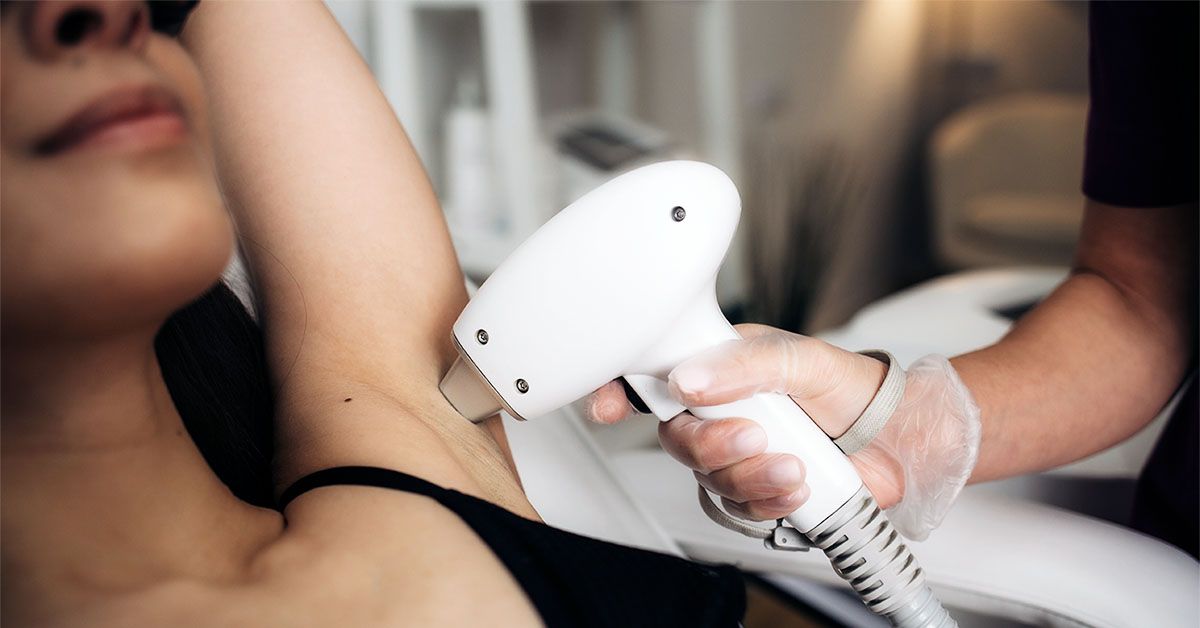
Laser hair removal uses concentrated light energy that is absorbed by pigment in the hair. The heat damages the follicle and slows future growth. It works best when there is strong contrast between hair color and skin tone, such as dark hair on lighter skin, although newer laser technologies have expanded options for darker skin tones when used by skilled professionals.
Laser hair removal is often called permanent, but a more accurate description is long-term hair reduction. Many people see major reduction after a series of treatments. Regrowth, when it happens, is often lighter, finer, and less dense. However, maintenance sessions may be needed.
Most people need multiple sessions because hair grows in cycles. Lasers work best on hairs in the active growth phase, and not every hair is in that phase at the same time. This is why one appointment rarely produces a perfectly smooth, forever result.
Best for: legs, underarms, bikini area, back, chest, and other larger areas with dark, coarse hair.
Not ideal for: very light blond, red, gray, or white hair because there may not be enough pigment for the laser to target effectively.
IPL Hair Removal
IPL stands for intense pulsed light. It is not technically a laser, but it uses broad-spectrum light to target pigment in the hair. Professional IPL and at-home IPL devices can reduce hair growth over time, but results vary widely based on device strength, skin tone, hair color, and consistency.
At-home IPL devices are convenient, but they are generally less powerful than professional treatments. They may help maintain smoothness, but they should not be expected to permanently remove every hair. Users must follow instructions carefully, wear eye protection if recommended, and avoid treating unsuitable skin tones, tattoos, or irritated skin.
Best for: maintenance, smaller areas, and people with compatible skin and hair color.
Not ideal for: very dark skin tones unless the device is specifically designed and cleared for that use, very light hair, tattoos, or people who cannot follow a consistent schedule.
The Most Permanent Option: Electrolysis
Electrolysis is widely recognized as the most permanent hair removal option. During treatment, a trained electrologist inserts a tiny probe into the hair follicle and delivers electrical current to destroy the growth center. Once a follicle is properly treated and destroyed, it should not produce hair again.
The biggest advantage of electrolysis is that it can work on all hair colors and skin tones. Unlike laser, it does not rely on pigment. That makes it especially useful for white, gray, blond, or red hairs that lasers may struggle to treat.
The tradeoff is time. Electrolysis treats one follicle at a time, so it is slower than laser hair removal. It is excellent for small areas such as the upper lip, chin, eyebrows, jawline, fingers, toes, or scattered hairs. For large areas like full legs or a full back, electrolysis may require a serious commitment.
Electrolysis Pros
- Considered a true permanent hair removal method
- Works on all skin tones
- Works on all hair colors, including gray, blond, red, and white
- Great for small, precise areas
- Useful for facial hair affected by hormones
Electrolysis Cons
- Can be time-consuming because each follicle is treated individually
- May feel uncomfortable or sting during treatment
- Requires multiple sessions
- Results depend heavily on provider skill and consistency
- Can be expensive over time for dense or large areas
Which Hair Removal Option Is Best for Each Goal?
If You Want the Most Permanent Result
Choose electrolysis. It is the best answer for people who want permanent hair removal, especially for small areas or hairs that laser cannot treat well.
If You Want Fast Reduction on a Large Area
Choose laser hair removal. It is efficient for legs, underarms, bikini areas, backs, chests, and other larger zones. It may not remove every hair forever, but it can significantly reduce growth and make maintenance much easier.
If You Want Budget-Friendly Maintenance
Choose shaving, depilatory creams, or at-home IPL depending on your skin type and patience level. Shaving is the cheapest and fastest. Depilatory creams last slightly longer for some people. At-home IPL may reduce growth gradually, but it requires consistency.
If You Want Smooth Skin for a Few Weeks
Choose waxing or sugaring. These methods are not permanent, but they remove hair from the root and provide longer-lasting smoothness than shaving.
If You Want Facial Precision
Choose threading, tweezing, electrolysis, or laser depending on the hair type. Threading and tweezing are temporary but precise. Electrolysis is best for permanent removal of small facial areas. Laser may help with dark facial hair, but hormonal facial hair can be stubborn and may require maintenance.
Safety Tips Before Choosing Permanent Hair Removal
Permanent and long-term hair removal treatments are still skin procedures, not casual errands squeezed between coffee and laundry. Choosing the right provider matters.
Ask About Training and Experience
For laser hair removal, look for a licensed, experienced provider with training in your skin type. A board-certified dermatologist or qualified medical professional is especially important for darker skin tones, a history of hyperpigmentation, or sensitive skin.
Do a Patch Test When Appropriate
A patch test can help show how your skin reacts before treating a larger area. This is especially useful for laser, IPL, and depilatory creams.
Avoid Tanning Before Laser or IPL
Tanned skin can increase the risk of burns or pigment changes. Many providers recommend avoiding sun exposure, tanning beds, and self-tanner before treatment.
Follow Pre-Treatment Instructions
Before laser hair removal, you are usually told to shave the area but avoid waxing, tweezing, or threading for several weeks. That is because the laser needs the hair root present in the follicle. Waxing before laser is like inviting the laser to a party after the guest of honor already left.
Do Not Ignore Hormonal Hair Growth
Sudden or excessive hair growth, especially on the face, chest, abdomen, or back, may be linked to hormonal conditions such as polycystic ovary syndrome. If unwanted hair appears suddenly or comes with acne, irregular periods, or unexplained weight changes, it is smart to speak with a healthcare professional before spending heavily on cosmetic treatments.
Common Myths About Permanent Hair Removal
Myth 1: Laser Hair Removal Is Always Permanent
Laser hair removal can be impressive, but it is better described as long-term reduction. Some follicles may recover, and new hairs can appear due to hormonal changes, aging, or genetics.
Myth 2: At-Home IPL Works for Everyone
At-home IPL can help some users, but it is not suitable for every skin tone or hair color. It usually works best on lighter skin with darker hair. Always check the device chart before use.
Myth 3: Waxing Eventually Stops Hair Growth Forever
Waxing may make hair feel finer over time for some people, but it does not reliably destroy follicles. Hair usually returns.
Myth 4: Electrolysis Is Only for Facial Hair
Electrolysis can be used on many areas, but because it treats one follicle at a time, it is most practical for smaller or more targeted zones.
Real-Life Experience: What It Feels Like to Choose a Hair Removal Method
Choosing a hair removal option often starts with one simple thought: “I am tired of doing this every week.” Maybe it is shaving underarms every other day, scheduling bikini waxes before vacations, or dealing with chin hairs that seem to operate on their own mysterious calendar. The emotional side of hair removal is real. It is not just about smooth skin; it is about convenience, confidence, and sometimes wanting one less grooming chore in an already crowded life.
For many people, shaving is the first method because it is easy and familiar. The experience is practical but repetitive. You buy razors, shaving cream, maybe a soothing lotion, and then repeat the cycle forever. It is painless most of the time, but razor bumps, nicks, and ingrown hairs can make it frustrating. Shaving is perfect when you need fast results, but it can feel like a subscription service you never remember signing up for.
Waxing and sugaring feel like a step up in commitment. The first appointment can be intimidating, especially for sensitive areas. The moment of removal is quick, dramatic, and not exactly spa music for the soul. But the reward is real: smooth skin that lasts for weeks. Many people like that the hair grows back softer-feeling than shaved stubble. The downside is timing. Hair has to be long enough to grip, which means living through the awkward “not smooth, not waxable yet” phase. Glamour, apparently, has scheduling requirements.
Laser hair removal feels more high-tech. A typical session is faster than people expect, especially for underarms or upper lip. The sensation is often compared to a rubber band snap with heat. Some areas are barely bothersome; others make you suddenly interested in deep breathing. After several sessions, many people notice less hair, slower growth, and easier maintenance. The experience can feel freeing because shaving becomes less urgent. However, laser requires patience. Results build over months, not overnight, and maintenance sessions may still be needed.
Electrolysis is the method for people who are serious about permanence. The experience is more detailed and slower. Instead of treating a wide area quickly, the provider works follicle by follicle. That can feel tedious, but it is also why electrolysis is so precise. People with stubborn facial hair, gray hairs, or hormonal hair growth often appreciate that electrolysis does not depend on hair pigment. The process may take many appointments, but the payoff can be deeply satisfying: once a follicle is successfully treated, it should be finished.
The biggest lesson from real-world hair removal experiences is that the “best” method depends on the person. Someone with dark underarm hair may love laser. Someone with white chin hairs may need electrolysis. Someone on a budget may prefer shaving and occasional waxing. Someone with sensitive skin may have to avoid depilatory creams entirely. Permanent hair removal is not one-size-fits-all; it is more like finding the right pair of jeans. The perfect fit depends on your body, your goals, and how much discomfort you are willing to tolerate in the name of convenience.
If you are unsure, start with your goal. Do you want cheap and quick? Shaving wins. Do you want several weeks of smoothness? Waxing or sugaring makes sense. Do you want major reduction on a large area? Laser is worth considering. Do you want the most permanent solution, especially for small areas or light-colored hair? Electrolysis is the strongest choice. The smartest plan is not always the trendiest one; it is the one that matches your hair, skin, budget, and patience level.
Conclusion: So, Which Hair Removal Options Are Permanent?
When it comes to permanent hair removal, electrolysis is the clear winner. It treats individual follicles and can stop them from producing hair again. Laser hair removal and IPL are excellent for long-term hair reduction, but they are not guaranteed to remove every hair permanently. Shaving, waxing, sugaring, threading, tweezing, and depilatory creams are temporary options that still have a place, especially for everyday maintenance.
The best choice depends on your hair color, skin tone, treatment area, budget, pain tolerance, and long-term goals. If you want the most permanent result, consider electrolysis. If you want dramatic reduction over larger areas, laser hair removal may be the better fit. And if you just want to be smooth by tomorrow morning, a razor is still sitting there like the reliable little overachiever it is.
Note: This article is for educational purposes only and does not replace medical advice. For persistent, sudden, or hormonally patterned hair growth, consult a qualified healthcare professional or board-certified dermatologist before choosing a treatment.