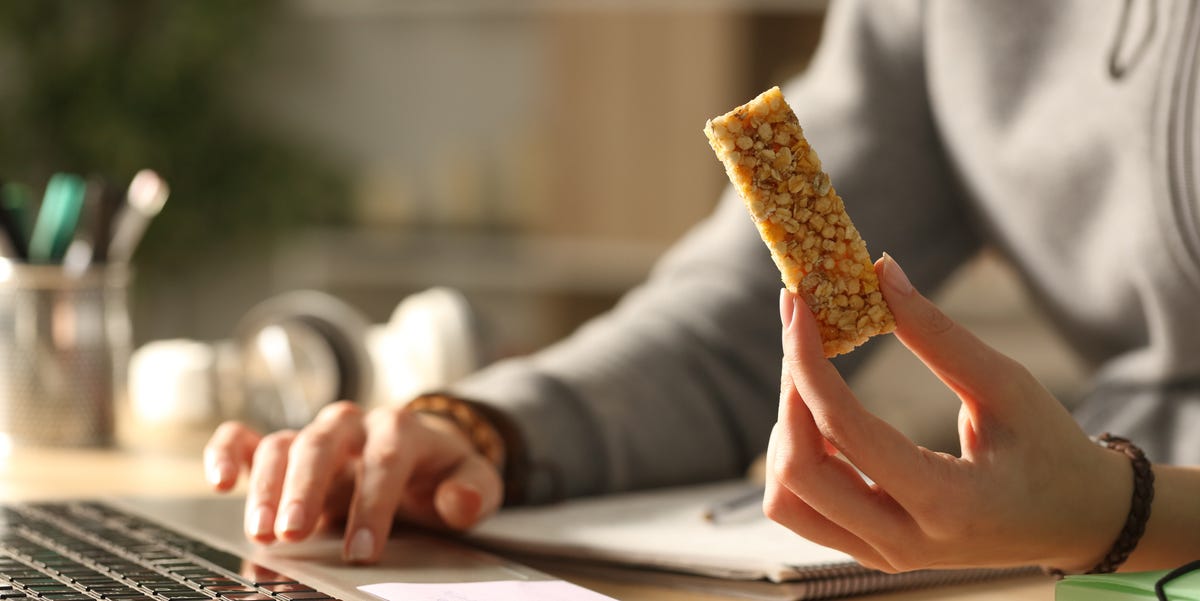
Granola bars are supposed to be the low-drama snack of the pantry: toss one in a backpack, eat one between meetings, hand one to a hungry kid before the “I’m starving” opera begins. But a major MadeGood granola bar recall reminded shoppers that even the most innocent-looking snack can occasionally come with a safety plot twist.
Riverside Natural Foods Inc., the company behind MadeGood, voluntarily recalled select batches of MadeGood granola bars after a potential safety concern involving metal contamination. The recall was first announced in December 2024 and later classified by the U.S. Food and Drug Administration as a Class II recall. That classification does not mean widespread injuries were reported; in fact, the company said no injuries had been reported at the time of the announcement. It does mean the product could pose a temporary or medically reversible health risk if consumed, while the likelihood of serious harm is considered remote.
In plain English: this is not a “panic and throw the whole pantry into the yard” situation. But it is absolutely a “check the box, read the label, and do not snack first, investigate later” situation.
What Happened in the MadeGood Granola Bar Recall?
The recall involved certain batches of MadeGood granola bars that may have contained a piece of metal. According to the company announcement posted by the FDA, the affected products were produced between January and November 2024 and distributed across the United States, Canada, and other international markets.
The safety concern was described as the potential presence of a metal piece in the product. Reports from the company and consumer health outlets described the possible contaminant as a small, flat brush bristle connected to the manufacturing process. After investigating, Riverside Natural Foods said it identified the source of the issue, corrected it, and tested new processes to reduce future risk.
That matters because foreign material contamination is one of the classic reasons food recalls happen. Sometimes it is plastic. Sometimes it is glass. Sometimes it is metal. None of these belong in a snack bar, even if your toddler insists that couch lint is technically part of the food pyramid.
Which Granola Bars Were Affected?
The recall covered several MadeGood granola bar flavors and package sizes. The affected products included select batches of:
- Chocolate Chip Granola Bars
- Mixed Berry Granola Bars
- Strawberry Granola Bars
- Cookies & Crème Granola Bars
- Chocolate Banana Granola Bars
- Chocolate Drizzled Birthday Cake Granola Bars
- Chocolate Drizzled Cookie Crumble Granola Bars
- Chocolate Drizzled Vanilla Granola Bars
- Variety packs and seasonal mini bar packs listed in the recall notice
Not every MadeGood product was included, and not every package of those flavors was affected. The key details are the UPC, package size, best-by date, and product code. Some products with a “Z” after the best-by date were excluded from the recall, which is exactly why shoppers should avoid guessing based on flavor alone. The pantry detective work is annoying, yes, but it beats accidentally tossing a safe snack or eating a recalled one.
What Does a Class II FDA Recall Mean?
A Class II recall is the FDA’s middle category. It applies when use of or exposure to a product may cause temporary or medically reversible adverse health consequences, or when the probability of serious adverse health consequences is remote.
That sounds very official because it is. For everyday shoppers, the translation is simple: the risk is not considered the highest level, but consumers should still take the recall seriously. A Class I recall is the most severe category and is used when a product could reasonably cause serious health problems or death. A Class III recall is used when a product is not likely to cause adverse health consequences but still violates labeling or manufacturing rules.
So, Class II sits in the middle: serious enough to stop using the product, check your pantry, and follow return or disposal instructions, but not necessarily a sign that everyone who ate the snack is in danger.
Why Metal in Food Is a Real Safety Concern
Metal contamination in food can create several possible hazards. A small piece may cause injury to the mouth, teeth, throat, or digestive tract. It may also pose a choking risk, especially for children. While many foreign objects may pass without causing harm, sharp or rigid materials deserve extra caution.
That is why recalls involving metal fragments or bristles are taken seriously even when the number of complaints is small. In this case, public reports noted only a small number of consumer complaints compared with the large number of products sold, and no injuries were reported by the company. But food safety is not graded on vibes. A snack bar should contain oats, chocolate, fruit, or whatever cheerful ingredient the package promises not a surprise object from the production line.
What Should Consumers Do?
1. Stop Eating the Product Until You Check It
If you have MadeGood granola bars at home, do not rely on memory. Check the packaging. Look for the exact flavor, size, UPC, best-by date, and product code listed in the recall information. This is especially important for households that buy multipacks, school snacks, or warehouse-size boxes that can sit in the pantry for months.
2. Compare the Package With the Recall List
The safest move is to compare your product against the official recall list from the company or FDA notice. If the numbers match, treat the product as recalled even if the bar looks perfectly normal. Metal contamination is not always visible, and nibbling “just to see” is not a recommended testing method. Your teeth are not laboratory equipment.
3. Return the Product for a Refund
Riverside Natural Foods advised consumers to return recalled products to the store where they were purchased for a full refund. Keep the package if possible, because the UPC and best-by date can help the retailer confirm the recall.
4. Watch for Symptoms If Someone Ate One
If someone already ate a recalled granola bar, do not panic. The company reported no injuries at the time of the recall announcement, and the risk was described as very small. However, consumers should contact a healthcare professional if they experience symptoms such as mouth pain, throat pain, trouble swallowing, abdominal pain, vomiting, blood in stool, or signs of choking or injury after eating the product.
5. Contact the Company With Questions
MadeGood provided a consumer hotline for recall-related questions. Consumers who are unsure whether their product is affected should contact the company rather than guessing.
Why Food Recalls Happen Even to Popular Brands
Food recalls can feel shocking because shoppers often assume packaged foods move through an almost magical system of spotless machines and perfect inspections. In reality, food manufacturing is complex. Ingredients move through mixers, conveyors, cutters, packaging machines, quality checks, and shipping systems. The more steps involved, the more opportunities there are for something to go wrong.
That does not excuse contamination, but it explains why prevention systems matter. Manufacturers often use metal detectors, magnets, sieves, visual inspections, preventive maintenance, supplier controls, and employee training to reduce risk. When a foreign object is reported, companies may inspect machinery, review production records, isolate affected lots, and work with retailers to remove products from shelves.
In this recall, Riverside Natural Foods said it investigated the manufacturing site, found the source of the issue, fixed it, and tested updated processes. That response is important because consumers do not only want the recalled product removed; they want confidence that the same problem will not keep popping up like a bad sequel.
How to Check Your Pantry Like a Food Safety Pro
Food recall checks are not glamorous, but they are quick once you know what to look for. Start by gathering all MadeGood granola bars in your home. Check lunchboxes, desk drawers, gym bags, car consoles, diaper bags, emergency snack bins, and that one kitchen cabinet where granola bars go to become ancient artifacts.
Next, read the product name and flavor carefully. Then look for the UPC and best-by date. These are usually printed on the box or individual package. Compare those details with the recall list. If your product is included, separate it from other food immediately so no one grabs it by accident.
For families, it helps to tell everyone in the house what is happening. A sticky note on the pantry door can prevent accidental snacking. For schools, daycare centers, offices, or sports teams that bought bulk snack boxes, the same rule applies: identify, isolate, return, and document.
What This Recall Teaches About “Healthy” Snacks
MadeGood is known for organic, allergy-friendly snack products, and many families choose the brand because the bars are convenient and lunchbox-friendly. But a recall like this shows that “healthy,” “organic,” or “allergy-friendly” does not mean immune from manufacturing problems.
Food safety is separate from nutrition marketing. A product can have wholesome ingredients and still face a recall. A snack can be made with oats and still need a production-line fix. This is not a contradiction; it is a reminder that food quality includes both what goes into a product and what accidentally must stay out.
For consumers, the lesson is not to distrust every snack in the pantry. The lesson is to build a habit of checking recall notices when headlines appear, especially for foods eaten by children, older adults, or people with medical vulnerabilities.
Why the Recall Got So Much Attention
There are three reasons this story spread quickly. First, granola bars are common household staples. They are not specialty foods tucked away in one regional shop. They are everyday snacks sold through major retailers and eaten by busy families, students, office workers, and anyone who has ever called a granola bar “breakfast” while running late.
Second, the scale was large. Reports described the recall as affecting more than 2.4 million cases of granola bars. A number that big naturally catches attention, even when the actual risk is low.
Third, the words “metal contamination” are impossible to ignore. People may scroll past a packaging-date issue, but “possible metal piece in snack bar” has the stopping power of a smoke alarm. It is the kind of headline that makes even calm shoppers walk to the pantry with purpose.
Experience-Based Tips: What It Feels Like to Handle a Recall at Home
Anyone who has handled a food recall at home knows the process starts with a tiny burst of chaos. You see the headline, remember that you bought granola bars last month, and suddenly the pantry becomes a crime scene. Boxes come out. Wrappers get flipped over. Someone asks, “Didn’t we already eat those?” Another person says, “I think there’s one in the car.” The dog looks interested, which is unhelpful.
The first experience many shoppers have is confusion. Recall notices are specific, but home pantries are not organized like a grocery warehouse. One box may have been opened. Individual bars may have been separated from the carton. Multipacks may include several flavors. A parent may have packed bars into lunchboxes without keeping the outer box. That is why one practical habit helps: when buying snacks in bulk, keep the outer package until all individual items are gone. It sounds fussy until a recall happens; then it feels brilliant.
The second experience is deciding what to do with products that are probably safe but hard to verify. If you cannot identify the UPC, best-by date, or lot information, it is better to be cautious. No granola bar is worth a dental emergency or an anxious afternoon. When in doubt, contact the company or retailer for guidance. A quick phone call is less dramatic than turning snack time into a science experiment.
The third experience is explaining the recall to kids. The best approach is calm and simple: “Some bars may have a small piece of metal in them, so we are checking ours and returning any that match.” Avoid making it scary. Children do not need a thriller movie version of food safety. They just need to know not to eat the bars until an adult checks them.
The fourth experience is realizing how useful recall awareness can be. Many people only learn about recalls through viral headlines, but official recall pages and retailer notices are more reliable. Signing up for food safety alerts or checking recall pages occasionally can save time. It is the same logic as checking weather before a road trip: not exciting, but very useful when something changes.
Finally, there is the experience of adjusting shopping habits without overreacting. A recall does not mean every granola bar is suspicious forever. It means one set of products had a specific issue and should be handled properly. Good food safety habits are balanced: check facts, follow instructions, keep receipts when possible, and avoid panic. The pantry does not need fear. It needs labels, common sense, and maybe fewer mystery snacks hiding behind the cereal.
Bottom Line
The MadeGood granola bar recall is a useful reminder that food safety is not just about bacteria, allergens, or expiration dates. Foreign objects can also trigger serious recalls, especially when products are widely distributed and commonly eaten by children and families.
Consumers should check any MadeGood granola bars purchased from affected production periods, compare package details with the recall list, and return recalled products for a refund. The company reported no injuries and described the risk as very small, but the safest snack is the one that contains exactly what it is supposed to contain and nothing that sounds like it escaped from a toolbox.
Note: This article is based on publicly available FDA and company recall information. Before consuming or returning any product, consumers should verify the exact UPC, best-by date, package size, and recall status through the official recall notice or the manufacturer’s recall page.