Note: This article is for educational purposes only. If you have diabetes, nerve damage, poor circulation, kidney disease, a foot wound, swelling, or any unexplained pain, talk with your healthcare provider before using Epsom salt, soaking your feet, or changing your care routine.
Introduction: The Soak Sounds Lovely, But Diabetes Changes the Rules
Epsom salt has a comforting reputation. Pour a little into warm water, cue the spa music, and suddenly your bathroom feels like it has a tiny wellness receptionist named Linda. For many people, an Epsom salt bath can feel relaxing after a long day, sore workout, or marathon session of standing in the kitchen wondering why dinner requires so many dishes.
But when the topic is Epsom salt and diabetes, the advice needs a careful pause. Diabetes can affect the nerves, blood vessels, immune response, skin barrier, and wound healing process. That means a simple foot soak may not be simple at all. What feels soothing to one person may increase the risk of dry skin, cracks, burns, infection, or delayed wound healing for someone living with diabetes.
So, can people with diabetes use Epsom salt? The safest answer is: not for foot soaking unless your healthcare provider specifically approves it. However, relief is still possible. You can soothe sore feet, reduce discomfort, care for dry skin, and build a diabetes-friendly routine without turning your feet into soup. Let’s walk through the facts, the risks, the safer alternatives, and the practical ways to find relief.
What Is Epsom Salt?
Epsom salt is not the same as table salt. It is a mineral compound called magnesium sulfate. It dissolves easily in water and is commonly used in baths, foot soaks, and sometimes as an oral laxative when labeled for that purpose. In wellness culture, it is promoted for sore muscles, stress relief, relaxation, foot odor, rough skin, and general “I need to feel human again” moments.
The relaxation people feel from an Epsom salt bath may come from several things: warm water, quiet time, reduced muscle tension, and the ritual itself. The magnesium part gets a lot of attention, but strong evidence that the body absorbs meaningful amounts of magnesium through the skin is limited. In other words, the bath may feel good, but it is not a magic mineral portal.
Why Diabetes Makes Foot Soaks Riskier
Diabetes can change the way your feet respond to water, heat, pressure, and injury. That is why routine foot care is such a big part of diabetes management. The concern is not that Epsom salt is automatically dangerous in every situation. The concern is that diabetes can make small problems escalate quickly.
1. Diabetic Neuropathy Can Hide Pain
Diabetic neuropathy is nerve damage that often affects the feet and legs. When sensation is reduced, you may not feel water that is too hot, a small blister, a sharp toenail edge, or irritation from dry skin. Pain is annoying, yes, but it is also the body’s smoke alarm. With neuropathy, that alarm may be set to silent mode.
A person without nerve damage might step into hot water and immediately say, “Nope, absolutely not.” A person with neuropathy may not notice the heat until skin damage has already happened. That is one reason people with diabetes are often told to test bath or shower water with the elbow, wrist, or a thermometernot just the feet.
2. Soaking Can Dry and Weaken the Skin
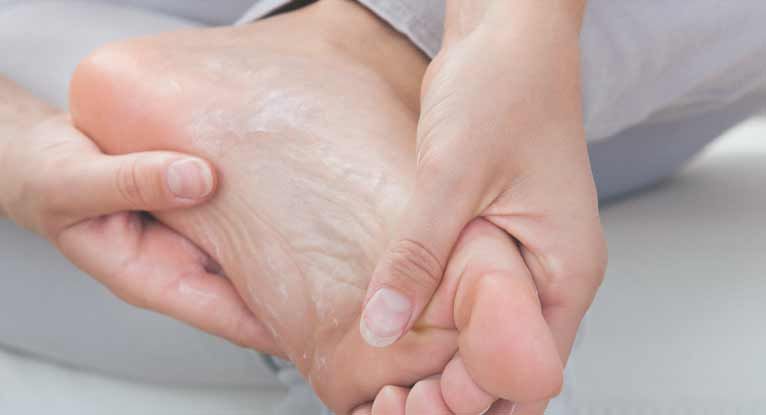
Long soaks can make skin soft, wrinkly, and more fragile. That may sound harmless, but fragile skin cracks more easily. In diabetes, cracks and tiny openings can create entry points for bacteria. Dryness is not just a cosmetic issue; it can be a doorway to infection.
Epsom salt may also leave the skin feeling dry or irritated, especially if too much is used or if residue is not rinsed away. For someone with healthy skin, that may mean mild itchiness. For someone with diabetes, especially someone with poor circulation or neuropathy, that dryness deserves more respect than a cat sitting on a laptop.
3. Foot Wounds Can Heal Slowly
High blood sugar over time can affect blood vessels and immune function. When circulation is reduced, the feet may not receive oxygen and nutrients as efficiently as they should. That can slow healing. A small cut, blister, corn, callus, or cracked heel may take longer to recover and may become more serious if ignored.
This is why diabetes foot care focuses on prevention: daily inspection, well-fitting shoes, clean socks, gentle washing, careful drying, and early medical attention for wounds. The goal is to catch small issues while they are still small enough to not need dramatic music.
Should People With Diabetes Soak Their Feet in Epsom Salt?
In general, people with diabetes should avoid soaking their feet in Epsom salt unless a doctor, podiatrist, or diabetes care specialist says it is safe for their individual situation. This is especially important if you have neuropathy, poor circulation, dry or cracked skin, athlete’s foot, swelling, kidney disease, a history of foot ulcers, or any current wound.
That may feel disappointing if you were hoping for a simple home remedy. But the better goal is not “never relax.” The better goal is “relax without giving your feet a new problem to file a complaint about.”
Can You Take a Full-Body Epsom Salt Bath With Diabetes?
A full-body bath may be different from a foot soak, but it still requires caution. If your diabetes is well managed, your skin is intact, you have normal sensation, and your healthcare provider has no concerns, an occasional warm bath may be allowed. However, you should still avoid very hot water, long soaking sessions, and products with fragrance, dyes, or harsh additives.
If you have kidney disease, heart disease, dizziness, blood pressure problems, open skin areas, or reduced sensation, ask your clinician first. Also, never ingest Epsom salt unless the product is specifically labeled for internal use and your healthcare provider says it is appropriate. Magnesium sulfate used as a laxative can interact with health conditions and medications, and it is not something to freestyle like a smoothie recipe.
How to Find Relief Without Risky Foot Soaks
The good news: you have several safer ways to care for tired, dry, or uncomfortable feet. Relief does not have to involve a bucket, a scoop of salt, and a hopeful facial expression.
Wash, Don’t Soak
Wash your feet daily with lukewarm water and mild soap. Keep it brief. The goal is clean skin, not marinated toes. After washing, gently pat your feet dry, especially between the toes. Moisture trapped between toes can encourage fungal growth and irritation.
Moisturize the Right Places
Apply a gentle, fragrance-free moisturizer to the tops and bottoms of your feet if the skin is dry. Avoid putting lotion between your toes unless your clinician tells you to do so. That space needs to stay dry because extra moisture can increase the risk of skin breakdown or infection.
Inspect Your Feet Every Day
Daily foot checks are one of the most powerful habits for diabetes foot health. Look for redness, cuts, swelling, blisters, calluses, cracks, color changes, drainage, or anything that was not there yesterday. If reaching your feet is difficult, use a mirror or ask someone you trust to help.
Choose Shoes Like Your Feet Have a Legal Team
Wear shoes that fit well and do not rub. Avoid walking barefoot, even indoors. A tiny object on the floor can cause an injury before you notice it. Check inside your shoes before putting them on to make sure there are no pebbles, rough seams, or surprise crumbs from the snack you swore you did not eat in bed.
Use Gentle Movement for Circulation
If your provider says it is safe, light walking, ankle circles, toe wiggles, and calf stretches may help circulation and reduce stiffness. Movement should not cause pain. If activity makes symptoms worse, stop and ask for medical advice.
What About Foot Pain, Burning, or Tingling?
Burning, tingling, numbness, sharp pain, or “pins and needles” feelings may be signs of diabetic neuropathy. Epsom salt is not a treatment for nerve damage. While warm water may temporarily distract from discomfort, it does not solve the underlying cause and may add risk if sensation is reduced.
If you have ongoing nerve pain, talk with your healthcare provider. Treatment may include blood sugar management, foot protection, medication, physical activity, nutrition support, and regular podiatry care. The most helpful plan is usually a team effort, not a one-salt-fits-all solution.
What About Swollen Feet?
Swelling in the feet or ankles can happen for many reasons, including circulation problems, kidney disease, heart issues, medication side effects, injury, or standing for long periods. Because diabetes can overlap with several of these conditions, swelling should not be ignored.
Instead of soaking, try elevating your feet, wearing properly fitted shoes, moving gently if approved, and contacting your clinician if swelling is new, painful, one-sided, or accompanied by redness, warmth, shortness of breath, or skin changes. Compression socks may help some people, but they are not right for everyone, especially if circulation is poor. Ask before using them.
When to Call a Doctor or Podiatrist
Call your healthcare provider if you notice a cut, blister, sore, crack, ingrown toenail, blackened skin, spreading redness, swelling, warmth, drainage, bad odor, fever, or pain that does not improve. Also call if you lose feeling in part of your foot or if one foot looks different from the other.
A good rule: if you have diabetes and a foot issue makes you wonder, “Should I ask someone about this?” the answer is usually yes. Feet are not the place to practice heroic denial. Save that for assembling furniture without reading instructions.
Safe Relief Routine: A Diabetes-Friendly Foot Care Plan
Here is a simple daily routine that supports comfort while lowering risk:
Morning
Look at both feet before putting on socks. Check the soles, heels, toes, and between toes. Put on clean, dry socks and properly fitting shoes. If your skin is dry, apply moisturizer to the tops and bottoms of the feet, avoiding the spaces between toes.
During the Day
Avoid barefoot walking. If your feet feel tired, sit down and elevate them for a while. Do gentle ankle movements if they are comfortable and approved by your provider. If shoes rub, do not “break them in” with your diabetic feet as the test pilots. Switch footwear.
Evening
Wash with lukewarm water and mild soap. Do not soak. Dry carefully, especially between the toes. Inspect again for any changes. If you notice a problem, write it down and contact your healthcare team if it does not quickly improve or if it looks concerning.
Where Epsom Salt May Still Fit
If your doctor approves, Epsom salt may be used cautiously in a general bath for relaxation rather than as a foot treatment. Keep the water warm, not hot. Limit the time. Rinse afterward if your skin feels salty or dry. Pat skin dry and moisturize as appropriate. Avoid scented products if your skin is sensitive.
But if you are specifically looking for diabetes foot relief, Epsom salt foot soaks are usually not the best tool. The safer strategy is consistent foot care, medical guidance, properly fitted footwear, blood sugar management, and early treatment of small problems.
Common Myths About Epsom Salt and Diabetes
Myth 1: Epsom Salt “Detoxes” the Body
Your liver, kidneys, lungs, skin, and digestive system already handle waste removal. Epsom salt baths do not pull diabetes, toxins, or excess sugar out through the feet. If that worked, endocrinology offices would look a lot more like luxury spas.
Myth 2: If It Is Natural, It Is Automatically Safe
Natural does not always mean harmless. Poison ivy is natural. So are lightning and raccoons with attitude. Epsom salt can irritate skin, worsen dryness, and create problems when used incorrectly, especially for people with diabetes complications.
Myth 3: A Foot Soak Can Replace Medical Care
A foot soak cannot treat infection, neuropathy, circulation problems, ulcers, or uncontrolled blood sugar. Home comfort measures may support wellbeing, but diabetes-related foot symptoms deserve professional attention.
Practical Examples: Better Choices Than a Soak
Example 1: Your heels feel dry and tight. Instead of soaking, wash briefly, dry well, apply fragrance-free moisturizer to the heel area, put on clean socks, and check for cracks daily. If cracks deepen or bleed, call your provider.
Example 2: Your feet ache after standing all day. Instead of using hot water, elevate your feet, do gentle ankle circles, wear supportive shoes, and ask your clinician whether stretching or physical therapy may help.
Example 3: Your toes tingle at night. Do not assume a soak will fix it. Tingling may be neuropathy. Track when it happens, check your feet carefully, and discuss it with your healthcare provider.
of Real-Life Experience: What Relief Often Looks Like in Everyday Diabetes Care
For many people, the hardest part of diabetes foot care is not understanding the advice. It is living with it every day. A person may hear “do not soak your feet” and think, “Great, there goes my one peaceful ritual.” That feeling is understandable. When your feet ache, burn, itch, or feel heavy after a long day, a warm soak sounds like the easiest comfort in the world. It is cheap, familiar, and does not require an appointment, insurance card, or waiting room magazine from 2019.
But people who successfully manage diabetic foot comfort often shift from dramatic rescue remedies to small daily habits. At first, that sounds boring. Then it starts working. One person might keep a small mirror near the bed to check the soles of their feet every night. Another may place moisturizer next to their toothbrush so foot care becomes part of the routine instead of a heroic act remembered once every six business days. Someone else may finally replace tight shoes that looked stylish but treated their toes like unpaid interns.
The relief is not always instant, but it is meaningful. Dry heels become less tight. Socks feel better. Shoes stop rubbing. Small red spots are noticed before they become bigger problems. A person with tingling feet may feel more in control because they are tracking symptoms and discussing them with a clinician instead of guessing. That control matters. Diabetes can make the body feel unpredictable, so predictable routines can be calming.
Another common experience is learning to redefine “pampering.” Pampering does not have to mean soaking. It can mean buying soft, seamless socks. It can mean using a gentle moisturizer after a brief wash. It can mean trimming nails carefully straight across or seeing a podiatrist for nail care if reaching the feet is difficult. It can mean choosing shoes that support the foot instead of shoes that win the fashion contest but lose the comfort election by a landslide.
People also discover that foot comfort is connected to the bigger diabetes picture. Blood sugar management, hydration, movement, medication routines, and regular checkups all influence how the feet feel. A person may start with the question, “Can I use Epsom salt?” and end up building a better overall care system. That is a win, even if it is not as glamorous as a lavender-scented foot basin.
The most helpful mindset is gentle consistency. You do not need a perfect routine performed with the seriousness of a NASA launch. You need a realistic one: look, wash, dry, moisturize safely, protect, and report changes early. Relief often comes from being kind to your feet every day, not from soaking them once in a while and hoping for a miracle. Your feet carry you through life. With diabetes, they deserve less guesswork and more thoughtful care.
Conclusion: Relief Is Possible, But Safety Comes First
Epsom salt and diabetes is a topic where “natural remedy” advice can become risky if it ignores foot complications. For many people without diabetes, an Epsom salt soak may simply be a relaxing ritual. For someone with diabetes, especially with neuropathy, poor circulation, dry skin, or a history of foot problems, soaking can increase the risk of burns, cracks, irritation, infection, and delayed healing.
The safest approach is to avoid Epsom salt foot soaks unless your healthcare provider approves them. Instead, focus on daily foot inspection, brief washing with lukewarm water, careful drying, proper moisturizing, protective footwear, and early medical attention for changes. Relief does not have to be complicated. It just needs to be smart.
Think of diabetes foot care as a quiet daily investment. No fireworks, no miracle claims, no bucket required. Just steady habits that help keep your feet comfortable, protected, and ready for wherever you are headed next.