Somewhere between “I’ll just check one notification” and “Why am I watching a 47-part video essay about a niche internet feud from 2017?” a question begins to whisper from the depths of your screen-lit soul: Am I chronically online?
Being online is not automatically bad. The internet helps us work, learn, laugh, build communities, find recipes at 5:43 p.m., and diagnose why our houseplant is dramatically dying in the corner. But when your brain starts narrating life in memes, your bedtime becomes a scrolling marathon, and you understand every micro-trend before your coffee gets cold, it may be time for a gentle reality check.
That is where this Chronically Online Quiz comes in. Think of it as a playful digital wellness check, not a medical diagnosis and definitely not a moral judgment. The goal is not to shame your screen habits. The goal is to help you notice whether your online life is supporting your real lifeor quietly stealing the remote and changing the channel.
What Does “Chronically Online” Mean?
The phrase chronically online is internet slang for being so immersed in online spaces that digital culture starts to shape how you think, talk, react, and interpret the world. You may know every trending audio, every niche debate, every platform update, and every meme format before it escapes into mainstream conversation.
To be clear, being highly online is not the same as being informed, creative, or socially connected. Many people work online, study online, create content, run businesses, or maintain long-distance friendships through screens. The issue appears when online life becomes the main operating system for your mood, relationships, sleep, attention, and sense of reality.
What Does “Touch Grass” Mean?
Touch grass is a humorous internet phrase that means “go outside,” “take a break from the internet,” or “reconnect with real life.” It is often used when someone seems overly invested in online drama, too deep in a comment-section war, or temporarily unable to remember that birds, sidewalks, soup, and other humans still exist.
Despite its snarky tone, the idea behind “touch grass” is surprisingly healthy. Stepping away from screens can help you reset your attention, move your body, rest your eyes, calm your nervous system, and remember that most people at the grocery store are not thinking about the discourse. They are just trying to buy bananas.
Why a Chronically Online Quiz Can Actually Be Useful
A quiz cannot measure your entire relationship with technology, but it can help you pause and reflect. Many screen habits happen automatically. You unlock your phone while waiting for the microwave. You open an app when you feel awkward. You scroll when you are tired, bored, lonely, stressed, or avoiding a task with the emotional weight of a small anvil.
Research and health guidance consistently point to a few themes: too much passive screen time can crowd out sleep, movement, face-to-face connection, and focused work. Doomscrolling can intensify stress and negative thinking. Long periods on digital devices can contribute to temporary eye discomfort. Social media may help people connect, but it can also increase comparison, anxiety, and emotional overload depending on how it is used.
So instead of asking, “Is the internet bad?” a better question is: Is my online life balanced, intentional, and still leaving room for the offline things that keep me human?
Chronically Online Quiz: Do You Need to Touch Grass?
Grab a pen, open your notes app, or simply keep score in your head like a mysterious game-show contestant. For each question, choose the answer that sounds most like you.
Scoring
- 0 points: Rarely or never
- 1 point: Sometimes
- 2 points: Often
- 3 points: Constantly, unfortunately, yes
1. Do you check your phone before your feet touch the floor?
If your morning routine is alarm, notification scan, social feed, email panic, weather app, and then maybe blinking, give yourself points accordingly.
2. Do you understand online jokes before you understand your own calendar?
You know the latest meme format, but forgot your dentist appointment. The internet applauds your cultural literacy. Your molars do not.
3. Do you open apps without remembering why?
You pick up your phone to check the time and somehow end up watching someone restore a 1920s toaster. It happens. But if it happens constantly, your attention may be running on autopilot.
4. Do online arguments affect your mood for hours?
If a stranger with an anime avatar can ruin your afternoon, it may be time to reconsider who gets remote access to your nervous system.
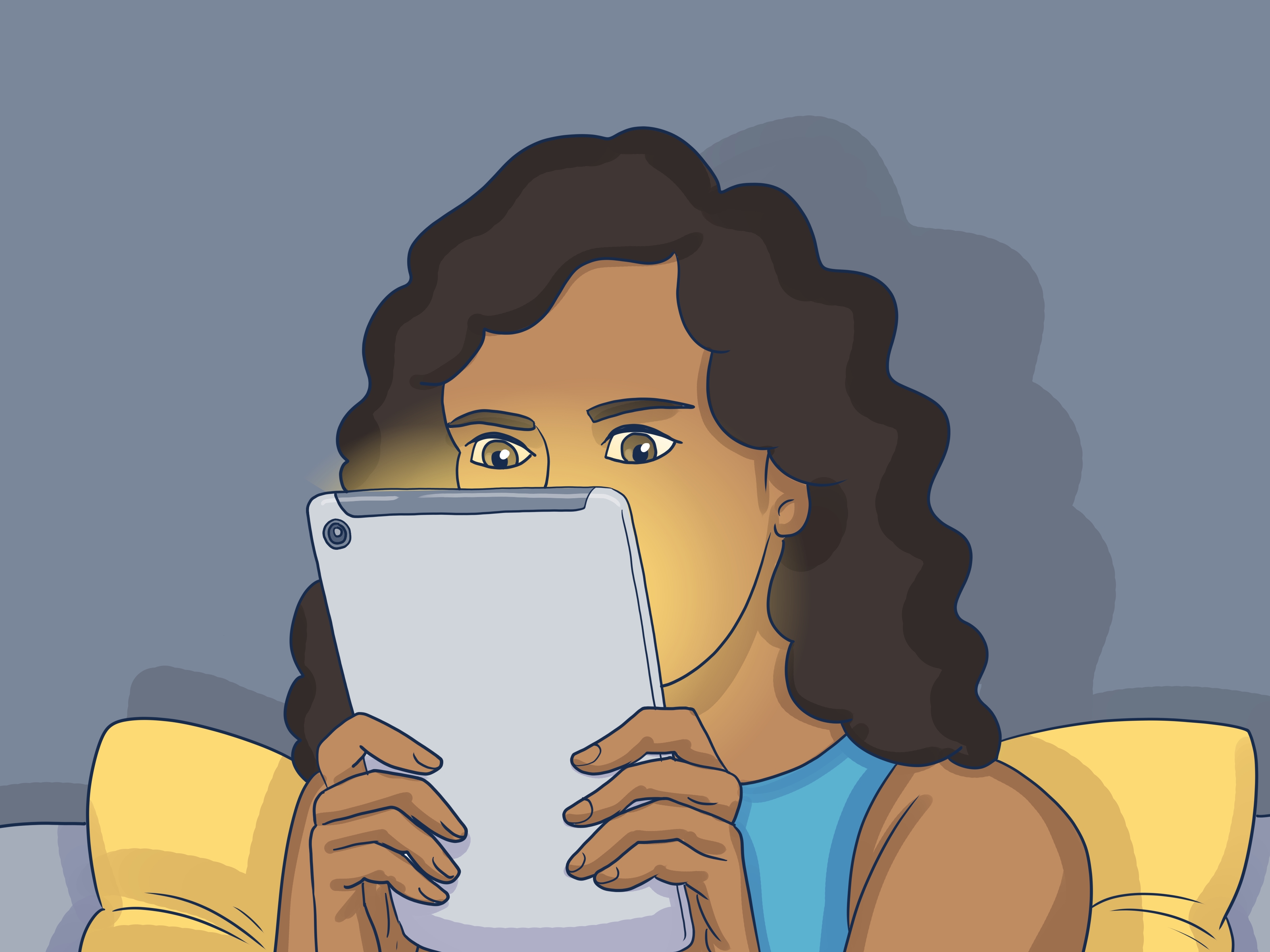
5. Do you doomscroll at night even when you are exhausted?
You are tired. Your pillow is right there. Yet your thumb says, “One more disaster headline.” This is not relaxation; this is emotional CrossFit in bed.
6. Do you feel anxious when you cannot check your phone?
A little inconvenience is normal. A full-body sense of digital separation panic may be a sign your habits need softer boundaries.
7. Do you compare your life to strangers online?
Their kitchen is spotless, their vacation looks cinematic, and their dog appears emotionally stable. Meanwhile, you are eating cereal from a mug. Remember: social media is a highlight reel, not a court transcript.
8. Do you struggle to enjoy quiet moments without reaching for a screen?
Waiting in line, sitting on a bus, resting after dinnerthese tiny empty spaces used to belong to daydreaming. Now they often get rented out to apps.
9. Do you use internet language in situations where nobody understands you?
If you have ever said “main character energy,” “NPC behavior,” or “the vibes are off” in a serious workplace meeting, please add points. Maybe several.
10. Do you lose track of time online more than you intended?
You planned to scroll for five minutes. Forty-eight minutes later, you know too much about celebrity furniture, raccoon rescue videos, and someone else’s breakup.
11. Do your eyes, neck, or head complain after long screen sessions?
Digital eye strain, dry eyes, headaches, neck tension, and stiff shoulders are common signs that your body would like to file a formal complaint.
12. Do you choose scrolling over sleep, movement, hobbies, or real conversations?
This question matters most. Online entertainment is fine. But if it regularly replaces basic care, friendships, creativity, or rest, your screen may be taking up too much space.
Your Results: How Chronically Online Are You?
0–8 Points: Lightly Online, Mostly Grounded
You use the internet, but it probably does not own the deed to your attention span. You can enjoy memes, messages, and online entertainment without losing touch with your offline life. Keep your healthy boundaries. You are doing great. The grass recognizes you.
9–18 Points: Moderately Online, Mildly Crispy
You are not lost in the algorithmic wilderness, but you may be spending more time online than you realize. Your habits might be harmless most days, yet they can still chip away at sleep, focus, or mood. A few small changesphone-free meals, app limits, outdoor walks, or a no-scroll bedtime routinecould make a big difference.
19–27 Points: Very Online, Grass Recommended
You may be using the internet as entertainment, emotional regulation, background noise, social connection, and procrastination tool all at once. That is a lot of jobs for one tiny glowing rectangle. Consider creating stronger boundaries around notifications, bedtime scrolling, and social media comparison.
28–36 Points: Extremely Chronically Online, Please Step Away From the Discourse
Your online world may be crowding out your real-world energy. This does not mean you are broken; it means your digital habits may need a reset. Start small. Take one screen-free walk. Charge your phone outside the bedroom. Replace one scroll session with something physical, social, or creative. The goal is not to vanish from the internet. The goal is to return as a person with a spine, a bedtime, and perhaps a vegetable.
Signs You May Need to Touch Grass
Still unsure? Here are some common signs your screen habits may be getting a little too powerful:
- You feel worse after scrolling but keep doing it anyway.
- You regularly stay up late because of videos, posts, or comment threads.
- You check your phone during every quiet moment.
- You feel irritated when real life interrupts online time.
- You compare your body, home, career, relationship, or personality to curated online content.
- You know strangers’ drama better than your own weekly priorities.
- Your hobbies have slowly become “watching other people do hobbies.”
One or two of these does not mean disaster. But if several feel uncomfortably familiar, your brain may be asking for more sunlight, movement, sleep, and actual human voices.
The Real Problem Is Not ScreensIt Is Unintentional Use
It is easy to blame phones for everything, but the truth is more nuanced. Screens are tools. Social platforms can educate, entertain, and connect. Online communities can be lifelines for people who feel isolated, misunderstood, or far from others who share their interests.
The problem begins when digital use becomes unintentional. You are no longer choosing the internet; the internet is choosing for you. Autoplay chooses the next video. Notifications choose your focus. Trending topics choose your emotional temperature. Algorithms choose what gets placed in front of your face when you are tired enough to accept anything.
Healthy online life is not about deleting every app and moving to a cabin where you churn butter by moonlight. It is about using technology on purpose. You decide when to log on, why you are there, and when you are done.
How Being Chronically Online Can Affect Your Mood
Online spaces can make emotions contagious. A few minutes of funny videos may lift your mood. A few minutes of outrage content may leave you tense, defensive, or oddly convinced that civilization is being held together by one tired intern and a password reset email.
Doomscrolling is especially sneaky. It feels productive because you are “staying informed,” but consuming a steady stream of distressing information can increase stress and make the world feel more threatening than it is. Add comment sections, hot takes, and algorithmic recommendations, and your brain may start treating every issue like an emergency.
Social comparison is another mood trap. You see someone’s promotion, vacation, engagement, abs, sourdough loaf, or perfectly labeled pantry, and your ordinary Tuesday suddenly feels like a personal failure. But online content is edited, selected, filtered, posed, and captioned. You are comparing your behind-the-scenes life to someone else’s promotional trailer.
How Screen Habits Can Affect Sleep
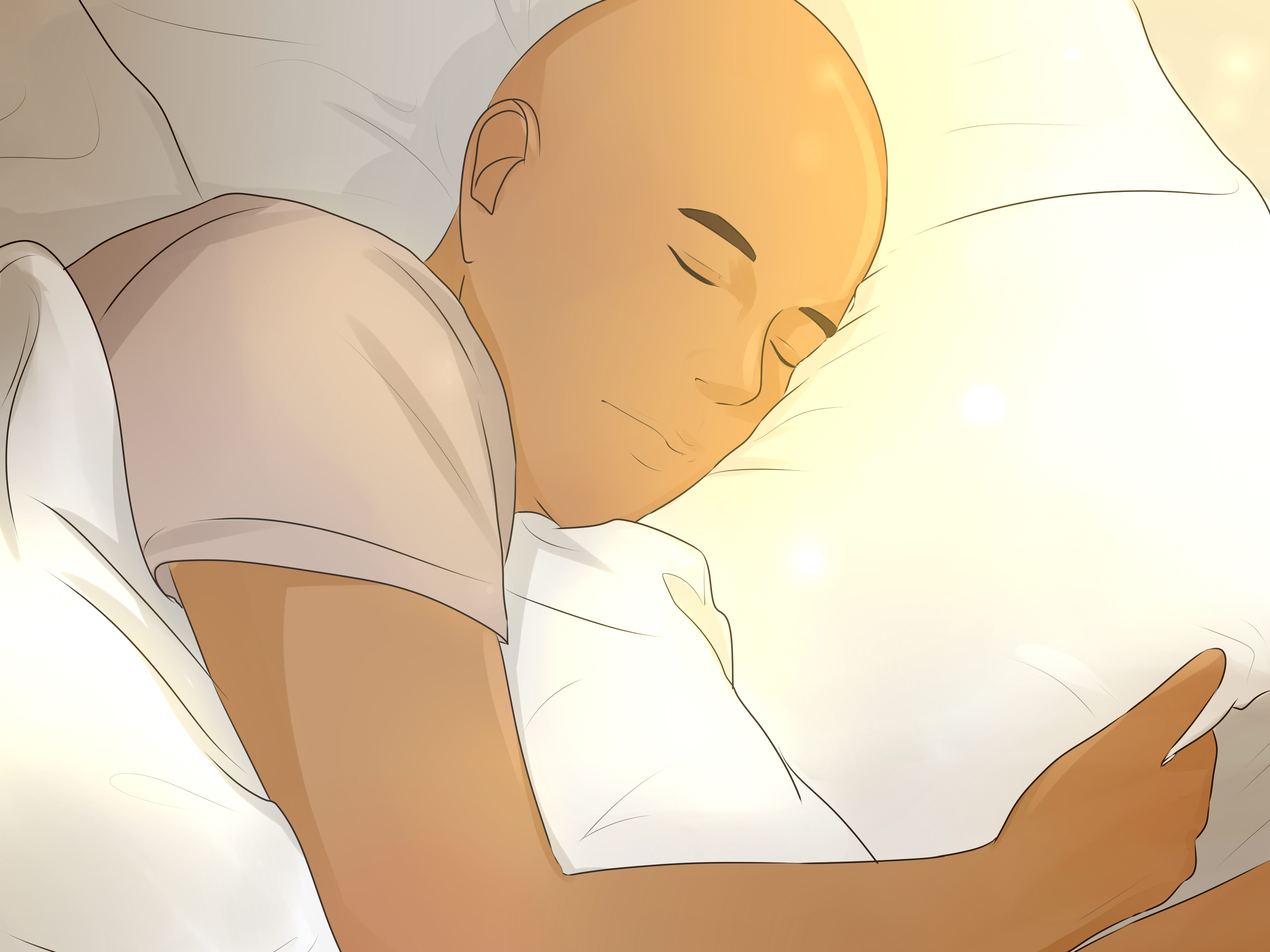
If your bedtime routine includes “just one more scroll,” your sleep may be paying the bill. Screens can delay bedtime simply because they are interesting. The content itself can also keep your mind alert, especially if it is emotional, stressful, funny, dramatic, or packaged in endless bite-sized clips.
Light exposure from screens may also interfere with your body’s natural wind-down signals, especially when used close to bedtime. A better routine does not have to be fancy. Try setting a digital sunset 30 to 60 minutes before bed, charging your phone across the room, or replacing late-night scrolling with reading, stretching, journaling, or listening to calm audio.
Your future self, the one who has to wake up tomorrow, will be deeply grateful. Possibly even smug.
How Screen Time Can Affect Your Body
Your body was not designed to become a shrimp-shaped statue hunched over a phone for six hours. Long screen sessions can contribute to dry eyes, blurry vision, headaches, neck stiffness, sore shoulders, and general “why do I feel like a folding chair?” energy.
A simple reset is the 20-20-20 rule: every 20 minutes, look at something about 20 feet away for 20 seconds. Blink more often, adjust your screen brightness, sit with better posture, and take short movement breaks. None of this requires a wellness retreat. You can start by standing up and rotating your shoulders like a person who just remembered they have bones.
How to Touch Grass Without Becoming a Different Person
You do not need to become a minimalist monk with a flip phone and one ceramic bowl. You can still love the internet. You can still enjoy memes, games, group chats, fandoms, and creative platforms. The goal is balance.
1. Take a Phone-Free Walk
Leave your phone at home, or put it on airplane mode. Walk around the block. Notice the weather, trees, dogs, clouds, storefronts, or the deeply mysterious behavior of pigeons. This is not about fitness perfection. It is about reminding your brain that the world has depth, smell, sound, and zero pop-up ads.
2. Create No-Scroll Zones
Choose one or two places where scrolling is off-limits: the bed, dinner table, bathroom, or first 15 minutes after waking. Start small. Boundaries work best when they are realistic enough to survive a Tuesday.
3. Turn Off Nonessential Notifications
Every notification is a tiny tap on the shoulder. Some are useful. Many are just apps yelling, “Come back! We miss your data!” Turn off alerts that do not need immediate attention.
4. Replace, Do Not Just Remove
If you remove scrolling without replacing it, boredom will kick down the door. Keep a book nearby, make tea, stretch, call someone, clean one drawer, draw badly, cook something, or stare dramatically out a window like you are in an independent film.
5. Curate Your Feed Like Your Mood Depends on It
Because honestly, it might. Unfollow accounts that leave you anxious, inferior, angry, or exhausted. Follow people who teach, inspire, entertain, or calm you. Your feed is not a public service obligation. It is your attention diet.
6. Schedule Internet Time
Instead of grazing all day, try intentional windows: 20 minutes after lunch, 30 minutes in the evening, or a planned catch-up block. When time is up, log off before the algorithm brings out the emotional cheese board.
A Practical 7-Day Touch Grass Reset
Day 1: Track Your Screen Triggers
Notice when you reach for your phone. Are you bored, anxious, tired, lonely, avoiding work, or seeking comfort? Awareness is the first win.
Day 2: Clean Your Notifications
Turn off alerts from apps that do not deserve emergency access to your brain.
Day 3: Try a 20-Minute Outdoor Break
No productivity goal. No step-count pressure. Just go outside and look at things that are not backlit.
Day 4: Make Your Bedroom Less Online
Charge your phone away from your bed. Use a real alarm clock if needed. Yes, they still exist. No, they do not require a subscription.
Day 5: Replace One Scroll Session
Pick one daily scroll habit and swap it for something else: music, journaling, stretching, cooking, reading, or talking to someone in person.
Day 6: Curate Your Feed
Unfollow, mute, block, and organize. Your peace is allowed to have a velvet rope.
Day 7: Reflect Without Judgment
Ask yourself: Do I feel calmer? Did I sleep better? Did I miss anything truly important? What boundary should I keep?
When Online Life Is Not Just a Habit
Sometimes heavy internet use is a symptom of something deeper: stress, burnout, loneliness, anxiety, depression, or feeling disconnected from offline life. If logging off feels impossible, or if screen use is seriously affecting your sleep, school, work, relationships, or mental health, consider talking with a trusted friend, counselor, therapist, or healthcare professional.
Needing support does not mean you failed at self-control. It means you are human, and humans are very hackable by infinite scroll.
Personal Experiences: What the Chronically Online Life Feels Like
The funny thing about being chronically online is that it often starts innocently. You are not trying to become a person who knows three versions of the same meme before breakfast. You are just checking a message. Then you check a second app because the first app was boring. Then you see a post that reminds you of another post, and suddenly your brain has opened twelve mental tabs. None of them are labeled. Two are playing music.
Many people describe the experience as feeling constantly informed but strangely drained. You know what everyone is mad about, what everyone is buying, what everyone is watching, and what everyone has collectively decided is embarrassing this week. But you may not know how you feel until you step away. The online world moves so quickly that it can trick you into believing every moment needs a reaction. In real life, most things are allowed to breathe.
One common experience is the “I have five minutes” trap. You open your phone while waiting for coffee, and by the time you look up, your coffee is cold and you have learned about a celebrity apology, a new skincare ingredient, a restaurant you do not live near, and a conspiracy theory about a cartoon character. None of this was on your to-do list, but your brain ate it like a buffet.
Another familiar feeling is emotional whiplash. A cute dog video appears. Then a tragic headline. Then a joke. Then someone’s vacation photos. Then a political argument. Then a recipe. Then an ad for shoes you discussed once in a room with your phone nearby, which is not suspicious at all, obviously. Your brain has to switch emotional lanes every few seconds. No wonder you feel tired.
Touching grass, in practice, does not always feel magical at first. The first few minutes without a phone can feel awkward, like you forgot a tiny digital limb. You may reach for it automatically. You may feel bored. You may wonder what everyone is posting. Then, slowly, your senses come back online in the old-fashioned way. You hear traffic, wind, birds, neighbors, footsteps. You notice the sky is doing something interesting. You remember your body is not just a device holder with opinions.
For some people, the best part of taking breaks from online life is not productivity. It is peace. You stop measuring your day against everyone else’s performance. You stop absorbing strangers’ urgency. You stop letting comment sections set the weather inside your head. Even a short break can make ordinary life feel less like background noise.
The most realistic approach is not dramatic digital purity. Most of us are not going to delete every app, move into the woods, and communicate exclusively through handwritten notes and meaningful eye contact. A better goal is to become less reactive. Check your phone because you choose to, not because your thumb has developed its own career path. Post because you want to share, not because silence feels like disappearance. Read the news, but do not marinate in catastrophe. Enjoy memes, but also enjoy meals, sunlight, errands, hobbies, and conversations that do not require a loading screen.
In the end, the chronically online experience is a reminder that attention is valuable. Where you place it becomes the texture of your life. Give some to the internet, sure. The internet is funny, useful, chaotic, and occasionally brilliant. But give some to your actual room, your actual body, your actual people, and yes, the actual grass. It has been outside this whole time, patiently waiting for you to remember it exists.
Conclusion: So, Do You Need to Touch Grass?
If your quiz score was low, congratulations. You and your screen seem to have a reasonably civilized relationship. If your score was medium or high, do not panic. You do not need to throw your phone into the ocean or announce a dramatic social media cleanse with a black-and-white selfie. You simply need a little more intention.
Being chronically online is not a personality flaw. It is a common side effect of living in a world where entertainment, work, news, friendship, shopping, dating, learning, and procrastination all live inside the same device. The solution is not shame. The solution is better boundaries.
Start with one small change: no phone in bed, a 20-minute walk, fewer notifications, a cleaner feed, or one screen-free meal each day. Then notice how you feel. The internet will still be there when you return. The discourse will continue without you. Someone will still be wrong in a comment section. You do not have to supervise them.
Touch grass, breathe air, blink at a tree, and remember: you are not just a username. You are a whole person, and whole people need more than Wi-Fi.